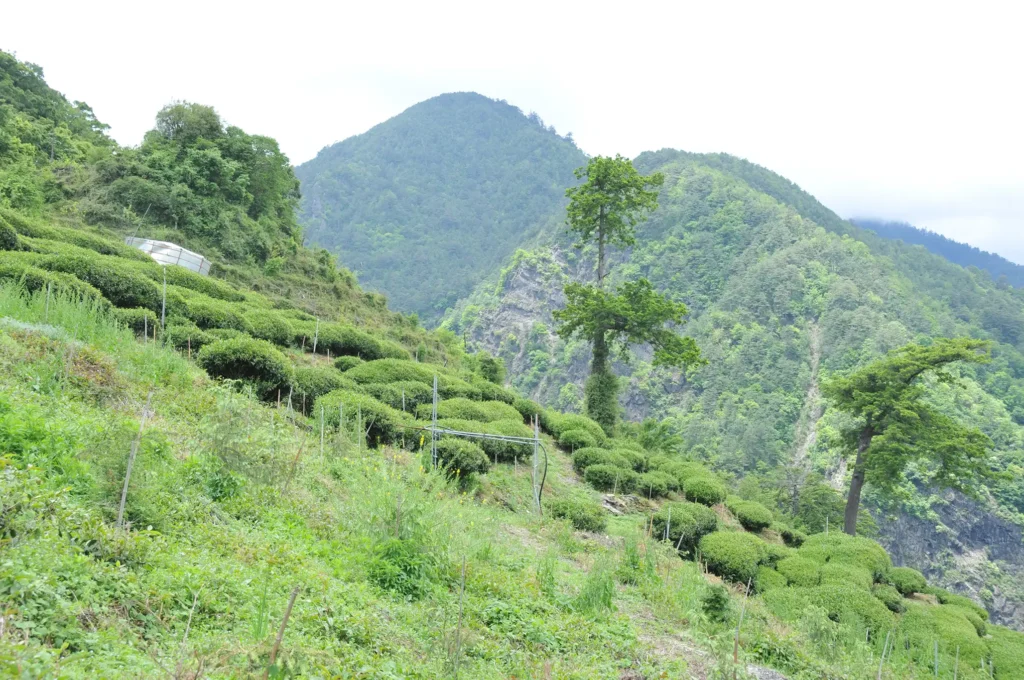
Many tea vendors feature “virgin forest tea,” but what does it actually mean? Virgin forest tea refers to tea plantations located inside natural forests, surrounded by no neighboring tea gardens, orchards, or vegetable farms. This isolated environment provides distinct advantages in both farm management and tea quality.
3 Key Benefits of Virgin Forest Tea
Rich Soil Yields Superior Quality: Most virgin forest soil has never been farmed before, so it boasts high levels of organic matter and minerals. This nutrient-rich soil boosts early tea tree growth, producing superior tea leaves. However, as cultivation continues over time, soil nutrients naturally diminish, and this advantage typically wanes after about five years.

Protection from Pesticides and Fertilizer Runoff: Surrounded by natural forest, virgin forest tea gardens are naturally isolated from other agricultural plots, effectively preventing pesticide drift. This buffer also prevents runoff water containing fertilizers from nearby farms from reaching the tea trees, protecting them from unsuitable nutrients that could compromise tea quality.
Flexible Management Enhances Quality: Without the need to coordinate with neighboring farms, growers of virgin forest tea enjoy full autonomy over fertilizing, irrigation, and water resources. This allows farmers to tailor their management specifically to the growth needs of their tea bushes, resulting in consistently exceptional tea.
The Greatest Value of Virgin Forest Tea: Preventing Pesticide Residues
Take high-mountain tea regions like Lishan and Cingjing for example: nearby vegetable farms frequently use pesticides, posing a risk of airborne drift that can cause residue levels to exceed safety standards. In the past, entire batches of Lishan Oolong were rejected for export due to pesticide residues. The natural isolation of virgin forest tea gardens dramatically lowers these risks, making it an ideal choice for consumers seeking pure, safe, and high-quality tea.