
The correct name is actually the “Fushoushan Farm Tianchi Tea Plantation.” There is only one tea plantation here, which belongs to Fushoushan Farm. Another major characteristic of the Lishan Tianchi tea region is that it is Taiwan’s “second highest tea plantation,” sitting at an altitude of up to 2,490 meters, second only to HuaGung Water Source.
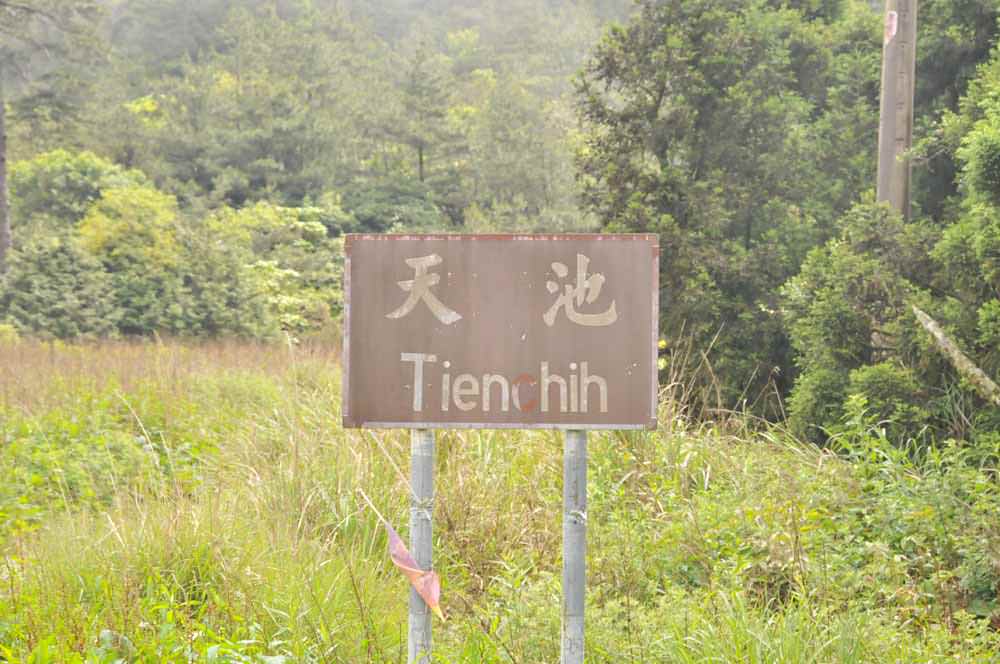
Table of Contents
Lishan Tianchi Tea Plantation, altitude 2,490 meters
Lishan tea is famous worldwide, with the tea plantations at Fushoushan Farm sitting at the highest altitude. Among them, the Tianchi tea region located at the very top of Fushoushan Farm produces renowned Tianchi tea. With average summer temperatures below 20°C and frequent winter snows, the Tianchi high mountain tea produced here boasts a robust aftertaste and is top-tier among Lishan teas, commanding prices of over NT$7,000 per 600 g—and even then, it is hard to secure.
The Tianchi tea region is located along Fushou Road on the way to HuaGung. The altitude here reaches close to 2,490 meters. With thin air, short periods of sunshine, frequent midday clouds and mists, and high altitude, the tea leaves grow very slowly. While spring tea in the lowlands can be harvested in March, tea here has to wait until June. Moreover, freezing temperatures often cause frost damage to the leaves. Even so, this is precisely what gives the tea here its heavy, cooling texture and distinctive mountain aroma. As far as our store manager knows, Tianchi tea from Fushoushan Farm is consistently sold out as soon as it hits the shelves in recent years.
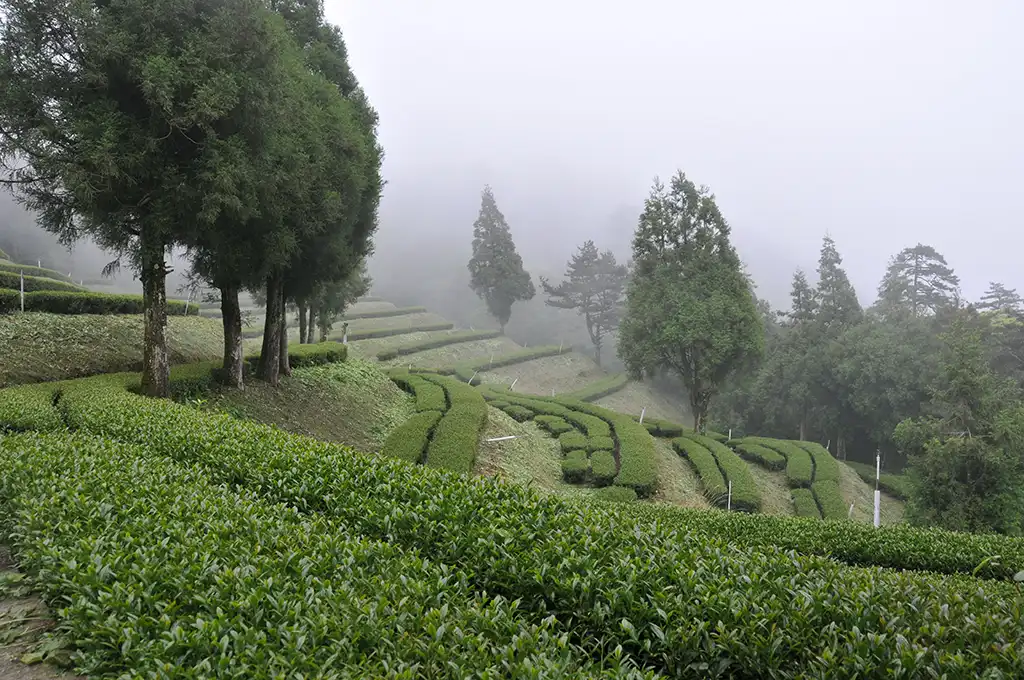
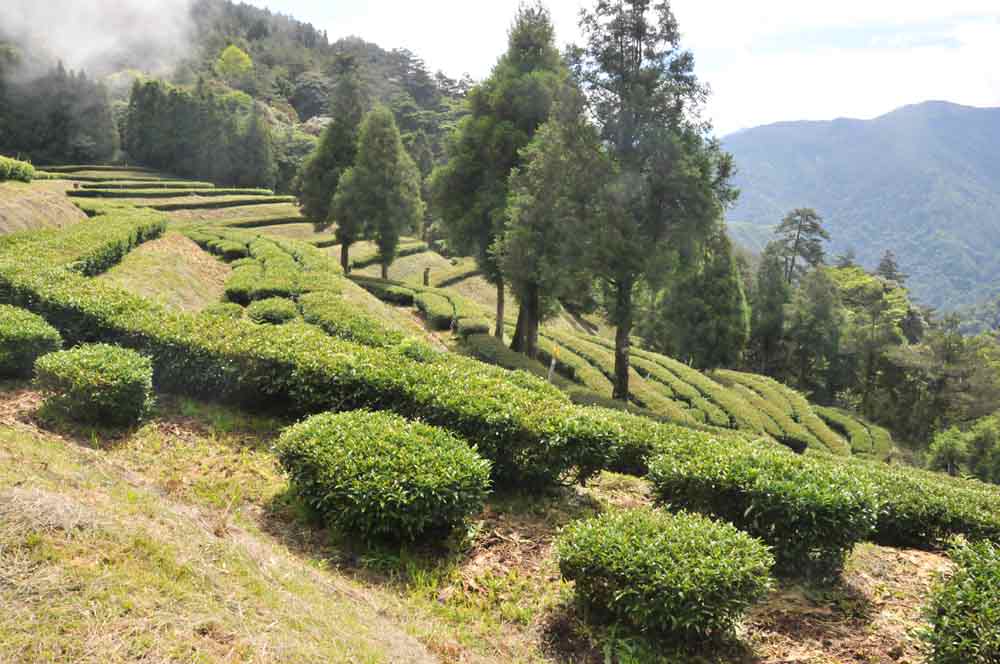
▲ Due to the high mountain environment, these tea trees are fertilized with plenty of organic manure to provide ample nutrients, resulting in thick tea leaves rich in pectin. The plantation is surrounded by China fir trees to protect the tea plants from harsh, cold winds.
The tea tree variety is exclusively Oolong. The first-season tea (spring tea) is harvested from late May to June, and the second-season tea (winter tea) in August and September. According to local workers, Tianchi tea is notoriously difficult to care for; when the weather is too cold, the plants struggle to grow. The yield for spring tea is already very low, and winter tea yields often drop to just half of the spring harvest.
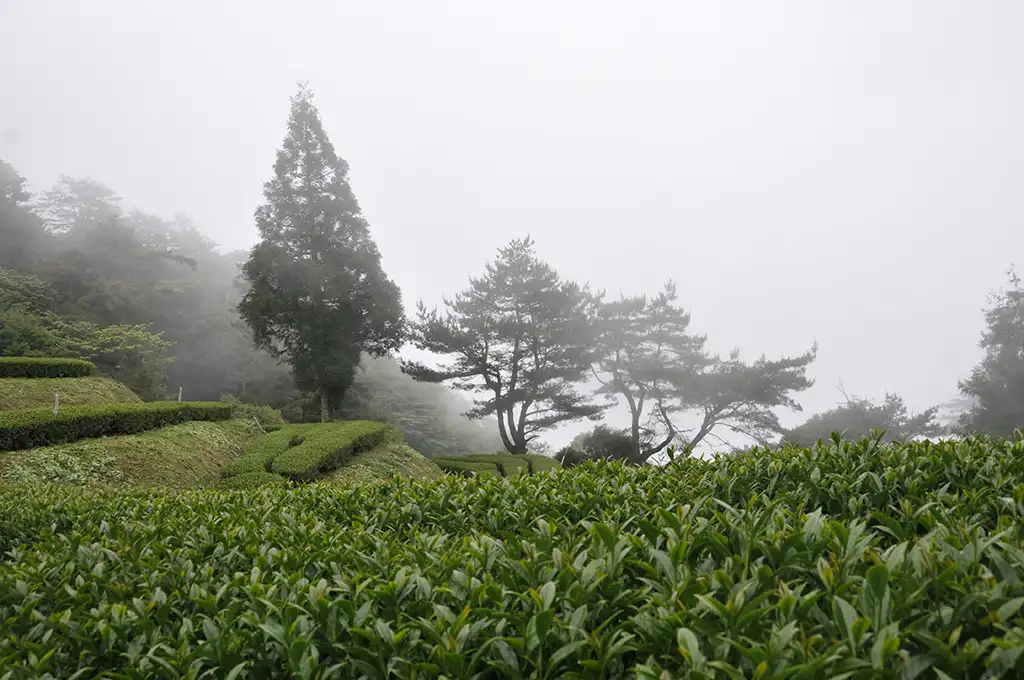
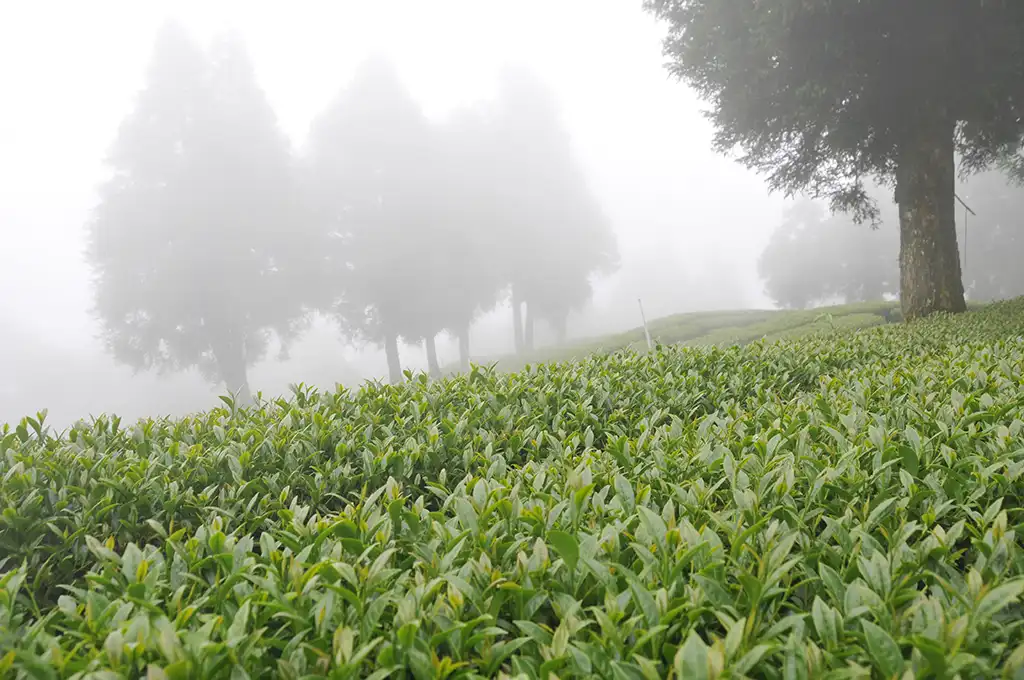
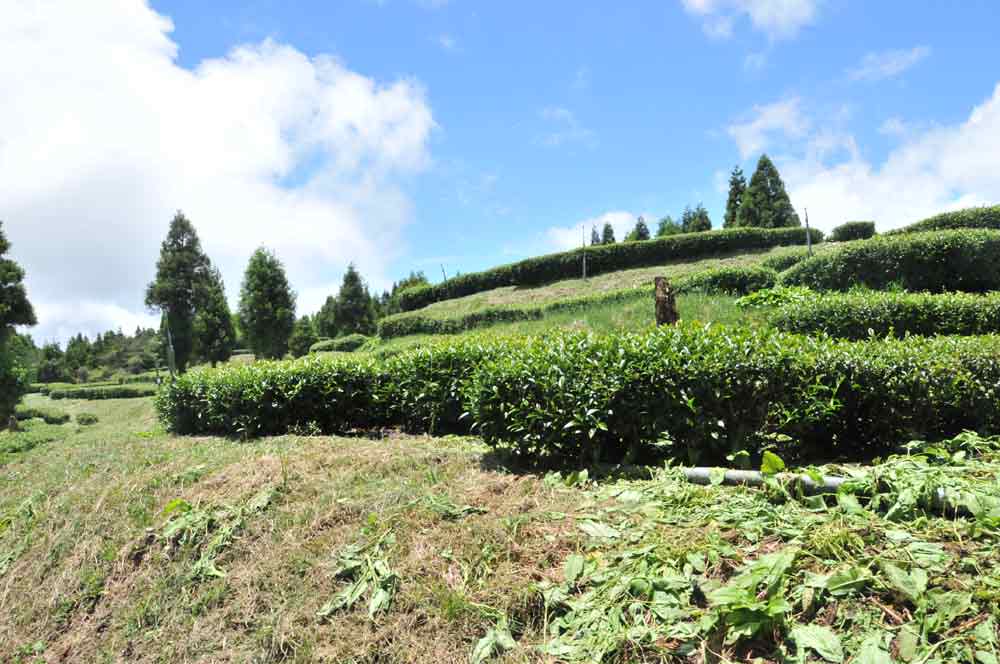
Lishan Tianchi Tea Region FAQ
Why are Lishan Tianchi teas distinguished by first and second seasons?
The Tianchi tea plantation is generally only harvested twice a year: the first harvest takes place in June, and the second in August or September. Calling these harvest times “spring tea” or “winter tea” can confuse people not used to high-mountain climates, so Fushoushan Farm uses the terms “first-season tea” and “second-season tea” instead.
Are there any private shares in the Tianchi tea region?
No, the entire area belongs to Fushoushan Farm. There is only one tea plantation in the local area. According to plantation management staff, genuine Lishan Tianchi tea never leaks out to third parties—only the official products sold by Fushoushan Farm are authentic.
Are the Fushoushan Tianchi teas sold by other tea merchants real?
We cannot comment. 😊
Are Daguan Pavilion and Tianchi part of the same tea region?
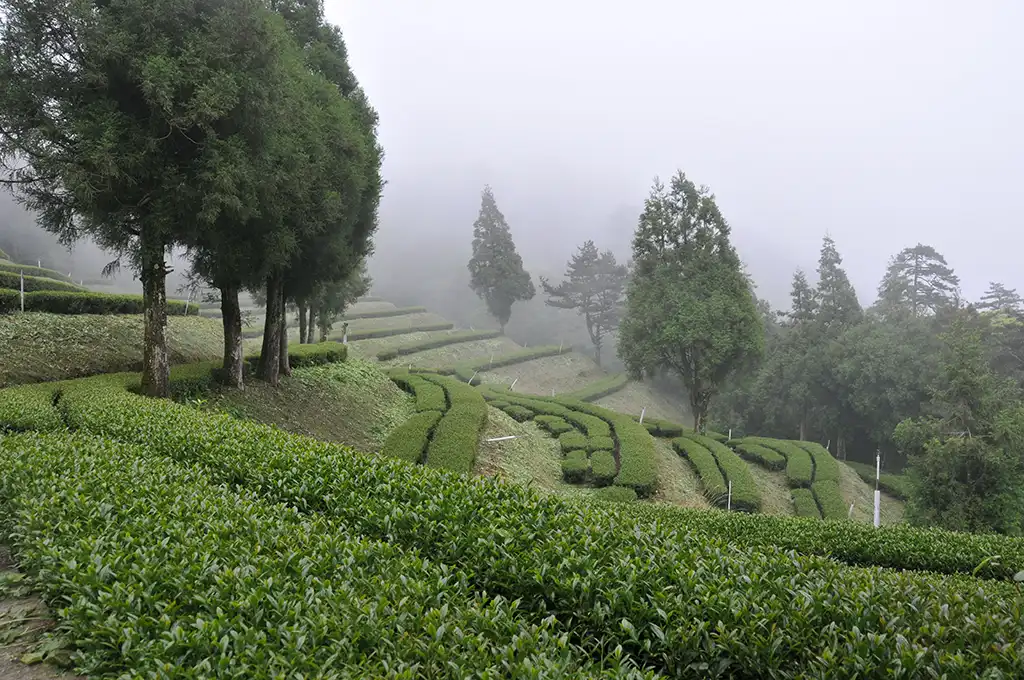
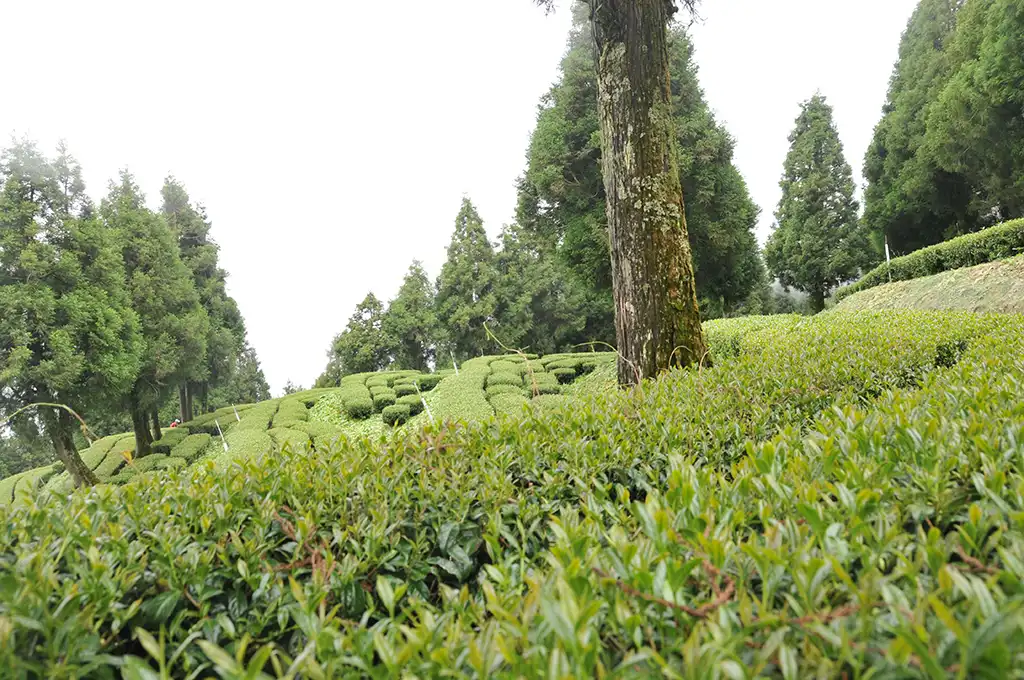
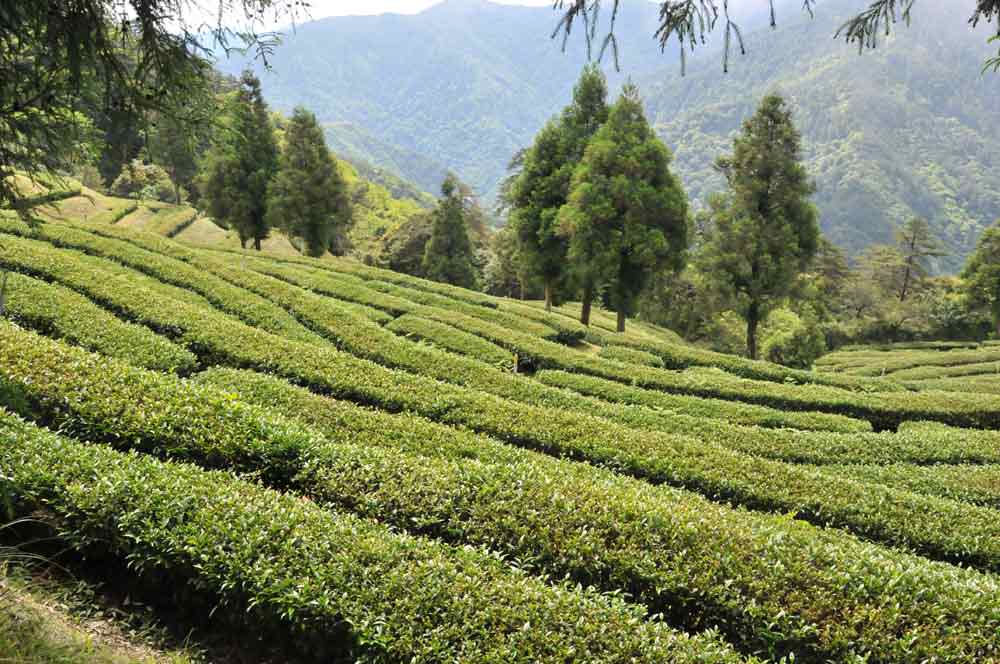
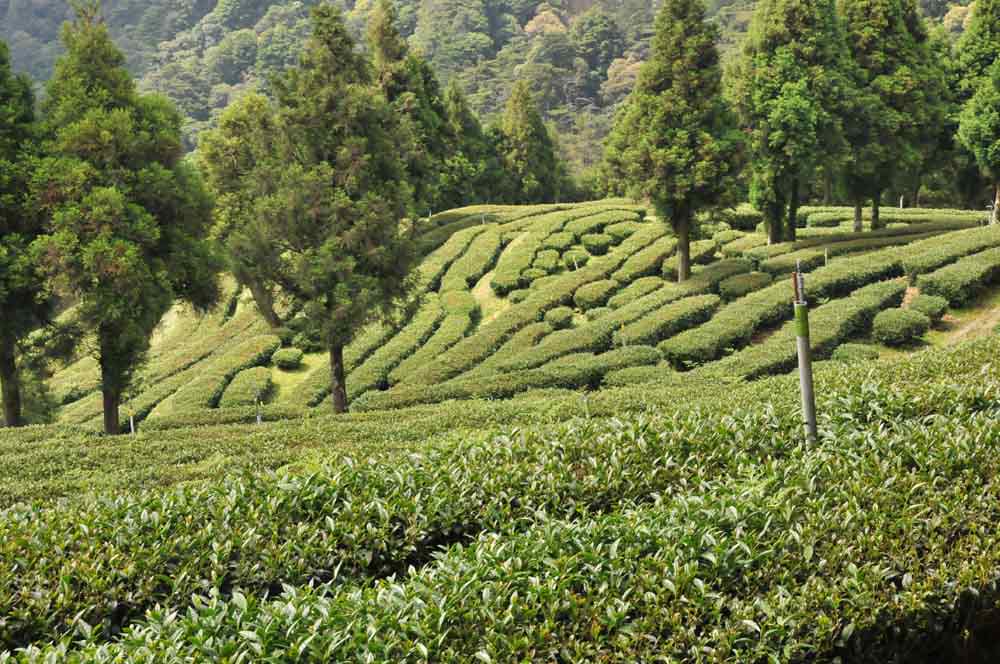
The Tianchi tea region is the single plantation shown in the photo. It is also the tea plantation closest to Daguan Pavilion.
Is the altitude of Lishan Tianchi tea really 2,600 meters?
No. Using a mobile app (Google Maps data) measured by our store manager, the highest point is actually 2,490 meters. Ever since the Dayuling 104K tea plantation was cleared, there are no longer any tea plantations above 2,600 meters in Taiwan.