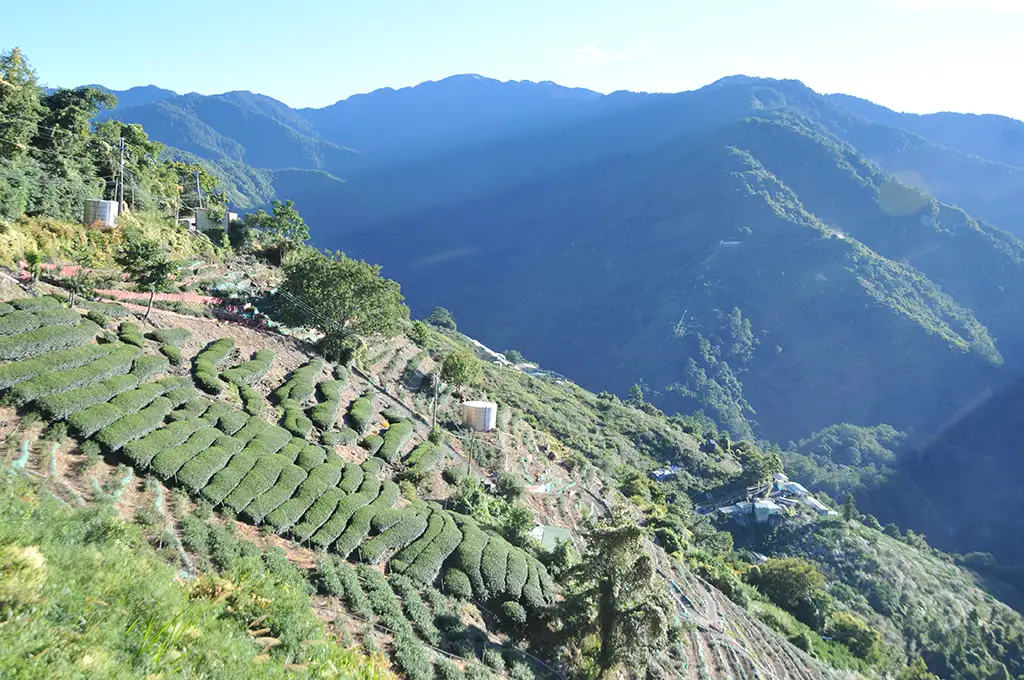
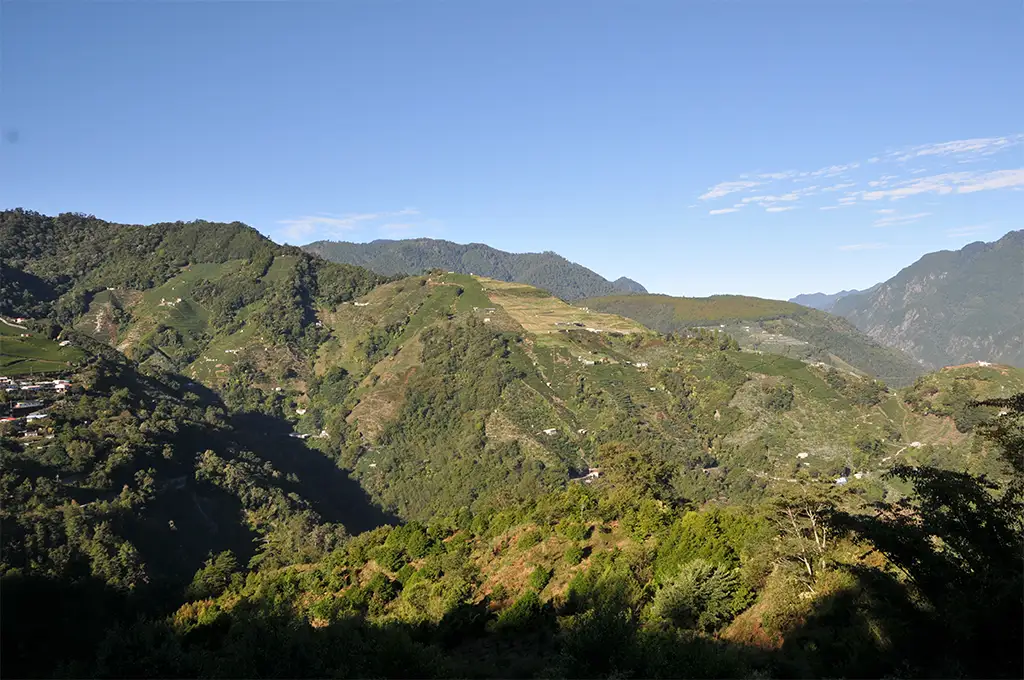
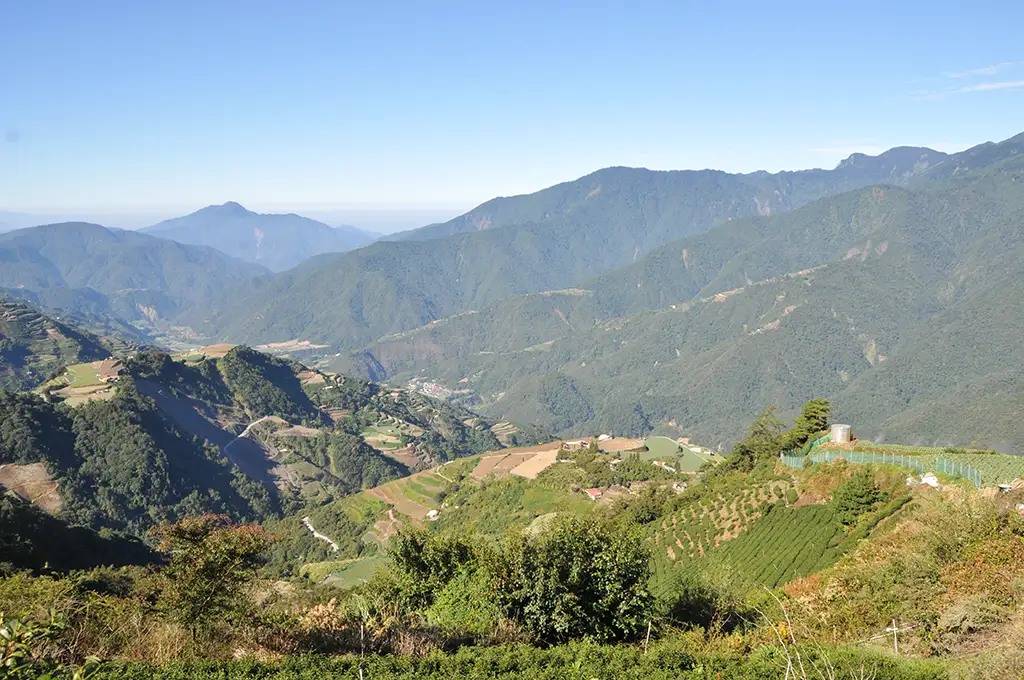
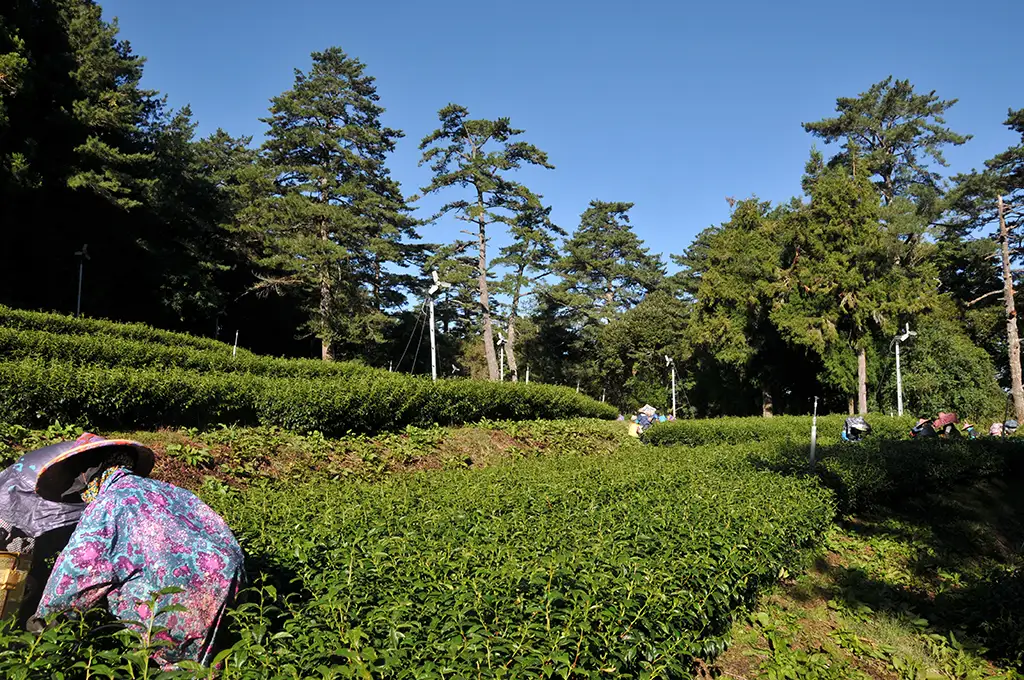
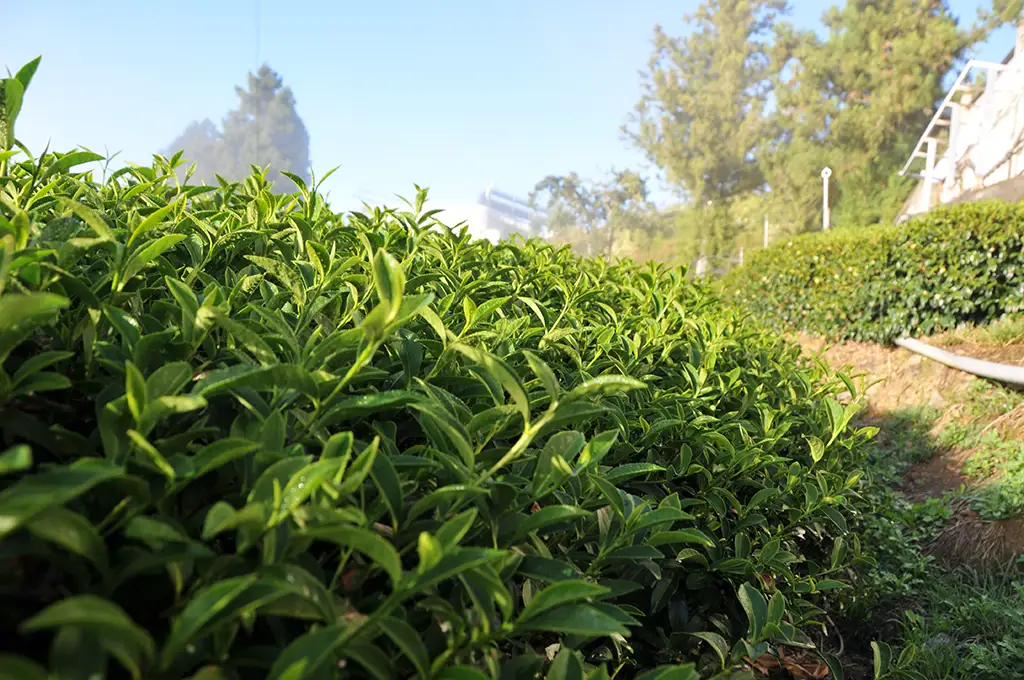
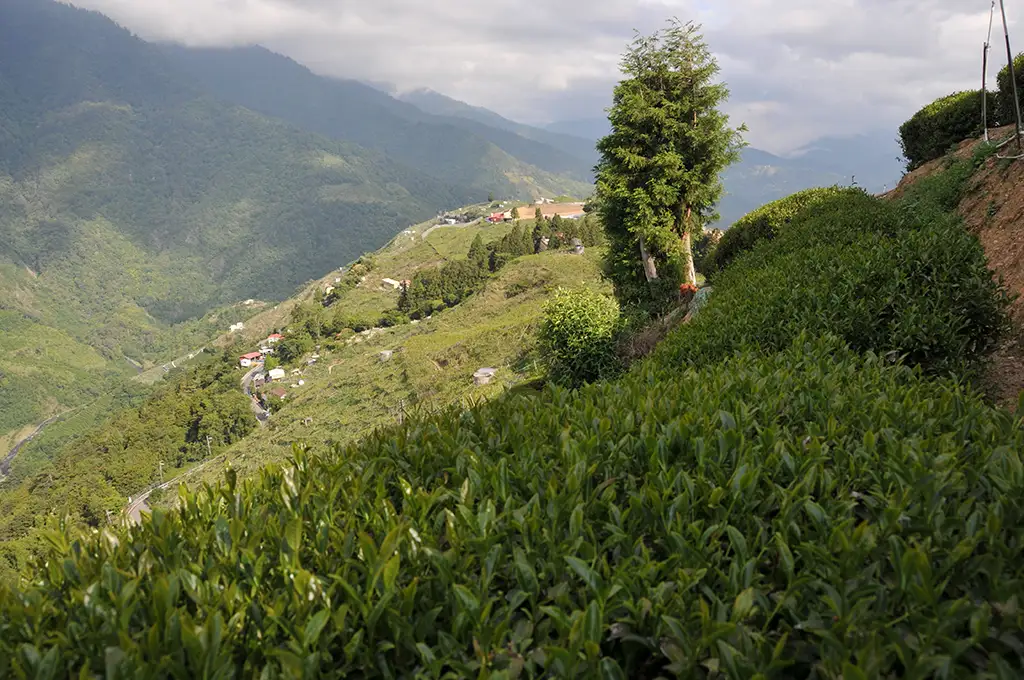
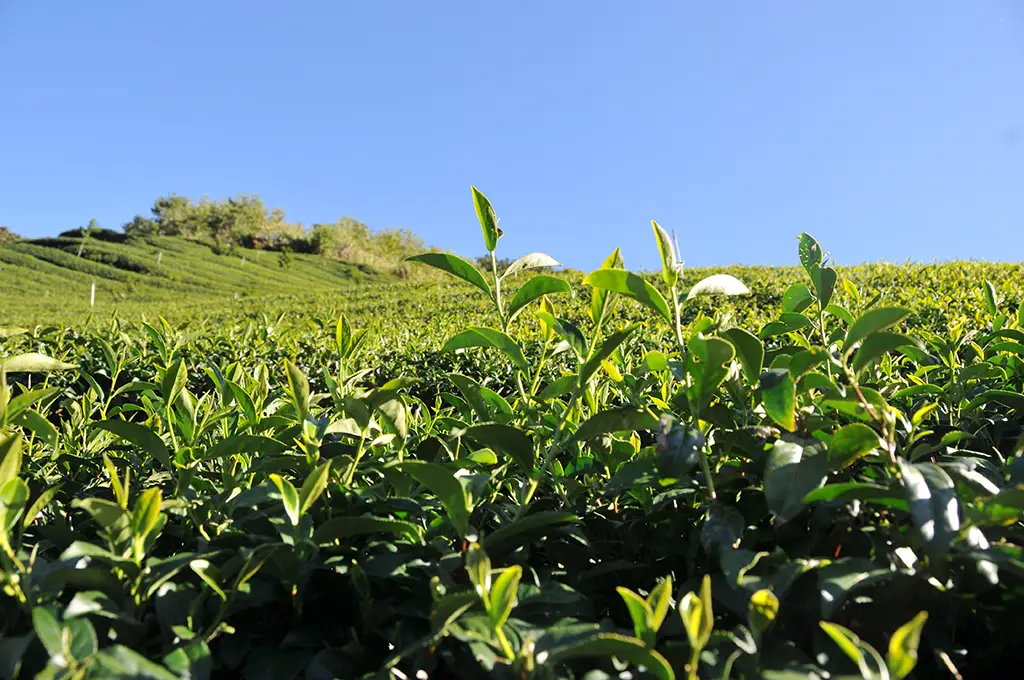
Lishan high mountain tea features a delicate, elegant aroma, crystal-clear liquor, and a sweet, refreshing taste, making it a favorite among tea lovers. With its vast expanse encompassing many sub-regions, varying aspects and elevations give each area a unique flavor profile. Let Liao Chang Xing guide you through the Lishan tea regions:

Table of Contents
What are the Lishan tea regions? (Click images for details)
Centered around the summit of HuaGung, it also includes HuaGung District 4 and HuaGung District 5. Overall production is relatively low, but it boasts the highest average elevation in all of Lishan, ranging from 1,800 to 2,520 meters. Taiwan’s highest tea garden is located right here in the HuaGung tea region.
Located at the border of Heping District in Taichung City and Ren’ai Township in Nantou County, this refers to tea produced by Fushou Mountain Farm. Tea cultivation began here in 1980, making it a pioneer of tea planting in the Lishan area. The tea region reaches an altitude of 2,490 meters.
Centered around the Malieba settlement and adjacent to the Suqiaotou tea region, it sits at the midpoint of the Lixing Industrial Road, making it one of the most difficult tea regions to access in Taiwan. Thanks to fertile natural soil and the advantages of newer tea gardens, the likelihood of producing exceptional tea is very high.
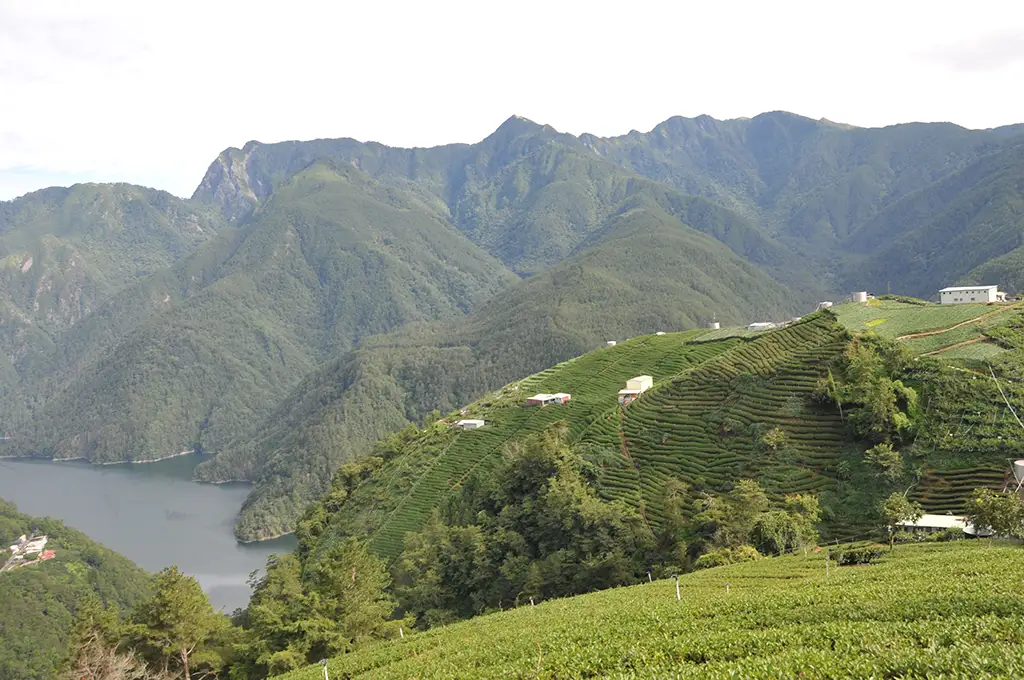
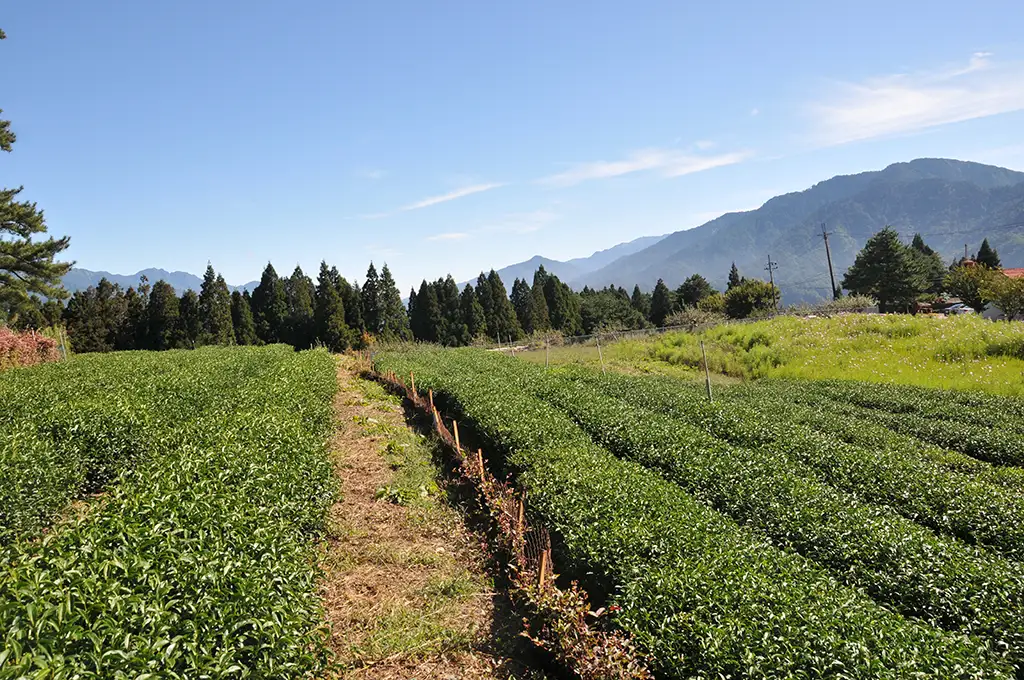
Roughly spanning from the 68 km mark (Deji Police Station) to the 76 km mark (Xinjiyang settlement / Lingfu Bridge) of the Central Cross-Island Highway. It is one of Lishan’s major tea-producing areas, with tea gardens spread across four mountain peaks facing the picturesque Deji Reservoir.
Centered around the Cuiluan settlement and divided into Cuiluan North Line and Cuiluan South Line, the tea gardens are distributed along the Cuiluan Industrial Road and Lixing Industrial Road, neighboring the HuaGung and Malieba tea regions.
Centered around the Lixing Suspension Bridge in Lishan, the tea gardens are cultivated along the Ruiyan Creek valley, bordering the Cuiluan settlement and Malieba tea regions. Located at the midpoint of the Lixing Industrial Road, it is challenging to access, but its tea quality is top-tier.
While Fushou Mountain tea specifically refers to tea produced by Fushou Mountain Farm, there are also private tea gardens nearby. To distinguish between them, the tea community named these “Fushou Lishan Tea,” commonly known as “off-farm tea.”
Lishan Tea Region Altitudes: Elevations of Each Sub-Region
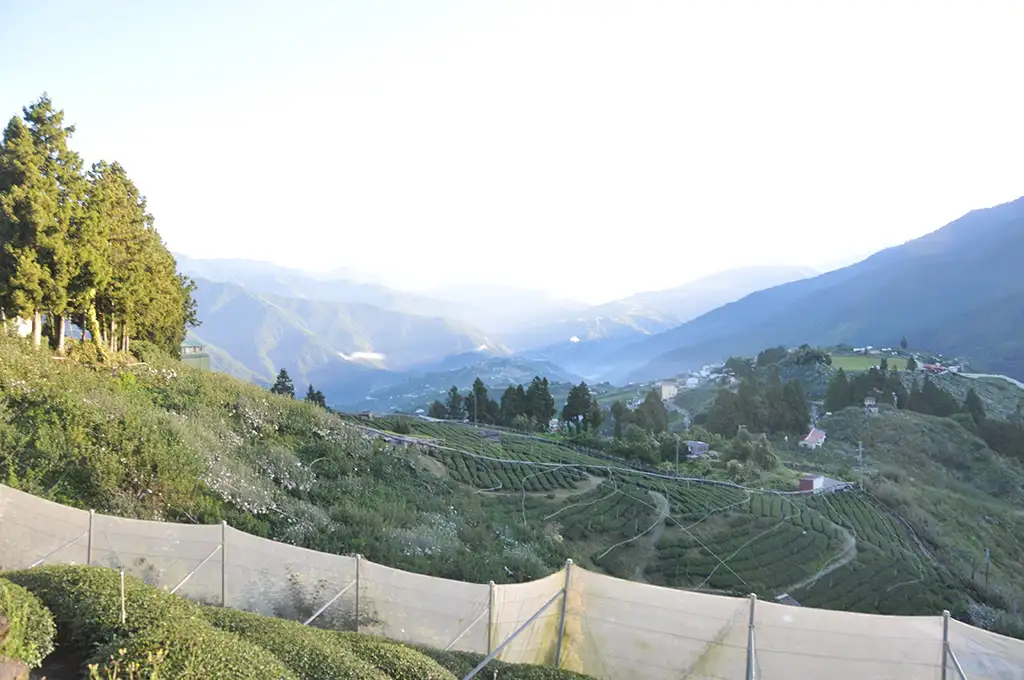
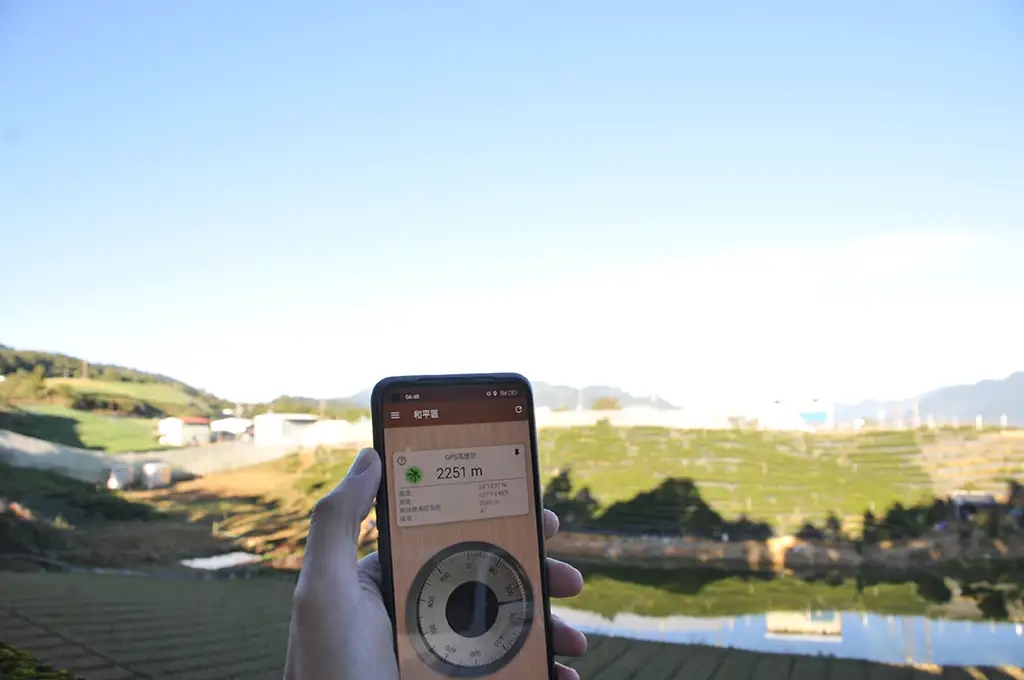
There is no universal consensus on the exact altitudes of the tea regions. Below are the elevations measured by the shop manager using a mobile app and Google Maps data.
| Tea Region | Min Altitude | Max Altitude | Notes |
|---|---|---|---|
| Xinjiayang Tea Region | 1500 | 2050 | Highest production |
| Cuiluan Tribe | 1400 | 2050 | |
| Diaoqiaotou Tea Region | 1650 | 2030 | |
| Malieba Tribe | 1200 | 1800 | |
| HuaGung Tea Region | 1800 | 2520 | Highest / Lowest production |
| Fushoushan Farm & Surrounding Areas | 1900 | 2490 | Centered around Fushoushan Farm |
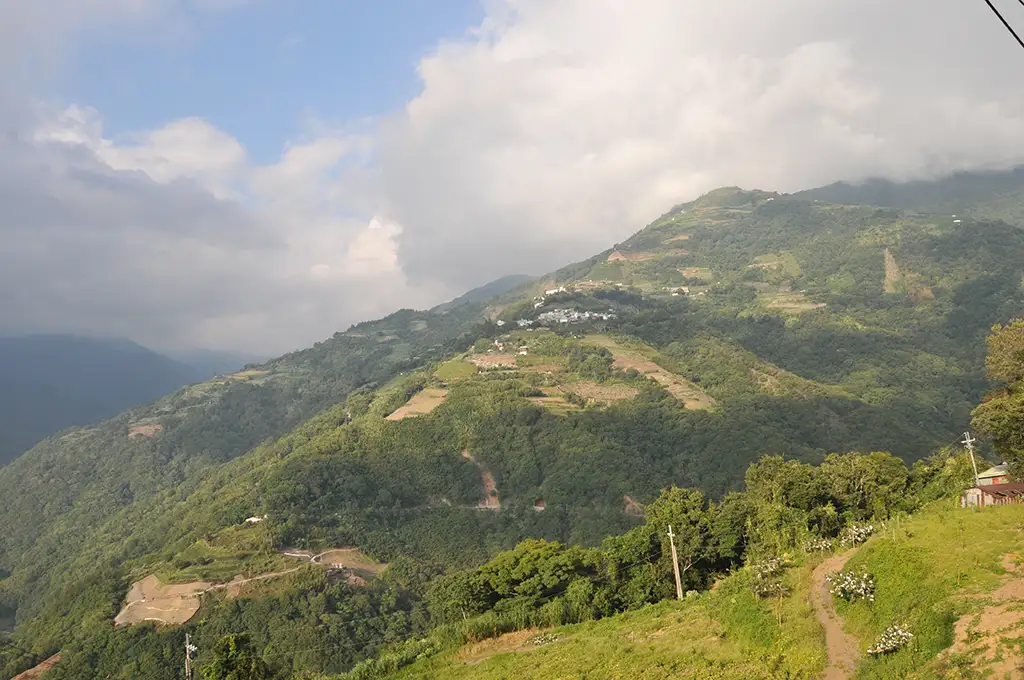
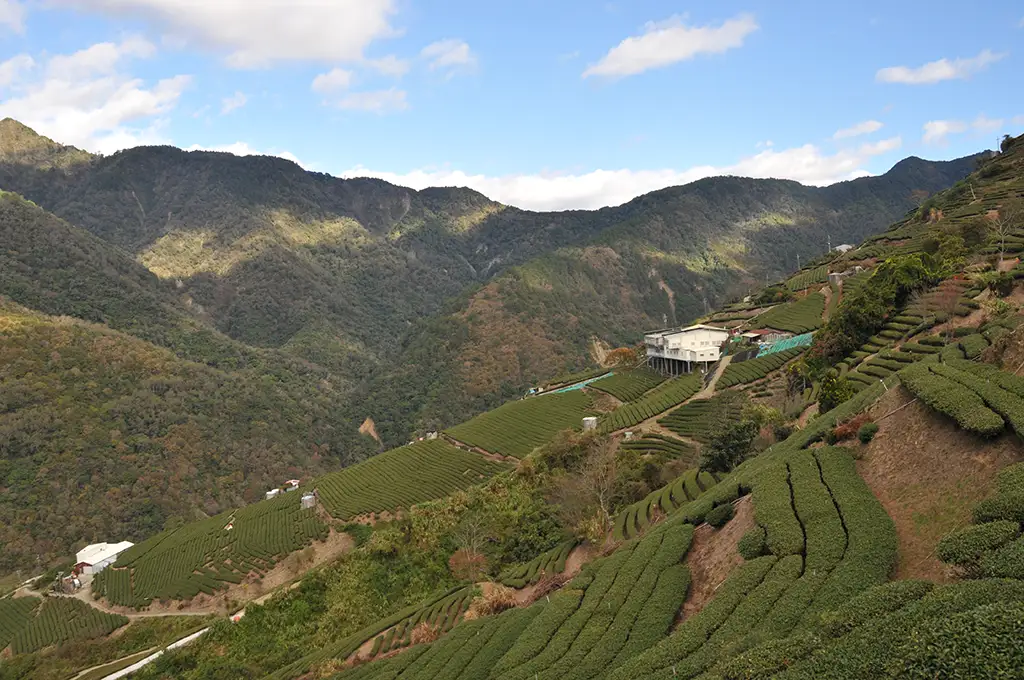
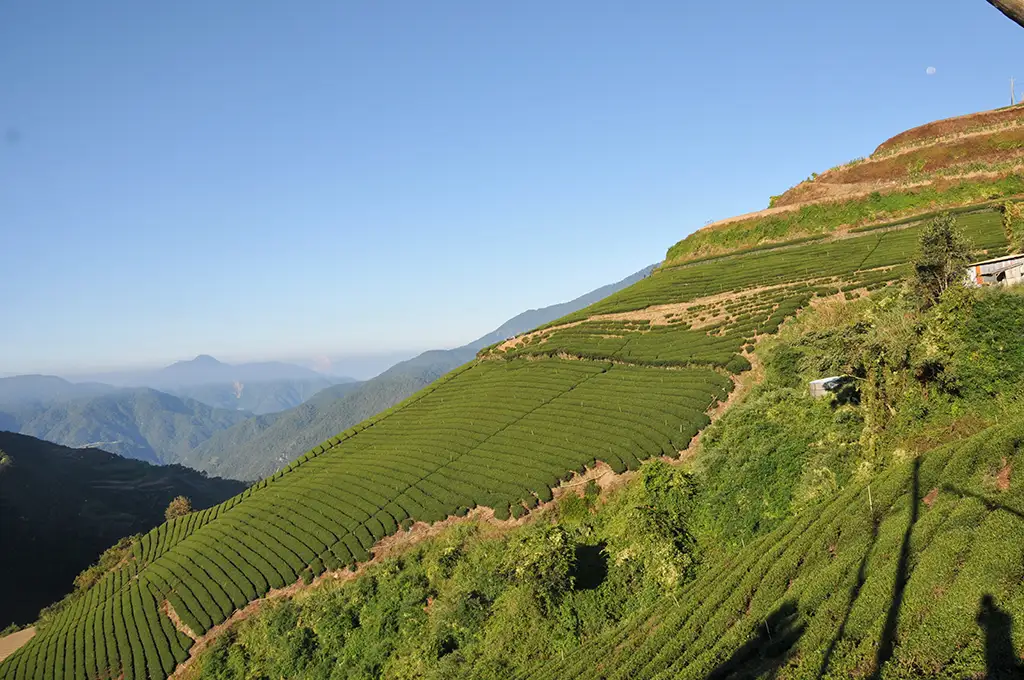
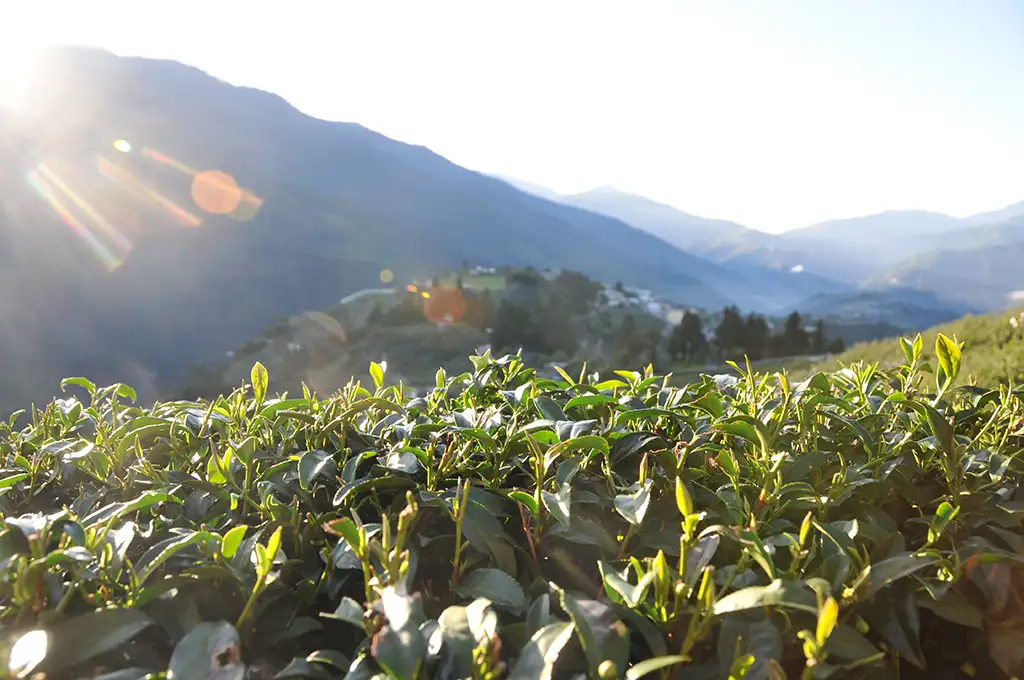
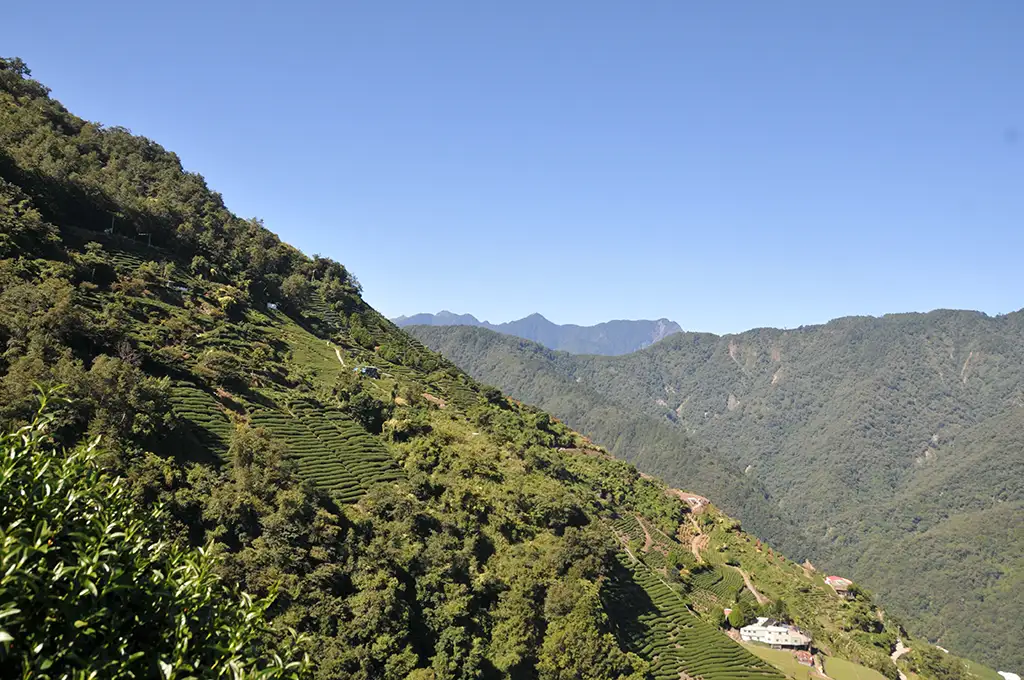
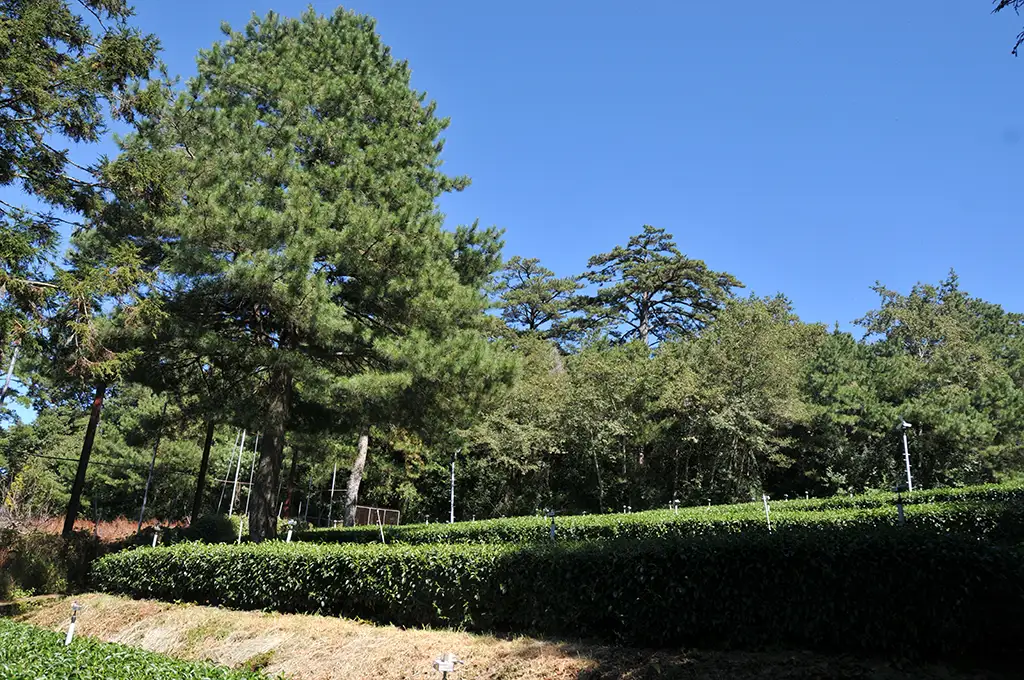
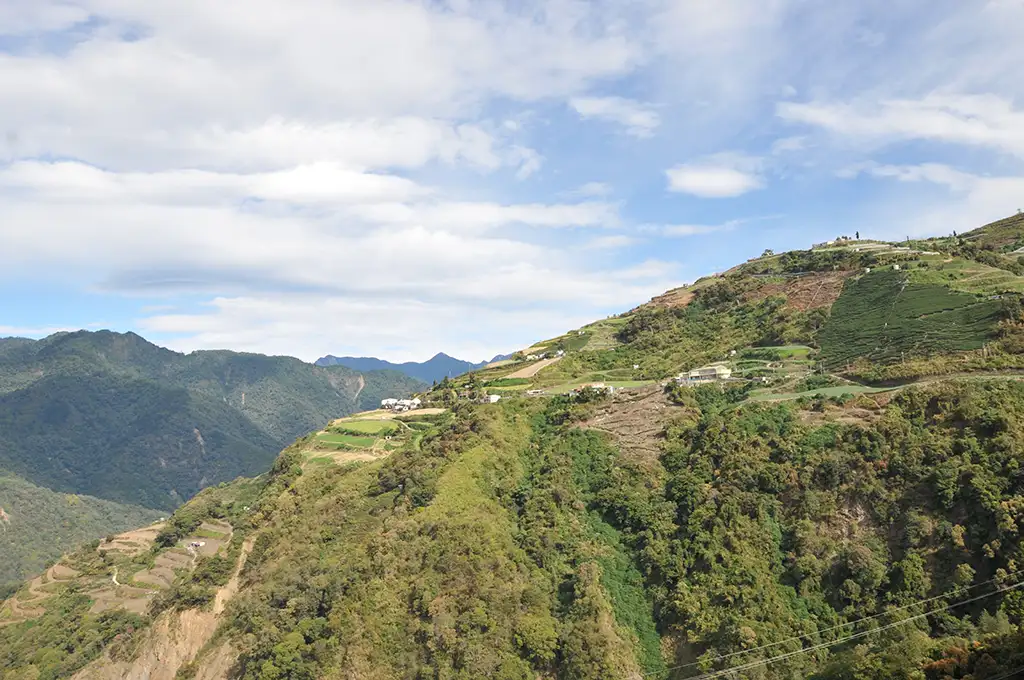
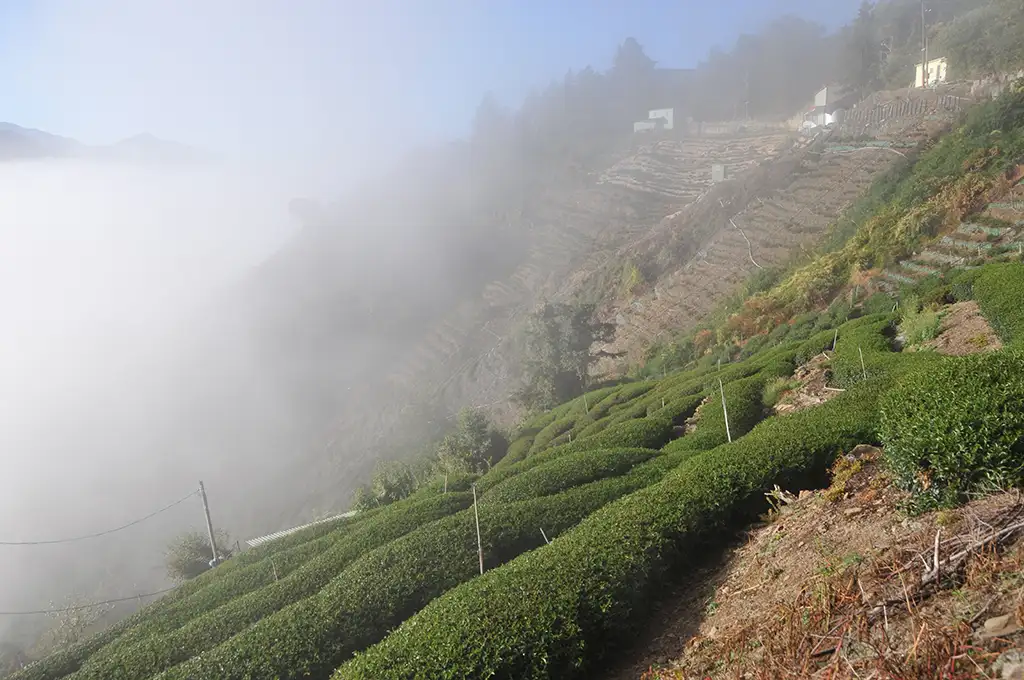
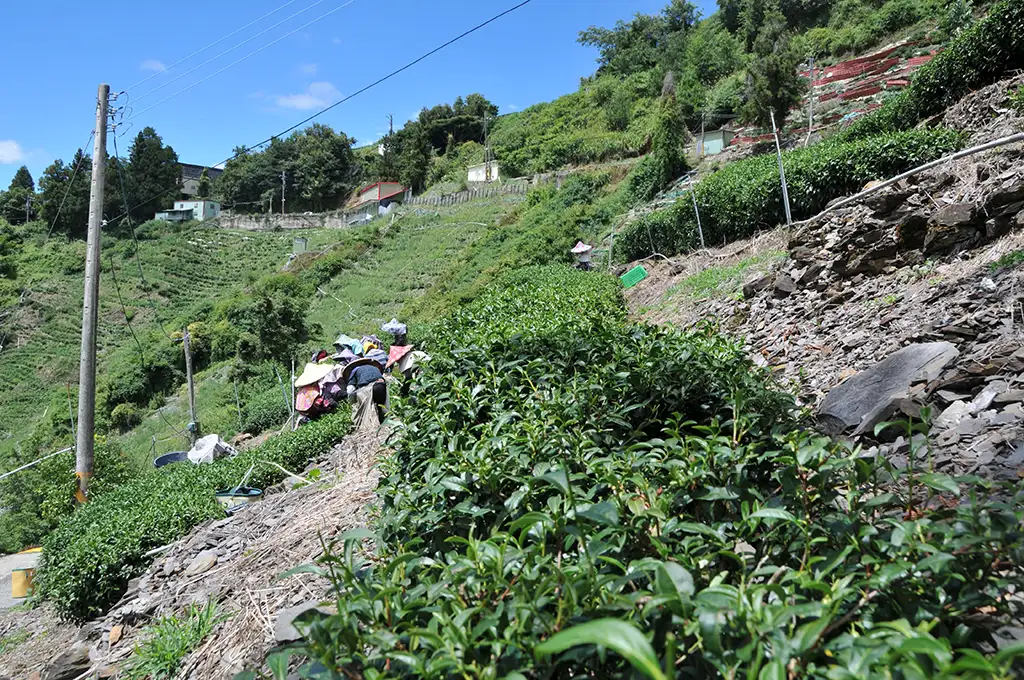
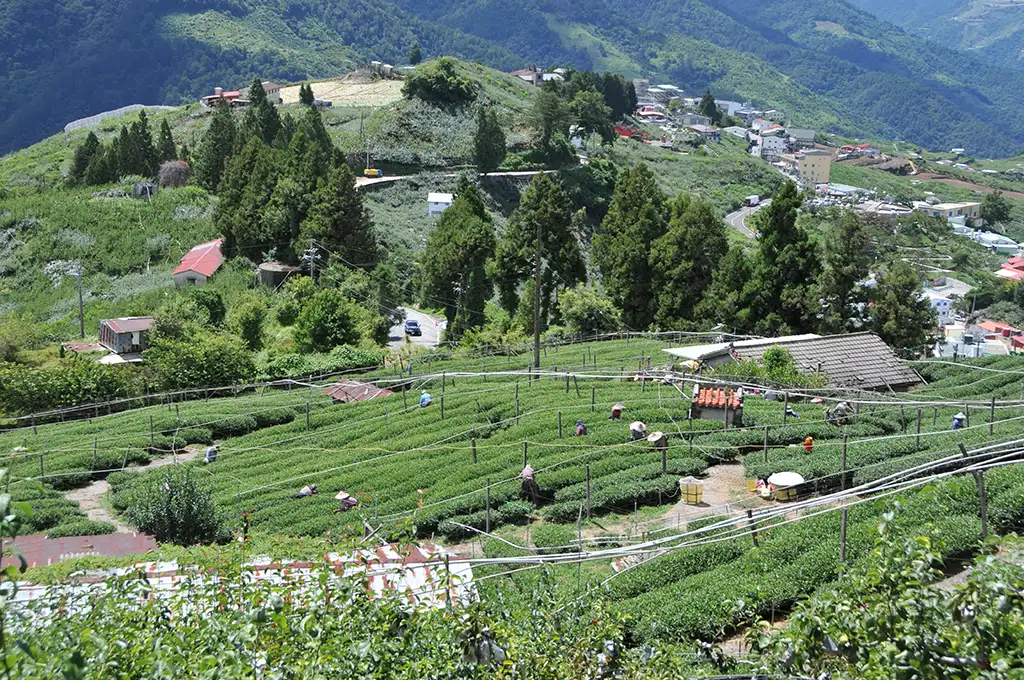
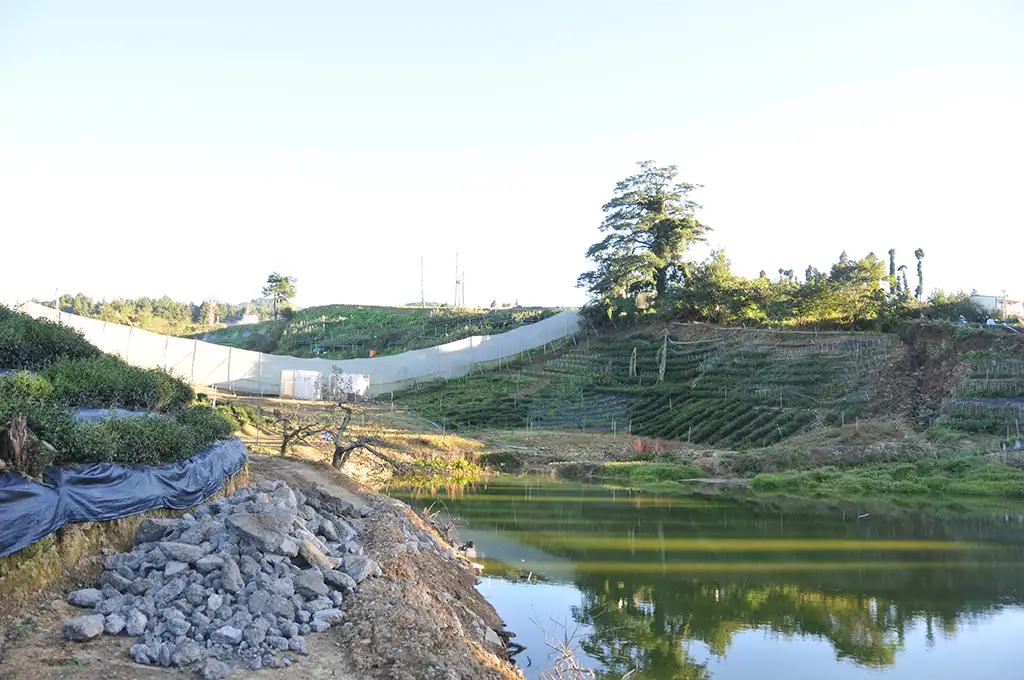
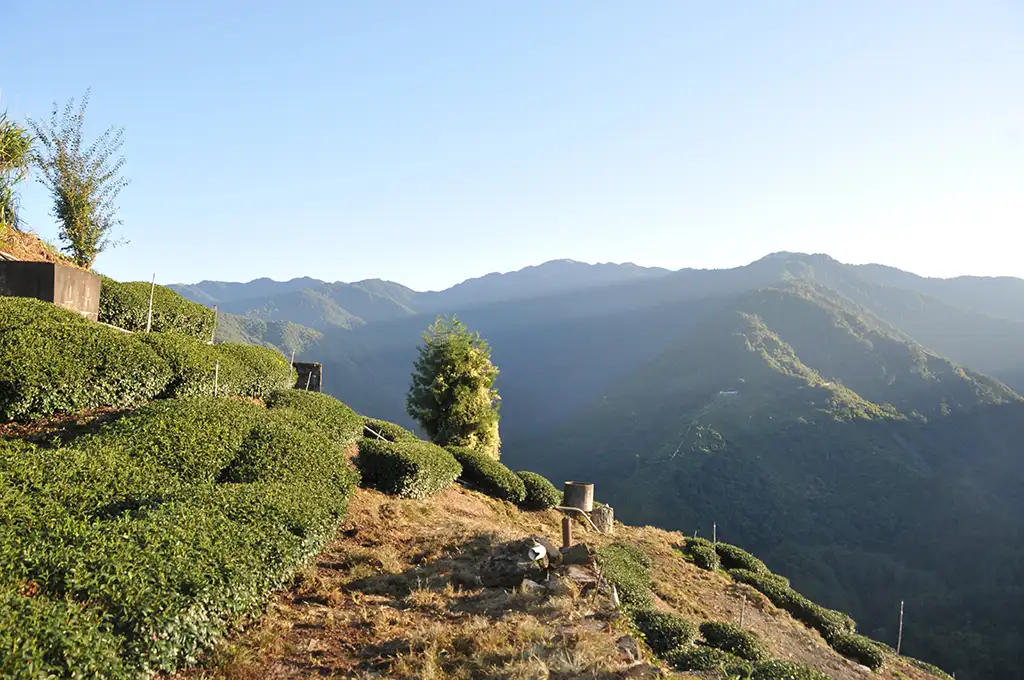
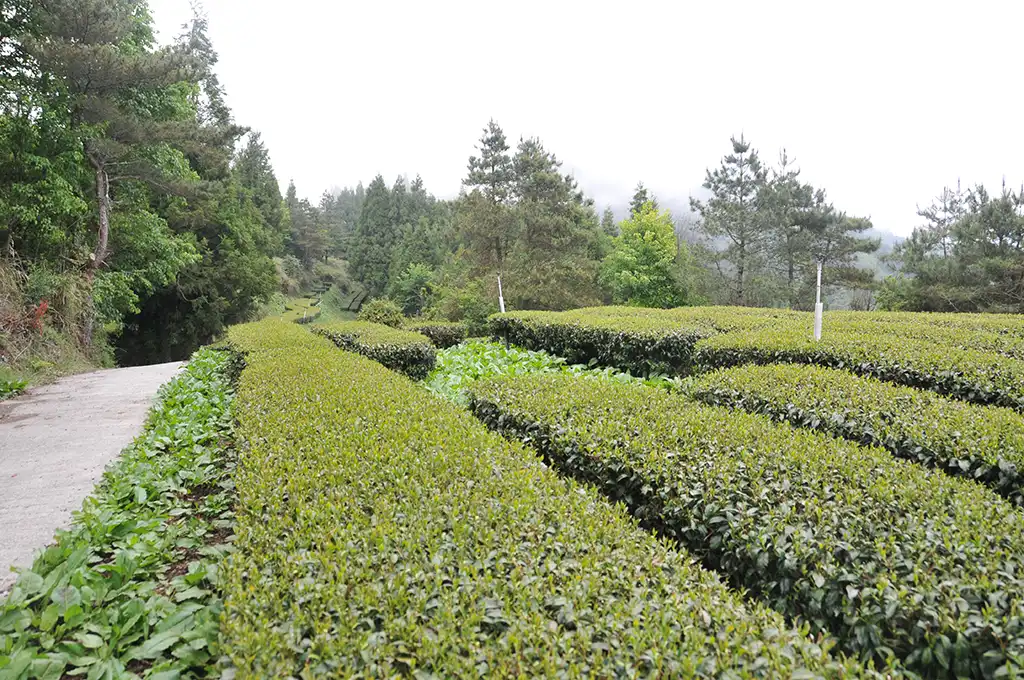
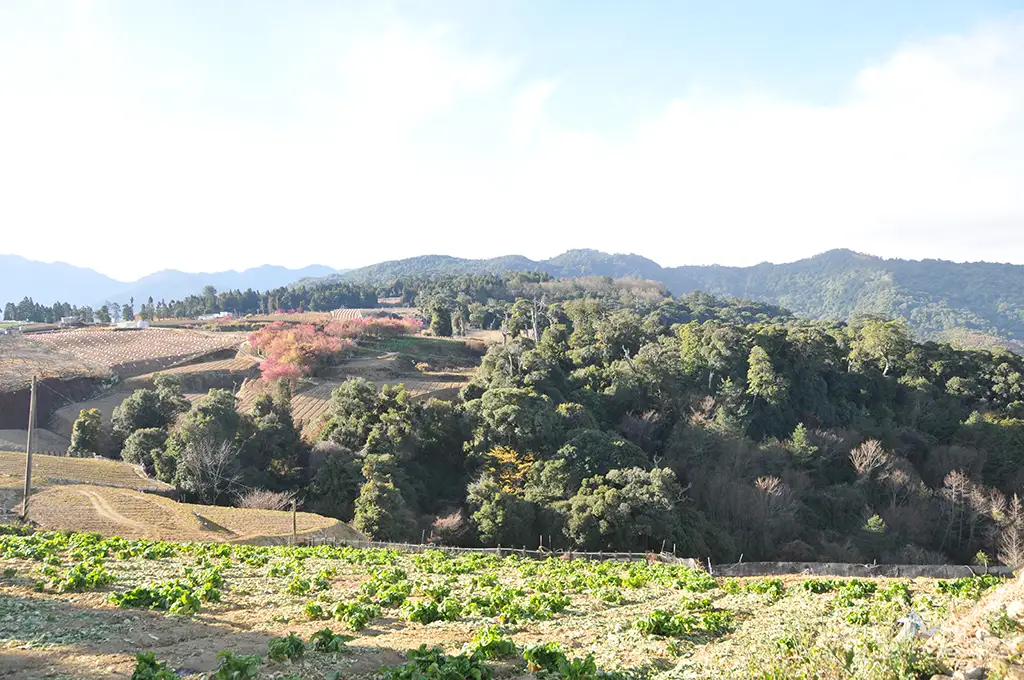
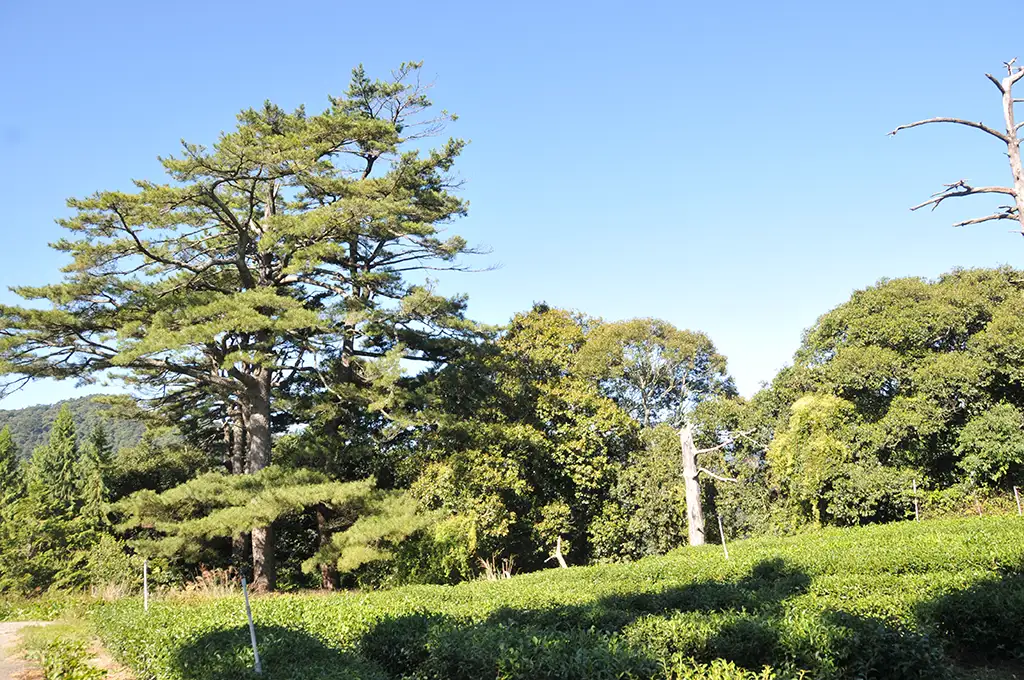
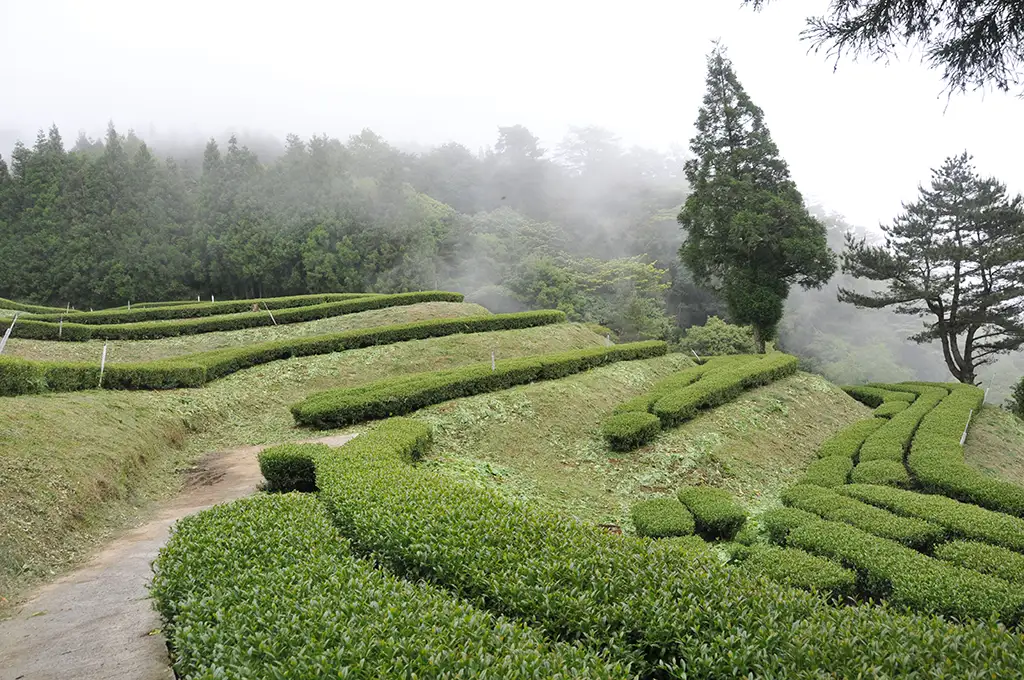
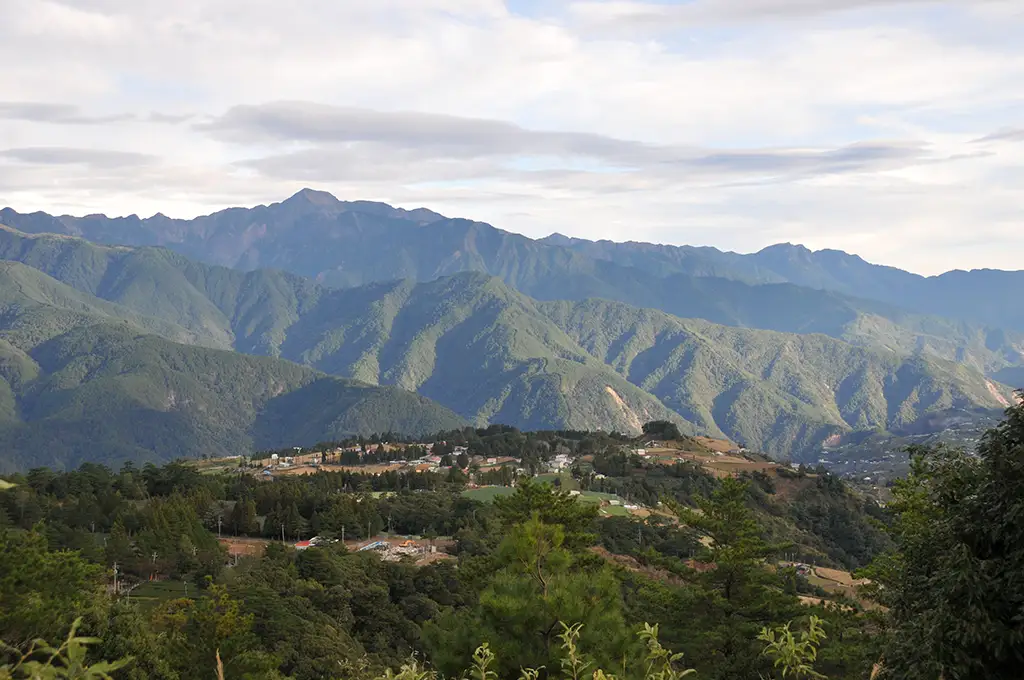
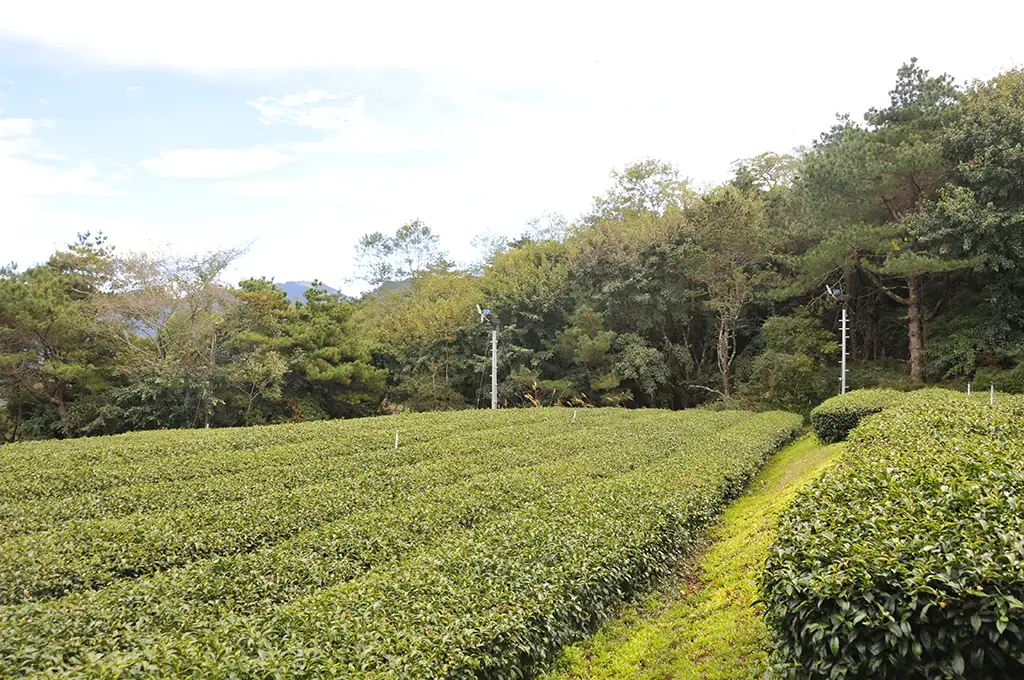
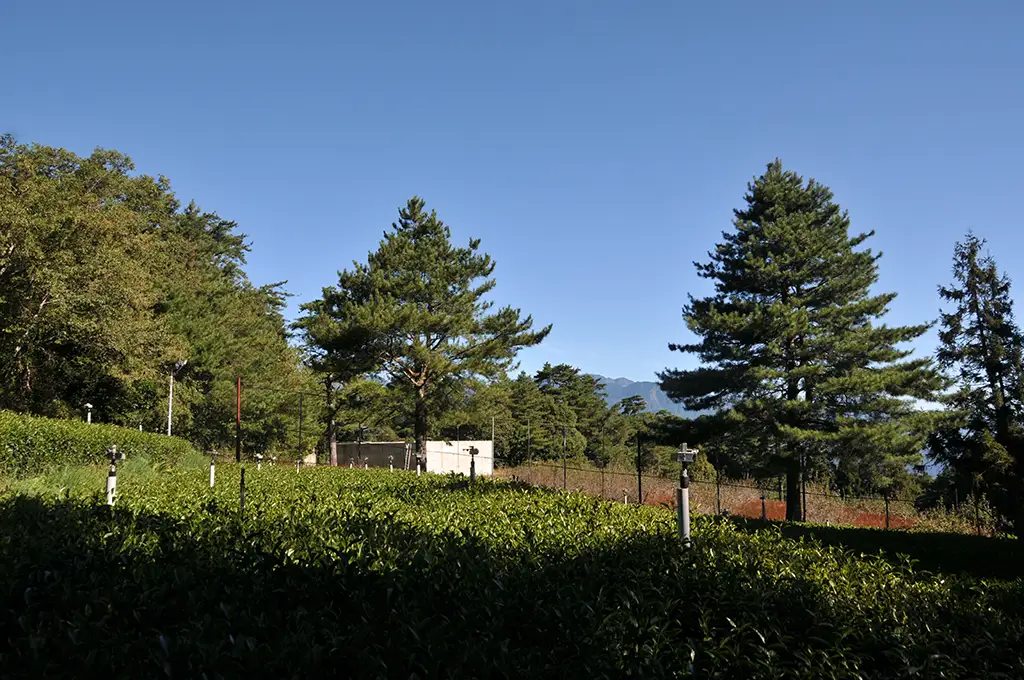
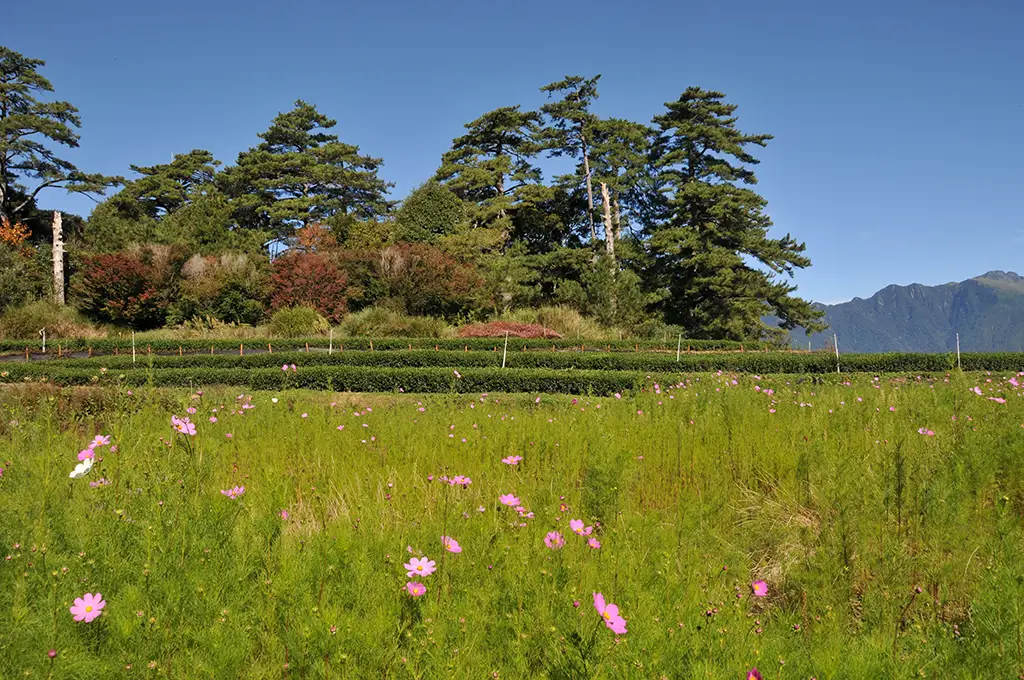
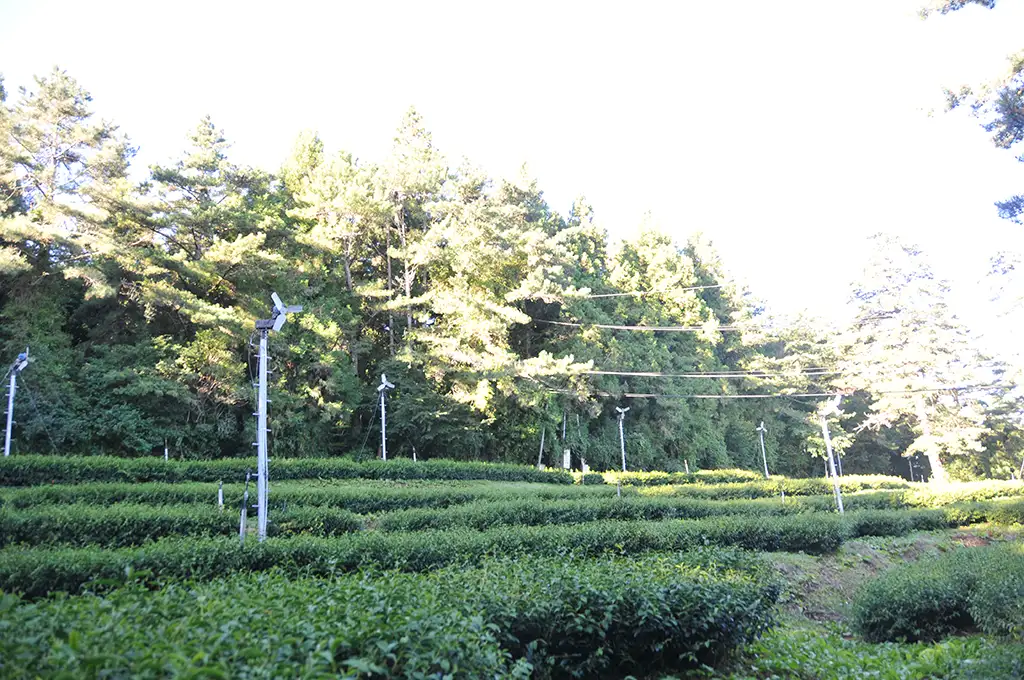
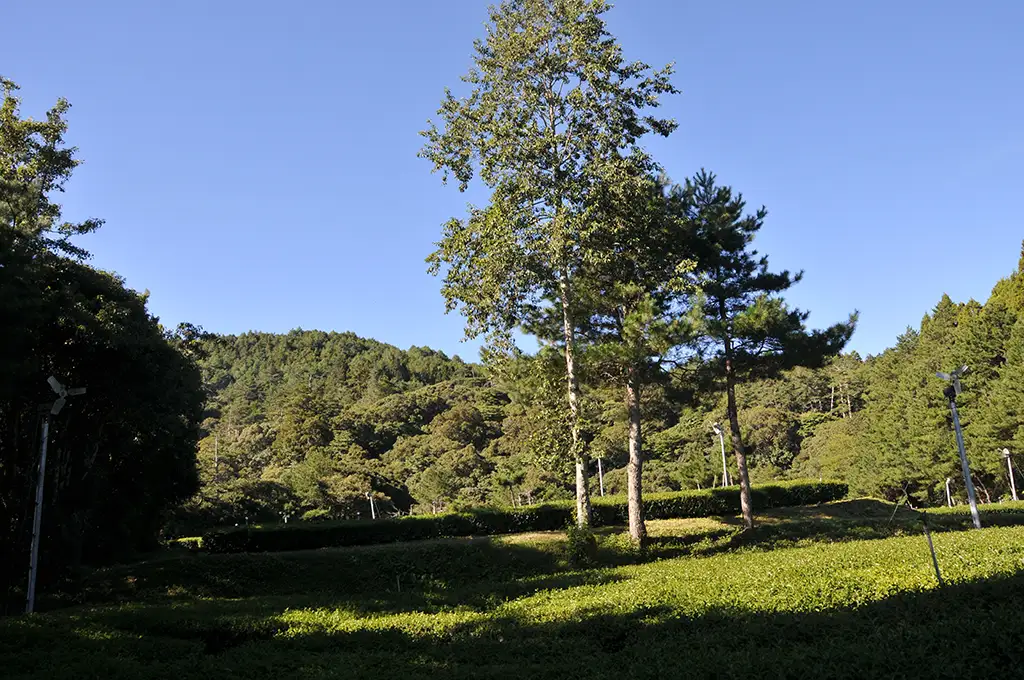
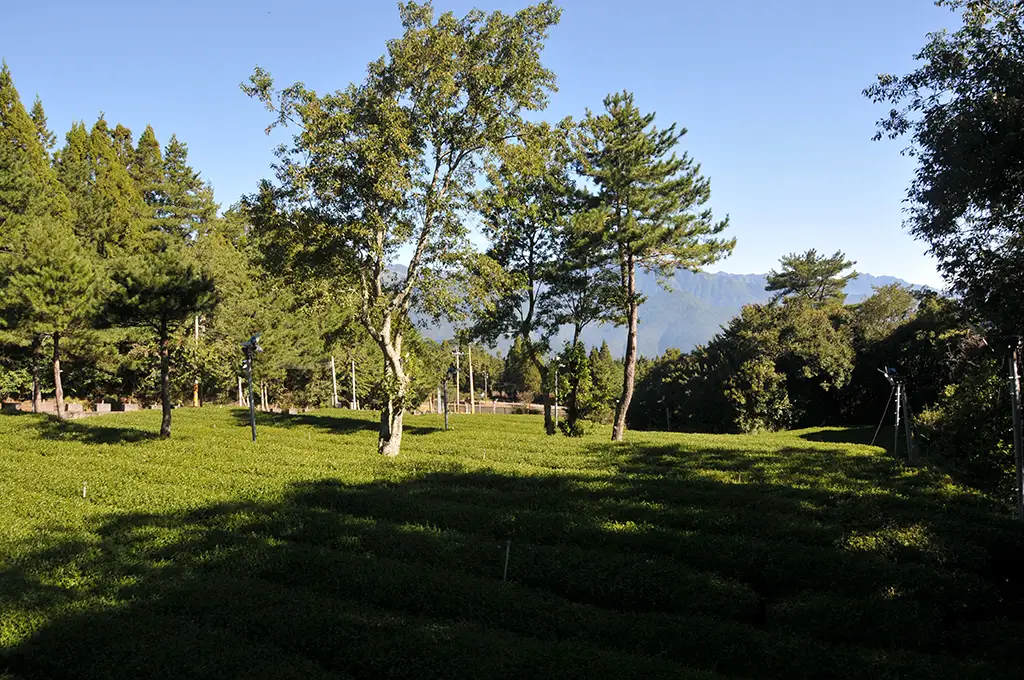
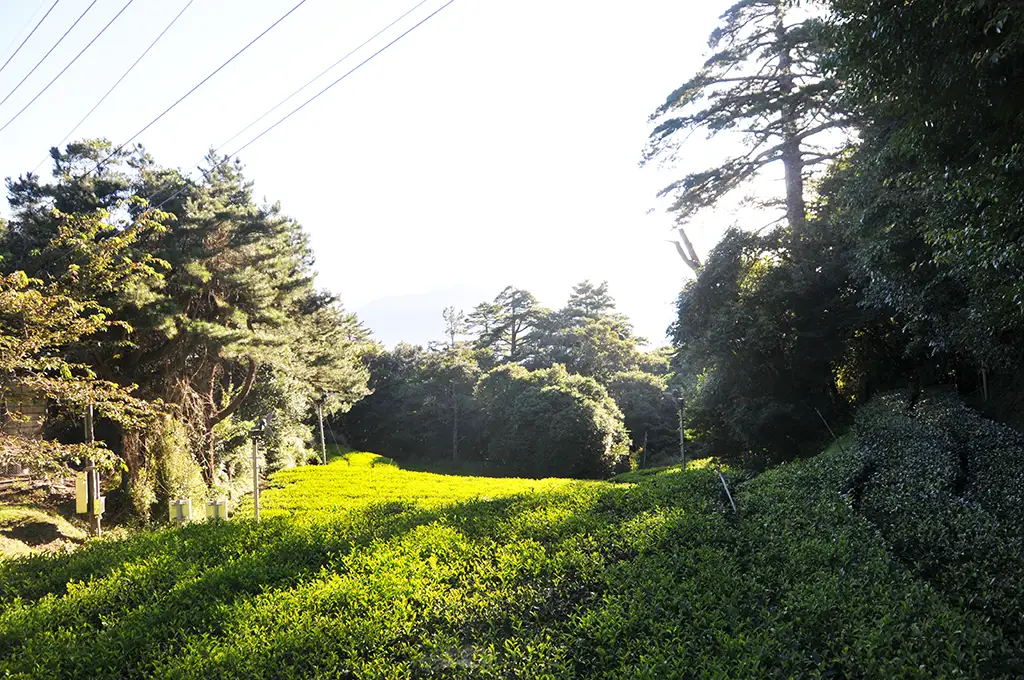
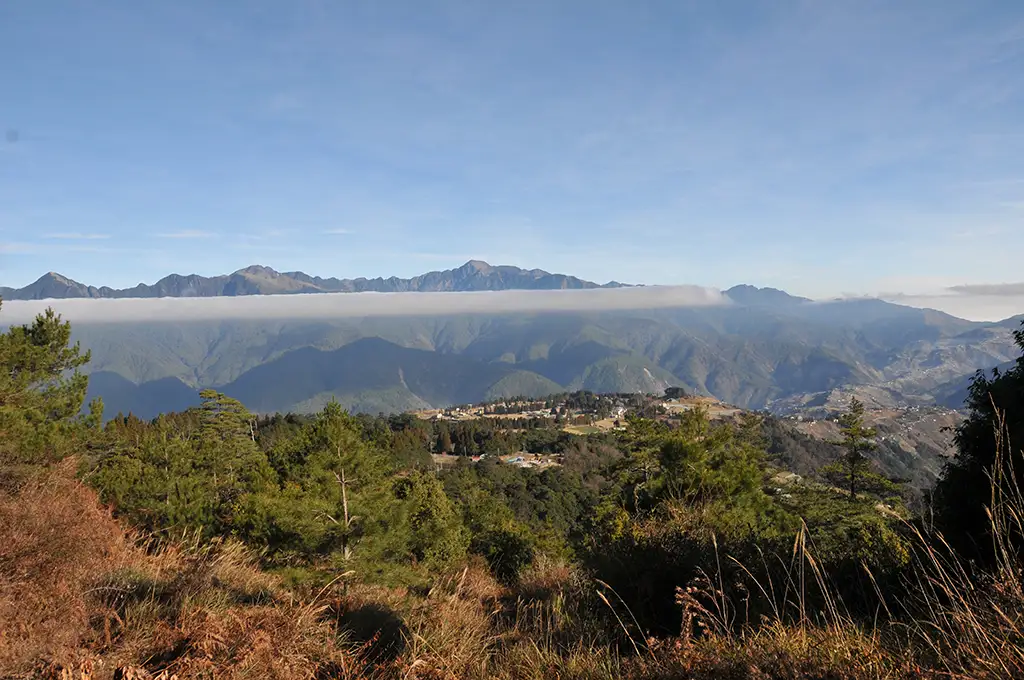
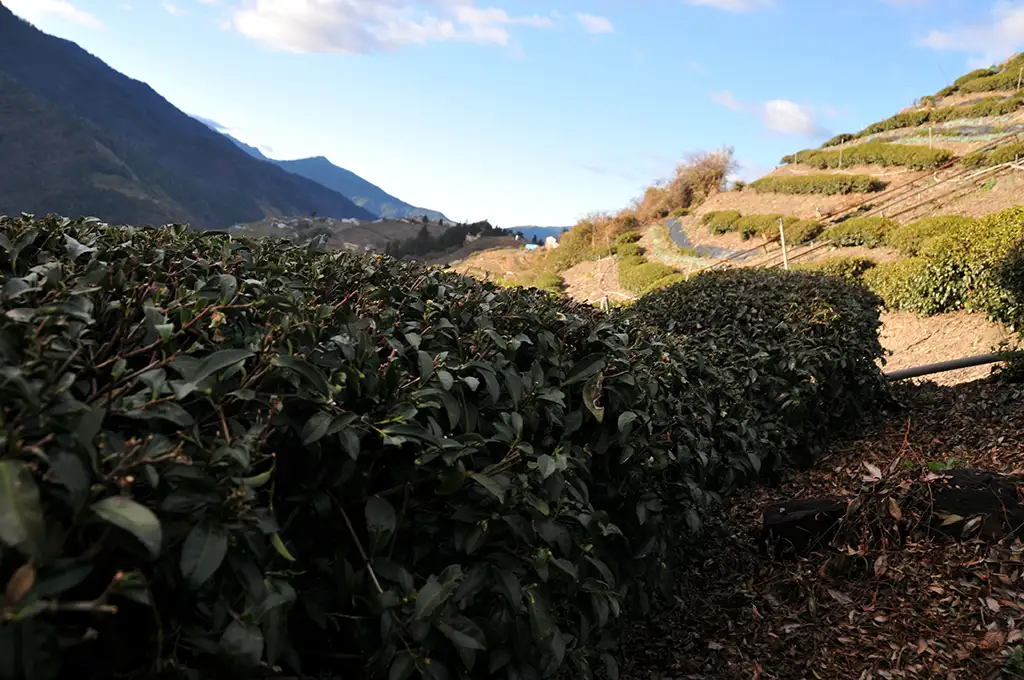
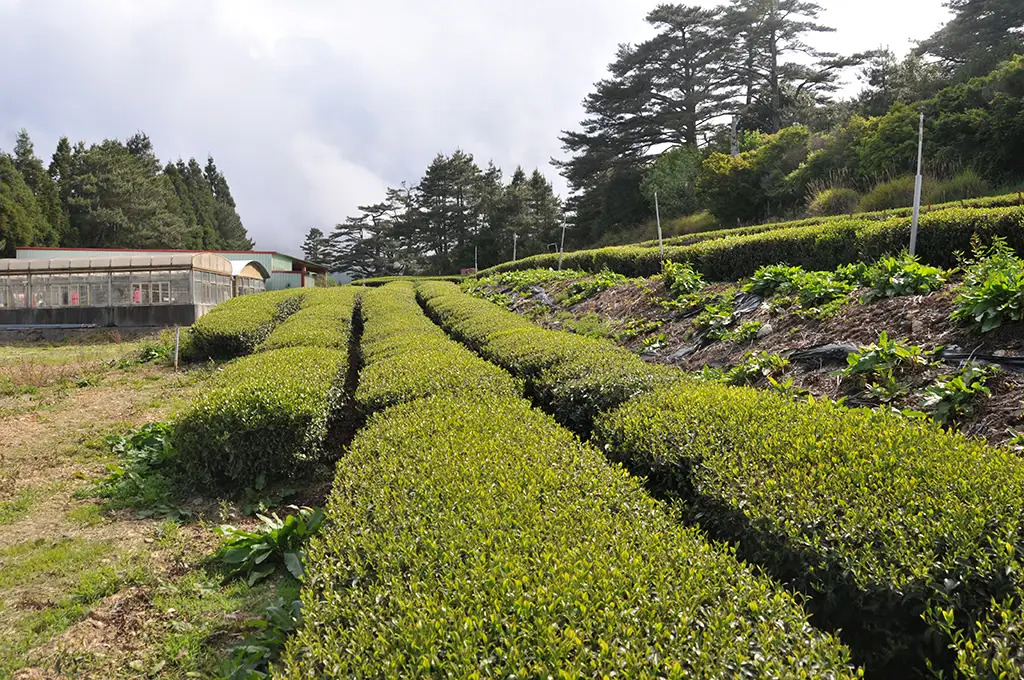
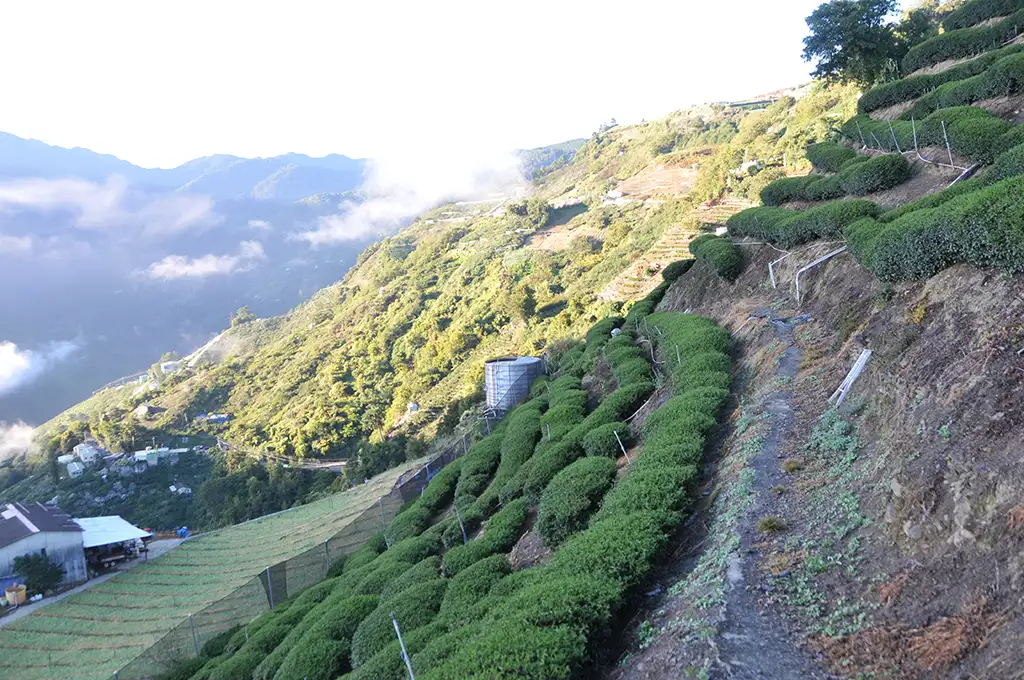
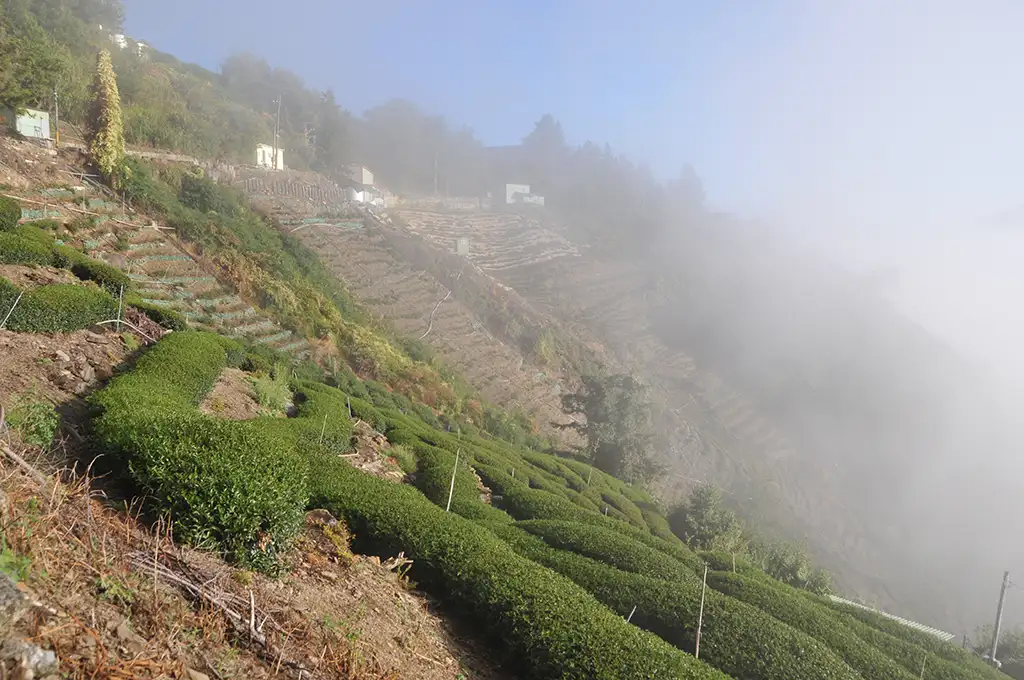
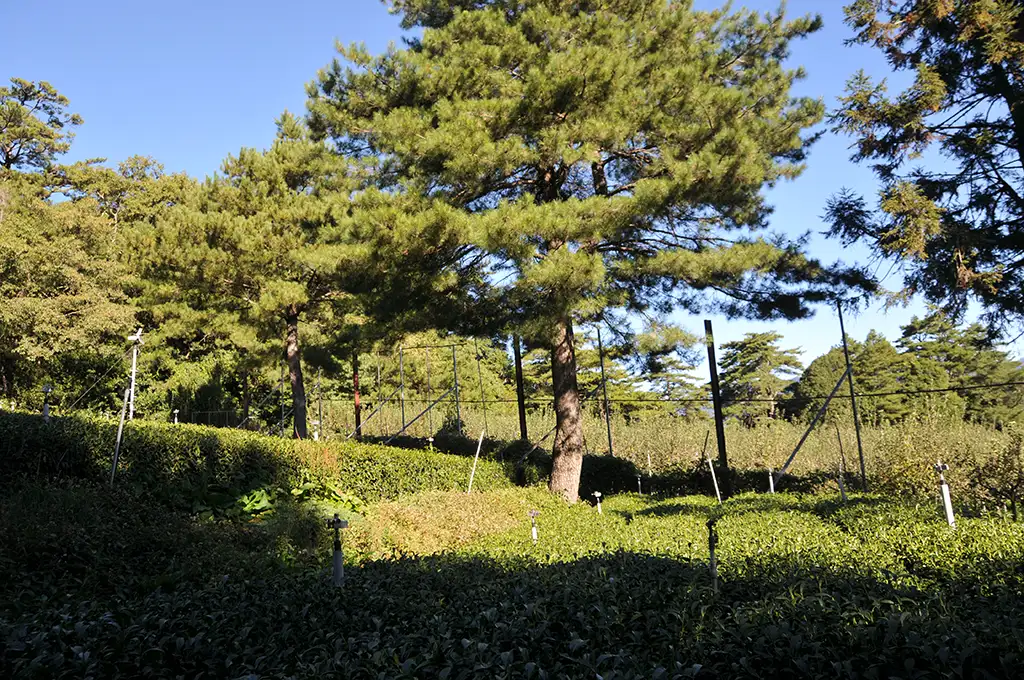
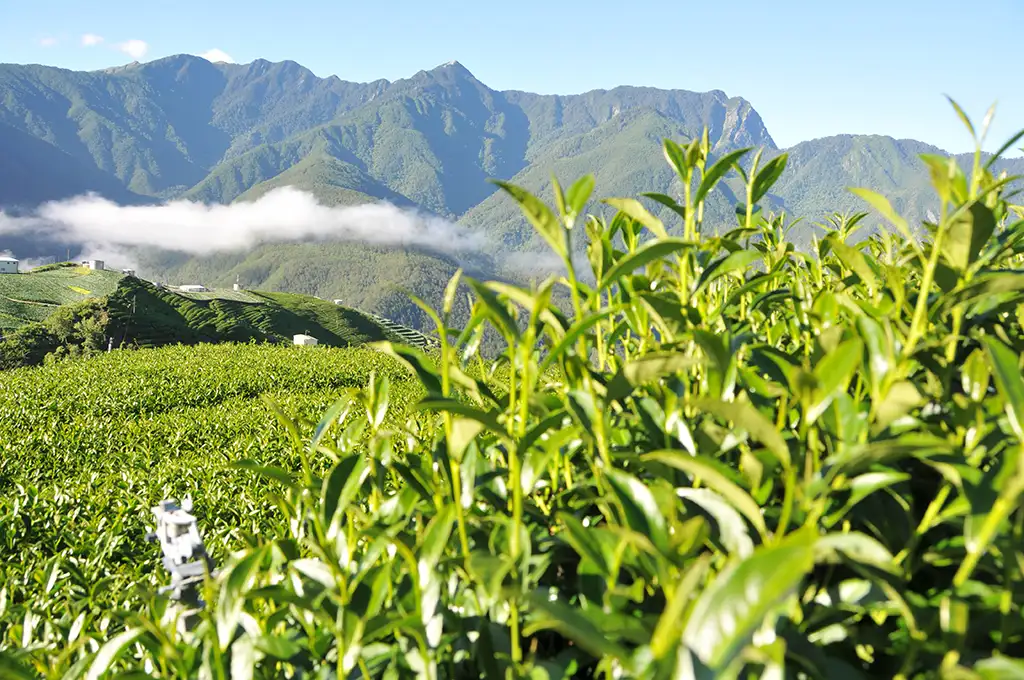
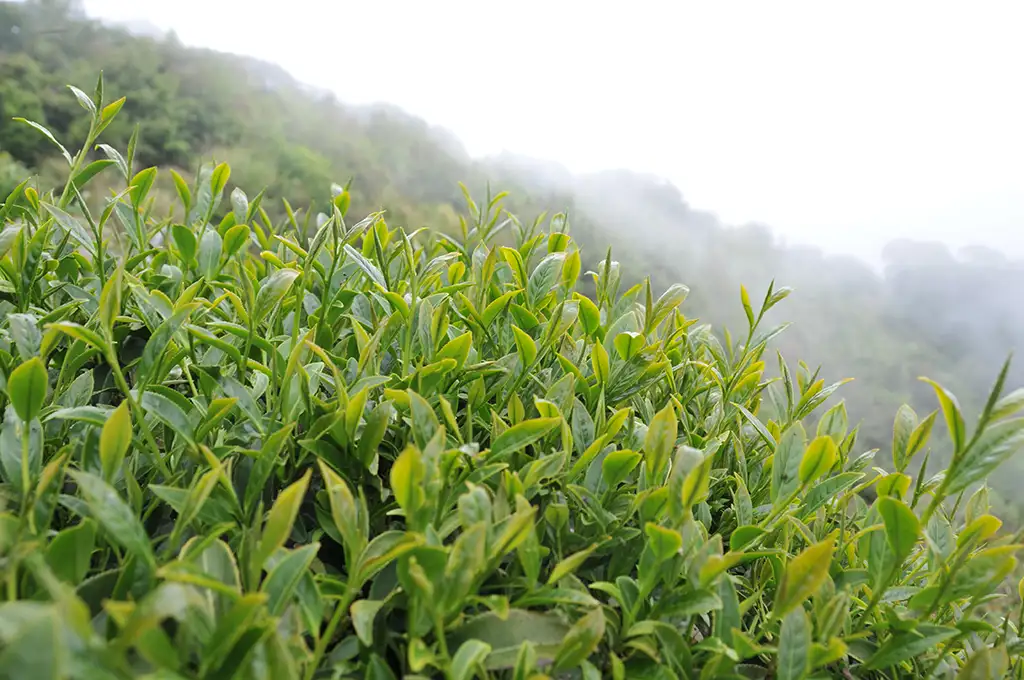
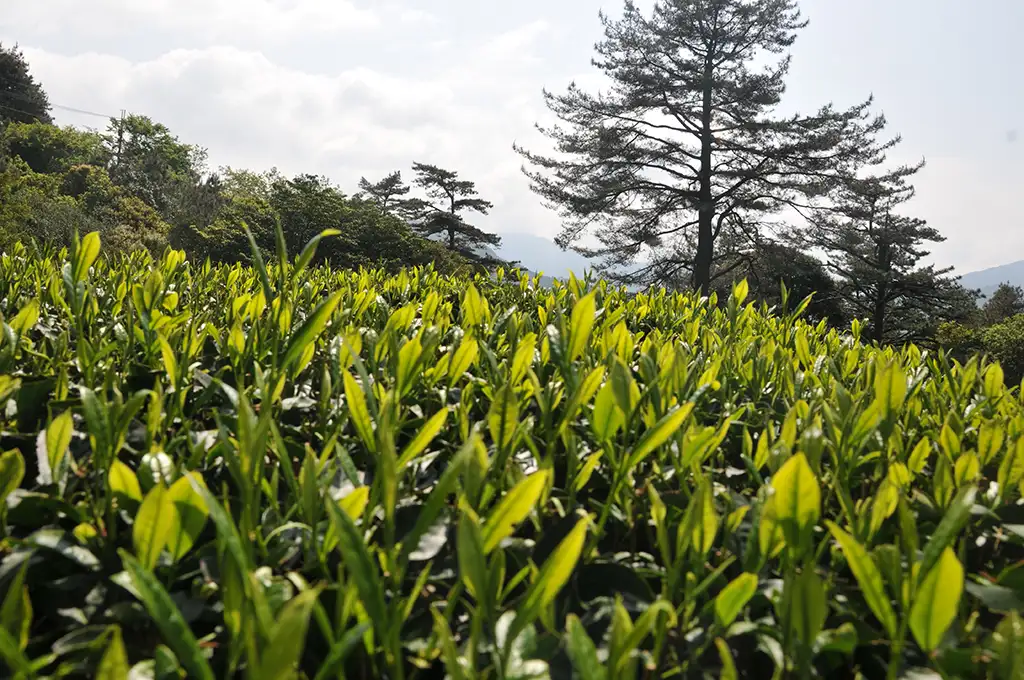
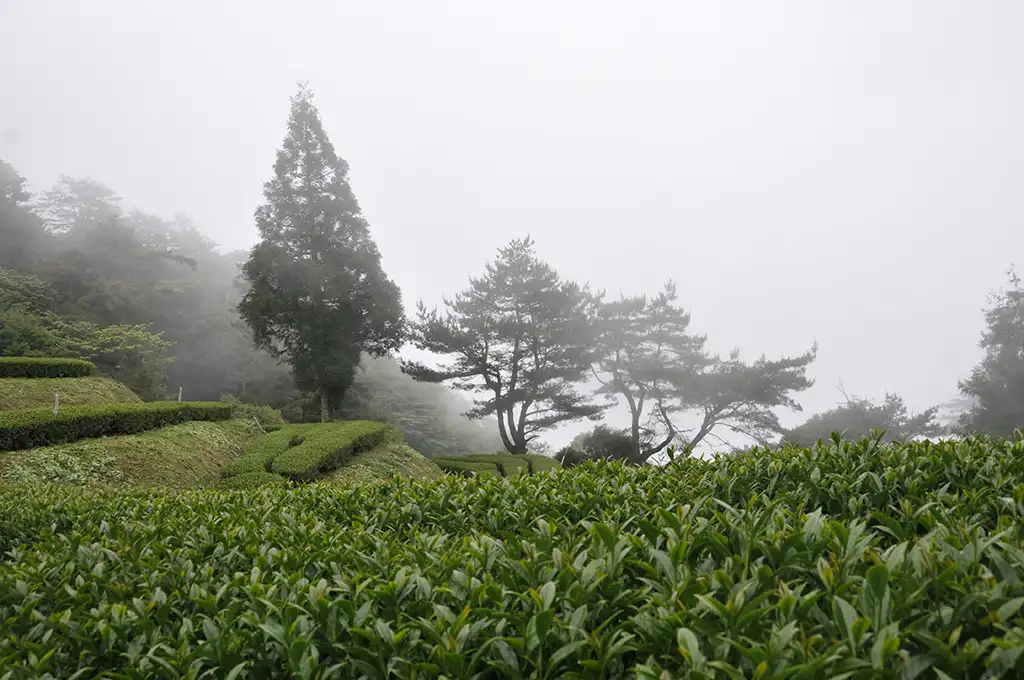
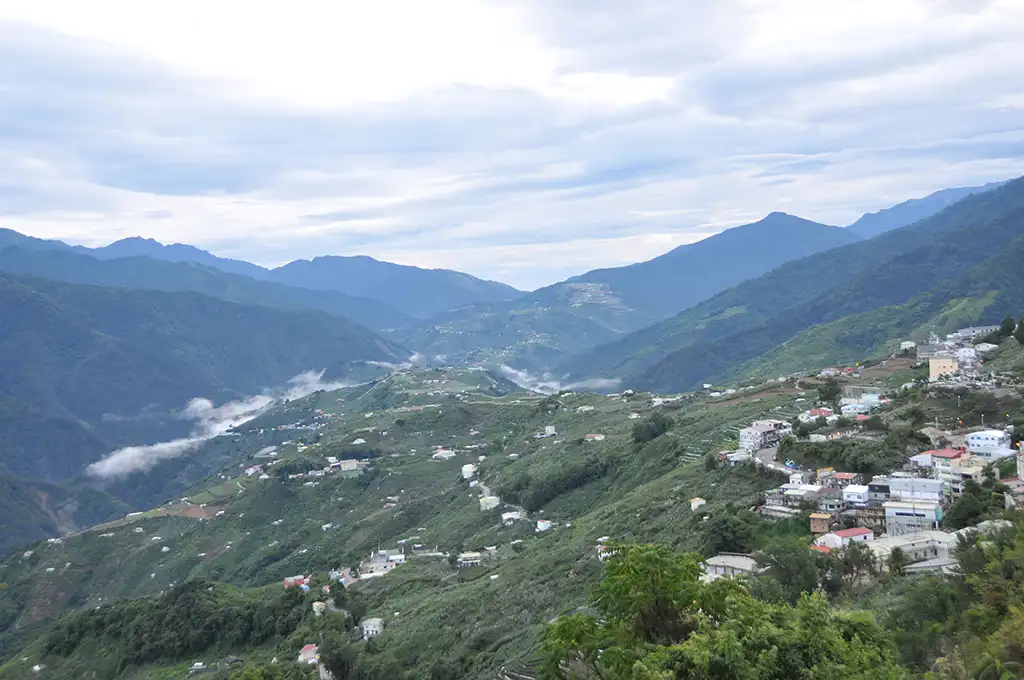
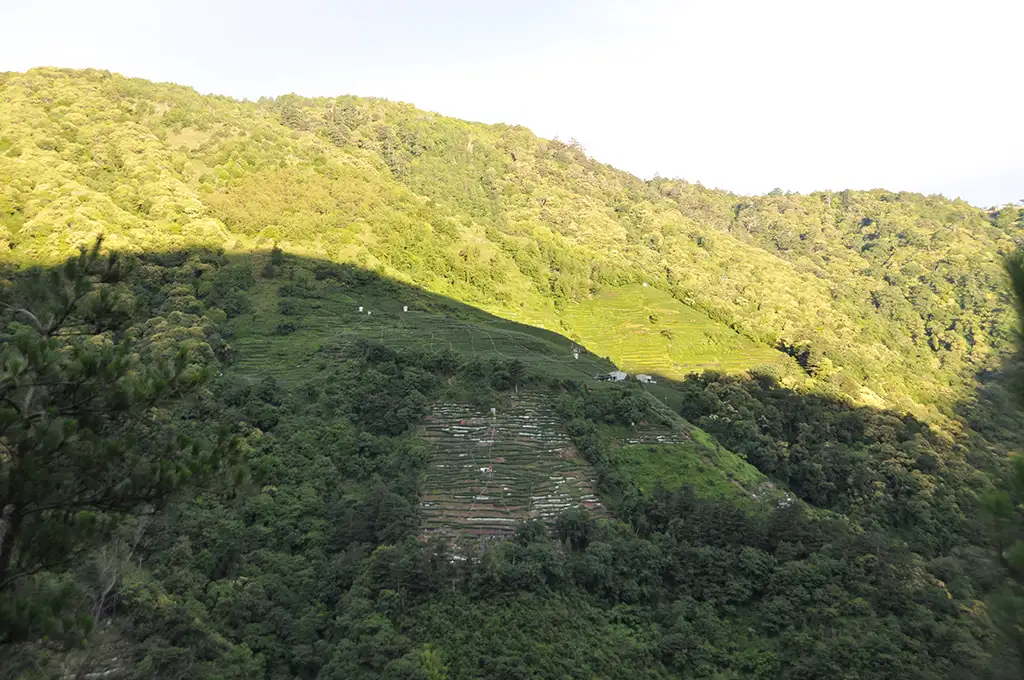
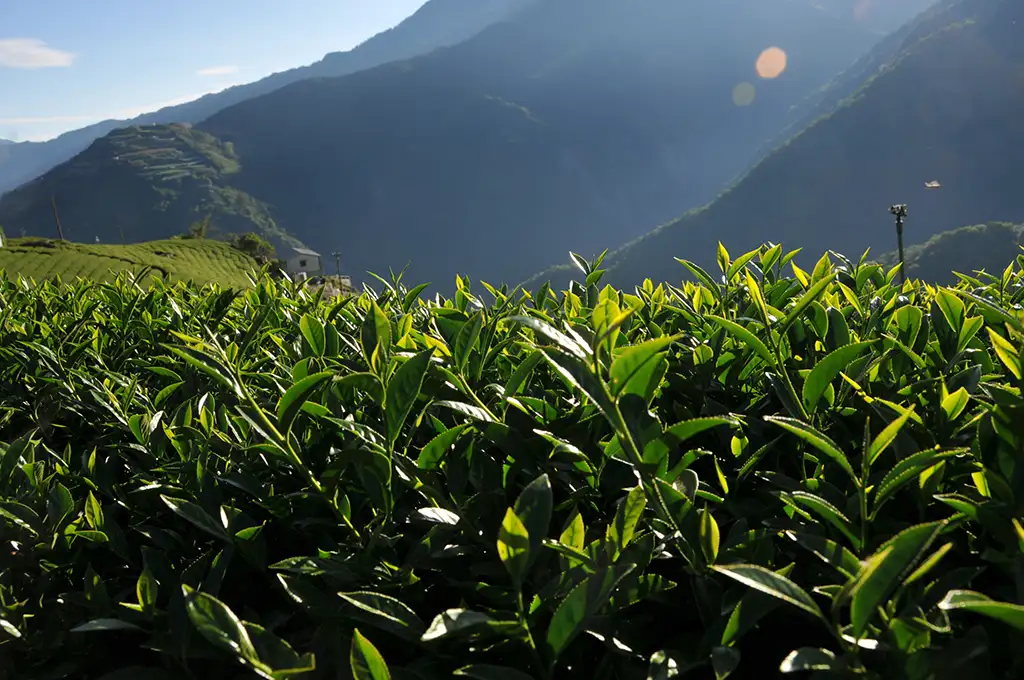
Lishan tea garden photo
Lishan Tea Q&A
Where is the highest tea garden in Lishan?
The HuaGung water source area is currently the highest, located about 2 kilometers from the HuaGung roundabout toward the Hehuansxi Trail. The highest altitude reaches 2,520 meters.
Where is the Lishan Tianchi Tea Region?
Tianchi has only one tea garden, which belongs to Fushoushan Farm. The Tianchi tea garden is also Fushoushan Farm’s highest altitude tea garden, reaching an elevation of 2,490 meters.
Which sub-region produces the best quality tea?
There is no single region that is definitively the best; harvesting weather and tea garden management are the biggest keys to tea quality.
Which Lishan tea region has the highest production?
Xinjiayang Tribe and Cuiluan Tribe are the top two producing regions, though there are no official statistics on which produces more. As a side note, production around HuaGung and Fushoushan is quite limited.
Where are Lishan District 5 and Lishan District 4?
In HuaGung, the correct terms are HuaGung District 4 and HuaGung District 5. Both areas have low production volumes, at altitudes ranging from 1,800 to 2,200 meters.
When did tea cultivation first start in Lishan?
Fushoushan Farm began planting tea in 1980 (the 69th year of the Republic), which sparked the trend of tea cultivation in Lishan and Ren’ai Township.