Cuiluan Tea Region: Cuiluan Tea Grown at an Altitude of 2,050 Meters

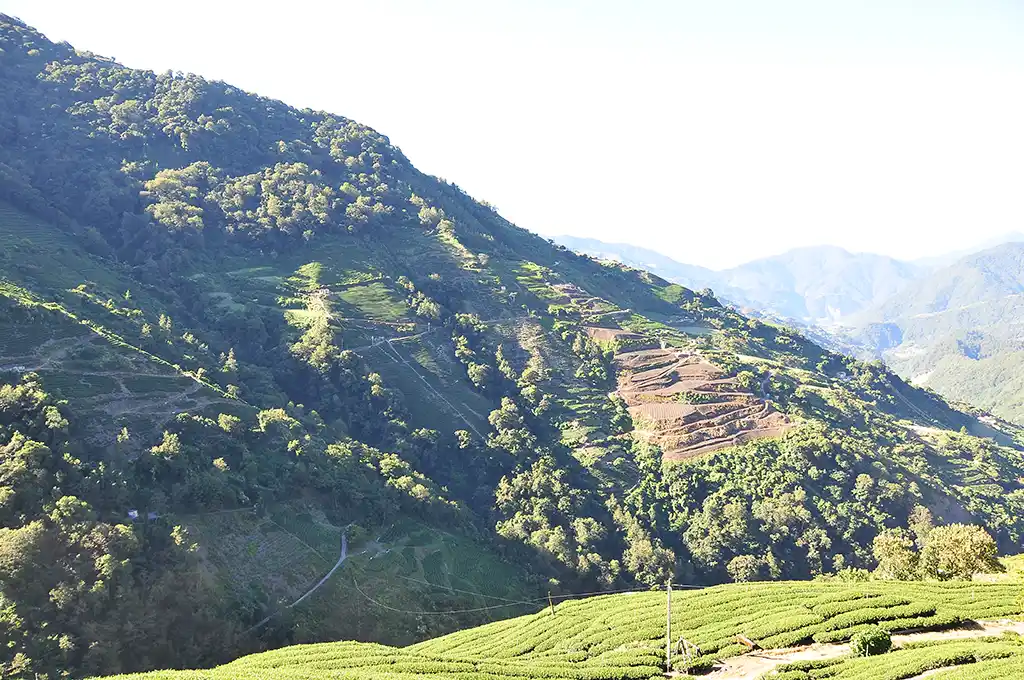
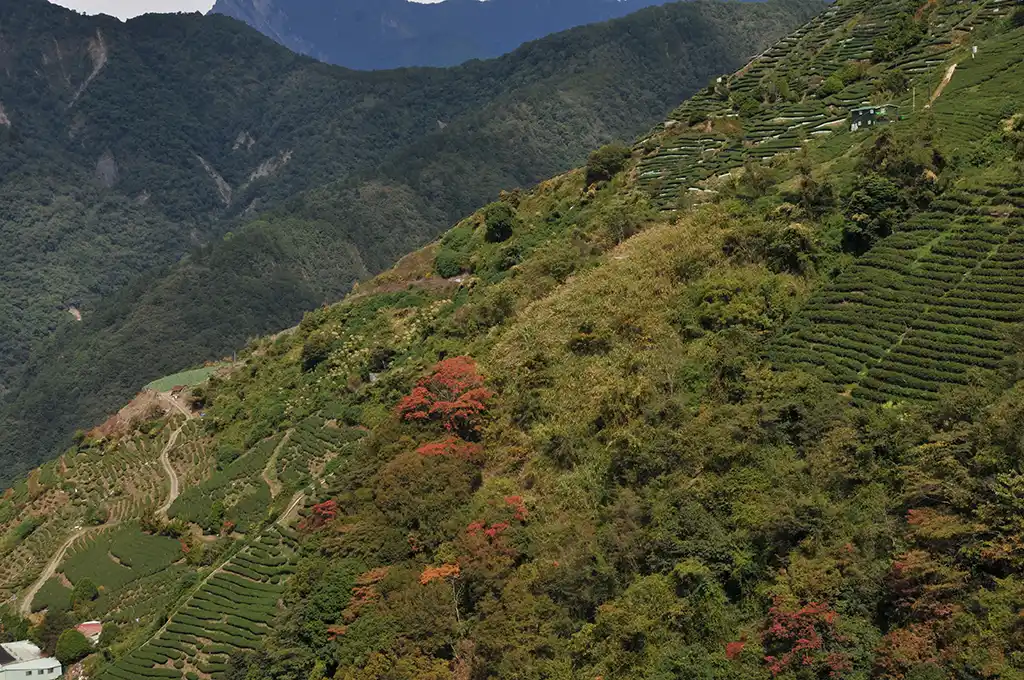
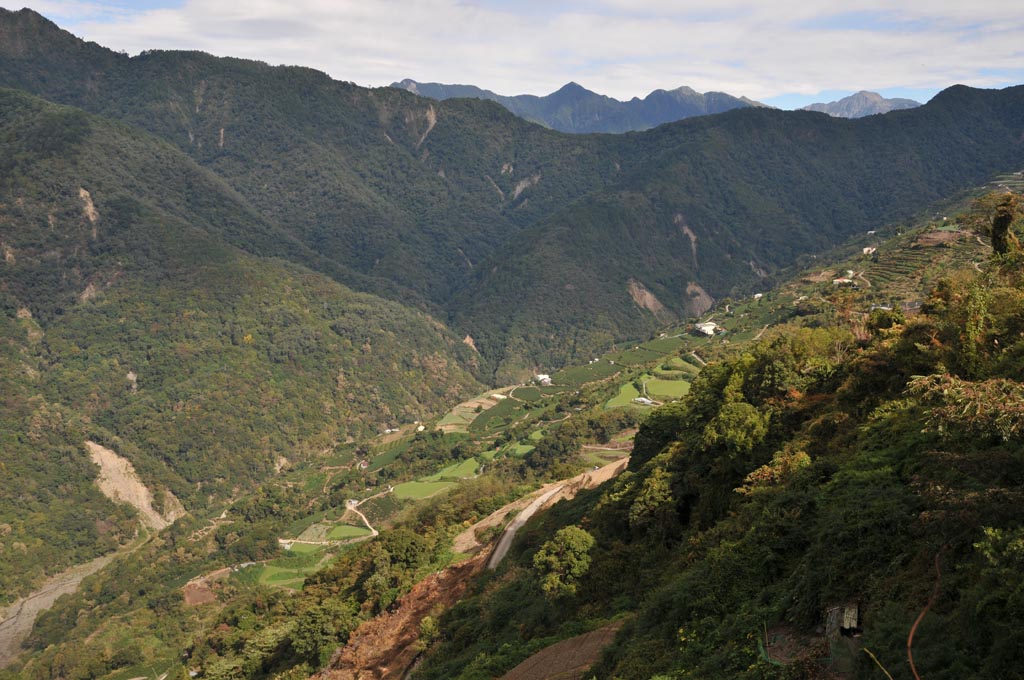
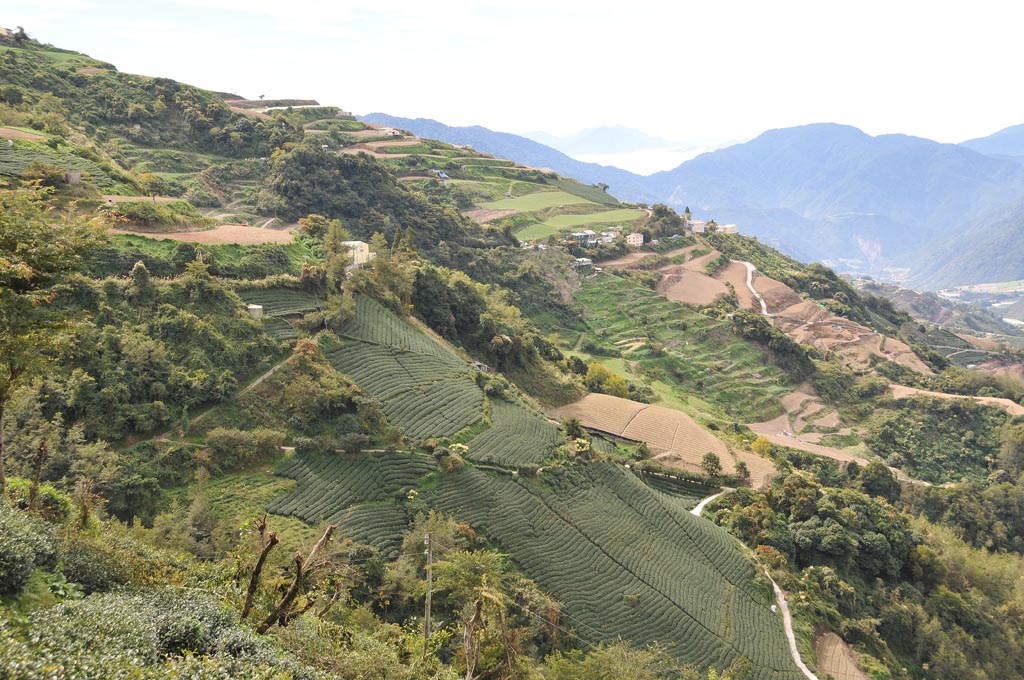
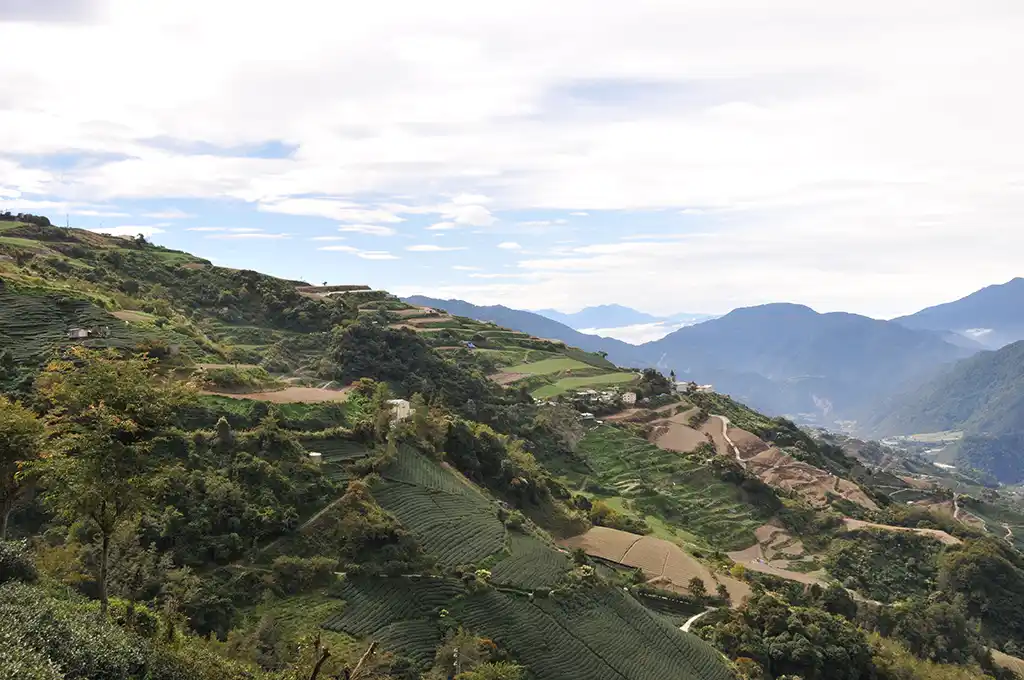
Cuiluan tea region is located in Ren’ai Township, Nantou. Centered around Cuiluan Village, the area is mainly divided into Northern and Southern Cuiluan. The tea gardens stretch along Cuiluan Industrial Road and Lixing Industrial Road, adjacent to HuaGung and Malieba tea districts, at altitudes between 1,400 and 2,050 meters.

Cuiluan Tea Region

Table of Contents

Cuiluan Tea Region Altitude Ranges from 1,400 to 2,050 Meters

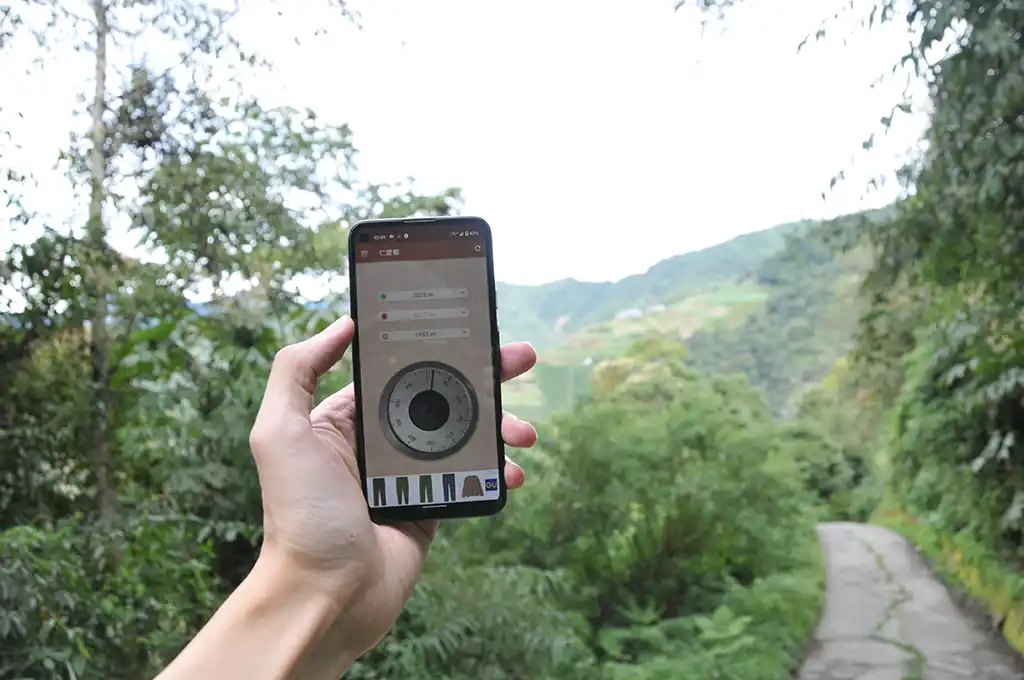
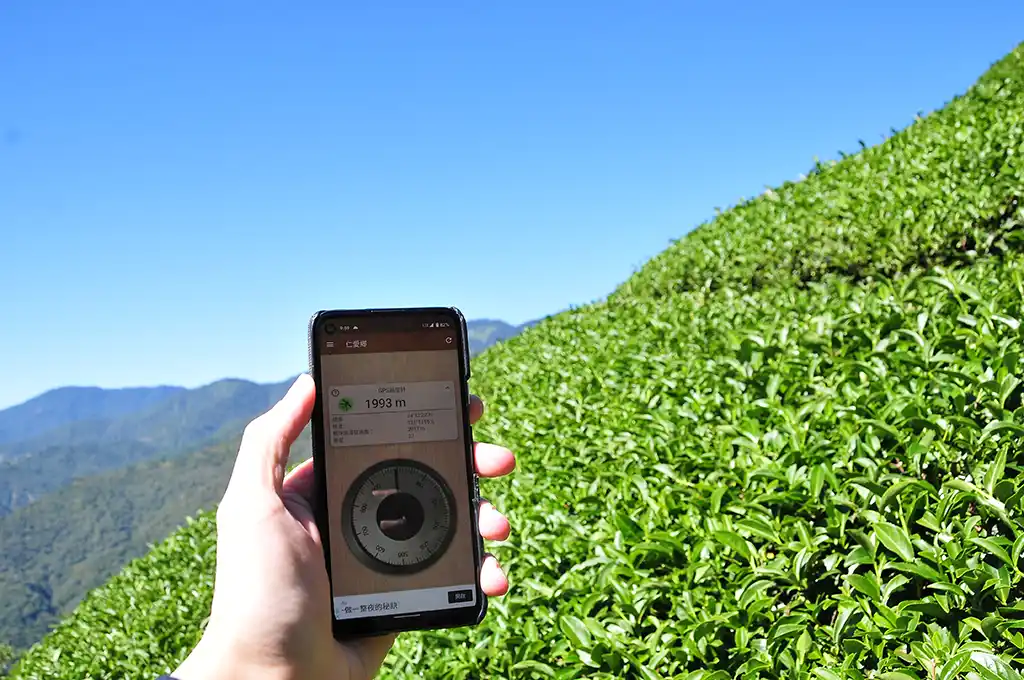
Centered on Cuiluan Village, the section of Cuiluan Industrial Road heading towards Sinjiayang is known as Northern Cuiluan, sitting at altitudes between 1,600 and 2,050 meters. Cuiluan Road and the southern stretch of Lixing Industrial Road make up Southern Cuiluan, ranging from 1,400 to 1,800 meters. Cuiluan Village itself is about 1,600 meters above sea level. Below is the altitude measured via a mobile app (prior to reaching the highest point). Northern Cuiluan slightly exceeds 2,050 meters in altitude.

Cuiluan North Line altitude

Characteristics and Advantages of Cuiluan Tea

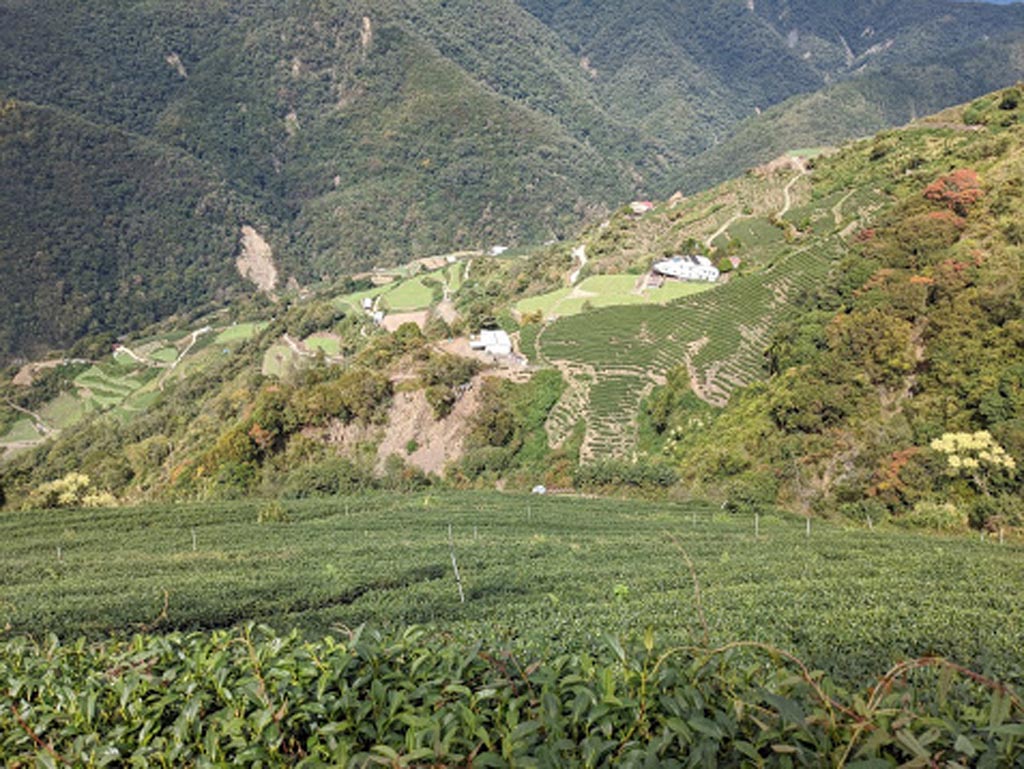
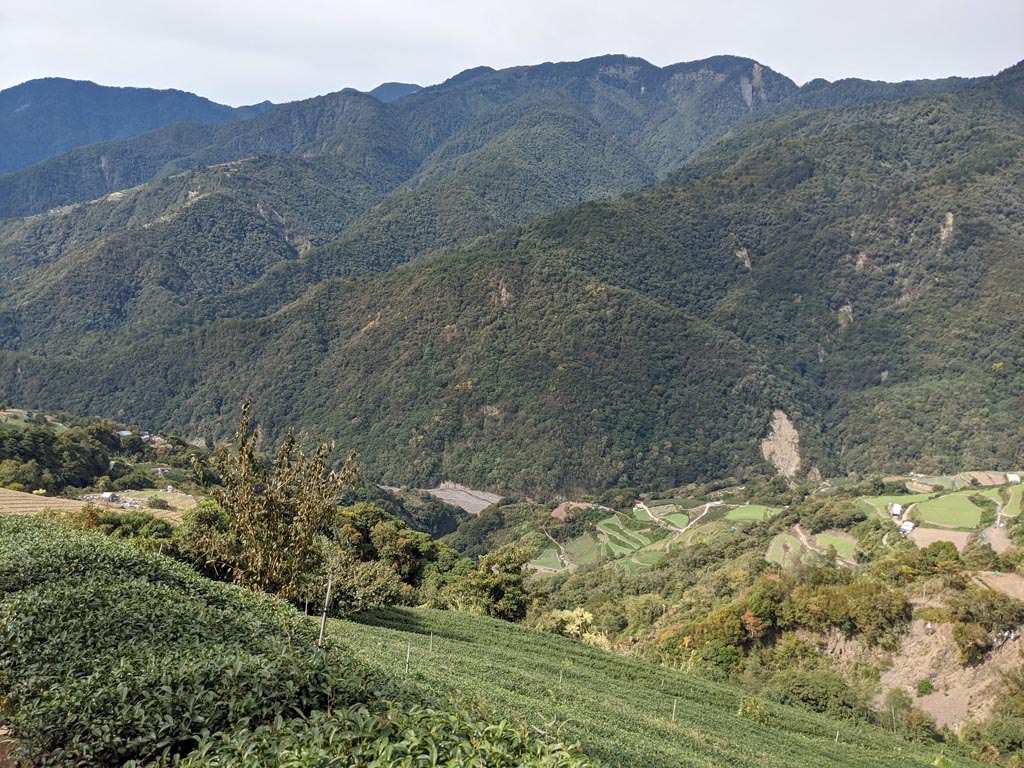
The tea gardens are primarily cultivated along the Ruidan River, offering an excellent environment. Combined with the advantage of newer plantations, the shop manager believes its potential for producing exceptional tea rivals the Cuifeng tea region. While it may not reach the heights of HuaGung (which tops out at 2,500 meters), its much larger yield makes it easier to find standout teas. (As a side note, a significant portion of Cuiluan tea is transported to HuaGung for post-processing.)

Many people think Northern Cuiluan is superior to Southern Cuiluan, but the manager finds little difference—the flavor profiles are quite similar. Quality mainly comes down to weather, garden management, and altitude. Do note that some tea gardens sit closer to the river at lower elevations; there is naturally a noticeable quality gap between Cuiluan teas grown at 1,400 meters versus 2,050 meters.

Disadvantages of Cuiluan Tea

  • High production costs: Annual rental for a 1-hectare tea garden runs NT$200,000 to NT$400,000. Coupled with difficult transport logistics, Cuiluan tea is far from cheap.
  • Huge quality variance: Processing methods, estate management, and elevation vary wildly. Even within Cuiluan tea, the quality difference from one batch to another can be night and day.
  • Adjacent vegetable farms: The biggest issue with vegetable farms bordering tea estates is pesticide drift—a challenge shared across various Lishan tea districts.
  • Manager’s Review: Without a doubt, an exceptional tea region. Though pricey, it offers great value for money, with a high-grade yield rate comparable to the Cuifeng tea region. However, keep in mind that quality varies more significantly between lower- and higher-altitude plots.

    Cuiluan Tea Area FAQ

    Tea Varieties and Harvest Seasons in the Cuiluan Tea Area

    Spring tea is harvested in late April and early May. Winter tea is harvested in October. Autumn tea is harvested in August. The primary tea variety is Qingxin Oolong, crafted into lightly fermented high mountain oolong tea.

    What is the price of Cuiluan tea?

    Retail prices for Spring and Winter teas range from NT$2,500 to NT$3,600 per 600 g, with Winter tea tending to be slightly higher. Autumn tea is available at NT$2,000 per 600 g.

    Why is Cuiluan tea rarely found on the market?

    It is mostly sold under the name of HuaGung tea or directly marketed as Lishan tea, as Cuiluan has a lower profile.

    How to get there?

    It is faster coming from Lishan. Navigate to Cuiluan Church. Traveling from Cingjing to Cuiluan requires taking the Lixing Industrial Road, where road conditions can be challenging.

    Shopping Cart