Lushan Tea Region: Lushan Tea at an Altitude of 1,750 Meters

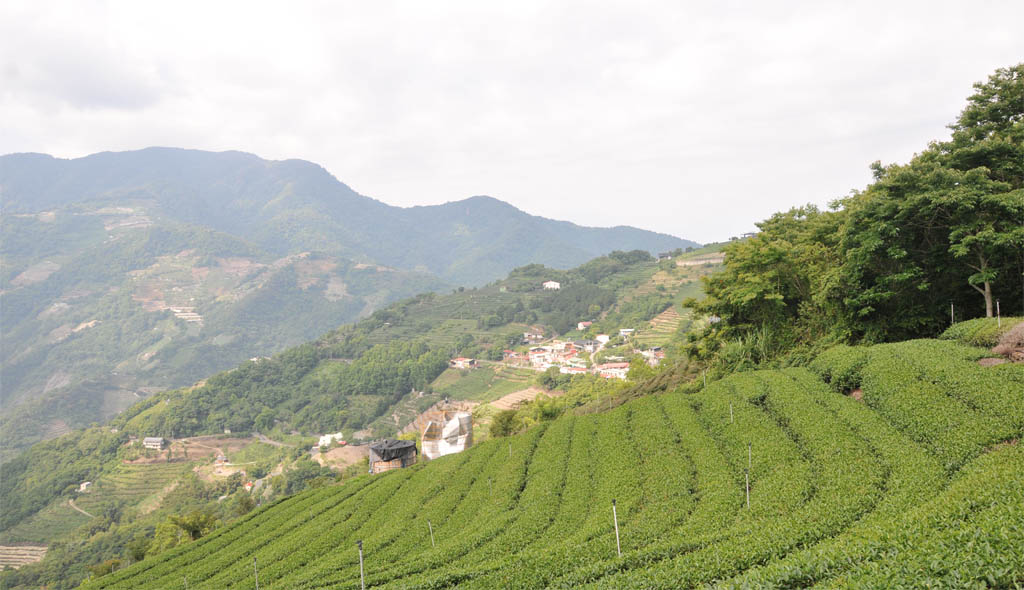
I would rank Lushan among the top five “hardest-to-reach tea regions.” The first time I went there and asked a tea-farming friend for directions, I got answers like “it’s right next to Cingjing Farm” and “you’ll see it after passing Wushe.” Once I arrived, I realized it should have been “next to Cingjing Farm (that mountain)” and “you’ll see it after passing Wushe (that mountain).” ▼ Lushan’s tea plantations are mainly distributed in two areas: beside Lushan Hot Spring and in the Lushan Tribe. The mountain opposite the tribe (the one on the left in the photo) is the Lushan Hot Spring tea region.
Lushan Tea Region

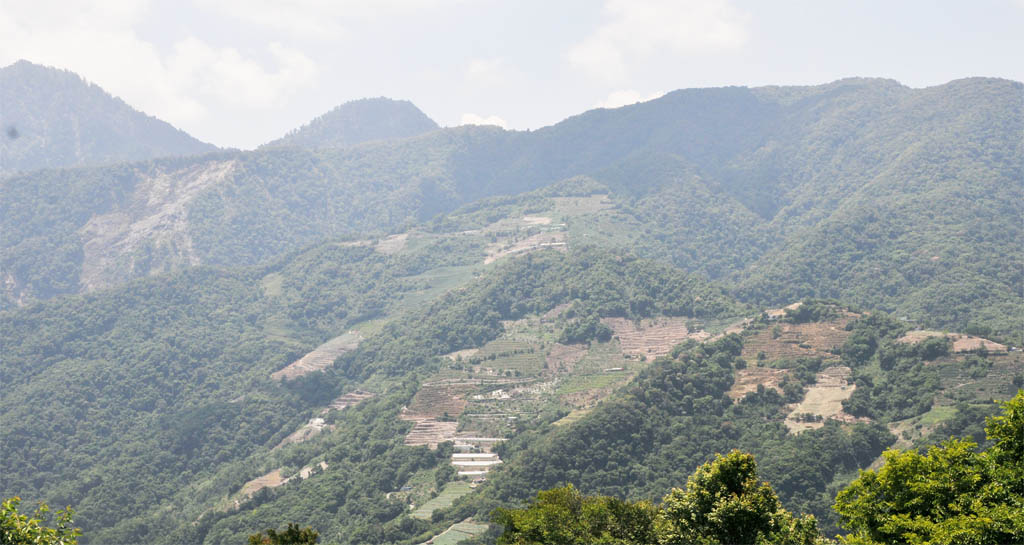
▼ The Lushan Tribe is in the middle of the photo. The mountain opposite the tribe (left side of the photo) is the Lushan Hot Spring tea region.

Lushan Tea Region

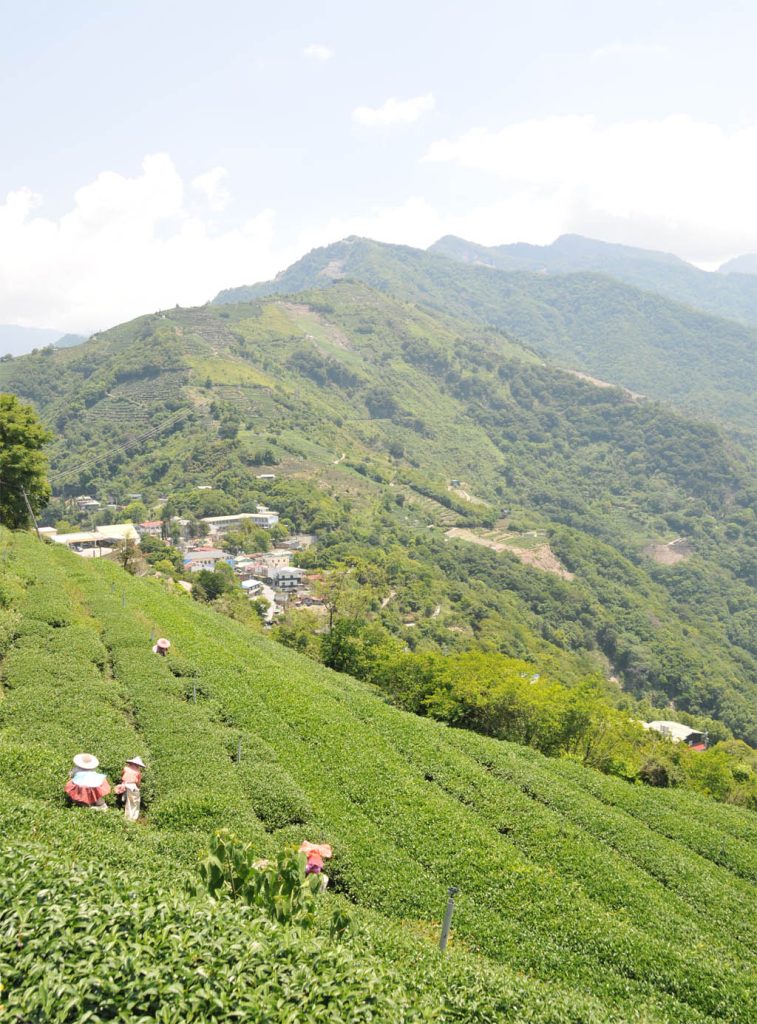
▼ Lushan Hot Spring tea region.

Lushan Tea Region

The Lushan Hot Spring area sits at an altitude of 1,400 to 1,750 meters, about a 50-minute drive from Wushe. Close to the Lushan Hot Spring, this is considered the authentic Lushan tea region, primarily growing Qingxin Oolong. The Lushan Tribe area ranges from 1,300 to 1,600 meters in altitude, taking about 30 to 60 minutes to drive from Wushe. The main tea cultivars here are Qingxin Oolong and JinXuan.

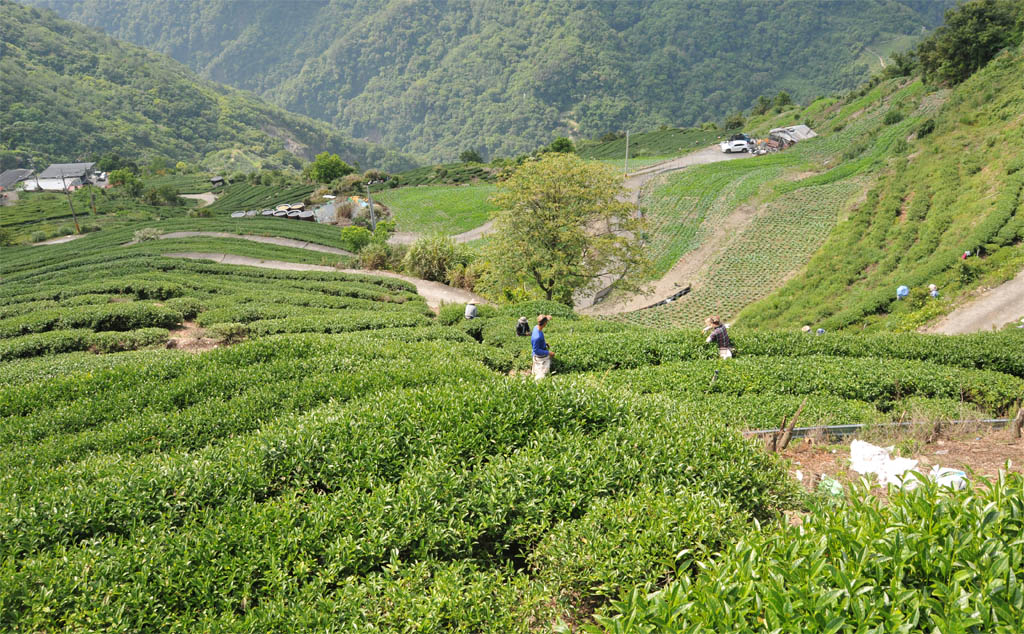
▼ The mountain climate in Lushan is fantastic, and combined with the high altitude, exceptional teas pop up quite often.

Lushan Tea Region
Lushan Tea Region

Road conditions are fine before reaching the hot spring and tribe, but the industrial roads beyond that become steep and narrow, making them especially treacherous in the rain. Because the plantations are spread out over a wide area, tea lovers planning a visit should set aside a full day so you won’t feel rushed.

Personal Review: The quality is just as good as Cingjing Songgang, but at a much more affordable price. Great finds turn up all the time—definitely worth the rough drive.

Shopping Cart