Darjeeling Black Tea: Why Is the King of Black Teas So Precious?

Darjeeling tea is often hailed as the “Champagne of Teas” and the “King of Black Teas,” recognized across the tea world as one of the finest black teas globally. Renowned for its unique floral-fruity aroma and rich, smooth flavor, it holds an irreplaceable status in the global tea market. What makes Darjeeling tea so precious? Let us introduce this world-class black tea through its origin, characteristics, production craftsmanship, grading system, and brewing methods.

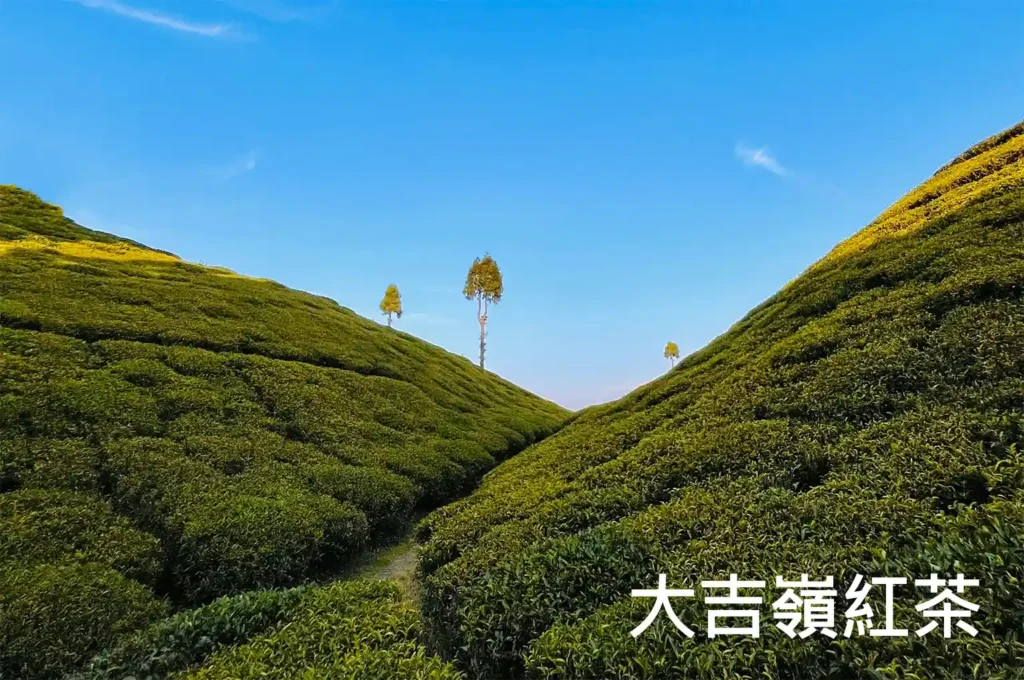
Darjeeling tea plantation under a blue sky 

Origin and Climate of Darjeeling Tea

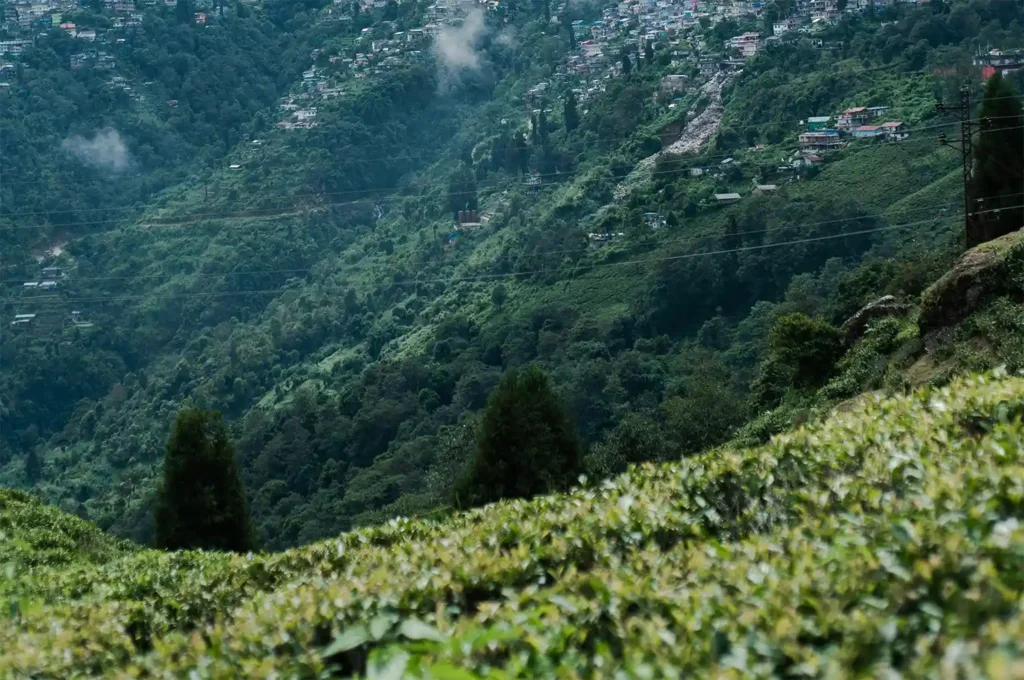
Darjeeling tea comes from Darjeeling in West Bengal, India. Nestled at the southern foothills of the Himalayas, its tea gardens sit at altitudes ranging from 1,000 to 2,000 meters above sea level. Dynamic alpine weather, abundant rainfall brought by Indian Ocean monsoons, and favorable diurnal temperature variations endow these tea plants with an inimitable aroma and flavor profile.

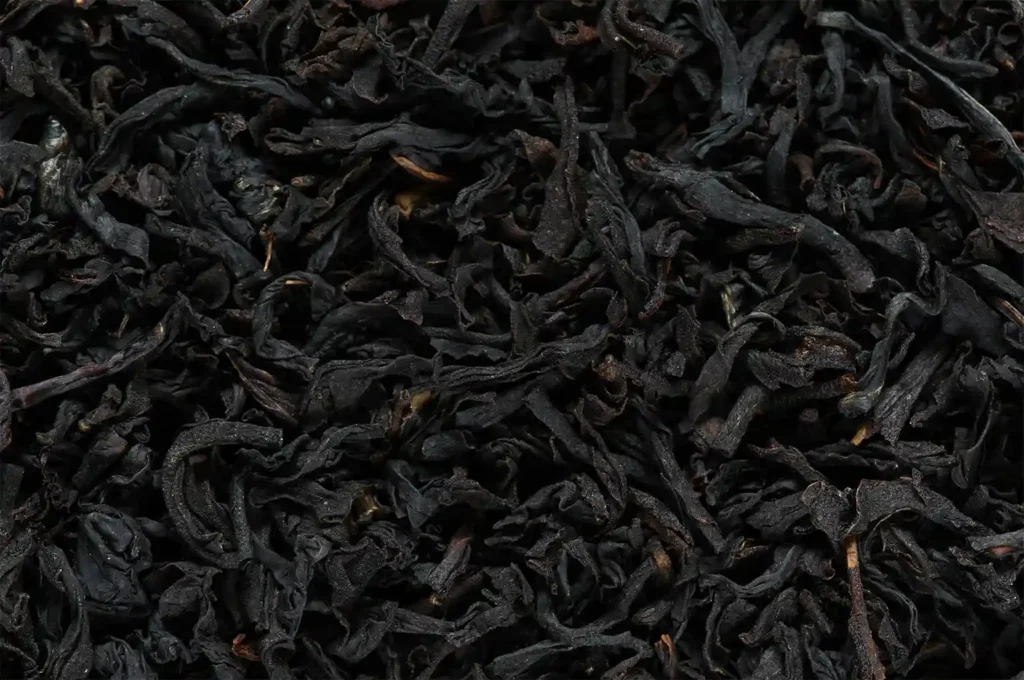
Loose leaf Darjeeling black tea

The Unique Flavors of Darjeeling Tea

Darjeeling tea is celebrated in the tea world for its complex aromas and rich, refined taste, with distinct flavor variations across different harvest seasons:

First Flush (March–April)

  • Flavor Profile: Abundant tender buds, small leaves, fresh floral aroma with subtle grassy notes.
  • Liquor Color: Golden yellow with a light body.
  • Characteristics: Highly prized by tea collectors and commands a higher price.

Second Flush (May–June)

  • Flavor Profile: Richer than the first flush, often featuring a distinct muscatel grape flavor with a rounder, fuller body.
  • Liquor Color: Amber hue with rich, complex notes.
  • Characteristics: The most iconic Darjeeling flavor, favored by tea lovers who prefer a bolder taste.

Autumn Flush (October–November)

  • Flavor Profile: Leaves mature during the summer growth. Features pronounced fruity notes such as dried fruit and citrus peel.
  • Liquor Color: Deep amber with a smooth, fragrant finish.
  • Characteristics: Richer fruity aromas, with a body less intense than Second Flush teas.
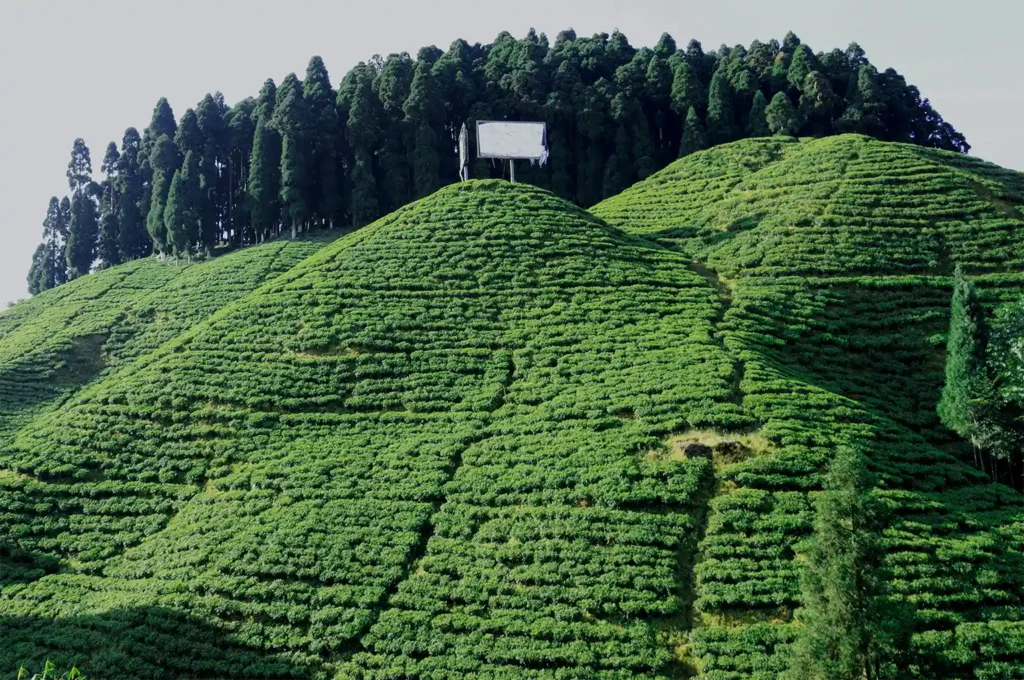
Tea mountain landscape

Craftsmanship and Production of Darjeeling Tea

Darjeeling tea is primarily produced using the traditional Orthodox Method, which preserves the whole leaf shape and authentic flavor. The production process includes:

Withering Reduces leaf moisture content, encouraging oxidation and aroma development.
Rolling Breaks leaf cell walls to release enzymes.
Oxidation Allows full oxidation, bringing the leaves close to 100% oxidation.
Drying Reduces moisture content for subsequent processing and storage.
Grading Sorts tea leaves based on shape and size.

Grading System of Darjeeling Tea

Darjeeling tea grades are primarily categorized by leaf wholeness and overall quality. The most common grades include:
FTGFOP(Finest Tippy Golden Flowery Orange Pekoe)Highest grade with a high proportion of tips and finest flavor.
TGFOP(Tippy Golden Flowery Orange Pekoe)High quality featuring golden tips.
GFOP(Golden Flowery Orange Pekoe)Rich flavor with golden tips and leaves.
FOP(Flowery Orange Pekoe)Whole leaves with consistent quality.
BOP(Broken Orange Pekoe)Broken leaf grade, ideal for quick brewing.
Tea gardens and farm

Brewing Methods

Beginners can try the following brewing guide:

Water Temperature We recommend using water at 85–90°C to avoid destroying delicate aromas with excessive heat.
Tea Leaves Amount About 2–3 grams of tea leaves per cup (250 ml).
Steeping Time First Flush: 2–3 minutes
Second Flush: 3–4 minutes
Autumnal Flush: 4–5 minutes
Serving Suggestions Plain: The best way to appreciate the floral, fruity notes and rich complexity of Darjeeling.
With Milk: Ideal for Second Flush or Autumnal Flush teas.

The Price of Darjeeling Tea

Although Darjeeling tea is highly revered and world-renowned, its production is very limited. Only black tea produced by officially certified Indian Darjeeling estates can legally carry the name “Darjeeling Tea.” Constrained by limited land, labor-intensive hand-harvesting, and strong market demand, high-quality Darjeeling tea commands premium prices, with rare harvests fetching thousands of US dollars per kilogram at auction. Because of its popularity, many teas labeled as Darjeeling on the market are actually counterfeits (much like Taiwan’s Dayuling and Lishan teas), so extra care is recommended before buying.

With its unique terroir, complex flavor profile, refined processing techniques, and esteemed status, Darjeeling tea has become a true superstar in the tea world. If you love black tea, you definitely shouldn’t miss out on the king of black teas—Darjeeling tea!

Shopping Cart