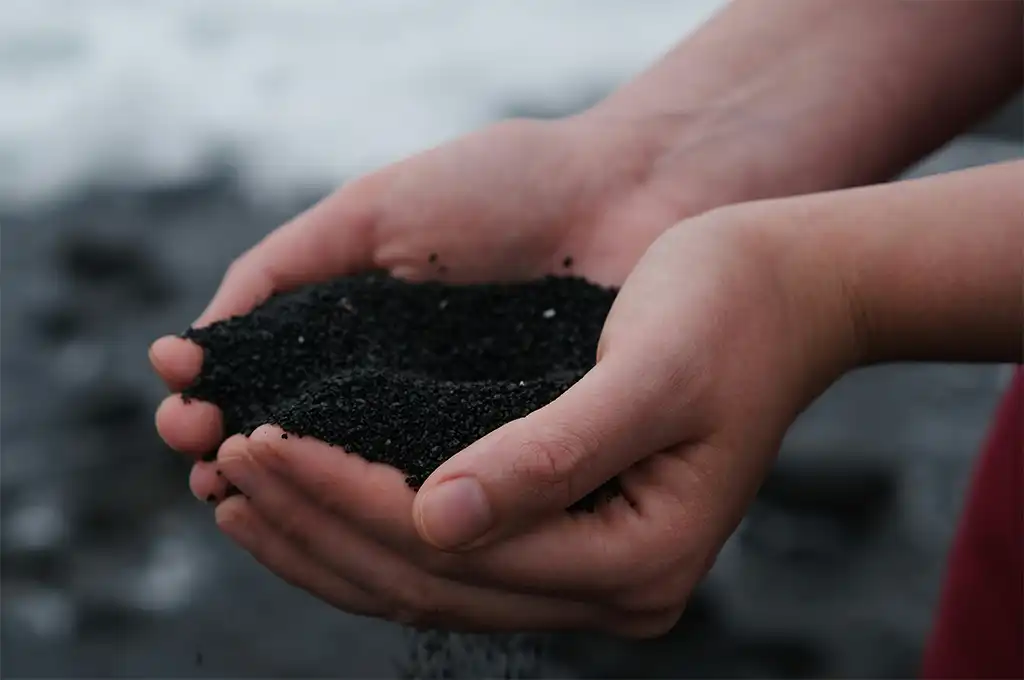
Can brewed tea leaves be used as fertilizer?

Can brewed tea leaves be used as fertilizer? The short answer is yes, but using them directly is not recommended. It is best to compost them until they decompose before use. This allows them to deliver their nutritional value while avoiding potential issues with pathogens and pests that can occur when they are placed directly into the soil.

Can brewed tea leaves be used as fertilizer?

Yes, but dumping brewed tea leaves directly into potted plant soil is not the best choice, as this easily breeds pathogens and attracts pests, which can actually harm your plants. We recommend composting them first to let the tea leaves break down into decomposed organic matter. Using them this way is much safer and more effective. Here is how to compost brewed tea leaves:

Prepare a sealed container (such as a bucket), layer the brewed tea leaves, fruit peels, and other organic matter into the container, mix in some soil, and let them ferment naturally. After about 3 to 6 months, the tea leaves will fully decompose, and you can then use this compost to improve your soil. If you are worried about odors, simply keep the container covered.

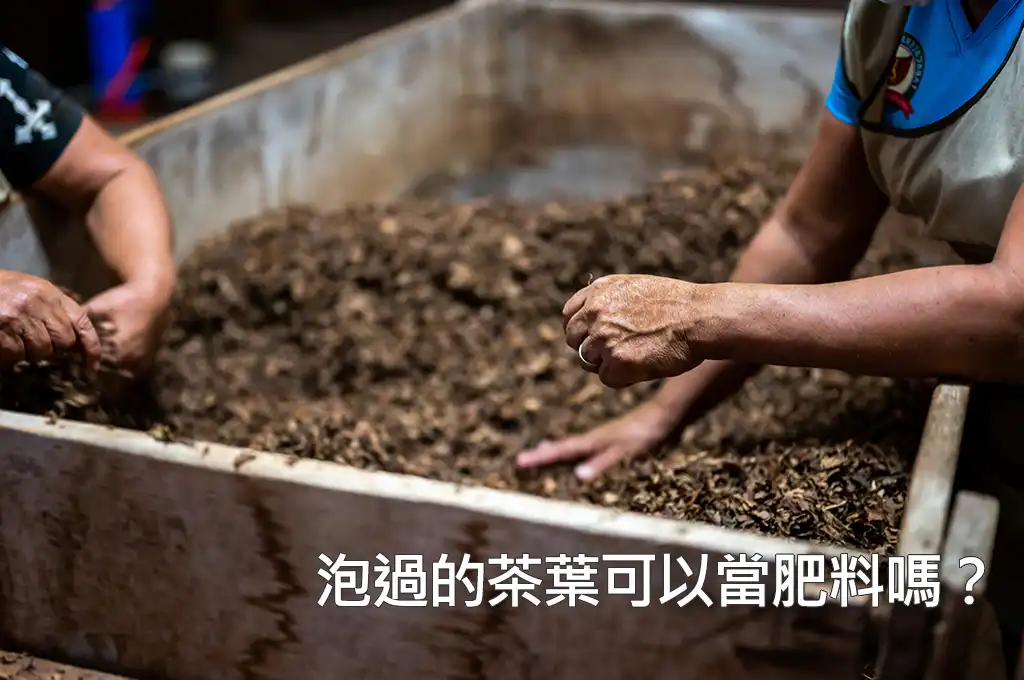
Because spent tea grounds do not easily ferment and break down on their own, we recommend mixing them with food scraps or fruit peels to help the composting process along. Tea grounds are rich in tea-derived compounds; aside from boosting soil fertility, they are primarily useful for adjusting soil pH levels while improving soil aeration.

Brewed tea leaves made into compost

Can you use brewed tea leaves as fertilizer "directly"?

Using a large amount of tea grounds directly as fertilizer is not recommended, as they can easily mold, breed pathogens, and attract pests. Avoid layering thick piles of tea grounds in your flower pots either; not only will the plants fail to absorb nutrients from them, but it can easily cause damage.

Shopping Cart