Prepping Seed Meal Fertilizer: The Secret Behind Exceptional Tea

There isn’t much tea to harvest in January, but tea farmers are far from idle! This period is crucial for applying base fertilizer. The amount and quality of fertilizer directly determine the richness and foundation of this year’s spring tea, so no detail is overlooked. Farmers choose fertilizers based on the tea plants’ needs, commonly using options like soybean meal fertilizer, chemical fertilizer, or manure.

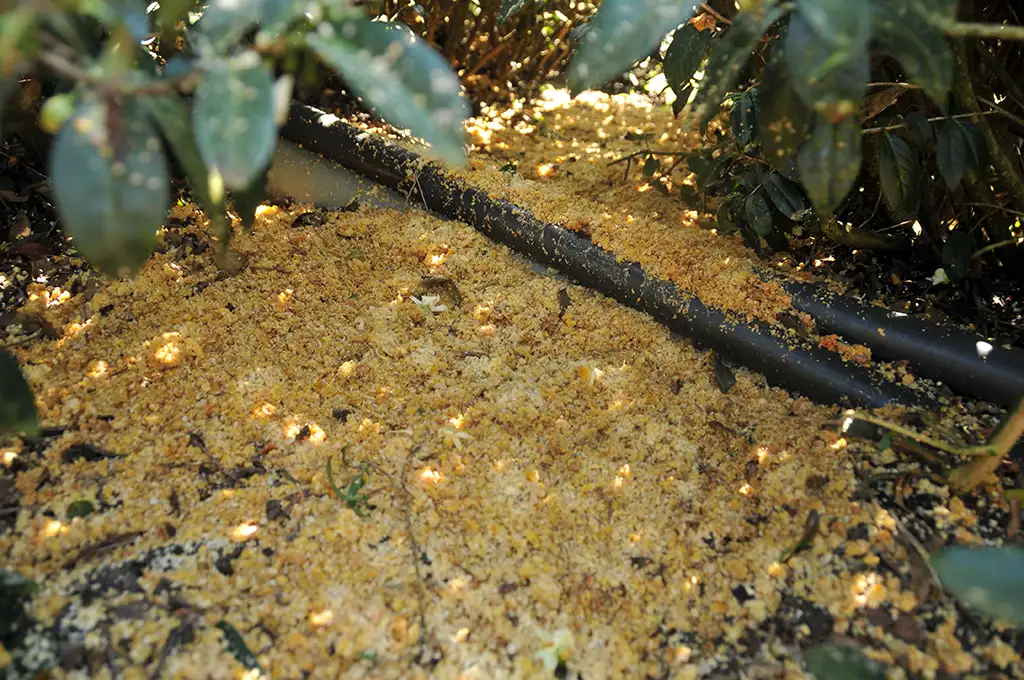
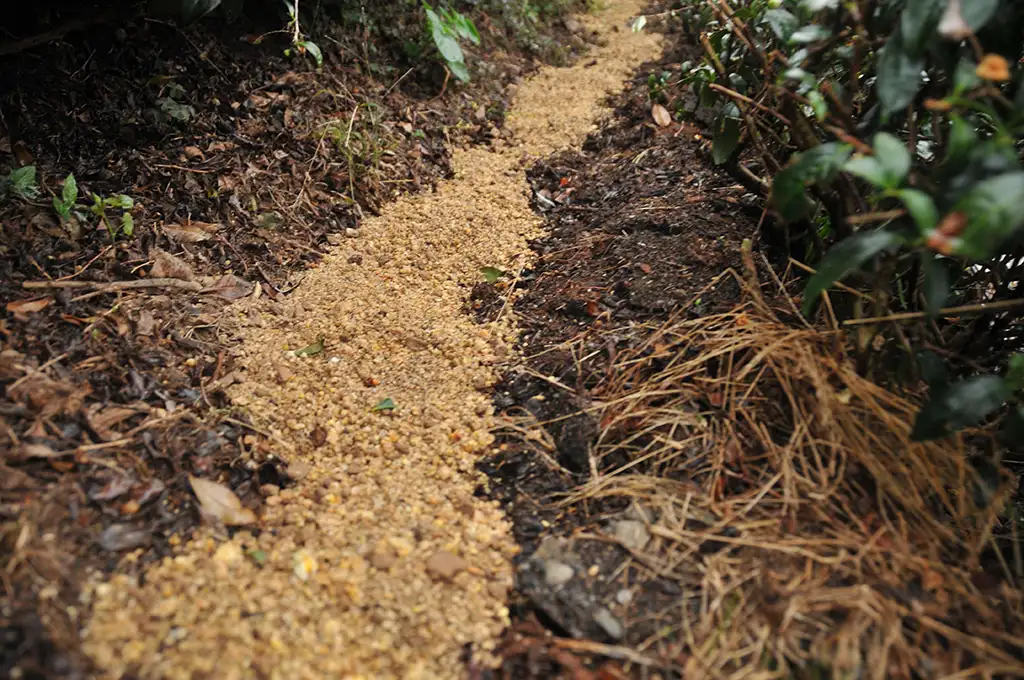
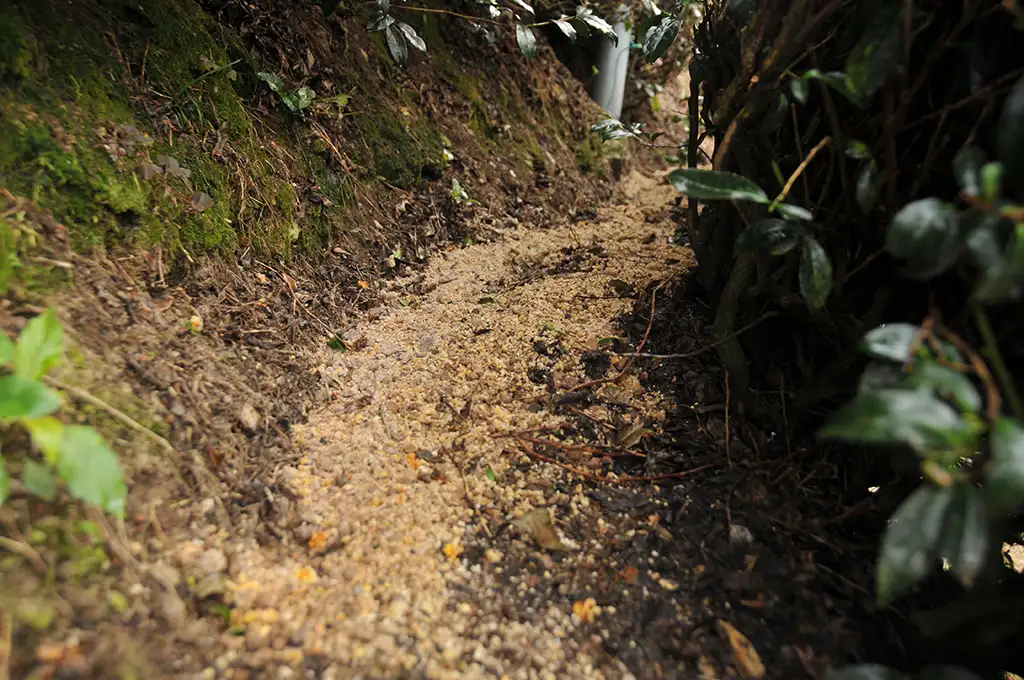
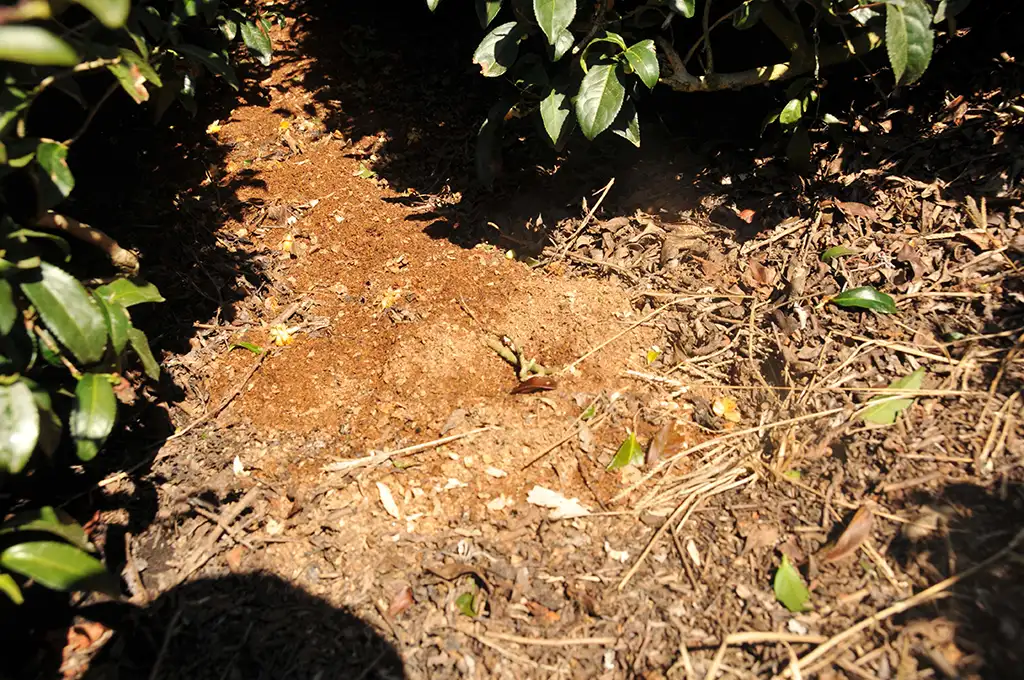
Soybean meal fertilizer includes various plant-based oil cakes like soybean, peanut, sesame, and blended seed meals—essentially the nutrient-rich residue left after oil extraction. These meals decompose slowly, providing a steady stream of essential nitrogen and trace minerals that tea plants need most. Though more expensive than chemical fertilizers or manure, it’s far better for soil health and helps produce tea with a more refined aroma. That’s why quality-focused tea farmers consider it an absolute essential. The tea bushes absorb these nutrients slowly, storing them up to nourish the upcoming spring tea harvest.

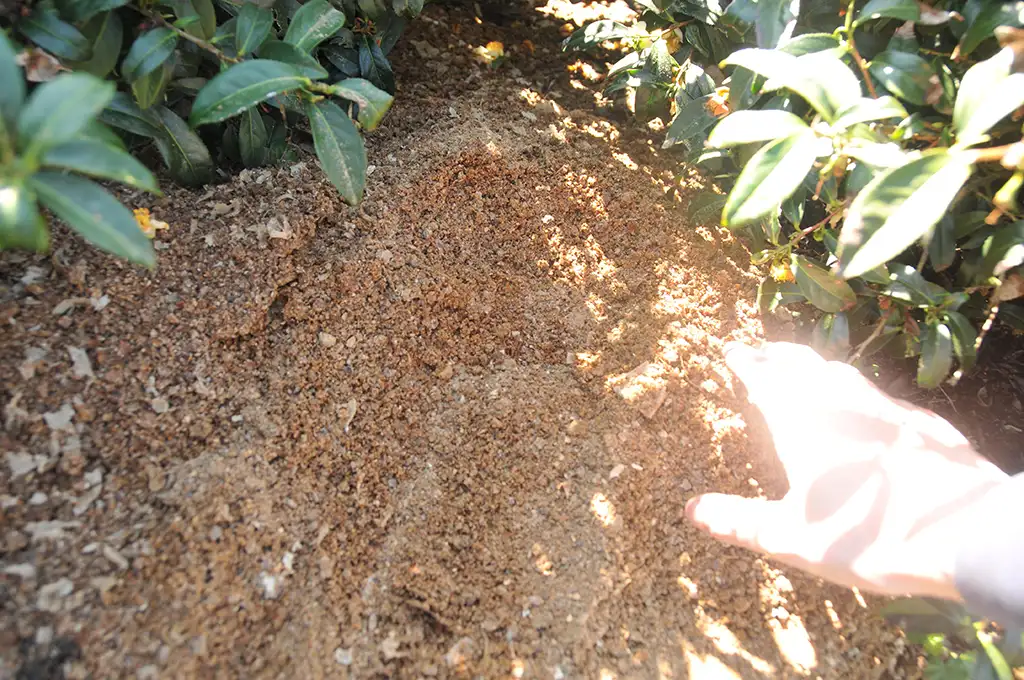
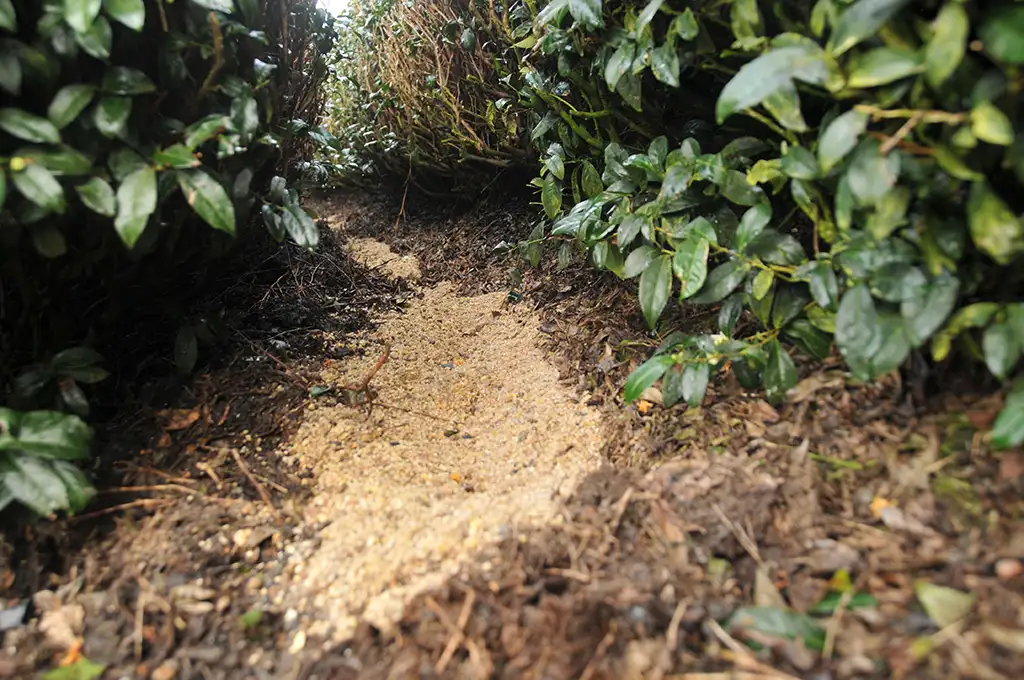
About a month before harvest, quality-minded tea farmers apply a “top dressing” (additional fertilizer) to boost the nutrients needed for spring tea. I’ll share more when I head up the mountain next time! This photo was taken in a high-mountain tea garden between late December and January. When the fertilizer is freshly applied, the whole farm smells amazing! (Though… 20 days later when it starts decomposing, the smell gets pretty intense 😂)

Shopping Cart