
Lishan tea is renowned for its unique flavor and refreshing aroma, making it a prized gem among Taiwan’s high mountain teas. With a lingering aftertaste and a rich, smooth finish, Lishan tea is consistently a favorite among high mountain tea enthusiasts. If you have any questions about tea varieties and pricing, follow our store manager as we explore the wonderful mysteries of these high mountain tea fields!
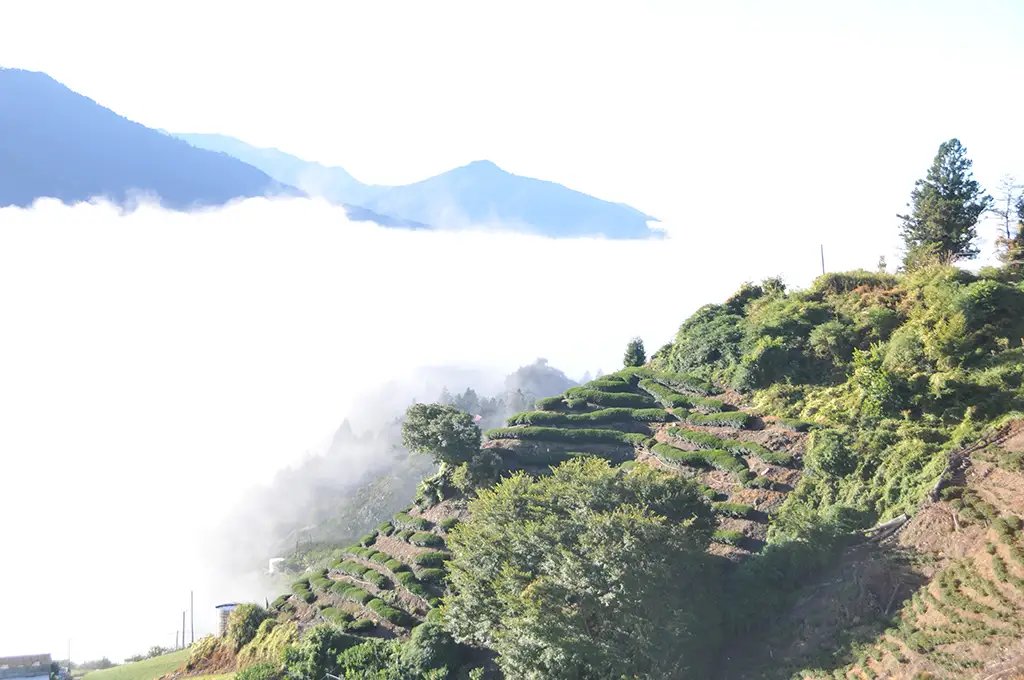
Table of Contents
Taiwan's Top 3 High Mountain Tea Regions
First, let’s explore Taiwan’s three major high mountain tea regions: Alishan, ShanLinXi, and Lishan. All of these tea regions are world-famous for their unique geographical conditions. Grown at high altitudes, the tea plants benefit from exceptional mountain mist and pristine soil, infusing the leaves with distinctive flavors and textures.
Alishan High Mountain Tea – Refreshing and Sweet with Mountain Charm
Grown at altitudes between 1,000 and 1,600 meters, Alishan high mountain tea is famous for its clean, sweet aftertaste. The cool climate and exceptional geography give this oolong tea its signature flavor, making it a favorite among tea lovers.
ShanLinXi High Mountain Tea – Mellow and Smooth with Crisp Mountain Elegance
Situated at an altitude of around 1,000 to 1,950 meters, the ShanLinXi tea region is known for its cool climate and abundant rainfall. The tea leaves are plump and juicy, offering a mellow and rich taste that makes it a true delicacy.
Lishan High Mountain Tea – Crisp and Elegant with the Essence of Nature
Lishan tea is grown at altitudes between roughly 1,450 and 2,520 meters, representing the pinnacle of high-altitude alpine teas. As the highest-elevation growing environment for Taiwan high mountain tea, Lishan tea is considered a rare treasure in the market. While its price is higher than other regions, its unique flavor profile makes it well worth trying.
The Uniqueness of Lishan Tea
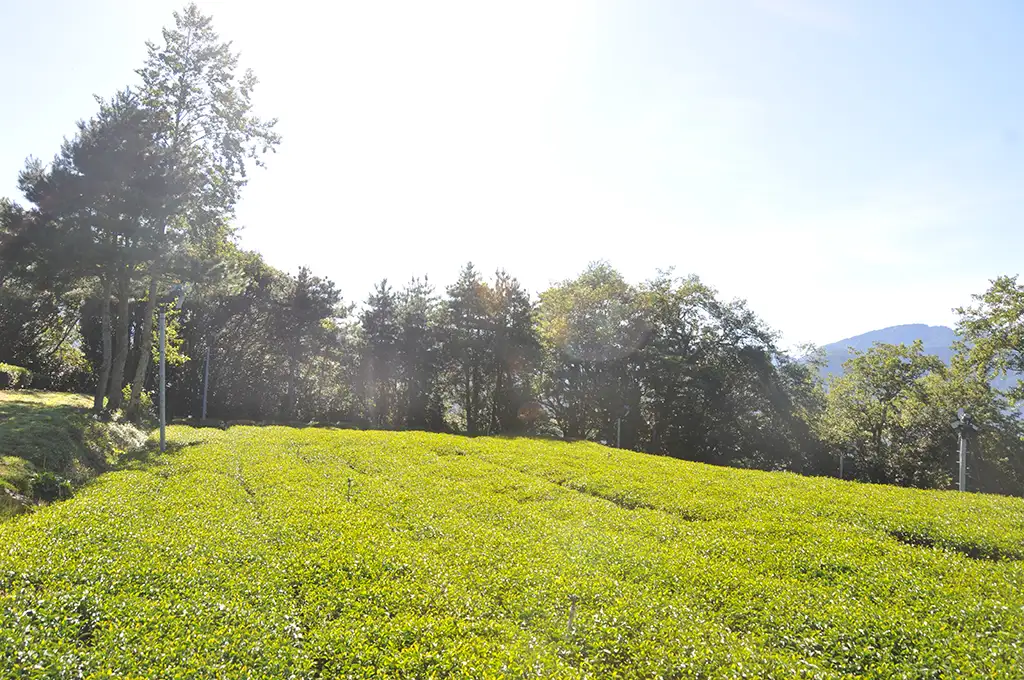
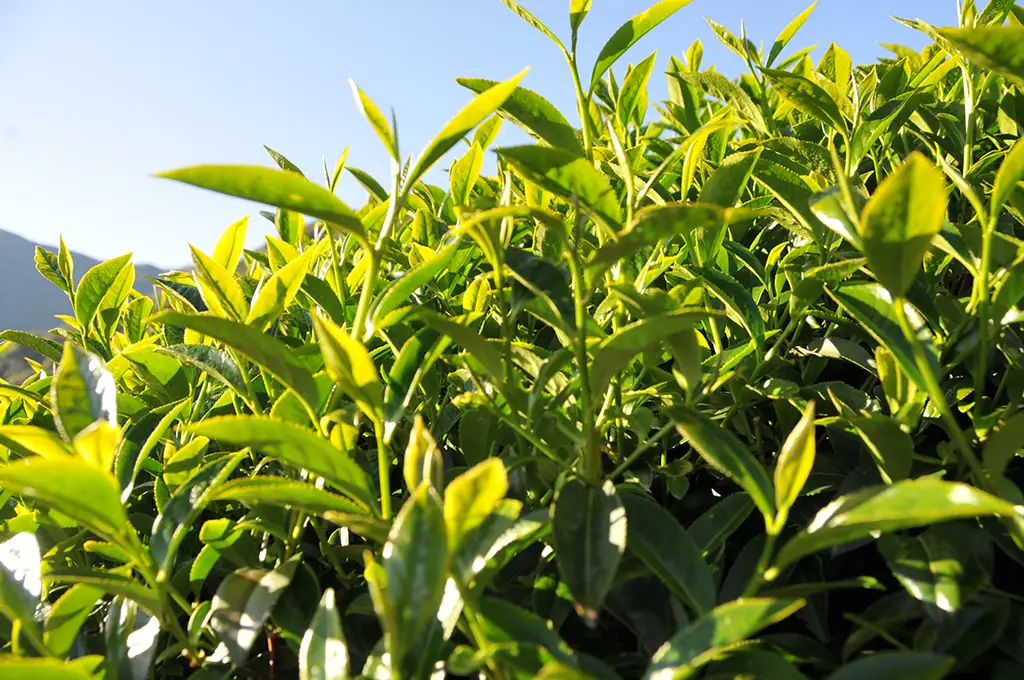
Lishan tea is cultivated in the Lishan area at altitudes of about 1,450 to 2,520 meters, where the natural environment is pristine, the soil is fertile and unpolluted, and the four seasons feature distinct climate changes. Crafted from freshly hand-picked tender buds consisting of one tip and two leaves, the brewed tea yields a clear, elegant aroma and a deeply satisfying sweetness that enchants the senses. Spring and winter are the optimal harvesting seasons, producing leaves that are exceptionally tender and rich in flavor. Although Lishan tea commands a slightly higher price, its quality is absolute value for money.
Lishan tea is renowned for its special high-altitude growing environment and premium tea plant varieties. Grown amidst mist-shrouded high mountains, the tea leaves absorb the essence of nature, resulting in exceptional quality and flavor. Thanks to the unique geography of its growing region, Lishan tea’s smooth, sweet taste and refreshing aroma have made it highly sought after by numerous tea enthusiasts.
Health Benefits of Lishan Tea
Lishan tea is not only a representative of Taiwan’s high mountain teas, but also a precious tea treasure. Its health benefits are widely praised because it is rich in antioxidants, which effectively fight free radicals and slow down the body’s aging process. Additionally, Lishan tea is packed with various amino acids, minerals, and vitamins that help boost metabolism, strengthen the immune system, and promote overall wellness. Long-term consumption of Lishan tea can also improve cardiovascular health and lower the risk of cardiovascular and cerebrovascular diseases. Lishan tea helps soothe stress, allowing people to find a moment of peace and relaxation amidst busy lives. Choose Lishan tea to infuse your daily routine with a touch of freshness and vitality.
How to Brew Lishan Tea
Professional Cupping Method: Measure 6 g of Lishan tea into a 100 ml teapot, fill the pot with 100°C boiling water, let it steep for 3 minutes, and then pour out the liquor to enjoy. This is the standard way to brew Lishan tea. By using this method, you can understand the characteristics of this tea, and next time you can adjust the two variables of tea leaf amount and steeping time to find the flavor strength that suits you best.
Differences and Reasons for Lishan Tea Prices
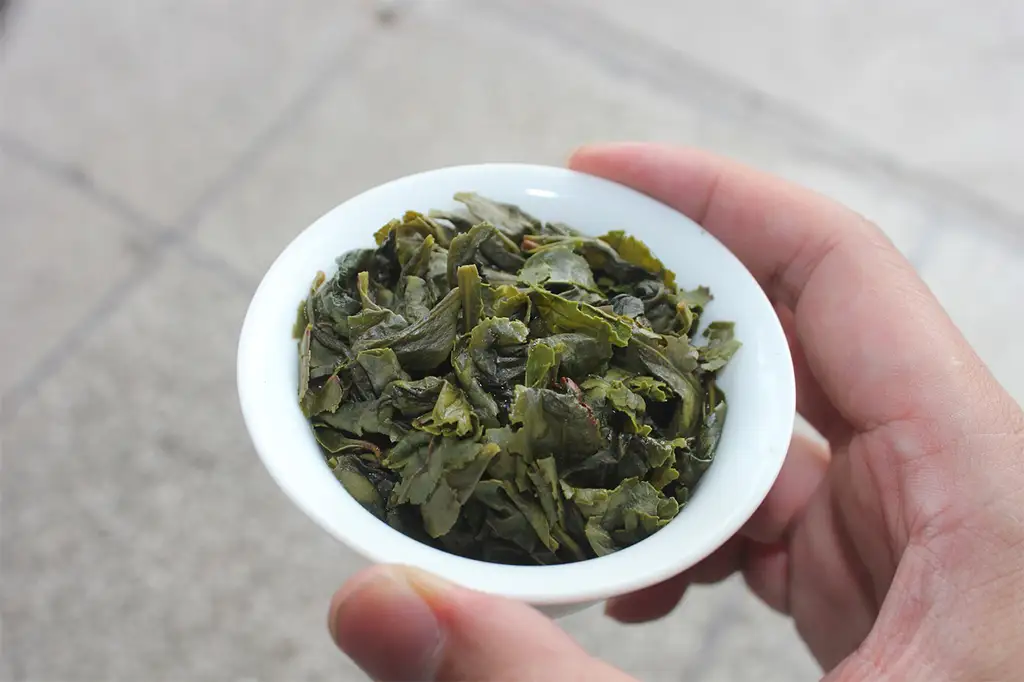
The price of Lishan tea is typically influenced by multiple factors, including tea garden altitude, tea quality, specific regional location, harvesting season, craftsmanship, and market supply and demand. Generally speaking, Lishan tea is relatively expensive, primarily due to its high mountain growing environment and rarity.
First, the higher the altitude, the slower Lishan tea grows, resulting in lower yields. This creates a scarcity that directly drives up the price. Second, the harvesting season and production methods also impact the price. Generally, spring and winter are the primary harvesting seasons for Lishan tea, yielding higher quality and correspondingly higher prices. Additionally, there are sub-regions within the Lishan tea area, each with different market reputations; the most prized are those surrounding Fushoushan Farm, where Lishan tea commands the highest price. Finally, tea-making craftsmanship plays a role—factories with top-tier equipment and award-winning records will produce tea that costs more.
Taking Liao Chang Xing as an example, the prices for Lishan tea are generally as follows:
| Region | Spring/Winter Tea (per 600 g) | Autumn Tea (per 600 g) |
|---|---|---|
| Fushoushan Farm Surroundings / Outskirts | NT$4,000+ | NT$2,000+ |
| Xinjiayang Tribe | NT$3,200+ | NT$1,500+ |
| Songmao Tribe | NT$3,000+ | NT$1,400+ |
| Huanshan Tribe | NT$3,000+ | NT$1,400+ |
Tips for Buying Lishan Tea
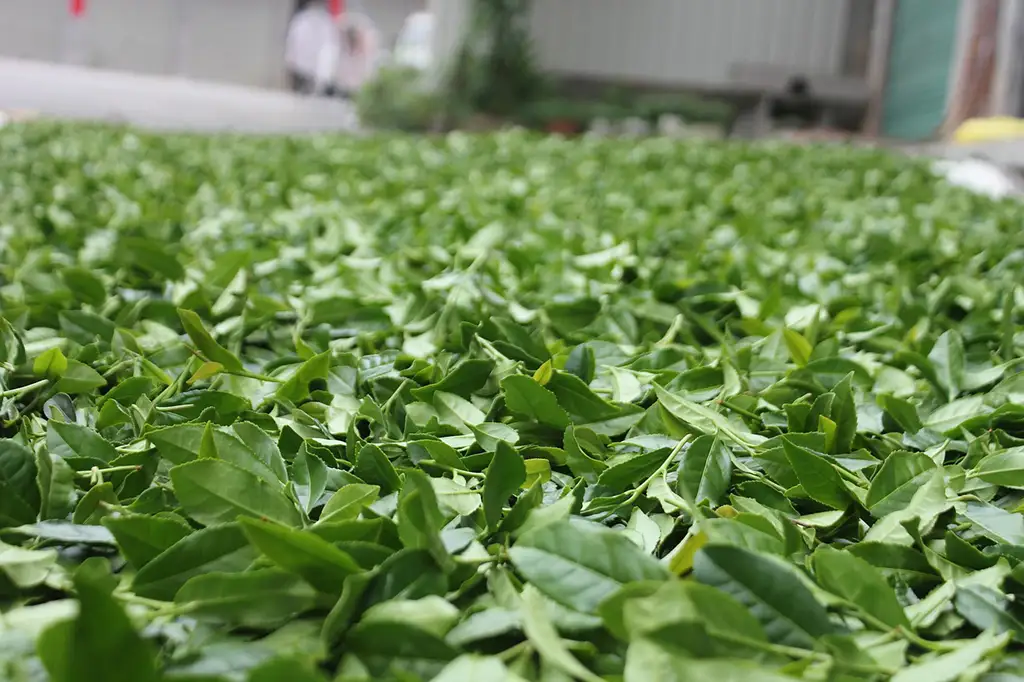
As mentioned earlier, when purchasing Lishan tea, please choose a reputable seller. Premium Lishan tea leaves should be intact, brightly colored, and free of off-odors. At the same time, understanding the harvesting season and variety is key to selecting high-quality tea. Please refer to the Liao Chang Xing Lishan tea price guide above. Keep in mind: the production cost for Lishan tea is close to NT$1,000 per 600 g, so if it’s priced too cheaply (below NT$1,200 per 600 g), you should question its authenticity.
Taiwan’s high mountain teas enjoy a stellar reputation worldwide, and Lishan tea is renowned for its unique flavor and exceptional quality. Whether for daily sipping or as a gift, Lishan tea is your ultimate choice. Try it today, savor the crisp aroma and taste of the tea, and add a dose of health and vitality to your life!
Lishan Tea FAQs
How much does Lishan tea cost per 600 g? Is an NT$800 version authentic?
Fake! Retail prices for Lishan spring or winter tea under NT$3,000 per 600 g are fake. Autumn tea under NT$1,200 per 600 g is also fake. The production cost for Lishan tea is very high; NT$800 doesn’t even cover the production cost.
What kind of tea is Lishan tea?
99% of it is lightly fermented high mountain oolong tea. In summer, black tea or honey-scented tea is occasionally produced, and green tea is virtually nonexistent. 95% of the tea plants are Qingxin Oolong, with small amounts of Tieguanyin, JinXuan, and Yingxiang oolong.
What is the difference between Lishan high-cold tea and high mountain tea?
They are both lightly fermented high mountain oolong tea; the names just differ with no actual difference in the tea.
What is the highest altitude for Lishan tea?
Currently, the highest Lishan tea is grown in HuaGung, reaching up to 2,560 meters, though whether the HuaGung tea region officially belongs to the Lishan tea region is still debated (see Lishan Tea Region Boundaries). Aside from HuaGung, the highest tea gardens within Taichung City are at Fushoushan Farm, sitting at an altitude of 2,430 meters.
If I want to buy Lishan tea, which one do you recommend?
Whichever you choose, always buy from a reputable seller, start with a small quantity, and order more once you find a flavor you like. Feel free to check out our Lishan tea