
Matcha powder and green tea powder may look similar, but they are fundamentally different. From how the tea plants are cultivated to how the leaves are processed, these distinct steps give matcha a noticeably different flavor profile and nutritional value compared to regular green tea powder.
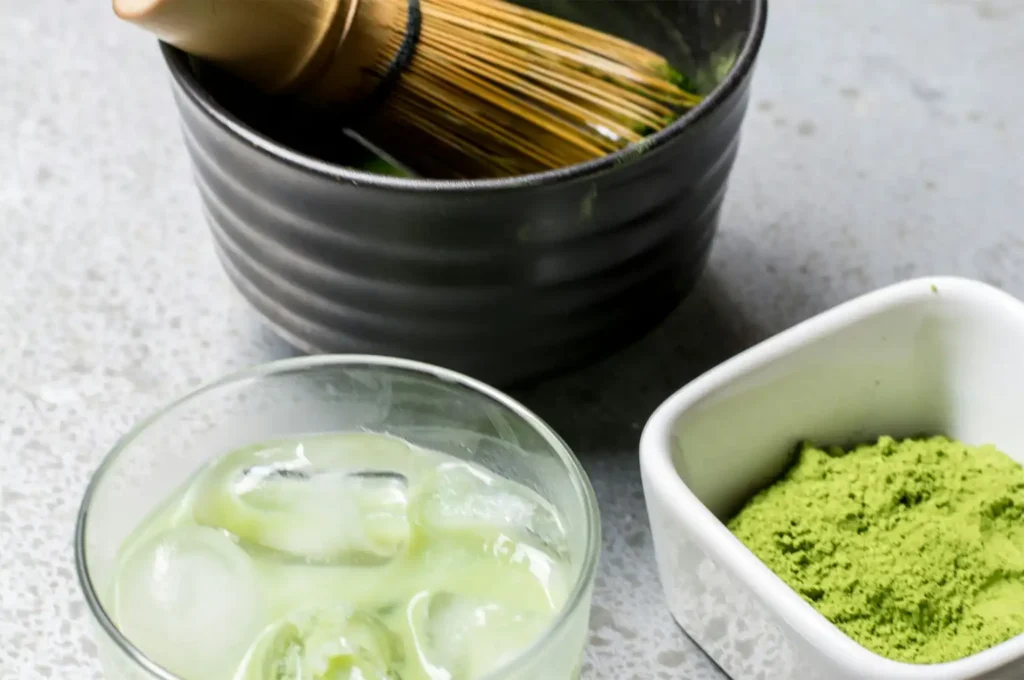
Is Matcha the Same as Green Tea Powder? Key Differences Explained
First, matcha requires special cultivation techniques. The tea bushes must be shaded for 3 to 4 weeks before harvest. This shading process limits sunlight to increase sweet amino acid flavor compounds while reducing bitterness. Regular green tea typically doesn’t undergo this process. In terms of processing, matcha strictly uses steam fixation (steaming the fresh leaves), which preserves vital nutrients and maintains a bright green color. Regular green tea powder isn’t always steamed; it often uses pan-firing (roasting leaves in a wok), which creates a distinct roasted aroma but results in a darker color and fewer preserved nutrients. Additionally, matcha requires removing leaf veins and stems before grinding, yielding a much smoother, finer brew.
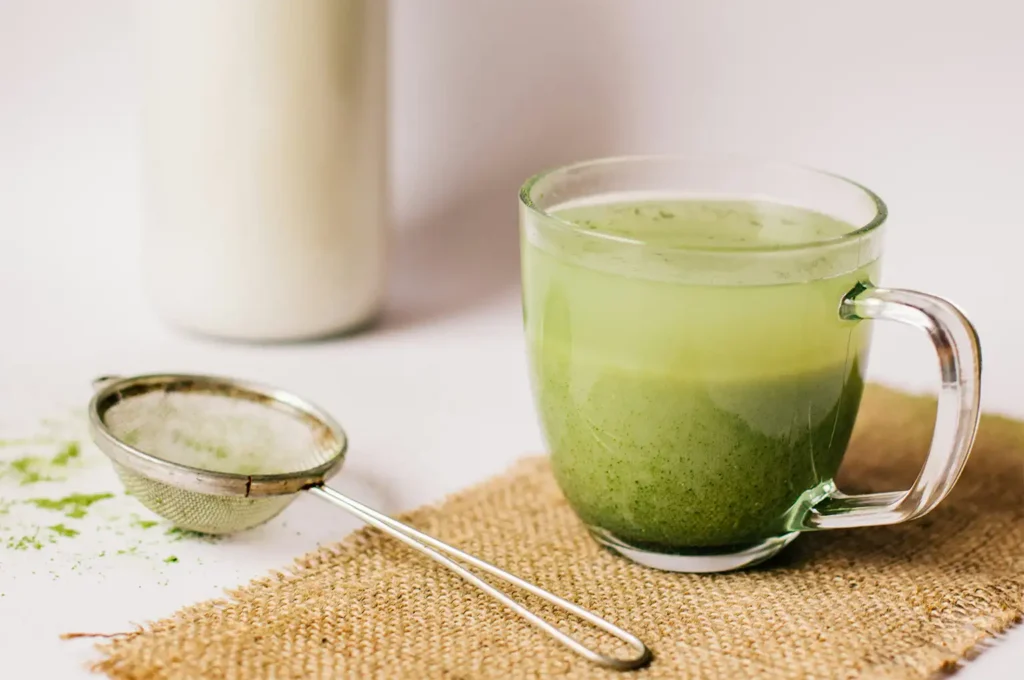
The grinding method also sets matcha apart. Matcha must be ground slowly to avoid heat generation, a time-consuming step that preserves delicate nutrients and creates an ultra-fine powder texture. Standard green tea powder is ground using simpler, faster methods without the strict requirement for low speeds or superfine particle sizes.
In short, beyond differences in farming and processing methods, matcha and green tea powder offer distinct tastes and health benefits. If you prefer a richer flavor, higher nutritional density, and a vibrant green color, matcha is undoubtedly the superior choice. Green tea powder has fewer processing requirements, making it a practical and budget-friendly option for everyday use.