Hojicha: High-Heat Roasted Japanese Green Tea

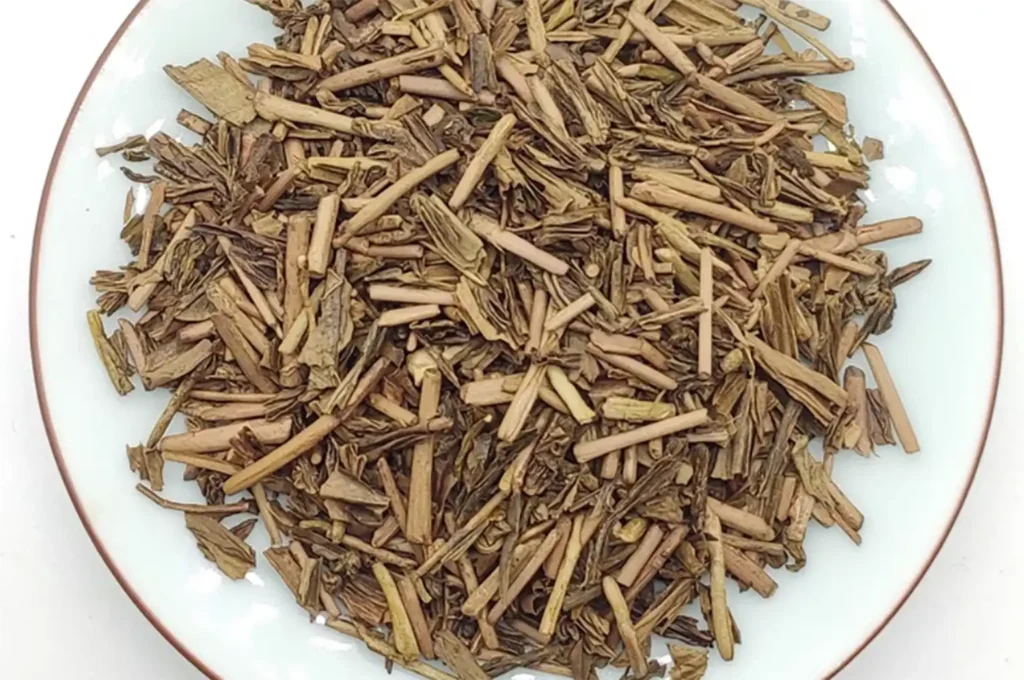
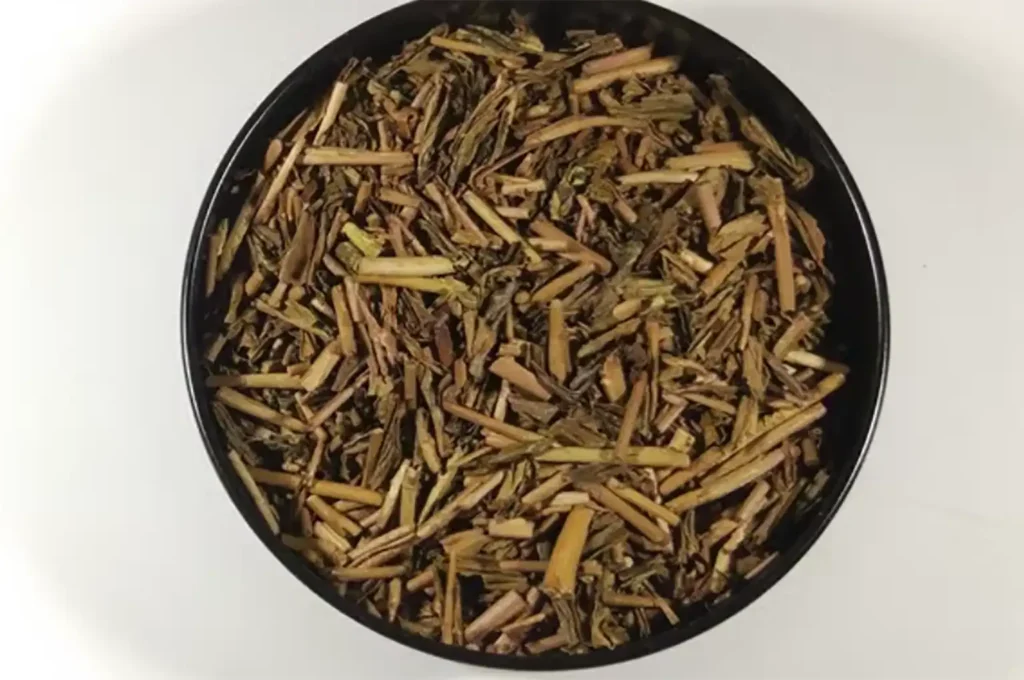
Hojicha (ほうじ茶) is a Japanese green tea characterized by being roasted at high temperatures over charcoal after steaming. This process turns the tea leaves brown, producing a cozy, toasted flavor. It is a widely loved staple tea, frequently served after meals in Japanese households.

Roasted Tea

Hojicha – High-Roasted Japanese Green Tea

Mainstream Japanese green teas such as sencha or gyokuro use steaming to halt oxidation. Hojicha, however, takes steamed leaves and roasts them at high heat. This gives the tea a rich roasted aroma while significantly reducing herbal notes and astringency, producing a gentle sweetness and smooth mouthfeel. The tea liquor also changes from pale green to a soft amber-brown. Its flavor profile pairs wonderfully with Japanese sweets and everyday meals, making it a beloved staple tea.

Hojicha Production Process

  1. Leaf Selection: Typically uses sencha, bancha, or kukicha (stem tea) as raw material.
  2. Roasting: The steamed tea leaves are roasted at high heat (usually over 200°C) to enhance aroma and reduce astringency.
Roasted Tea

Brewing Guide

Tea Amount Use approximately 3–5 g of hojicha leaves per 150 ml of water.
Water Temperature Recommend 90–95°C hot water—higher than sencha to fully draw out the roasted aroma.
Steeping Time 20–30 seconds for the first infusion; adjust subsequent steeps to taste.
Roasted Tea

Pros and Cons of Hojicha

ProsCaptivating roasted aroma with a warm, smooth mouthfeel. Low in caffeine, making it ideal for evening enjoyment or for children. Mild flavor with minimal bitterness or astringency. Affordable price, making it a great everyday staple tea.
ConsLoses the fresh, grassy notes typical of steamed green teas during high-temperature roasting.

Japanese Hojicha Q&A

Q. Does hojicha contain caffeine?

Yes, but hojicha has a lower caffeine content because the roasting process reduces caffeine levels in the leaves. It is a gentler option for caffeine-sensitive tea lovers.

Q. What is the difference between Japanese hojicha and sencha?

The main difference lies in the processing method. Sencha uses steaming to halt oxidation, preserving a fresh, herbal flavor. Hojicha, on the other hand, is roasted at high heat after steaming, which creates a rich toasted aroma and lowers astringency.

Q. What is the difference between hojicha and matcha?

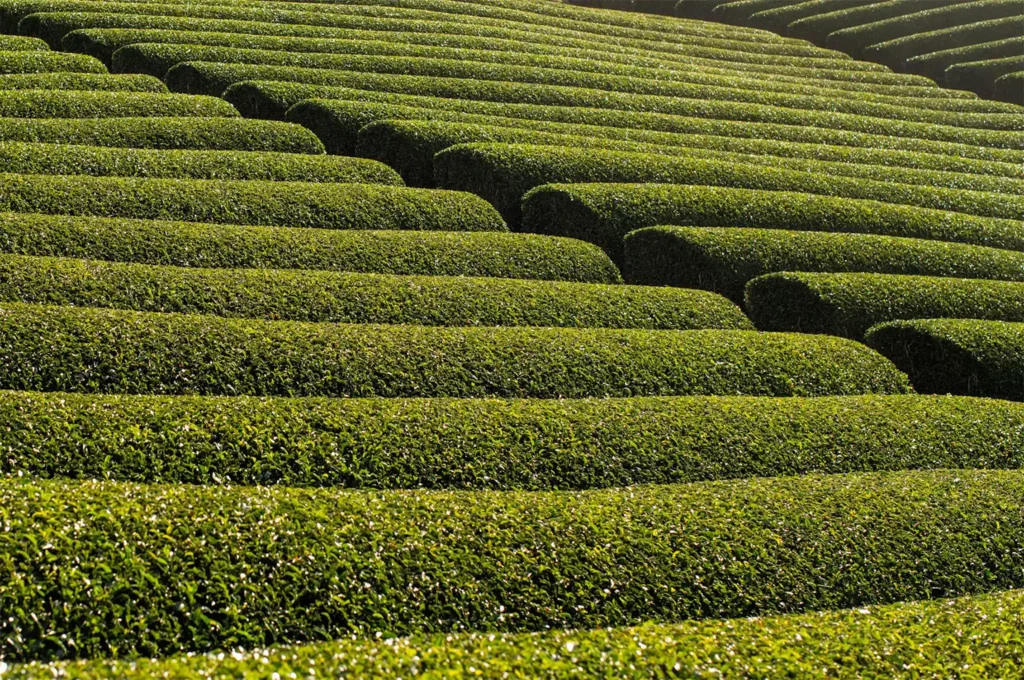
Hojicha is steeped using roasted whole leaves, whereas matcha is made by stone-grinding steamed tea leaves into a fine powder that is whisked directly into water. Hojicha is known for its roasted aroma and mild character, while matcha is vibrant, fresh, and full-bodied.

Q. How does hojicha differ from Taiwanese charcoal-roasted Oolong or Tieguanyin?

Hojicha is made from a steamed green tea base that is subsequently roasted, yielding a soft and soothing aroma. Charcoal-roasted Oolong and Tieguanyin are partially fermented oolong teas with a darker liquor and richer profile; both oolongs display pronounced roasted and fruity notes.

Shopping Cart