Japanese Tea

Sencha green tea

Japanese Tea

An introduction to Japanese tea types, origins, brewing methods, and characteristics. Japanese Tea Sencha Boasting a crisp flavor profile with subtle sweetness and savory umami, Sencha is Japan’s most popular type of green tea. Gyokuro Renowned for its delicate mouthfeel, rich umami flavor, and meticulous production process… Japanese Kukicha Crafted by carefully selecting tea stems
Matcha

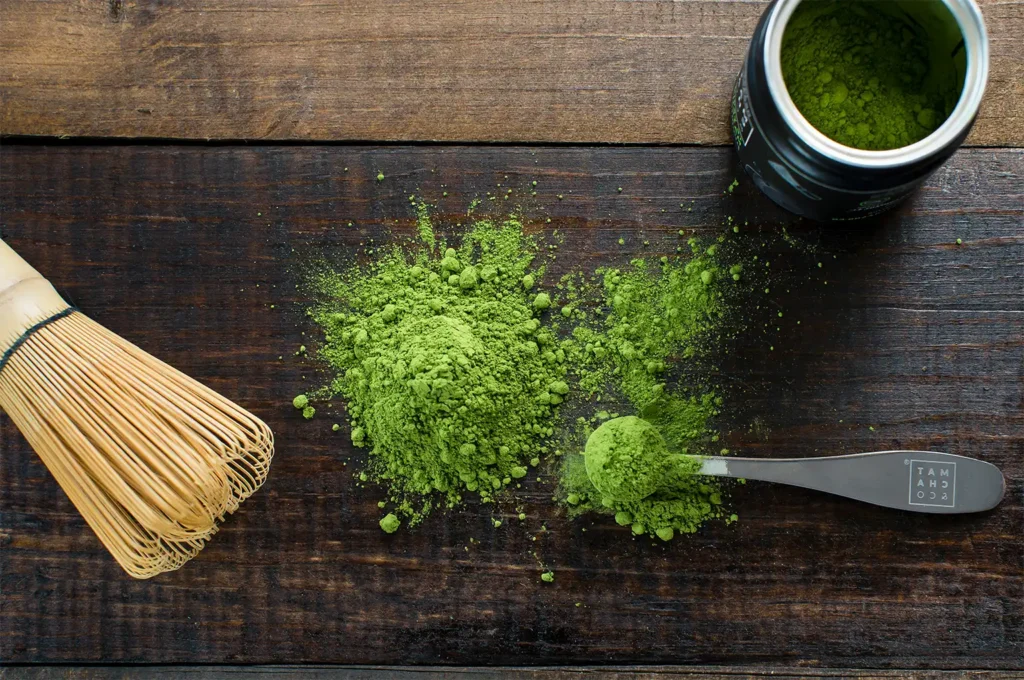
Matcha: The Rich and Delicate King of Japanese Green Tea

When it comes to Japanese green tea, matcha is undoubtedly the most iconic. This ultra-fine green tea powder is not only the heart of the Japanese tea ceremony, but its vibrant green hue and rich, distinct flavor have captivated tea lovers worldwide. From traditional ceremonies to matcha drinks and baked treats, its versatility goes far

Kabusecha

Kabusecha: The Premium Japanese Green Tea Between Sencha and Gyokuro

Kabusecha is a premium Japanese green tea, written in Japanese as 覆茶 (かぶせ茶). Like Gyokuro and Matcha, it undergoes a shaded cultivation process prior to harvesting. Although it is shaded for a shorter period than Gyokuro, Kabusecha remains one of Japan’s most iconic fine green teas. Characteristics of Kabusecha Shaded Cultivation About 7 to 10

Pan-fired tea

Kamairicha: Pan-Fired Japanese Green Tea

When people think of Japanese green tea, steaming often comes to mind first. Famous teas like Gyokuro and Matcha both use this technique. However, there is also a traditional Japanese green tea pan-fired in iron pans: Kamairicha (釜炒り茶). Known for its distinct toasted aroma and smooth, mellow taste, Kamairicha offers a uniquely delicious green tea

Genmaicha Tea

Genmaicha: Japanese Green Tea Blended with Roasted Rice

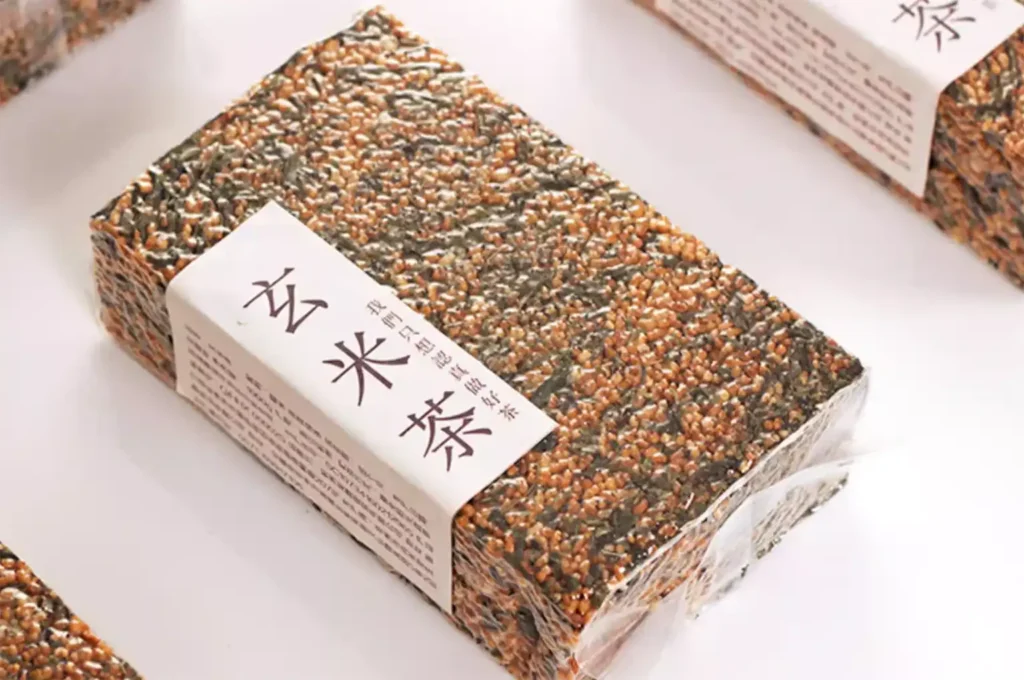
Genmaicha is a unique drink in Japanese tea culture that blends green tea with high-heat roasted brown rice, creating a refreshing yet comforting brew. Light on the palate with a delightful toasted aroma, it seamlessly combines rice and tea flavors into one of Japan’s most distinctive tea varieties. Genmaicha: Japanese Green Tea Blended with Roasted

Sencha green tea

Sencha: Japan’s Most Popular Green Tea Variety

In Japan, whether for daily drinking at home or served in restaurants, Sencha is almost everywhere. With its refreshing taste, subtle sweetness, and rich umami flavor, it is Japan’s most popular green tea variety. Ranking first in both production volume and popularity, Sencha holds a central place in Japanese daily life and tea culture. Sencha:

Gyokuro Green Tea

Gyokuro Green Tea: The Highest Grade of Japanese Tea

In the world of Japanese tea, Gyokuro green tea is considered the most prestigious. Renowned for its delicate mouthfeel, rich umami, and meticulous processing, it is traditionally served to honor guests or mark special occasions. Gyokuro tea gardens require specialized shade management to cultivate the finest young tea shoots and ensure a unique, elegant flavor

Roasted Tea

Hojicha: High-Heat Roasted Japanese Green Tea

Hojicha (ほうじ茶) is a type of Japanese green tea distinguished by being steamed and then roasted over charcoal at high temperatures. This process roasts the green tea until the leaves turn brown, creating a warm, toasted flavor. It is a widely popular daily tea, often enjoyed after meals in Japanese households. Hojicha: High-Heat Roasted Japanese

Japanese Kukicha

Japanese Kukicha: Green Tea Made from Tea Stems

Japan has a rich tea culture with a wide variety of green teas, each offering its own unique taste and flavor profile. Kukicha (stem tea) is a unique category in Japanese tea. Made from stems and stalks sorted out during the production of Sencha or Gyokuro, it is known for its refreshing, delicate flavor and

Bancha

Bancha: The Earthy, Everyday Japanese Green Tea Choice

When people think of Japanese green tea, premium varieties like Matcha, Gyokuro, or Sencha often come to mind. In daily Japanese life, however, “Bancha” is the much more accessible choice. Refreshing and light, Bancha pairs wonderfully with meals or as an after-dinner drink, and its affordable price tag makes it a well-loved staple across Japan.

Shopping Cart