
In Japan, sencha is everywhere—from everyday home brewing to restaurant service. Refreshing with subtle sweetness and umami, it is Japan’s most popular type of green tea. Ranking first in both production volume and popularity, sencha plays a central role in Japanese households and tea culture.
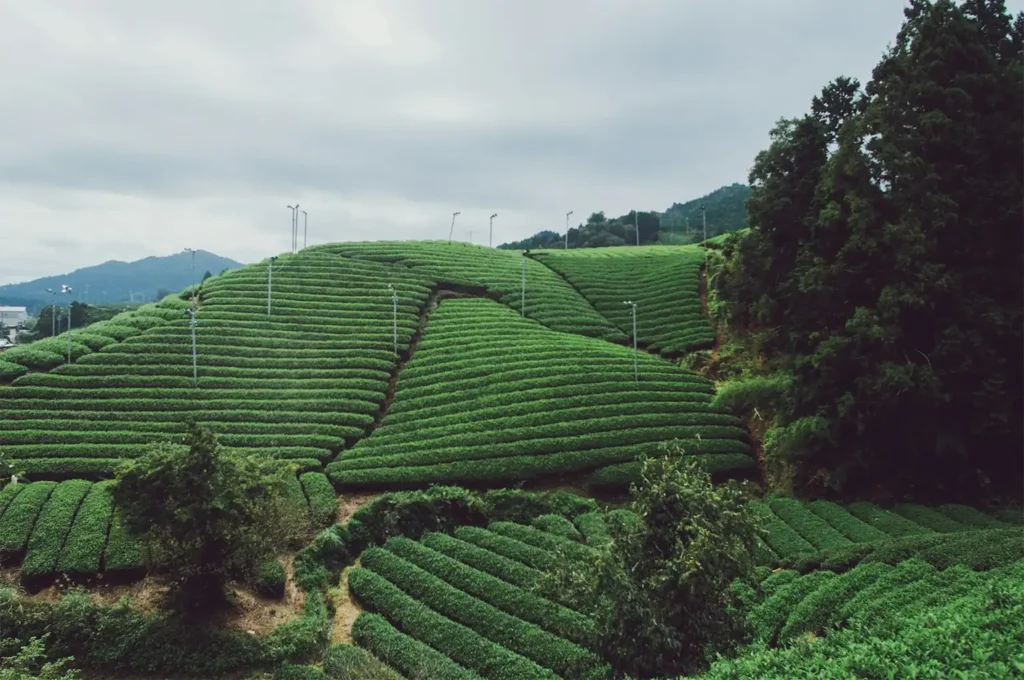
Sencha: Japan's Most Popular Green Tea
Sencha (せんちゃ) is the most widely consumed green tea in Japan, accounting for over 70% of total green tea production. Compared to matcha or gyokuro, sencha offers a balanced flavor profile—neither overly intense nor overly astringent. It boasts a signature umami flavor accompanied by subtle sweetness and a touch of pleasant bitterness. Sencha’s processing methods preserve the pure, natural flavor of the leaves, making it a staple across homes, restaurants, and everyday tea gatherings.
Sencha Origins and Varieties
Several regions across Japan produce high-quality sencha, with Shizuoka, Kagoshima, Uji, and Sayama being the most famous. Each region imparts distinct characteristics to its tea, for example:
- Shizuoka Sencha: From Japan’s largest tea-growing region. Crisp, sweet, with a rich aroma and full flavor.
- Kagoshima Sencha: Rich and full-bodied with a slight bitterness and deep tea aroma.
- Uji Sencha: Delicate, balanced, and smooth, with subtle sweetness.
- Sayama Sencha: Rich, deep flavor featuring a distinct roasted aroma.
Additionally, sencha can be classified by processing method into Fukamushi Sencha (deep-steamed, rich flavor, smooth body) and Futsuu Sencha (regular-steamed, clear liquor, light and crisp taste).
Production Process
The production of Japanese sencha differs from that of Taiwanese green tea and Chinese green tea. The most significant difference lies in the steaming process (“steamed green”) versus the pan-firing method (“pan-fired green”) typical of Chinese green teas. The standard process includes:
| Harvesting | Tender spring leaves offer the highest quality. |
| Steaming | Harvested leaves are quickly steamed to prevent oxidation, preserving their vibrant green color and sweet umami taste. |
| Rolling | The steamed leaves are rolled to release flavor compounds evenly and shape them into fine, needle-like leaves. |
| Drying | The leaves are thoroughly dried to stabilize flavor, resulting in finished sencha tea. |
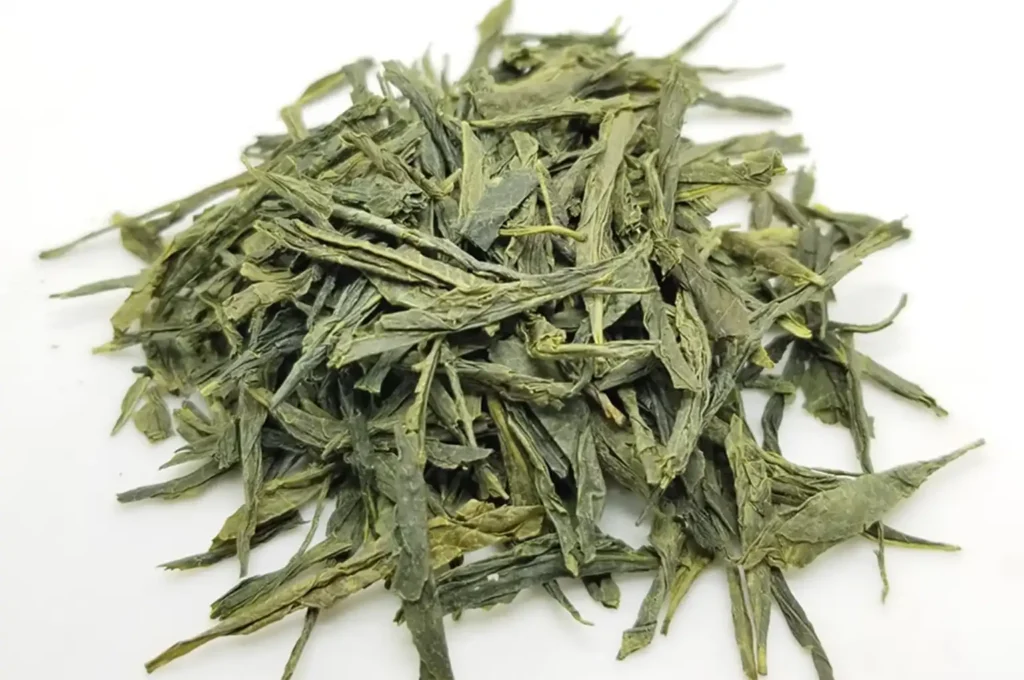
How to Brew Sencha
Brewing technique significantly impacts sencha’s flavor. Using lower water temperatures than black or oolong tea is recommended to preserve its natural sweetness and umami. Here is a basic brewing guide:
| Water Temperature | 70°C–80°C (158°F–176°F) (higher temperatures will cause bitterness). |
| Tea Ratio | 3 g sencha per 150 ml water. |
| Steeping Time | 30–60 seconds; steeping longer increases astringency and bitterness. |
Health Benefits of Japanese Sencha Tea
| Antioxidant Support | Rich in catechins to help fight free radicals. |
| Boosts Focus & Alertness | Contains a moderate amount of caffeine to enhance mental focus without the jitters associated with coffee. |
| Supports Metabolism | Helps promote fat metabolism, making it a great choice for daily wellness. |
| Promotes Oral Health | Catechins possess natural antibacterial properties that help prevent bad breath and tooth decay. |
| Freshens Breath | Sencha features a crisp, invigorating aroma that leaves your mouth feeling clean and refreshed. |
Potential Drawbacks of Japanese Sencha
| Caffeine Content May Disrupt Sleep | Drinking sencha close to bedtime may affect your overall sleep quality. |
| Interferes with Iron Absorption | Tannins in sencha can hinder the absorption of non-heme iron, so it is best to avoid drinking it immediately after meals. |
| May Cause Stomach Sensitivity | Because sencha contains tannins, consuming it on an empty stomach may irritate sensitive stomachs. |
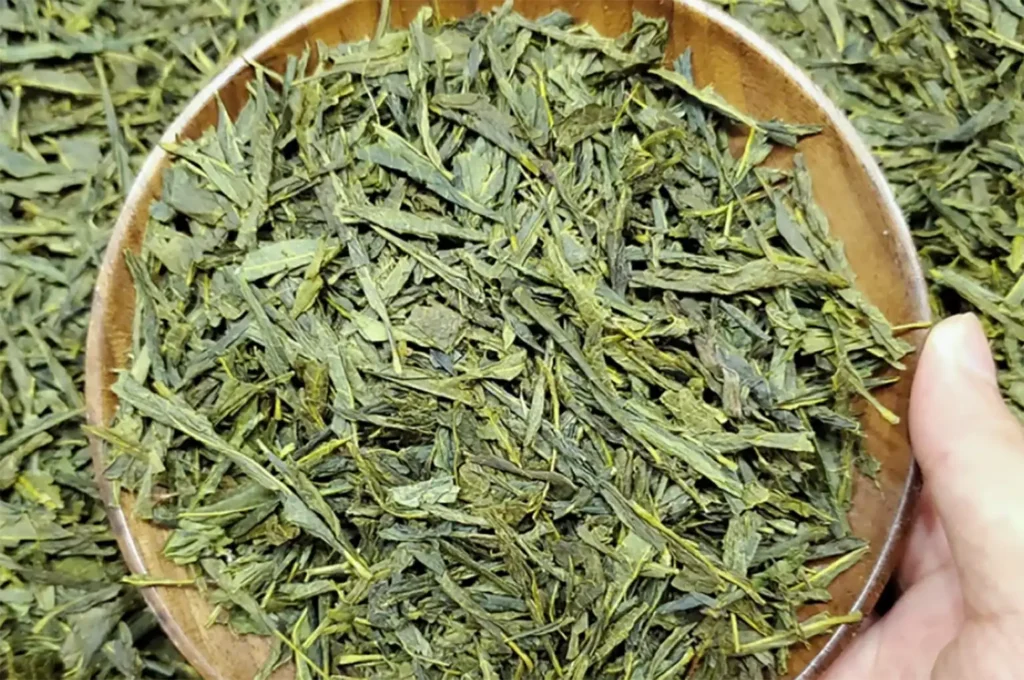
As Japan’s most beloved green tea, sencha offers a refreshing flavor alongside various natural nutrients, making it ideal for daily enjoyment. However, enjoy it in moderation and avoid drinking it right before bedtime to ensure a good night’s rest.
Japanese Sencha Tea Q&A
Q. Does Japanese sencha tea contain caffeine?
Yes, sencha contains caffeine, though significantly less than coffee. It delivers a gentle boost in focus without overstimulating your nervous system. However, individuals sensitive to caffeine or who are pregnant should still consume it thoughtfully.
Q. What is the difference between sencha and standard green tea?
Sencha is a distinct type of Japanese green tea processed through steaming, giving it a lively, sweet, and umami-rich flavor. In contrast, traditional Chinese green teas (such as Longjing or Bi Luo Chun) are typically pan-fired, producing a lighter cup with delicate roasted, nutty notes.
Q. Is Japanese sencha the same as matcha?
No, they are different. Matcha is made by grinding shade-grown green tea leaves into a fine powder, whereas sencha consists of needle-like loose leaves. They represent distinct styles of green tea with unique preparation methods.
Q. How do sencha and matcha differ from each other?
Sencha is prepared by steeping whole tea leaves in hot water, representing classic loose-leaf green tea. Matcha is made from tea leaves ground into a fine powder and whisked into water. Matcha offers a bolder, richer, and slightly astringent profile, whereas sencha is light, crisp, and naturally sweet.