
As one of the world’s most popular beverages, green tea is beloved by tea lovers for its fresh taste and rich health properties. However, despite its many wellness perks, consuming too much or drinking it incorrectly can lead to discomfort. This guide breaks down the benefits, side effects, and precautions of green tea so you can enjoy every cup safely and healthily.
Health Benefits and Advantages of Drinking Green Tea
| Antioxidant Support & Anti-Aging | Green tea contains the highest levels of catechins and polyphenols among all tea types. These compounds help neutralize free radicals, reduce cellular oxidative damage, and slow down aging. |
| Weight Management & Metabolism Boost | The catechins and caffeine in green tea can boost your metabolic rate and encourage fat burning, making it a great beverage for weight management. |
| Cardiovascular Health | Green tea helps lower bad cholesterol while raising good cholesterol, maintaining blood vessel elasticity and reducing the risk of cardiovascular disease. |
| Enhanced Focus & Mental Clarity | Caffeine helps improve alertness and focus. Compared to coffee, green tea provides a gentler boost in energy with less chance of overstimulating your nervous system. |
| Blood Sugar Management | Research shows that green tea can help lower fasting blood glucose levels and support blood sugar control. |
| Gut Health Support | The polyphenols in green tea have antibacterial properties that help maintain a balanced gut microbiome, promote digestive motility, and support overall gut health. |
| Oral Health Protection | Green tea compounds help inhibit bacterial growth in the mouth, preventing tooth decay and bad breath. Its natural aroma also works well to freshen breath. |
Green Tea Precautions and Potential Side Effects
| Stomach Health Impact | Tannins in green tea can stimulate stomach acid secretion. For individuals with stomach ulcers, hyperacidity, or sensitive stomachs, drinking green tea may aggravate discomfort. |
| Iron Absorption | The tannins in green tea interfere with the absorption of plant-based iron. Those with anemia or iron deficiency should avoid drinking green tea right before or after meals. |
| Sleep Disruption | Caffeine boosts alertness, but it can also cause overstimulation, leading to insomnia or reduced sleep quality. |
| Medication Interference | Green tea may affect the absorption and metabolism of certain medications (such as blood thinners, blood pressure drugs, and sedatives). Anyone taking prescription meds should avoid washing them down with green tea or consult a physician first. |
| Palpitations or Anxiety | Also due to caffeine content, people sensitive to caffeine may experience palpitations, anxiety, or tremors if they consume too much green tea. |
Who Should Be Cautious When Drinking Green Tea?
| People with ulcers or hyperacidity | Avoid drinking green tea on an empty stomach to prevent stomach discomfort. |
| People with anemia | Avoid drinking excessive green tea during meals to prevent interfering with iron absorption. |
| Pregnant and nursing women | Limit intake to avoid impacting fetal or infant development. |
| People prone to insomnia | Avoid drinking green tea in the late afternoon or within 6 hours of bedtime to safeguard sleep quality. |
| People with poor kidney function | Avoid drinking large quantities at once or consuming strong brews to prevent putting extra strain on the kidneys. |
What Should You Do If Green Tea Keeps You Awake?
- Lower the steeping strength and reduce consumption to avoid ingesting too much caffeine.
- Stop drinking green tea after noon or at least 6 hours before bedtime to minimize its impact on sleep.
- Switch to caffeine-free alternatives like herbal infusions. Your health comes first!
Is Green Tea Produced in Taiwan?
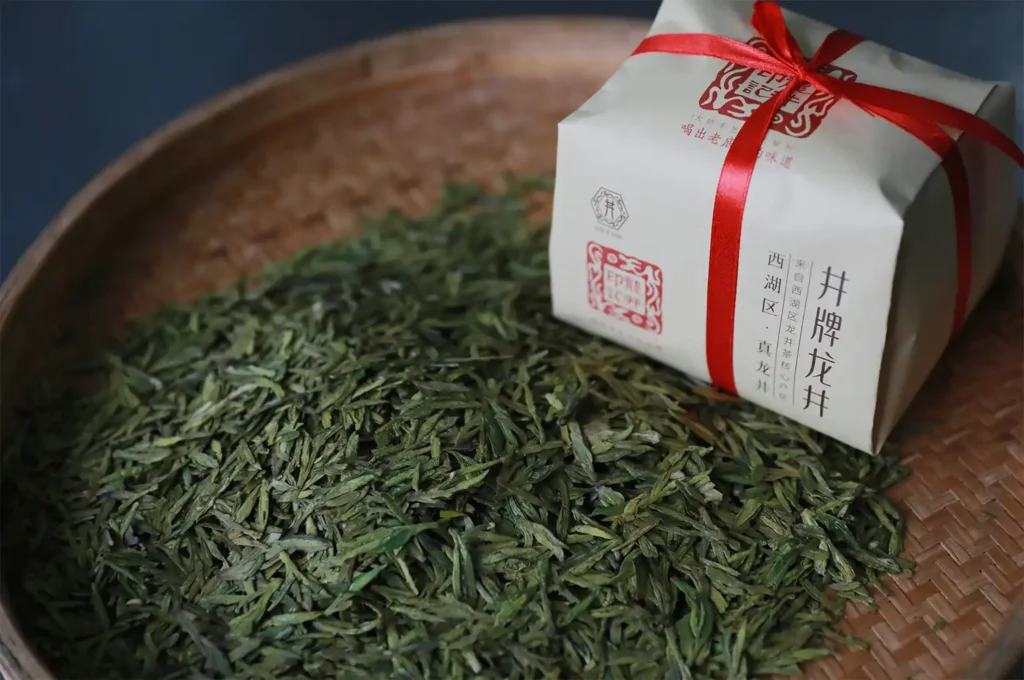
Yes, Taiwan produces green tea, with its most famous varieties being Sanxia Bi Luo Chun and Longjing (Dragon Well) tea. In addition to Sanxia, major tea regions across Taiwan also produce green tea, primarily processing it into green tea powder, matcha powder, or supplying it to commercial boba and beverage shops.
How Do You Brew a Great Cup of Green Tea?
Use 6 g of tea leaves with 150–200 ml of hot water. Keep the water temperature between 80–85°C (175–185°F)—water that is too hot will destroy green tea’s fresh, vibrant flavor. Steep for 1–2 minutes; over-steeping can make the tea bitter. Using soft water (such as spring water or mineral water) enhances the natural sweetness; avoid using purified or distilled water.
Green tea certainly offers many health benefits, such as antioxidants, boosting metabolism, and supporting cardiovascular health. However, there are also potential drawbacks and precautions to consider. Most side effects can be avoided by drinking it in moderation and choosing the right time to drink. Additionally, claims that green tea can cure cancer or heart disease lack scientific backing. Enjoying green tea in moderation alongside a balanced diet, regular exercise, and healthy habits is the best way to truly reap its wellness benefits.