
For beginners just starting to explore tea, the market offers countless options with widely varying prices. How do you choose the right tea for you and avoid poor quality or fake products? This article aims to guide beginners in buying tea and share how to safely purchase premium Taiwanese tea.
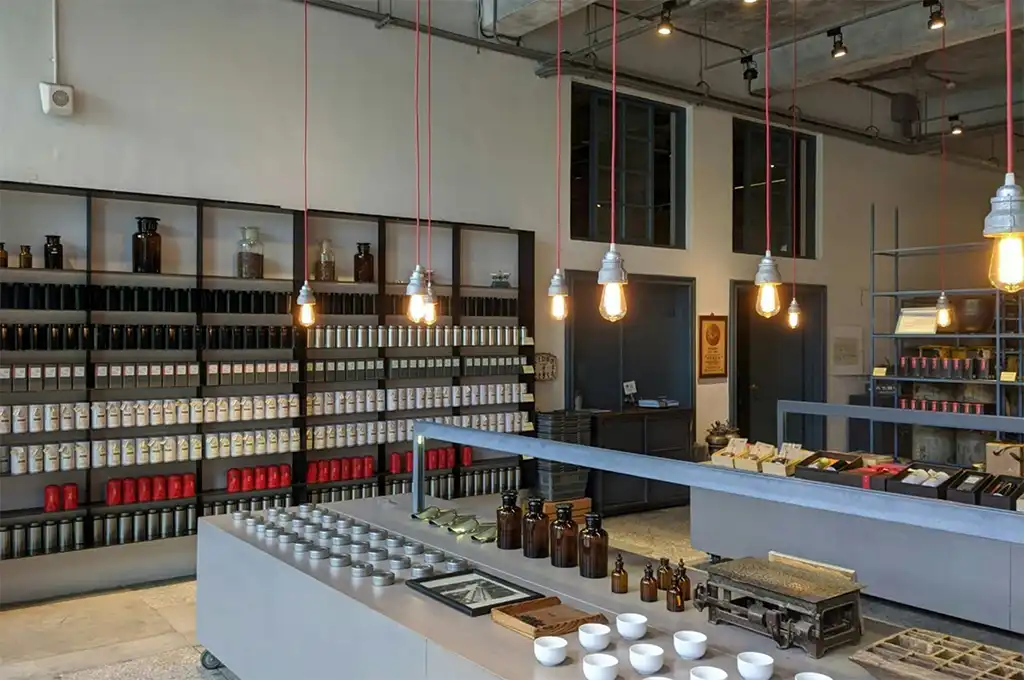
What should beginners look out for when buying tea?
Which type of tea is right for you?
Taiwan is a world-class origin for premium tea, offering a wide variety of fine selections. If you prefer crisp and aromatic teas, light-fermented oolongs (high mountain teas or Pouchong) are a great choice. If you like roasted notes, traditional Dong Ding oolong is ideal. For those who lean toward sweet and fruity flavor profiles, Oriental Beauty or black tea are worth considering.
If you aren’t sure which flavor profile suits you best, starting with light-fermented oolong tea is a great entry point. Taiwan produces some of the finest oolongs in the world, and among the various types, light-fermented aromatic oolongs are the most popular. Varieties like Pouchong, High Mountain Oolong, JinXuan oolong, and SiJiChun oolong are all fantastic choices for beginner tea lovers.
Pricing Units for Taiwanese Tea
When purchasing tea at traditional shops in Taiwan, you will notice that prices are commonly listed in “catty (jin)” and “tael (liang)”. Converted to metric units: 1 catty = 600 g, 1 tael = 37.5 g. Common packaging specifications include 2 taels = 75 g, 4 taels = 150 g, 8 taels = 300 g (half a catty), and 16 taels = 600 g (one catty).
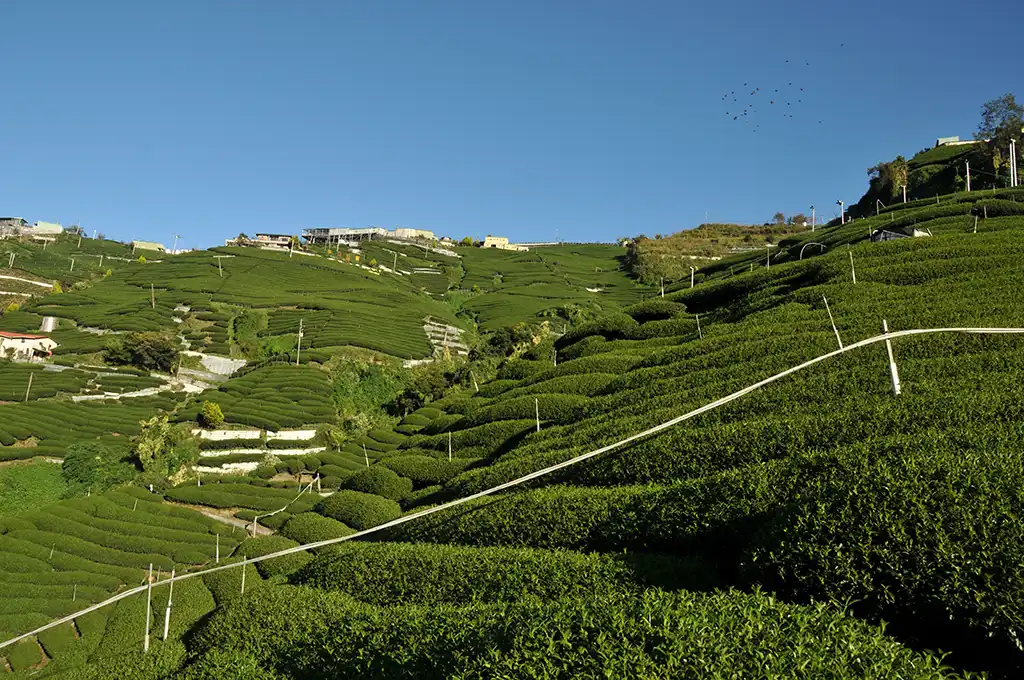
Taiwanese Tea Pricing Trends (Important)
Taiwanese tea prices vary dramatically, ranging from several hundred NT dollars to tens of thousands of NT dollars per 600 g. Aside from competition teas, Oriental Beauty, and black teas, the price of Taiwanese tea is generally directly proportional to its growing altitude, with premium regions carrying an extra brand markup.
Why are high-mountain teas more expensive than low-altitude teas? Yield and production costs are the main factors. Medium- and low-altitude tea gardens can be harvested 6 to 7 times a year, whereas high-mountain teas are harvested only 2 to 3 times a year, resulting in a much smaller yield. In addition, high-mountain tea gardens involve higher management, transportation, harvesting, and land costs. Due to these reasons, high-mountain teas are significantly pricier than lowland teas. So, what is the typical price range for high mountain tea?
The general price ranges for high mountain teas are roughly as follows: At altitudes of 1,000–1,500 meters, the price per 600 g is roughly the altitude × 1.5–2 in NTD; at 1,500–2,200 meters, it is roughly the altitude × 2–3 in NTD. Famous tea regions, due to limited yields and brand premiums, can reach 3 to 5 times that. For instance, Fushoushan Farm Tea (2,300–2,480 meters) retails at around NT$10,000 per 600 g; HuaGung tea (2,400 meters) retails around NT$7,000–10,000 per 600 g; Dayuling tea (2,250–2,350 meters) retails around NT$8,000–10,000 per 600 g; and Biluxi tea (2,100 meters) retails around NT$4,000–6,000 per 600 g.
A quick reminder for beginner tea lovers: altitude is only one of the positive factors influencing quality. Tea garden management and tea-making craftsmanship are even more crucial. Therefore, high-mountain tea is not necessarily always better-tasting than medium- or low-altitude tea. Beginners do not need to blindly chase high-altitude teas; instead, choose the tea that best matches your personal palate.
The Issue of Tea Origin Authenticity (Widespread Fake Origins)
There is a saying in the Taiwan tea community that “Taiwan’s tea waters run deep,” meaning that the origin labeling of many teas is not entirely transparent. As mentioned in the previous section, premium regional teas carry price markups, which leads some merchants to blend teas (mixing high-altitude tea with low-altitude tea), pass off lower-quality teas as premium ones (using low-altitude tea to impersonate high-mountain tea), or even substitute them with foreign teas. This makes it very difficult for beginners to tell the difference.
Where is the Best Place to Buy Tea?
Where is the best place to buy tea? With fake teas running rampant and beginners having no guidance yet wanting authentic Taiwanese tea, we recommend: 1. Choosing reputable tea shops or merchants (shameless plug for Liao Chang Xing). 2. Purchasing from farmers’ associations or official brands (such as regional farmers’ associations or Fushoushan Farm). 3. Looking for officially sealed Taiwan competition teas (such as New Taipei competition teas, Ren’ai Township competition teas, or Lugu competition teas).
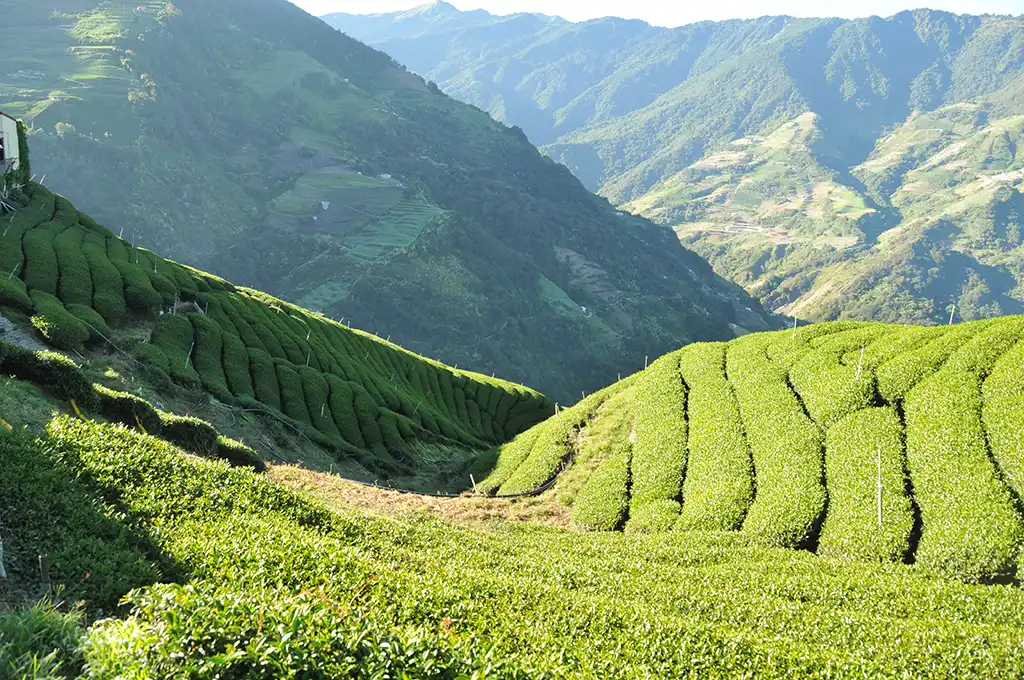
Tips for Beginners Buying Tea
1. Bring along an experienced friend or a professional tea master to help evaluate quality. 2. Avoid teas that are priced drastically below market value; unusually low prices often indicate blended or imported teas. 3. Always start with the smallest package size to test the tea—choose 75 g or smaller, and buy more only if you enjoy it. 4. Begin with lower-altitude teas and gradually work your way up as you build your tea-tasting experience. 5. Choose tea merchants that offer return policies for greater peace of mind.