What is a Rinsing Infusion? Let Experts Show You Which Teas Need It

When drinking tea, you often hear the term “rinsing infusion” (wen run pao). It might sound a bit unfamiliar to beginners, but for tea enthusiasts, it’s an indispensable part of brewing certain teas. It not only enhances the quality and flavor of the tea leaves but also allows people to better enjoy the pleasure of tea tasting.

Warm rinse

What is a Rinsing Infusion?

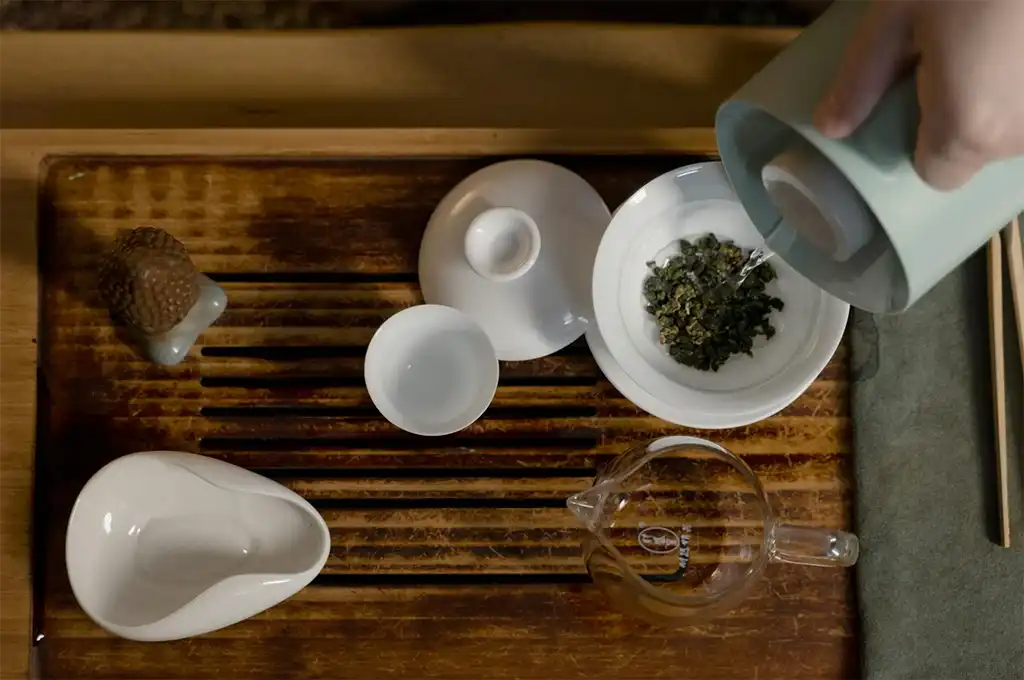
A rinsing infusion refers to briefly steeping the tea leaves with hot water before the formal brewing process—usually for a very short time—and then quickly discarding the liquor. This process serves to “awaken the tea leaves,” helping tightly compressed leaves to unfurl so they can better release their flavors and aromas in subsequent steeps. Additionally, a rinsing infusion acts as a “tea wash,” helping to rinse away dust and any undesirable residues.

Which Teas Need a Rinsing Infusion?

Generally, compressed teas require it, such as Pu-erh, Tuocha, and citrus-infused oolong (Suan Gan Cha), because they are packed tightly during production, and a rinsing infusion helps them expand. Taiwan’s commonly enjoyed Baozhong tea, Oriental Beauty, High Mountain tea, and Dongding tea are relatively loose, and their flavors release very quickly, making a rinsing infusion unnecessary.

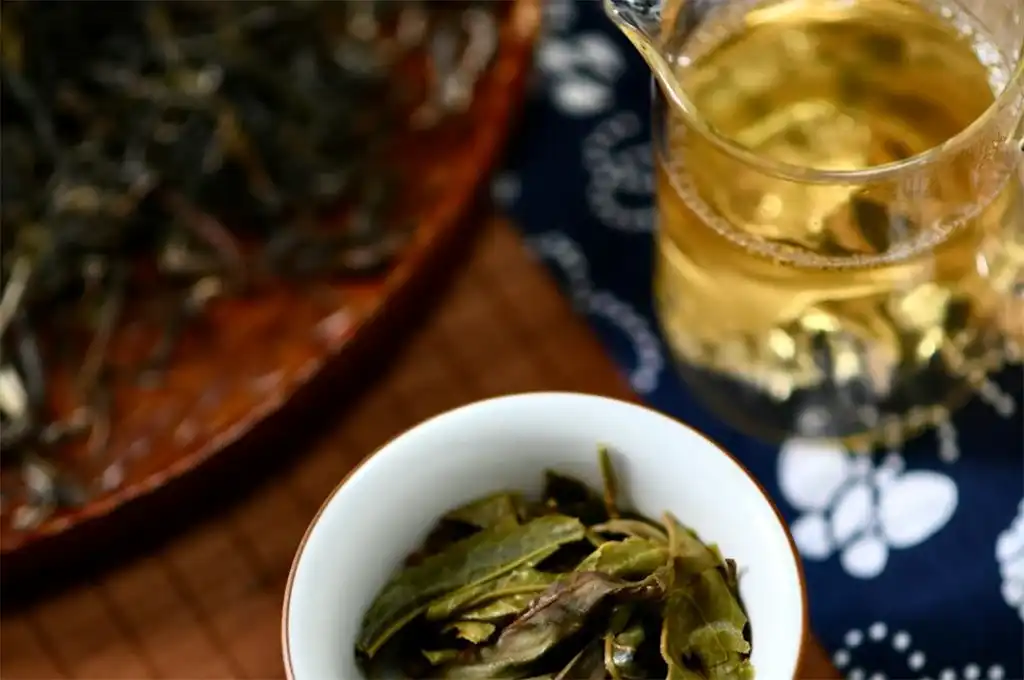
Warm rinse

Rinsing Infusion for Taiwanese Tea

Although a rinsing infusion is not essential for most Taiwanese teas, it still has certain benefits for improving brewing quality. Another advantage is that it adds a sense of ritual to the tea-making process, which is definitely worth trying for tea lovers who pursue a higher tea experience.

Rinsing Infusion Q&A

How long should you steep for a rinsing infusion?

You can pour it out 3 to 10 seconds after pouring in the hot water; it doesn’t need to be long.

Shopping Cart