
Which tea has the lowest caffeine? Many people are sensitive to caffeine or want to enjoy tea without affecting their sleep. The caffeine content in tea mainly depends on four key factors: “harvesting part,” “tea leaf integrity,” “growing temperature,” and “roasting level.” Once we understand these, we can easily compare the caffeine levels of black tea, green tea, and oolong tea to figure out which one has the lowest caffeine.
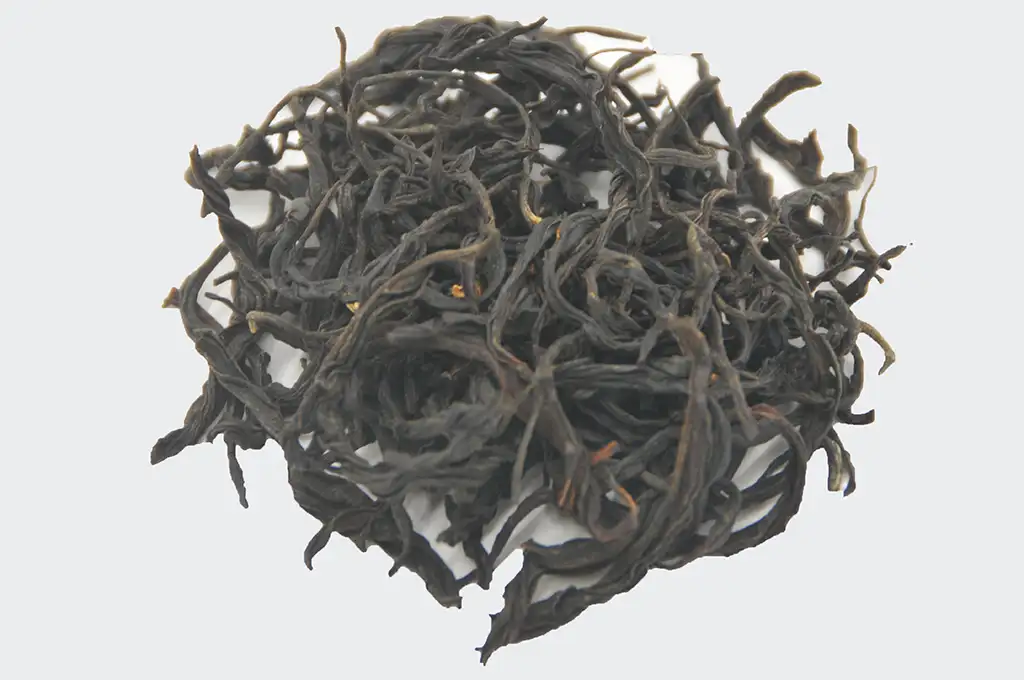
Which Tea Has the Lowest Caffeine? Factors That Affect Caffeine Levels
Harvesting Part: The part of the tea plant that is picked affects the caffeine content. Generally, the younger the leaves, the higher the caffeine. Therefore, teas that feature tender buds or one-bud-one-leaf will have higher caffeine levels. Conversely, teas made from mature leaves tend to have lower caffeine, though the flavor may also be lighter.
Tea Leaf Integrity: The integrity of the tea leaves affects the release of caffeine during brewing. The more broken the leaves, the faster and more efficiently caffeine dissolves. Therefore, given the same brewing time and volume, broken black tea will have a higher caffeine content than whole-leaf black tea. Another extreme example is green tea powder (matcha powder), which also has a very high caffeine content.
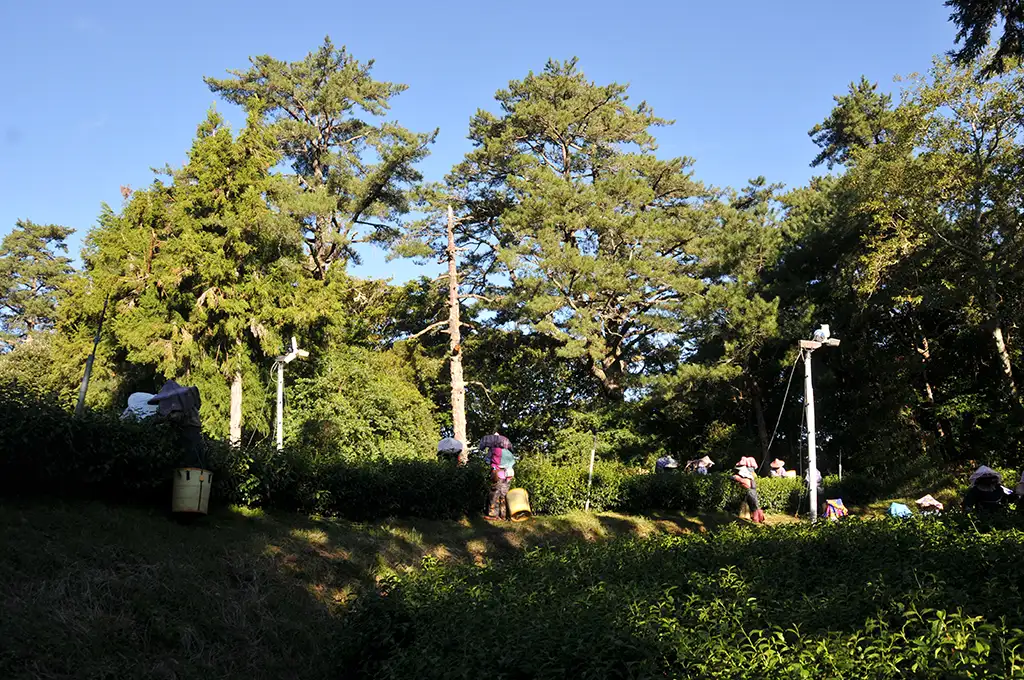
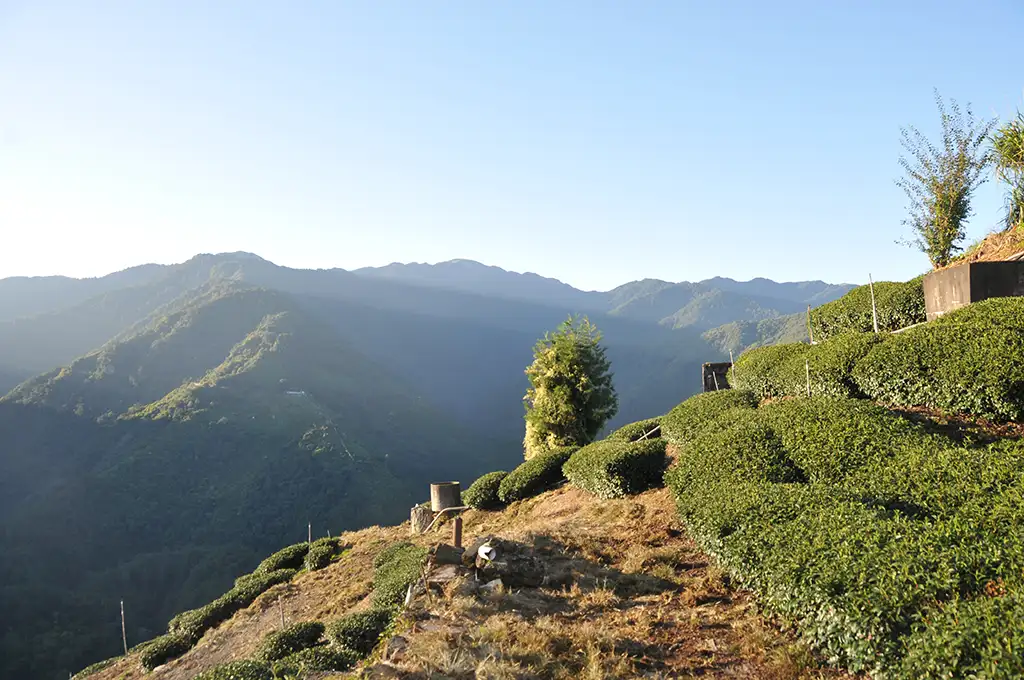
Tea Leaf Growth Temperature: Research shows that the higher the temperature during the growing period, the more caffeine is generated within the tea leaves—which is why summer tea typically has a higher bitterness. Another example is Taiwanese black tea, which is usually harvested in the summer and has a richer flavor. Conversely, high mountain tea experiences low temperatures in the mountains, resulting in less bitterness and lower caffeine levels compared to lowland tea.
Roasting Level: The roasting level also affects the final caffeine content. During high-temperature roasting, caffeine is transformed into aromatic and caramel notes, meaning that teas with a heavier roast will have a relatively lower caffeine concentration.
Conclusion: Which tea has the lowest caffeine?
Generally speaking, green tea tends to have a lower average caffeine content, making it suitable for those sensitive to caffeine. Black tea usually contains the most caffeine (often made from summer harvests, lightly roasted, and with more broken leaves). Oolong tea varies by circumstance: summer oolongs (such as Red Oolong and Oriental Beauty, which are mostly harvested in summer) have higher caffeine content, while high mountain spring and winter oolongs fall into the low-caffeine oolong category.
In fact, aside from choosing low-caffeine teas, the brewing method and time also affect caffeine content. Trying a lower water temperature, using fewer tea leaves, and shortening the steeping time can also help reduce caffeine extraction, so you don’t necessarily have to limit yourself to low-caffeine teas.