
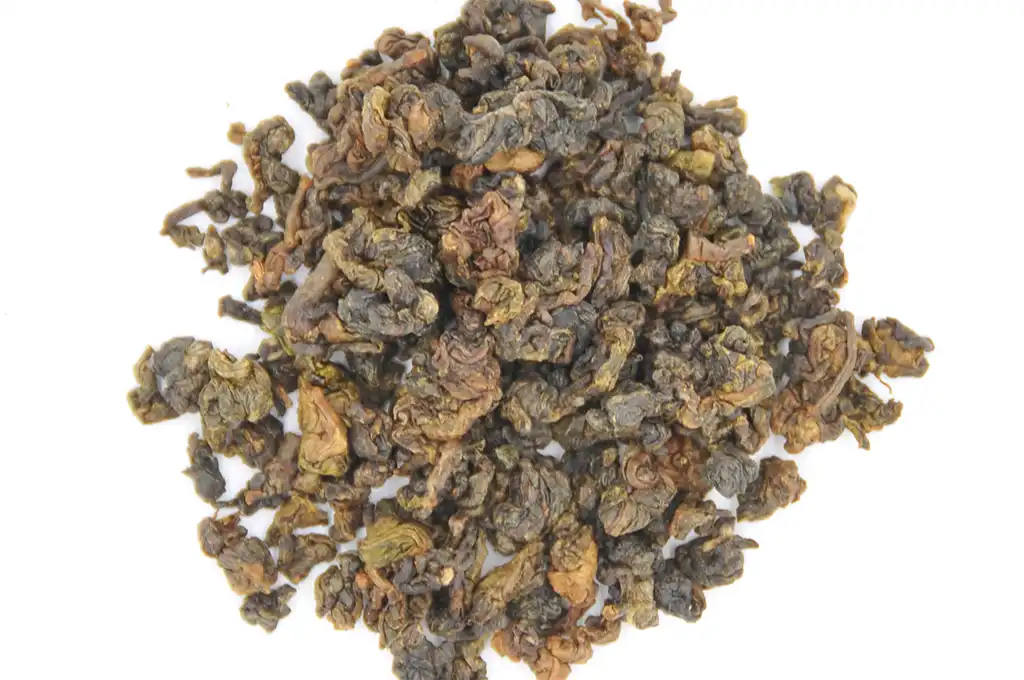
Oolong tea is a daily beverage choice for many people. Not only does it offer a refreshing flavor, but it also provides numerous health benefits. Whether you want to boost your energy, improve your breath, or relieve stress, oolong tea can meet these needs. However, there are also things to keep in mind when drinking oolong tea. Understanding its potential taboos and side effects will help you better enjoy its health benefits.

4 Major Benefits of Oolong Tea
- Boosts Energy and Alertness: The caffeine in oolong tea helps enhance focus and concentration. Its energizing effect helps you quickly recover when feeling fatigued, making it ideal for work or study sessions.
- Prevents Bad Breath and Improves Oral Freshness: Tea leaves contain polyphenol components that can slow down the proliferation of bacteria in the mouth, and the aromatic flavor of oolong tea helps freshen your breath so you can stay confident all day long.
- Relieves Stress and Promotes Relaxation: The L-theanine in tea leaves helps relax the nerves and ease daily stress. Enjoying a cup of oolong tea during your downtime brings a sense of calm and comfort, making it especially suitable for a busy, high-stress lifestyle.
- Supports Antioxidant Activity: Oolong tea is rich in catechins, which are antioxidants that fight free radicals in the body, helping to slow down cell aging and maintain overall health.
Taboos and Side Effects of Excessive Oolong Tea Consumption
Although oolong tea has many health benefits, drinking it in excess can also cause adverse effects. Here are a few taboos to keep in mind:
- Caffeine Concerns: All tea leaves contain caffeine, and oolong tea is no exception. Drinking it in excess may trigger issues such as insomnia and heart palpitations, especially for those sensitive to caffeine, who should exercise particular caution.
- Excessive Sugar: Many people like to buy oolong tea from bubble tea shops, but these beverages often contain a large amount of sugar, and excessive intake can lead to weight gain and health problems.
- Unsuitable for Caffeine-Allergic Individuals: People with caffeine allergies should avoid drinking oolong tea, as even a small amount of caffeine can trigger discomfort symptoms.
Unsuitable for Pregnant and Nursing Women: Pregnant and breastfeeding mothers should be careful not to consume oolong tea in excess, as too much caffeine may affect the health of the fetus or baby. - Drinking on an Empty Stomach: Drinking tea on an empty stomach may stimulate stomach acid secretion, leading to gastric discomfort. It is generally recommended to drink it after meals.
- Interactions with Certain Medications: Components in oolong tea may interact with certain medications, such as anticoagulants. If you are currently taking medication, you should consult your doctor.

When drinking oolong tea from beverage shops, pay attention to whether the sugar content is excessive.
Moderate Consumption Ensures Benefits
To reap the health benefits of oolong tea, moderation is key. The recommended daily caffeine intake should be kept under 300 mg, while 100 ml of oolong tea contains about 25 to 55 mg of caffeine. Generally, drinking it in moderation will help you avoid side effects. At the same time, combining it with healthy lifestyle habits and exercise will help maximize the 4 major benefits of oolong tea.