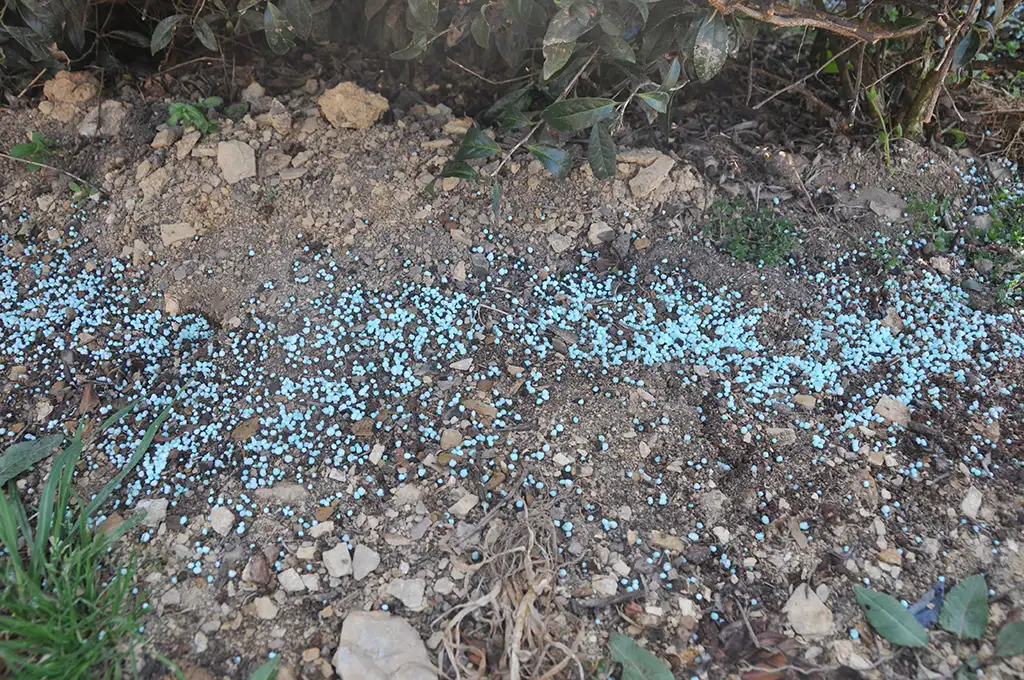
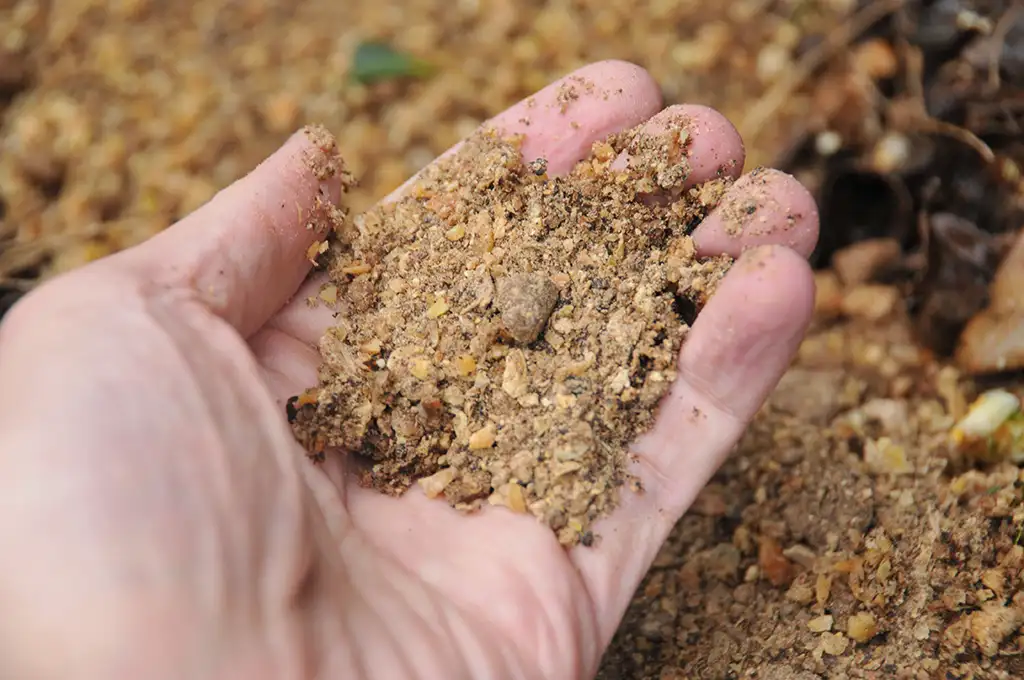
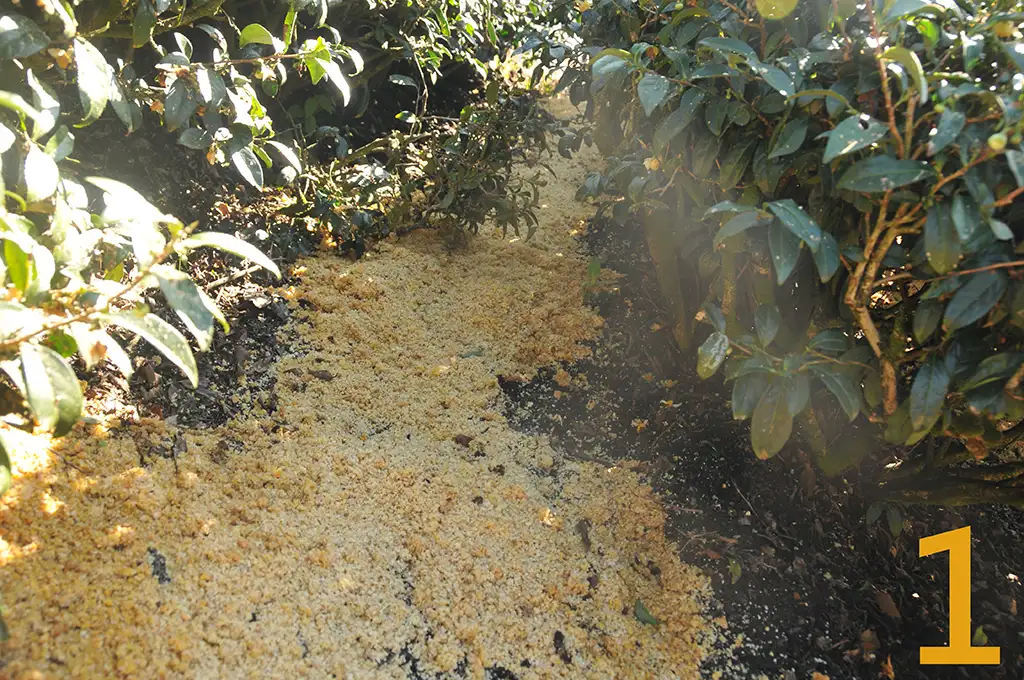
The secret to delicious tea: compared to traditional chemical fertilizers, nourishing tea plants with soybean meal elevates the aroma, body, and lingering finish by leaps and bounds while significantly reducing bitterness and astringency.
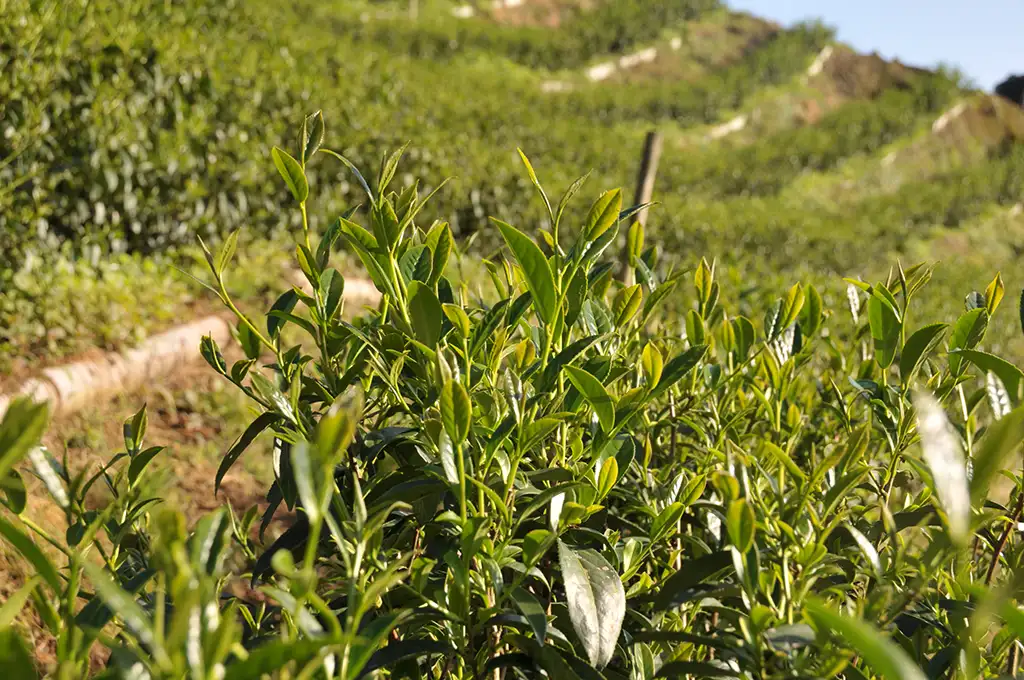
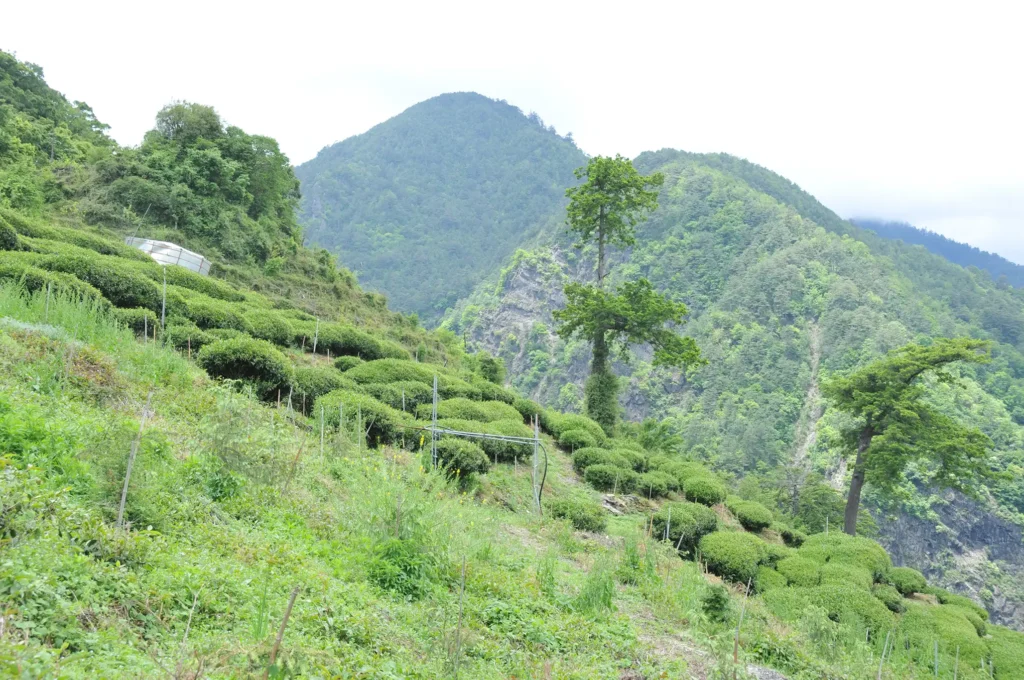
Young-bush tea comes from newly planted, young tea trees. These young bushes absorb nutrients even more efficiently, yielding quality that often surpasses older tea trees.
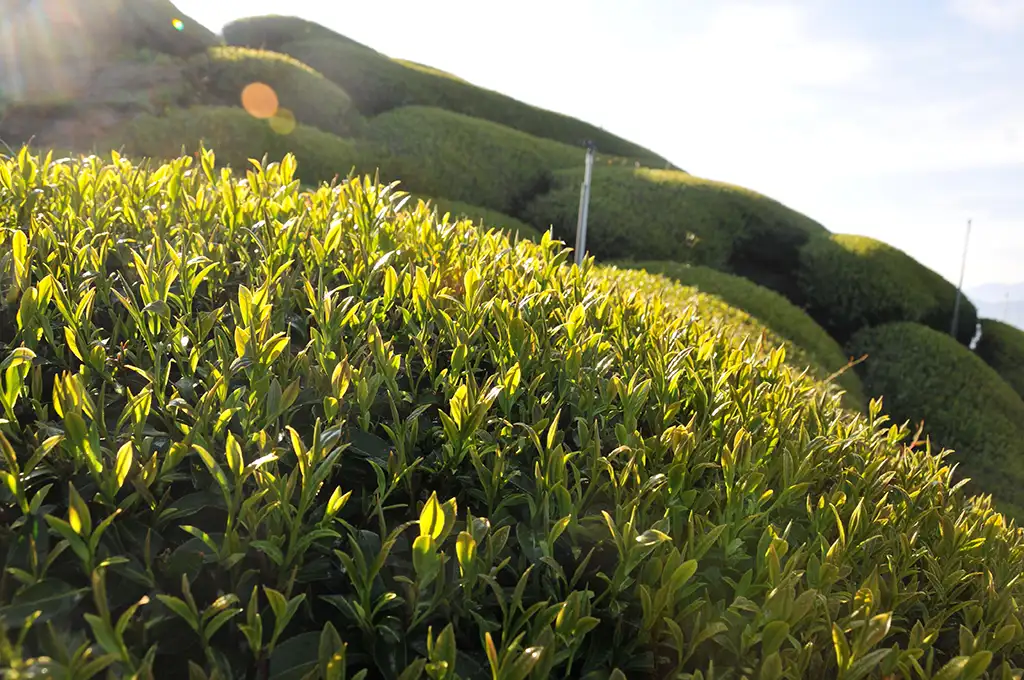
Tender-leaf plucking has both pros and cons. The pros are a rich, robust flavor profile, layered aromas, and a wonderful fresh tea character; the disadvantage is that it makes processing considerably more challenging.
Fertilization isn’t just about the initial soybean meal; high-quality topdressing during the growing season is equally important. This is the key element that elevates a solid 80-point premium tea into a mind-blowing 90-point masterpiece.
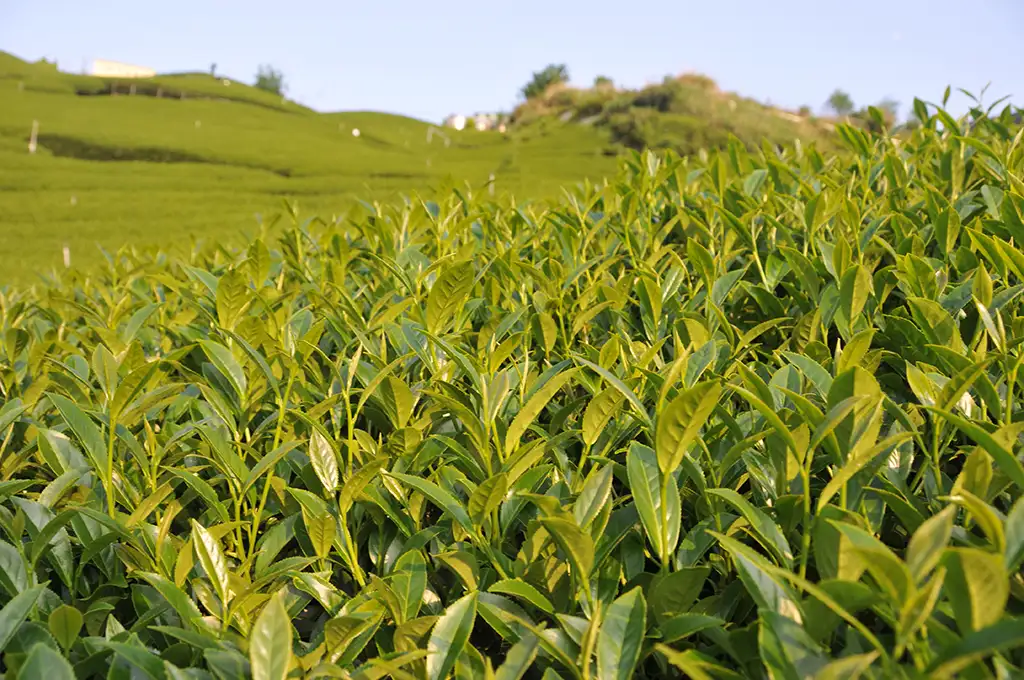
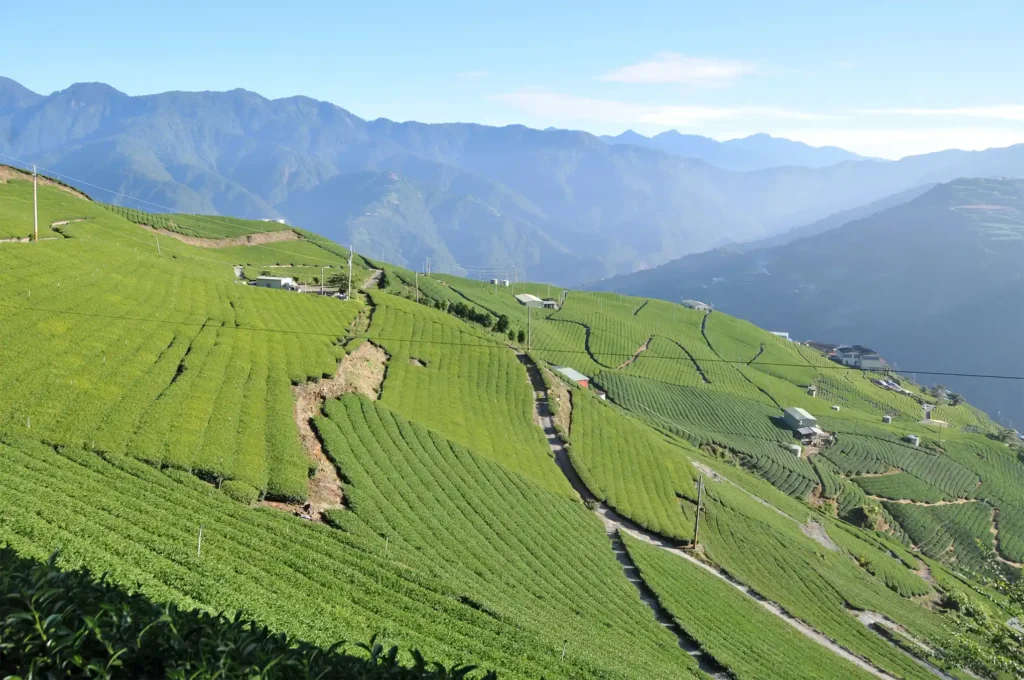
The absolute best tea leaves are not only harvested on sunny days but specifically during a stretch of “consecutive sunny days” to take the quality to the next level.
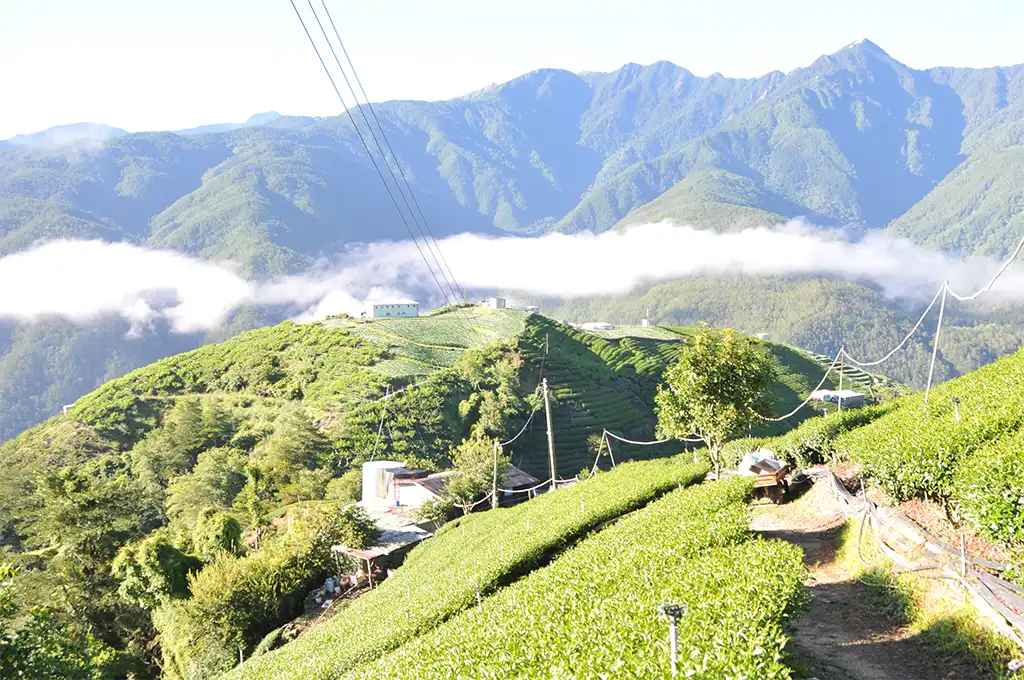
A “must-have” facility for any high-quality tea plantation. In high-mountain tea regions prone to rainfall shortages, tea plantations without an irrigation system have a very low chance of producing exceptional tea.