Tea Lover’s Inquiry: I’d like to try white tea. The most common white teas on the market in Taiwan are White Peony and Shoumei. What’s the difference between White Peony and Shoumei tea? Which one is of better quality?
What are the harvest standards for White Peony and Shoumei tea?
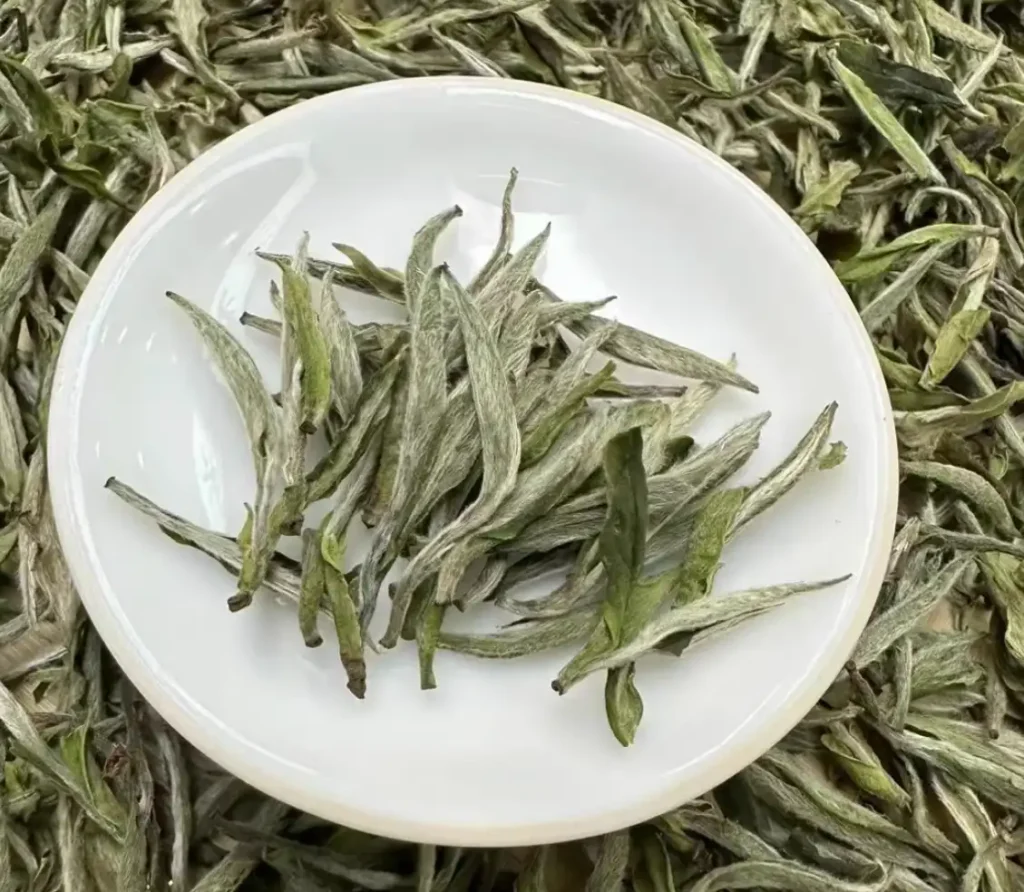
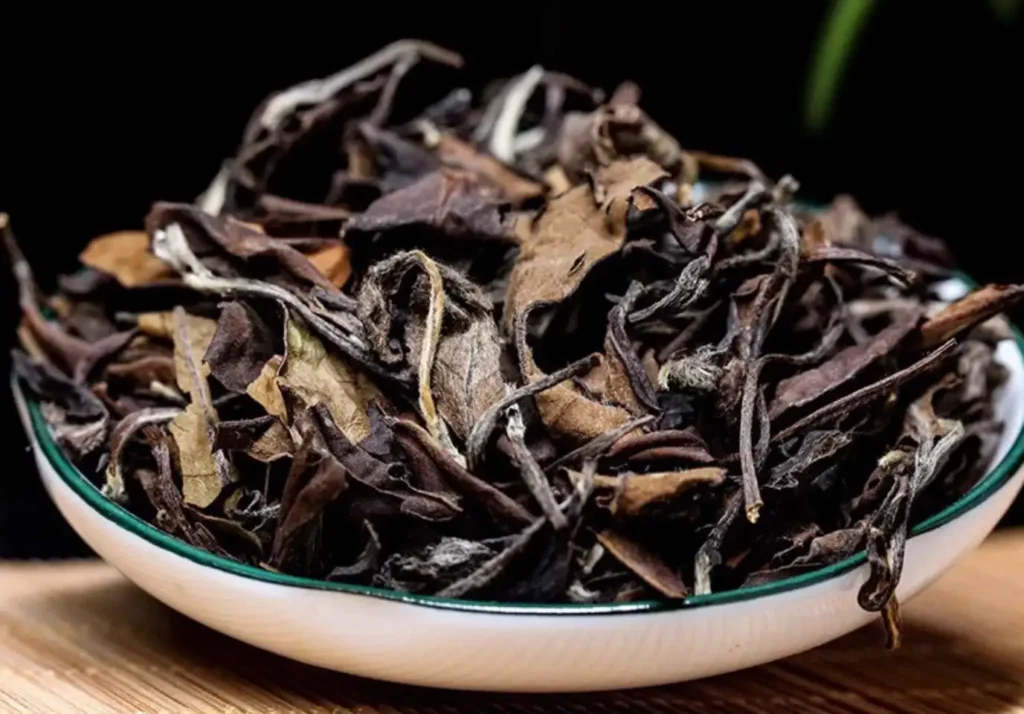
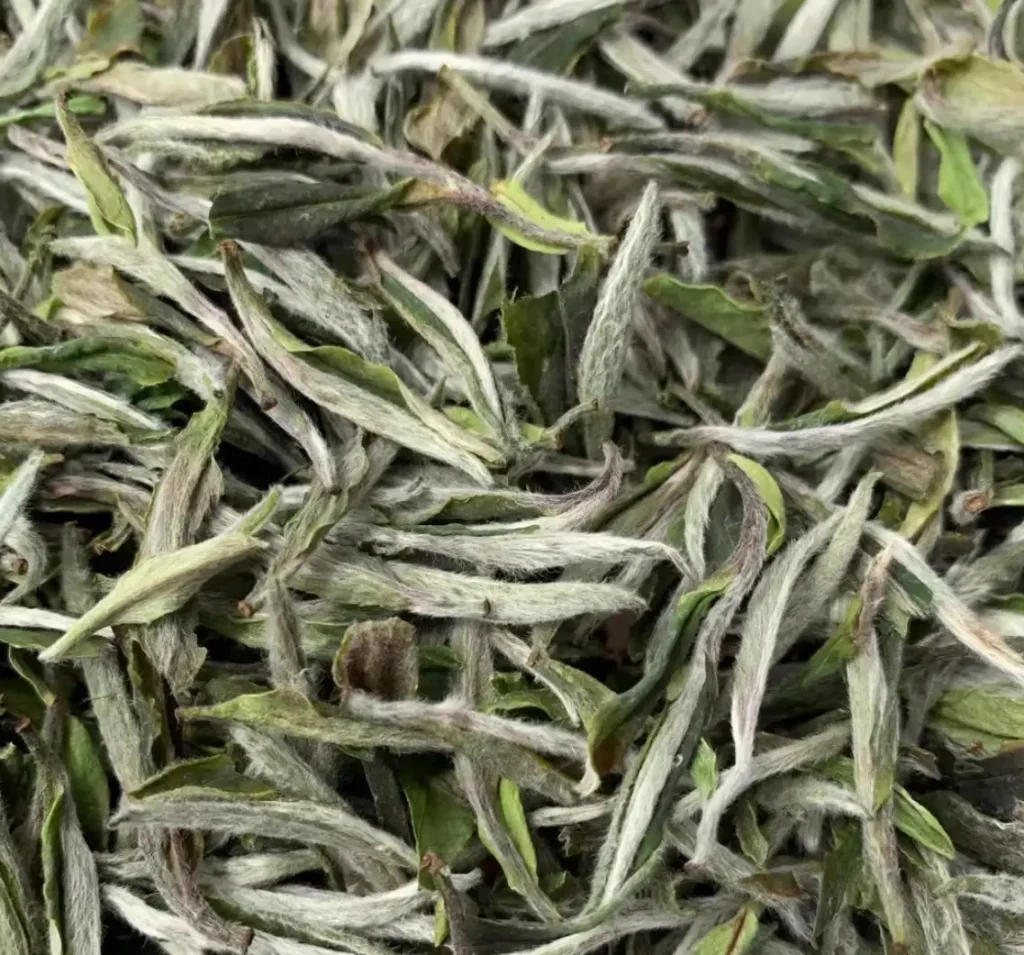
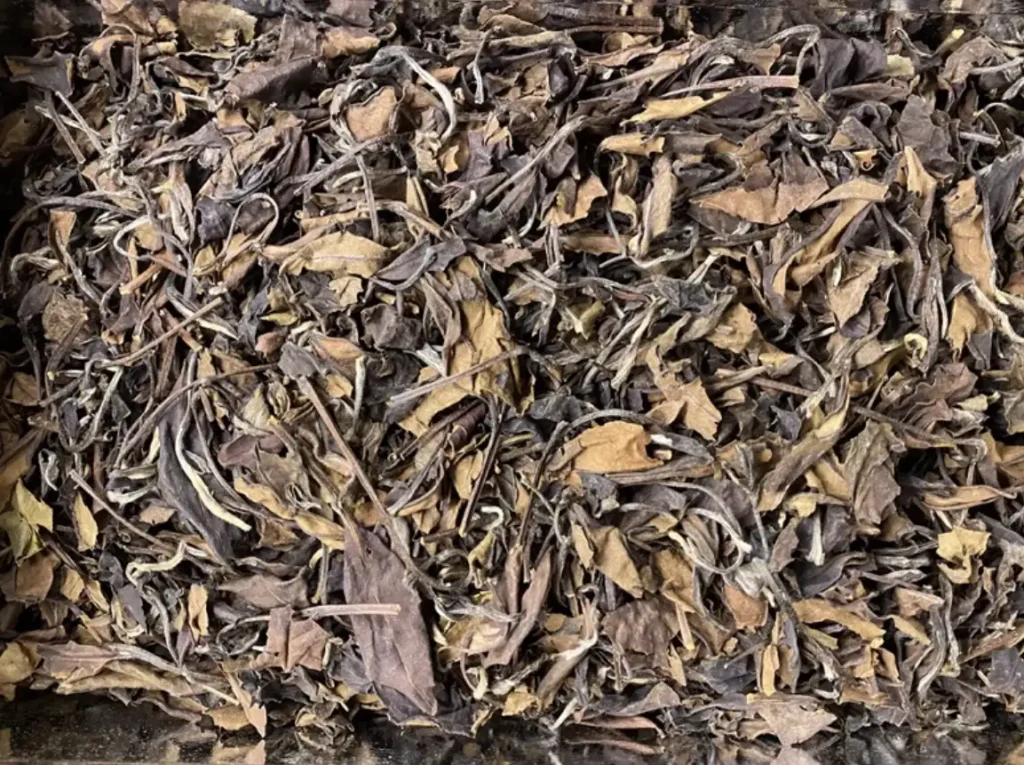
White tea is categorized into four grades based on harvesting methods: Silver Needle, White Peony, Gongmei, and Shoumei. The harvest standard for White Peony is one bud and one leaf or one bud and two leaves, with prominent pekoe (downy hairs). The appearance features silvery-white tender buds and vibrant green leaves, resembling a blooming peony flower, which is how it got its name. Shoumei’s harvest standard consists of mature leaves that do not necessarily require pekoe, typically made from one bud with three or more leaves. (White Peony above, Shoumei below)
What's the difference? Which tea is better?
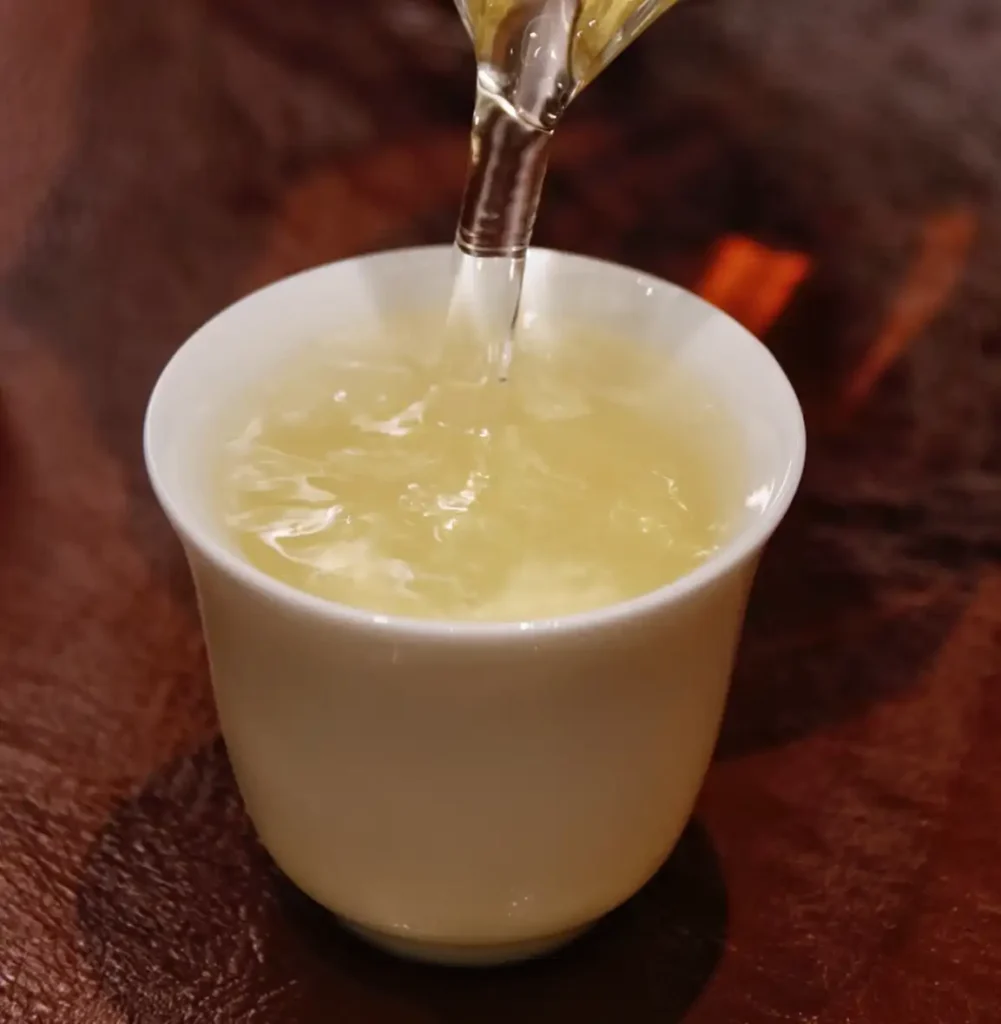
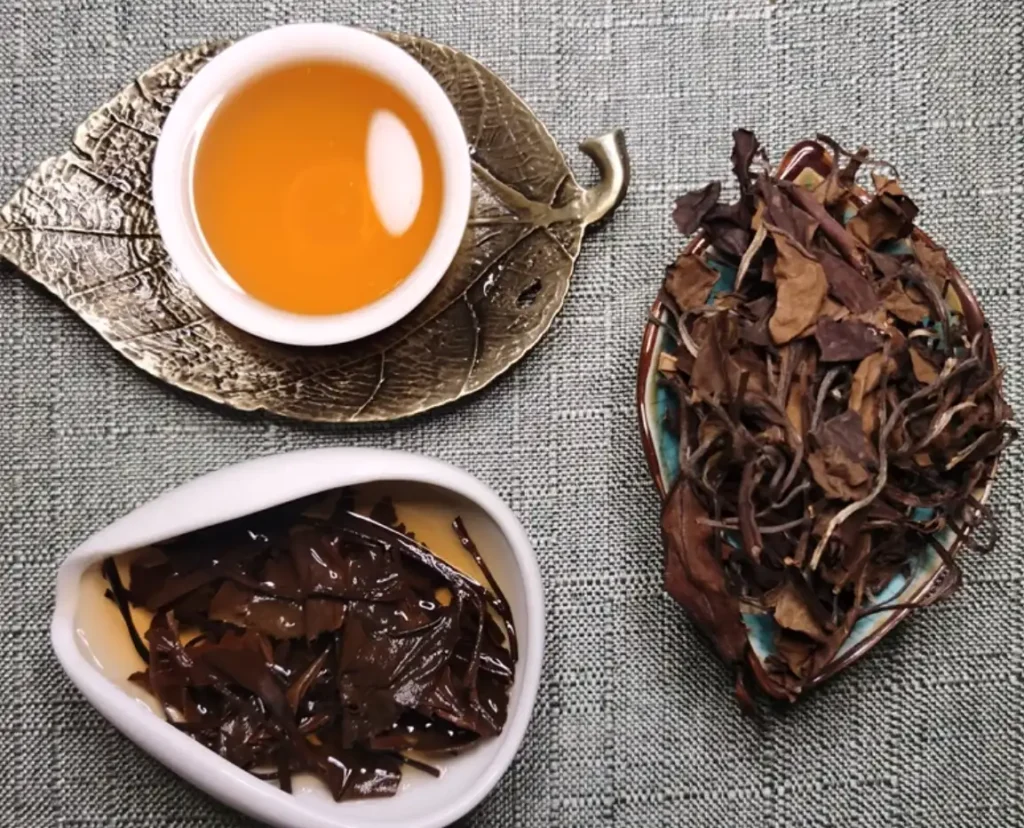
In addition to the differences in harvesting standards and appearance, the two teas also differ in taste. Paimudan white tea offers a clear, sweet, fresh, and smooth palate with a distinct lingering aftertaste, and an infusion that is bright, light yellow or apricot-yellow. Shoumei tea leaves have a more brownish-yellow color, are larger and more mature, and contain more stems. The liquor is a deeper orange-yellow or golden color. Generally, Paimudan is considered superior to Shoumei in terms of harvesting difficulty and tea quality. (Figure 1 below shows the Paimudan infusion, and Figure 2 shows the Shoumei infusion)

Is Shoumei necessarily inferior to Paimudan tea?
What truly determines the quality of tea is tea garden management, production craftsmanship, and storage conditions. Good management and craftsmanship can produce high-quality Shoumei tea that is definitely superior to poorly managed and roughly processed Paimudan tea. Even if its initial quality is not as good as Paimudan’s, after a few years of premium aging and storage, it still has the chance to surpass Paimudan. Our store manager has tasted top-quality 3-year-old Shoumei that easily rivals ordinary Paimudan or even Silver Needle (Baihao Yinzhen).
Conclusion: How to choose between Paimudan and Shoumei tea
From the same harvest year, the price of Paimudan will be higher than that of Shoumei. From the same tea garden, using the same material to make Paimudan versus Shoumei yields a difference in volume of more than 5 times. Therefore, for the same year, cultivar, and season, Paimudan is priced much higher than Shoumei. The advantages of Shoumei are its higher yield and more affordable price, making it ideal as an everyday drinking tea.