
In recent years, white tea has gained popularity for its simple, natural production process and flavor profile. White tea is primarily graded based on the tenderness of the leaves, divided into four main grades: Silver Needle (Bai Hao Yin Zhen), White Peony (Bai Mudan), Gongmei, and Shoumei. Each grade offers its own unique flavor and drinking value.
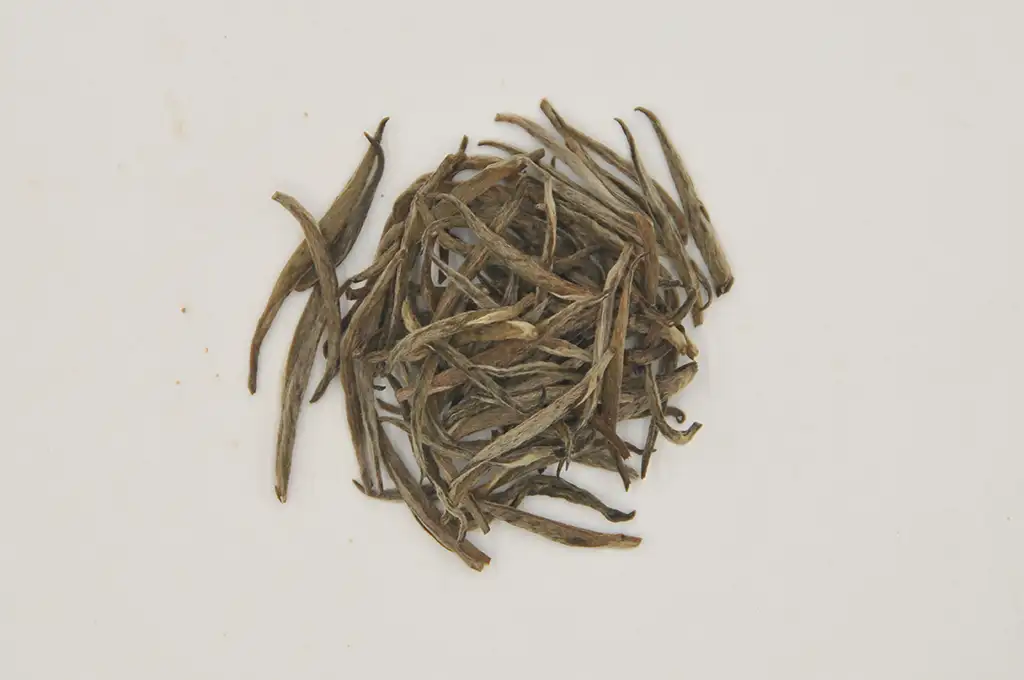
white tea grades
- Silver Needle (Bai Hao Yin Zhen): The highest grade of white tea, made exclusively from the most tender tea buds. The optimal harvesting period is around March 20th each year, with a short harvest window of about 10 days. The leaves are slender, straight, and covered in abundant downy hairs. The liquor is clear, bright, and light golden in color, featuring an elegant aroma with subtle floral and fruity notes, and a fresh, sweet taste. Depending on quality, Silver Needle is categorized into Special Grade, Grade 1, and Grade 2.
- White Peony (Bai Mudan): Made from tender buds and leaves (one bud with one leaf, or one bud with two leaves). The best harvest time is in early April, lasting about 15 days. It contains fewer downy hairs than Silver Needle. The liquor is golden and bright, with a rich aroma of distinct floral and fruity notes, offering a smooth and mellow mouthfeel. White Peony is graded into Special Grade, Grade 1, Grade 2, and Grade 3.
- Gongmei: Made from one bud with two or three leaves, featuring small downy hairs, prominent pekoe hairs, and fine leaves. The optimal harvesting time is around April 19 each year, when the brewed leaves have a uniform, bright color and the tea liquor is a deep yellow. Gongmei has a gentle aroma and a smooth taste. Depending on quality, Gongmei is graded into Special, First, and Second grades. In recent years, there has been a trend to merge Gongmei and Shoumei into a single grade.
- Shoumei: The lowest grade of white tea, made primarily from mature leaves and leftover trimmings from Gongmei production. Although it is the lowest grade of white tea, it is relatively affordable. In recent years, there has been a trend to merge Gongmei and Shoumei into a single grade.
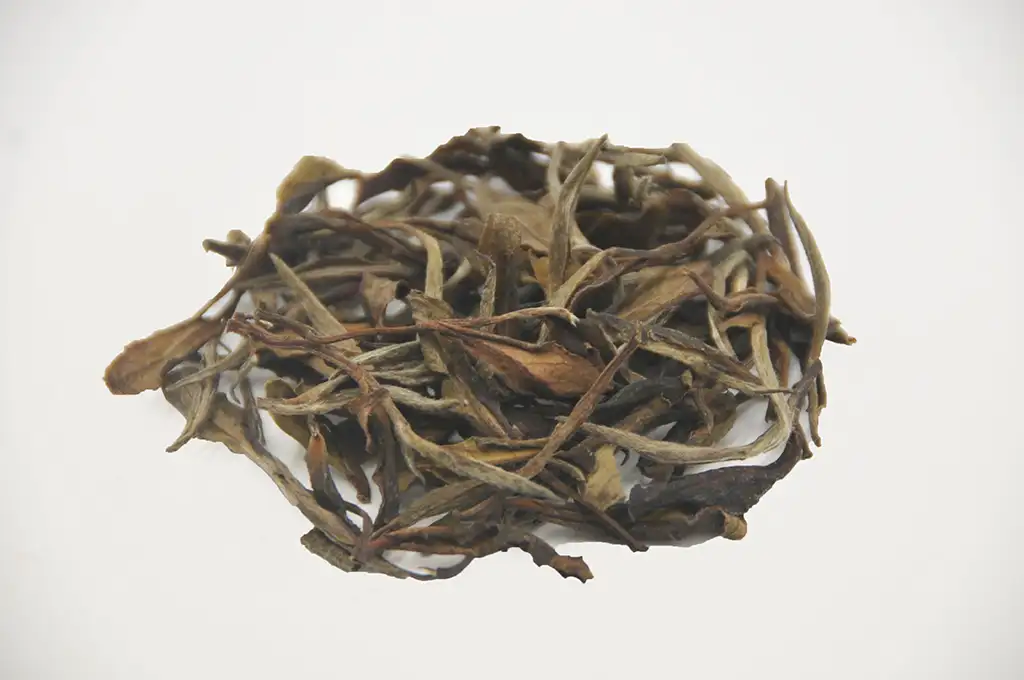
Aged white tea beyond standard grades is also very popular
In addition to the grades mentioned above, aged white tea is also a category worth noting. Aged white tea refers to white tea that has been stored for many years. During this long storage process, the internal components of the tea leaves slowly change, aromatic compounds gradually volatilize, the tea liquor turns reddish, and the flavor becomes richer and more mellow. The tasting value of aged white tea increases with the length of storage, making it a prized treasure for collectors and tea connoisseurs alike.