2023 Alishan Spring Tea Condition Update (2)

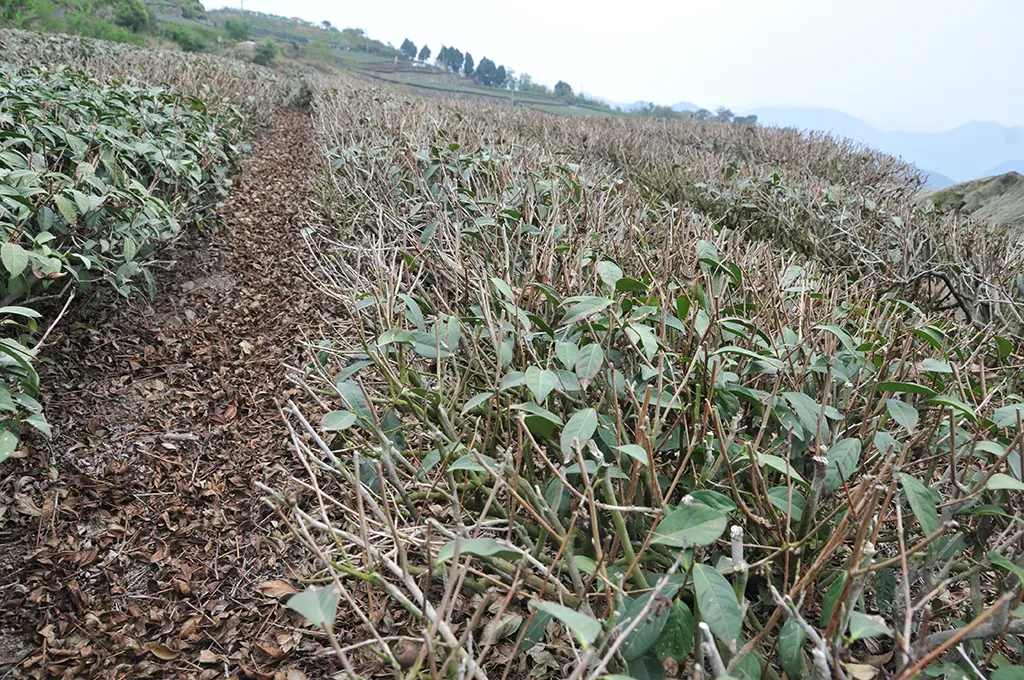
Today, I’d like to give you an update on the spring tea conditions in the Zhuchi, Fanlu, and Alishan townships. These tea regions have been hit even harder by the drought than Meishan Township, with the yield in many tea plantations dropping straight to zero. Even JinXuan tea, which is known for its drought tolerance, has seen many bushes wither and die. The situation is so severe mainly because the southern areas received even less rainfall (Meishan is further north), and secondly, many tea gardens here lack irrigation systems. The result of the drought is entire fields of dead tea bushes.

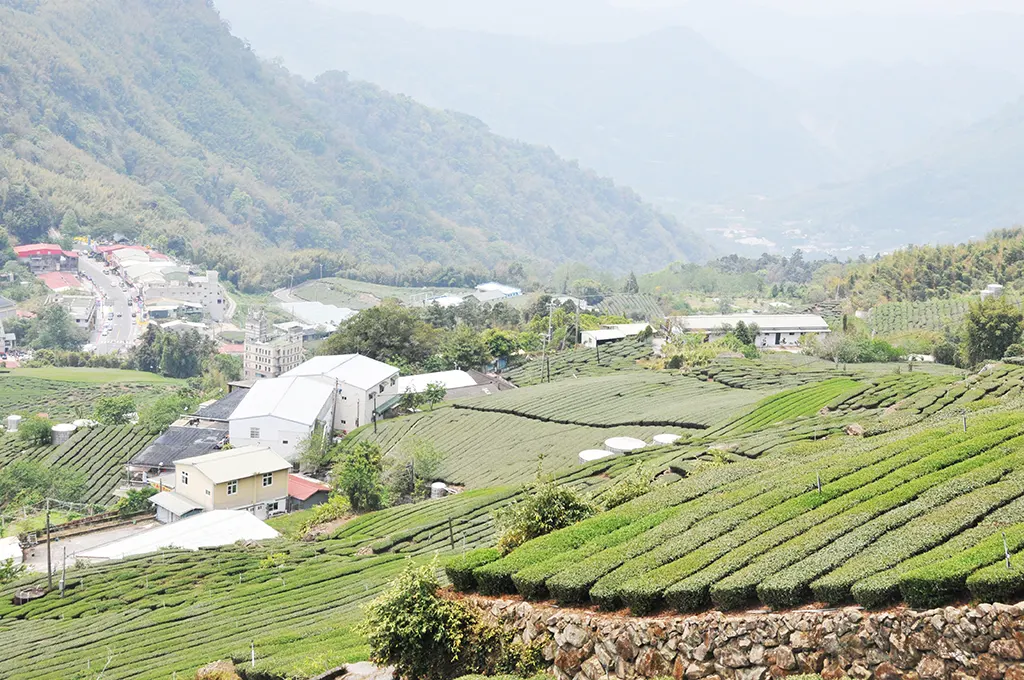
Shizhuo in Zhuchi Township is a key tea-producing area in Alishan and is relatively well-equipped with irrigation facilities. Even so, it’s more of a case where “most tea bushes managed to survive,” with yields down to about 40%. After checking around, only a few JinXuan tea plantations have maintained decent quality. The remaining Oolong tea bushes either have low yields or are just starting to sprout, meaning harvesting probably won’t begin until mid-May. As the store manager, I’m not very optimistic about the quality of this spring’s harvest.

Does the Shizhuo tea region look terrible? Let me put it this way: Shizhuo is actually performing the best in this area. Conditions are even worse in Xiding, Gongtian, Longmei, Longtou, Dabang, and Tefuye. Even the highly drought-resistant JinXuan tea has suffered massive losses, let alone Qingxin Oolong. Yields in these tea regions are down to about 30% of normal years, with only a tiny fraction of well-irrigated plantations managing to maintain good quality.

Today is April 20. Yesterday, the Alishan tea region finally got a heavy downpour. I’m genuinely happy for the tea farmers and hope some of the withered, yellowed tea bushes can still be revived. As for this season’s spring tea, the store manager isn’t holding out too much hope anymore.

As a side note: The store manager was up in the Alishan tea region on April 17 and 18. The main harvest during this period is usually JinXuan tea, while most Qingxin Oolong is still very young and likely won’t be ready for harvest until late April or even mid-May. In past years, harvesting of lower-elevation Lishan tea would have already started by mid-April. This year, however, Alishan Oolong won’t be ready until late April to early May, which is truly rare.

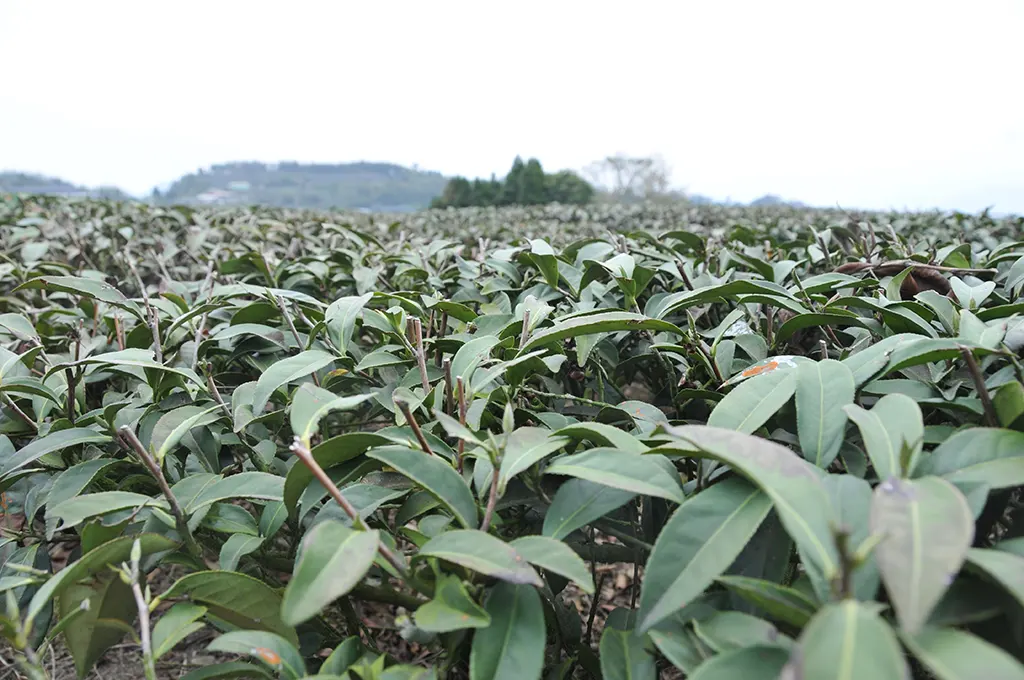
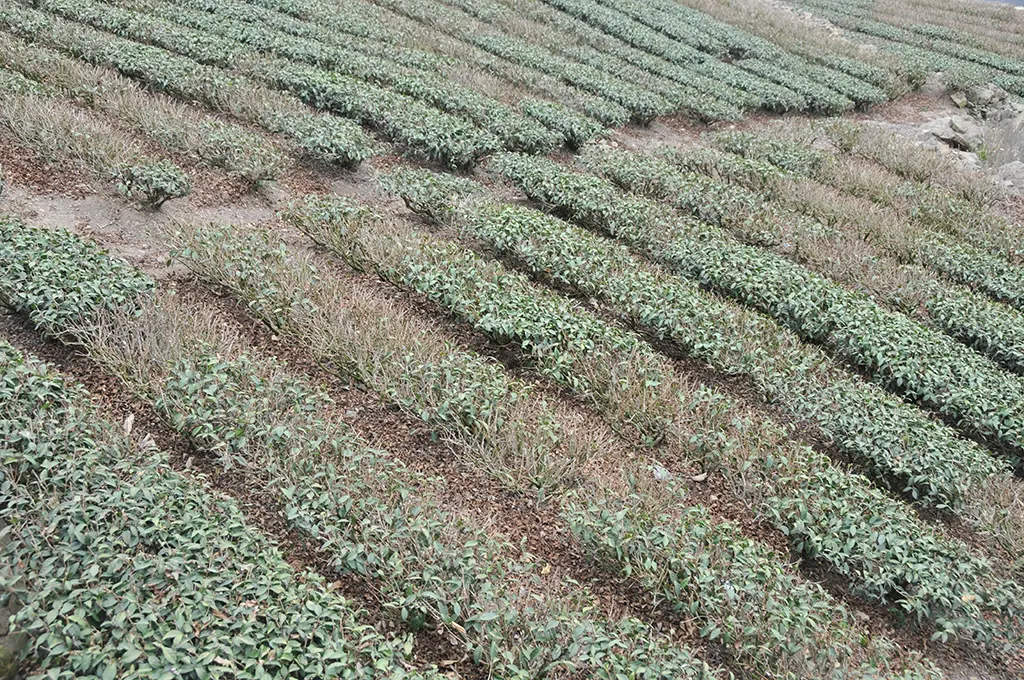
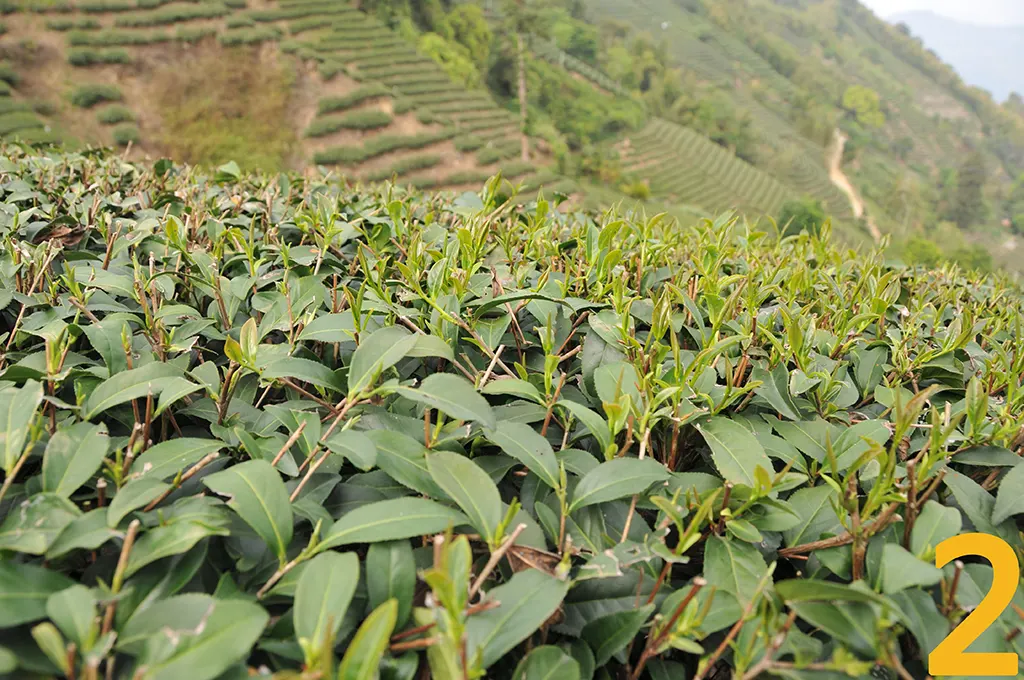
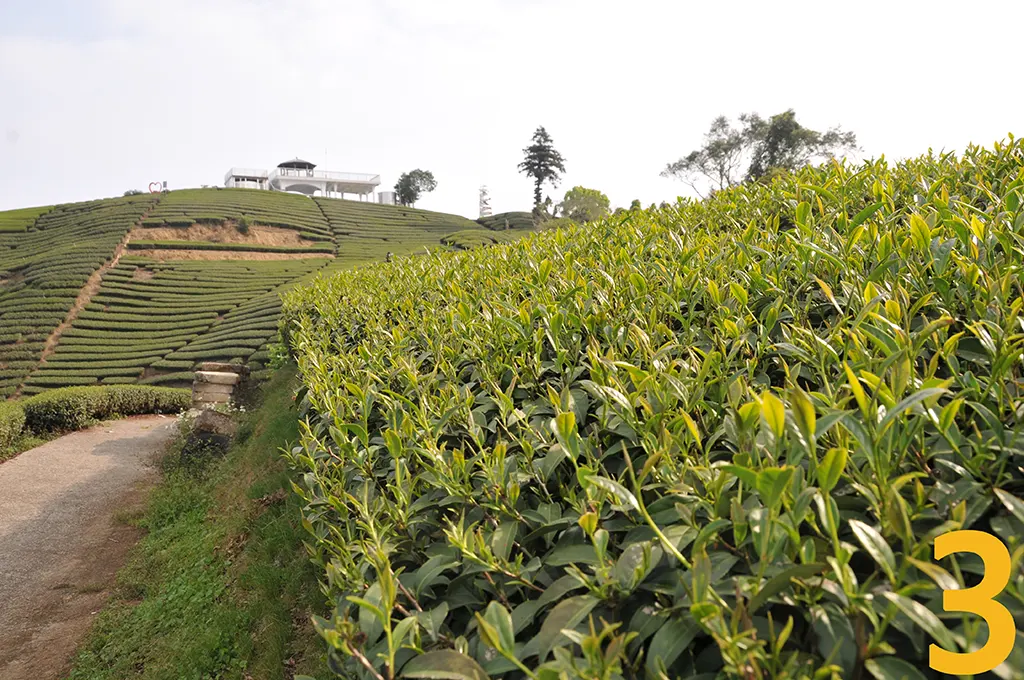
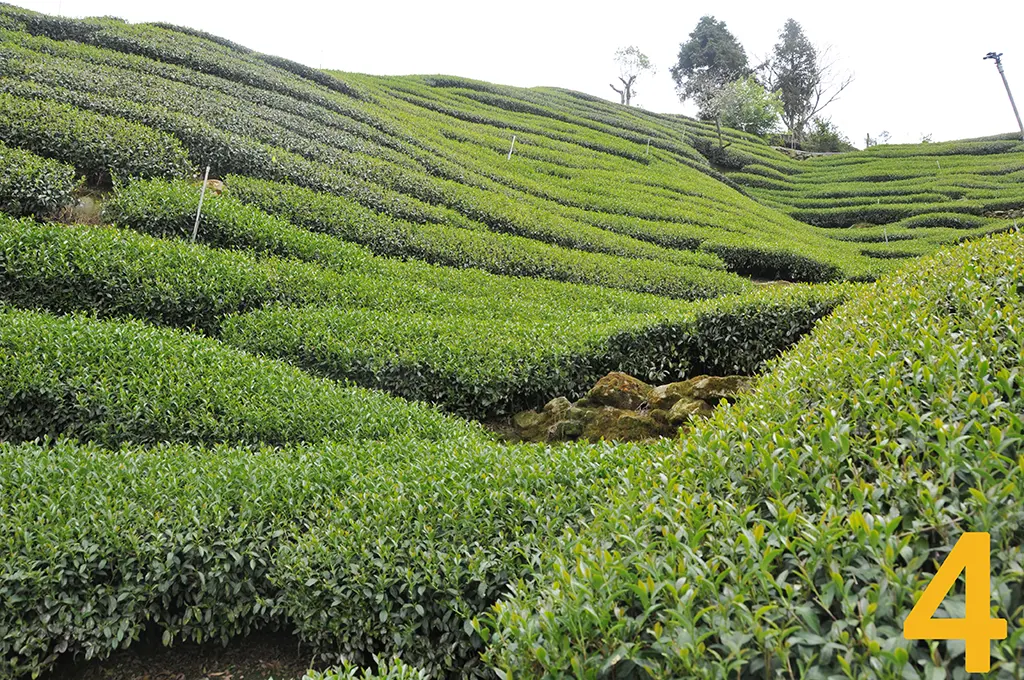
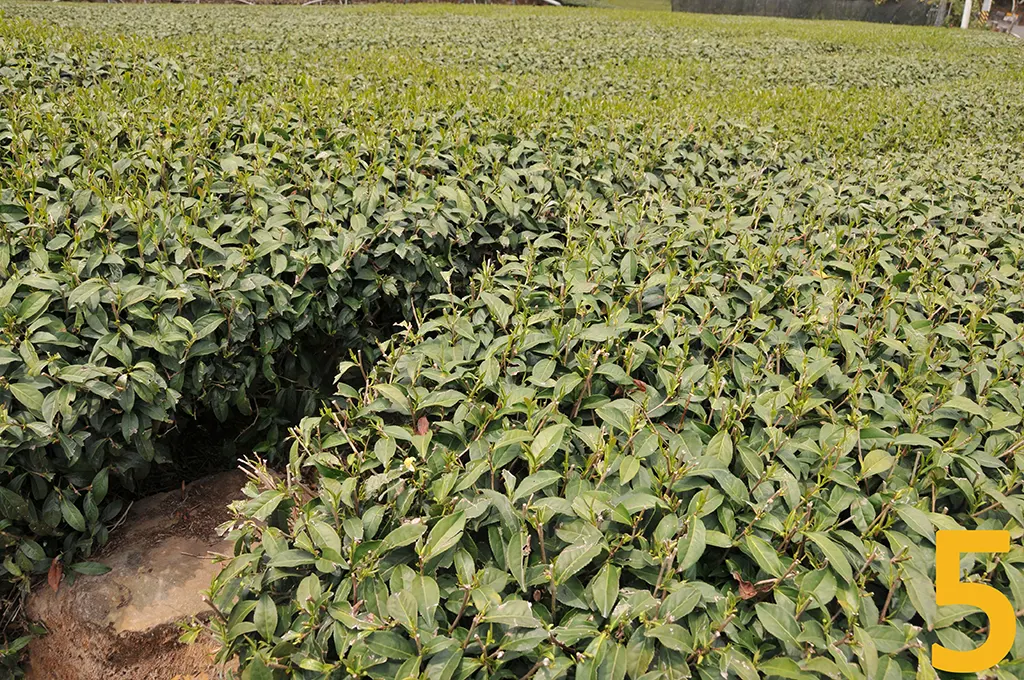
Take a look at these photos taken on April 17 and 18. Figures 2 and 3 show Ruifeng Oolong tea, Figure 4 shows Zhangshuhu, and Figure 5 shows Shizhuo. Ninety percent of the Qingxin Oolong tea bushes look just like the ones in the photos or are even younger—meaning they definitely cannot be harvested yet. This is the case across the entire Alishan tea-growing region. Needless to say, higher-altitude areas like LongFengXia, Lishan, and Dayuling are bound to be even less ready. Yet, many people are already selling Lishan and even Dayuling tea. If you compare things for yourself, it becomes immediately obvious what’s fake.

Leave a Comment

Your email address will not be published. Required fields are marked *

This site is protected by reCAPTCHA and the Google Privacy Policy and Terms of Service apply.

The reCAPTCHA verification period has expired. Please reload the page.

Shopping Cart