
Netizen inquiry: What happens if you steep tea leaves for too long? I heard that long steeping releases too much potassium, which can harm the kidneys, damage health, and eventually lead to dialysis. Is this true?
Liao Chang Xing: “Steeping tea for too long hurts your kidneys” is an internet rumor that has been circulating for a long time. The rumor generally goes like this: Someone’s friend originally had normal kidneys, but frequently drank tea and often left the leaves steeping for too long, causing the tea to release excessive potassium. This supposedly led to “proteinuria,” which progressed to “renal failure,” and eventually required dialysis.
Two key points: 1. Does steeping tea for a long time really release an excessive amount of potassium? 2. Will consuming potassium from tea actually harm your kidneys?
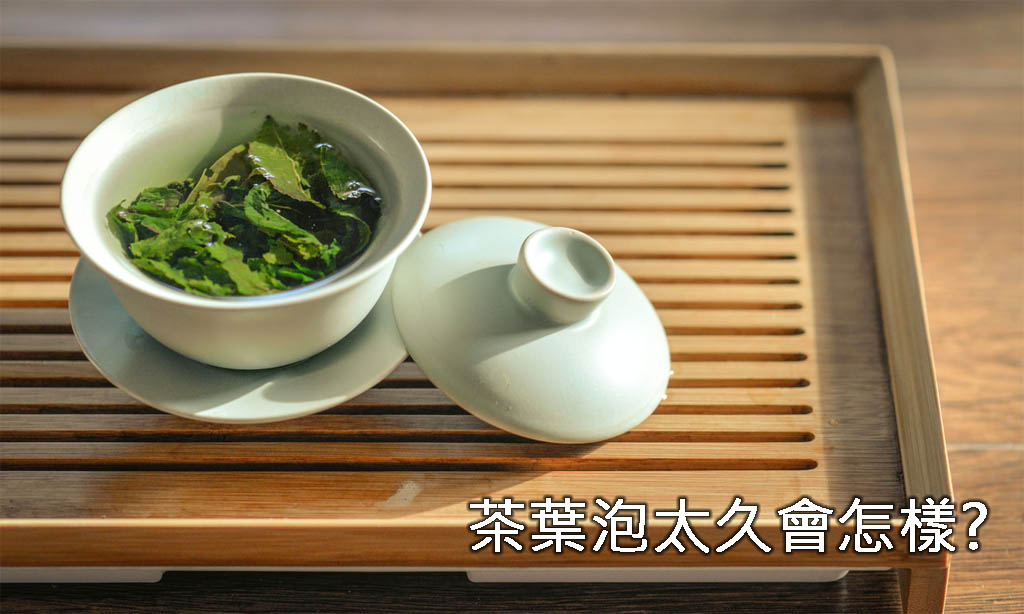
Tea leaves do contain potassium, but not in large amounts. Common vegetables and fruits have much higher potassium content and are consumed long-term without any issues, so there is no reason why drinking tea would harm your kidneys. It is far more likely that the individual already had underlying kidney issues to begin with.
However, leaving tea leaves to steep for too long does have some drawbacks. First, excessive tannins and caffeine will make the tea bitter and astringent, which can cause heart palpitations or stomach discomfort for some people. Additionally, long steeping raises hygiene concerns regarding spoilage and bacterial growth.
We recommend finishing your tea as promptly as possible. If you must steep it for a long time, it’s best to separate the leaves within an hour and store the tea in the refrigerator.