
A teapot is a vessel used for brewing tea. It is mainly composed of a lid, a body, a base, and a handle or bail handle. Common materials include pottery, Yixing purple clay, porcelain, and glass. Its primary function is to hold tea leaves and hot water, allowing the flavor of the tea to infuse into the water, making it one of the essential tools for brewing tea. A teapot used for brewing tea is different from a regular kettle used for boiling water, as well as from a fairness pitcher (cha hai or cha chong) used for serving brewed tea.
The teapot is the centerpiece of tea-brewing tools, used for steeping tea and releasing its flavors. Teapots come in a wide variety of shapes, which vary depending on their size, material, and the type of tea being brewed. In addition to the common tangerine shape, there are melon, diamond, drum, and hexagonal shapes, among others. Common materials include pottery, porcelain, Yixing purple clay, glass, and plastic.
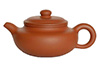 Pottery teapot: Made from fired clay, pottery teapots are among the most common type of teapot material. Because they feature excellent thermal conductivity, they are well-suited for teas with higher levels of fermentation and a strong throat finish. This includes Tieguanyin and heavily roasted oolong teas.
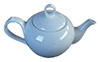 Porcelain teapot: Like pottery teapots, porcelain is a common teapot material. Its characteristic is that it conducts heat very well, but also dissipates it relatively quickly. It is ideal for brewing lighter teas that emphasize subtle aromas and flavors, such as light oolongs (Qingcha), high-mountain teas, and Oriental Beauty tea.
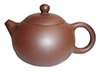 Yixing purple clay teapot: Yixing clay is composed of three basic types of clay—purple mud, green mud, and red mud—collectively known as purple clay (zisha), and teapots made from this are called Yixing teapots. Due to their unique dual-pore structure, Yixing teapots can absorb tea flavors, which is why it is said that the longer you use them, the more fragrant the brewed tea becomes.
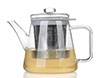 Glass teapot: A common teapot material in modern households. The main advantage is that you can observe the tea leaves unfurling as they steep, making it easier to monitor the brewing time. It is very suitable for green teas and yellow teas.
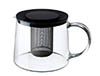 Plastic teapot: Similar to glass teapots, these are usually more affordable. Their advantage is the convenience of watching the tea leaves expand. They are well-suited for green and yellow teas.