
Yingde Black Tea, also known as Yinghong or Yingde Gongfu Black Tea, is produced in Yingde City, Guangdong Province, and belongs to the fully fermented black tea category. The tea-growing regions in Yingde are mostly located on gentle rolling hills with fertile soil. Combined with the tropical climate, this makes it an ideal environment for tea bushes to thrive. Along with Qimen Black Tea and Dianhong, Yingde Black Tea is recognized as one of China’s top three black teas.
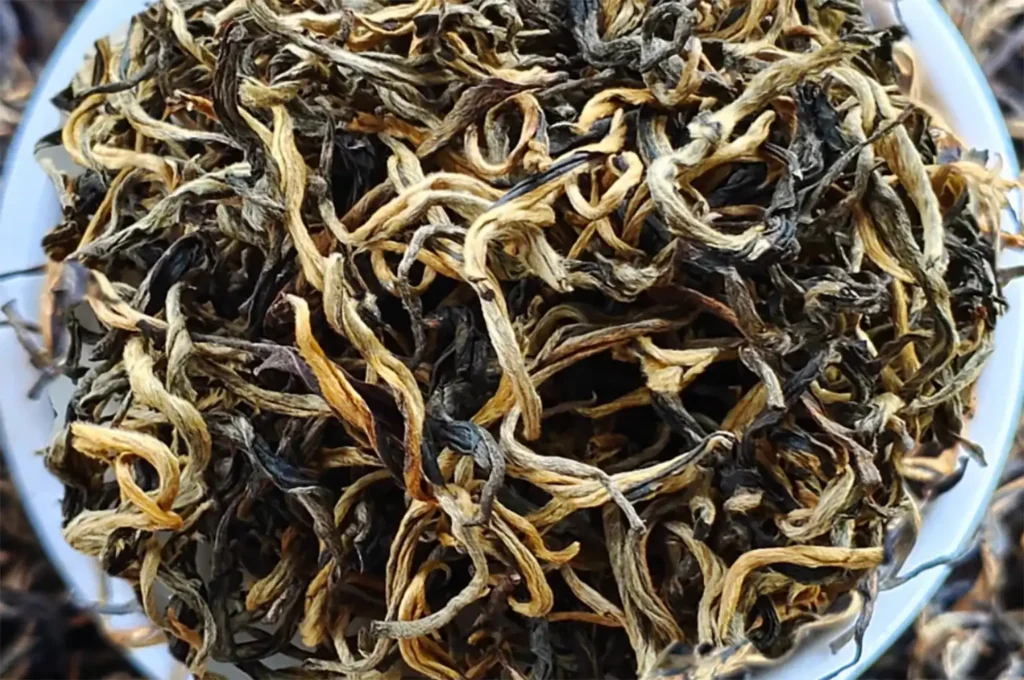
Yingde Black Tea: A Classic Southern Chinese Black Tea
Yingde Black Tea is produced in Yingde City, Guangdong Province. Characterized by its rolling hills, fertile soil, and suitable tropical climate, this region allows tea trees to flourish. Tea cultivation in Yingde dates back as far as the Tang Dynasty, and by the Ming Dynasty, it had become a tribute tea for the imperial court—a testament to its exceptional quality. In 1959, the name Yingde Black Tea was officially established, ranking it alongside Qimen Black Tea and Dianhong as one of China’s three major black teas.
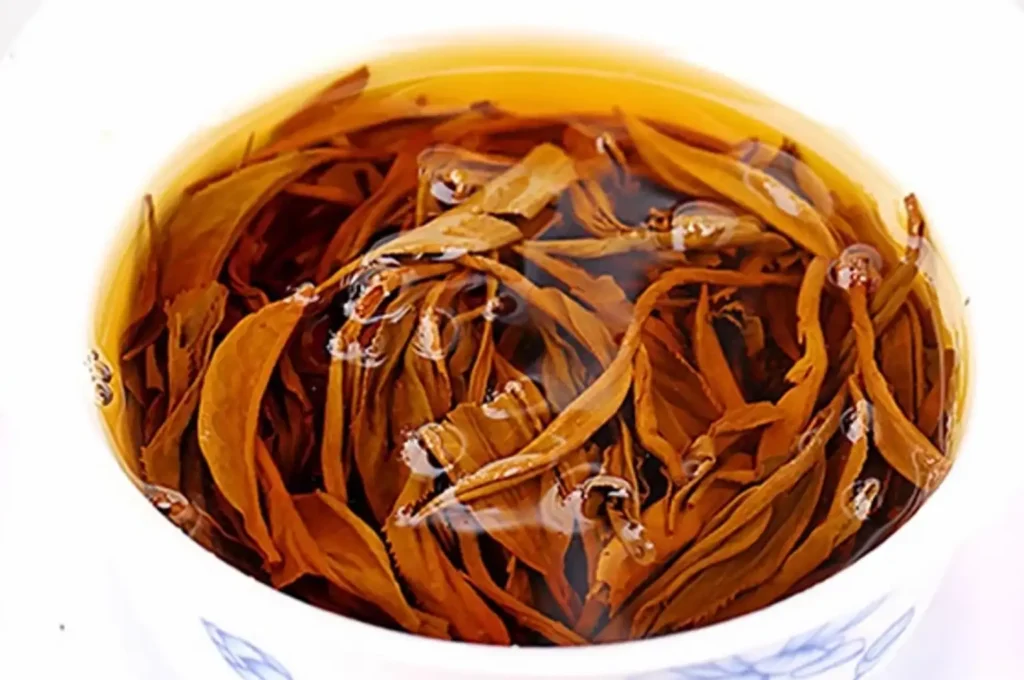
The dry leaves of Yingde Black Tea feature a dark, glossy luster, while the brewed tea yields a vibrant, translucent red hue. It offers a bold, full-bodied flavor with natural floral and fruity notes. This tea is widely popular across Mainland China, Hong Kong, and Macau, and is especially favored in the black tea market as a base for milk tea due to its unique flavor profile.
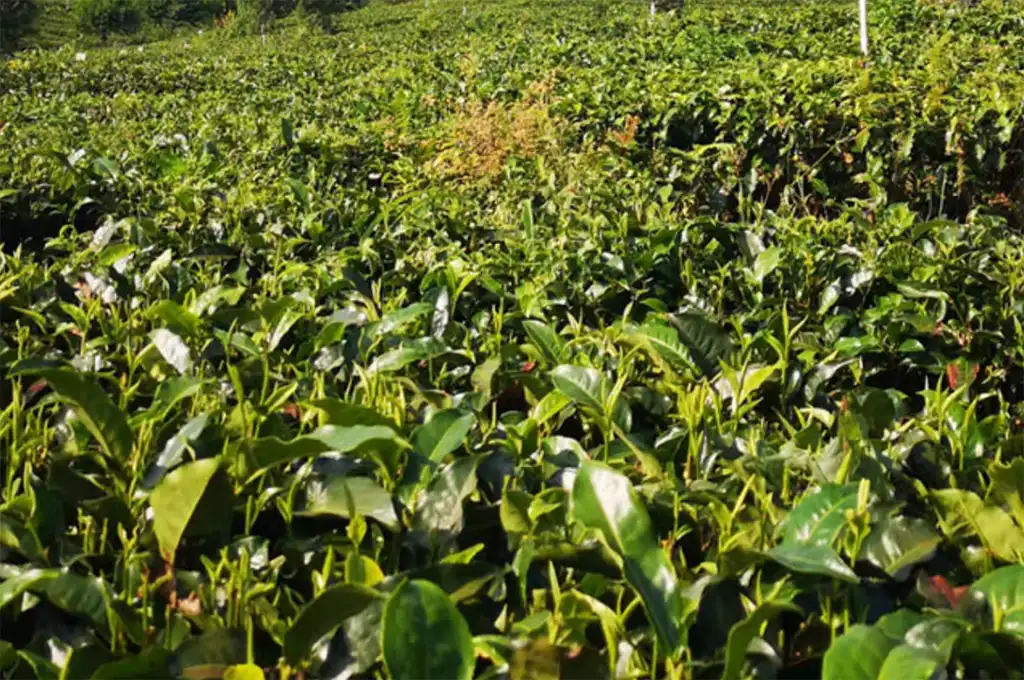
Production Method
The production process of Yingde Black Tea is rigorous and meticulous. Spring and summer tender buds and leaves are harvested, with the best raw materials being one bud and one leaf or one bud and two leaves to ensure the tea is tender, uniform, and clean. The production steps are as follows:
| Withering | The harvested tea leaves undergo natural or artificial withering. Once the moisture content drops to about 65%, they move on to the rolling stage. |
| Rolling | Rolled when the moisture content reaches 65%. The leaves are twisted into strips, breaking the cell walls to promote fermentation. |
| Fermentation | Black tea is a fully fermented tea. This step causes chemical changes within the tea leaves, developing a rich floral and fruity aroma alongside the characteristic color of black tea. |
| Drying | The fermented tea leaves are dried at a high temperature of 110℃ to lock in their quality and flavor. Some premium Yingde black teas undergo further refinement to enhance quality even more. |
Characteristic Flavor
| Bright and Clear Infusion | The brewed tea liquor shines like amber, offering great visual appeal. |
| Rich, Mellow, and Sweet with Complex Layers | Smooth and mellow on the palate with subtle notes of honey and fruit, leaving a lingering aftertaste. |
| Great for Blend Drinks | Milk or sugar can be added to make milk tea, creating an even richer flavor that is particularly popular in Hong Kong, Macau, and overseas markets. |
Brewing Guide
| Water Selection | Spring water or mineral water is recommended, with a water temperature controlled between 95℃-100℃. |
| Tea-to-Water Ratio | A 1:50 ratio is generally recommended, meaning 2 grams of Yingde Black Tea for every 100 ml of water. |
| Steeping Time | First steep: 3 minutes. Second steep: 4 minutes. Third steep: 5 minutes. |
Benefits and Efficacy of Yingde Black Tea
| Boosts Alertness | The caffeine in black tea stimulates the central nervous system to help improve focus and energy levels. |
| Supports Digestion | Drinking Yingde black tea in moderation helps stimulate gastrointestinal motility and aids digestion. |
| Warms and Nourishes | Black tea has a warming nature, making it ideal for those with sensitive stomachs and especially great for staying warm in winter. |
| Antioxidant & Anti-Aging | Tea polyphenols offer antioxidant benefits that help neutralize free radicals in the body. |