
Some people feel dizzy after drinking black tea, which leaves many tea lovers puzzled. Why does black tea cause this symptom? Is it the tea leaves, or is it related to individual constitution? If you happen to be one of them, take a look at the explanations and tips below—they might just help you solve this nagging issue.

Reasons for Dizziness
Poor Tea Production or Incomplete Fermentation
If certain black teas are not fully fermented during production, they retain higher levels of tea polyphenols. These compounds can cause discomfort and a sense of dizziness in some individuals. Therefore, choosing high-quality black tea and ensuring it is processed to standard can help alleviate these symptoms.Drinking on an Empty Stomach
Drinking tea on an empty stomach is one of the most common causes of dizziness. The caffeine in tea stimulates stomach acid secretion, and when your stomach is empty and sensitive, this can lead to excess stomach acid, resulting in stomach upset, heart palpitations, or even dizziness. This phenomenon is sometimes referred to as “tea drunkenness.”Individual Constitution Factors
Some people are more sensitive to caffeine, making them prone to dizziness, headaches, and other discomforts after drinking black tea. If you fall into this category, you may need to adjust your tea habits or opt for lower-caffeine teas.
How to Solve Dizziness Caused by Black Tea?
Choose Fully Fermented Black Tea
Fully fermented black teas generally feature a milder flavor profile, contain fewer tea polyphenols, and are gentler on the stomach. Try selecting a well-fermented and lightly roasted black tea, as this may help reduce instances of dizziness.Avoid Drinking on an Empty Stomach
It is best not to drink black tea on an empty stomach. Doing so can aggravate stomach discomfort, so we recommend eating something first—particularly carbohydrate-rich foods—to prevent excess stomach acid from causing issues. Enjoy your black tea about an hour after a meal to help stabilize your blood sugar and lower the chances of experiencing “tea drunkenness.”Try Low-Caffeine Black Tea
If you find yourself sensitive to caffeine, try switching to low-caffeine black tea or other tea varieties such as white tea or green tea. These typically have lower caffeine content and may help minimize dizzy symptoms.Replenish Sugar
If you feel dizzy after drinking black tea, try having a piece of candy or drinking some sugar water to relieve the symptoms. This helps boost your blood sugar levels and improves discomfort caused by low blood sugar.
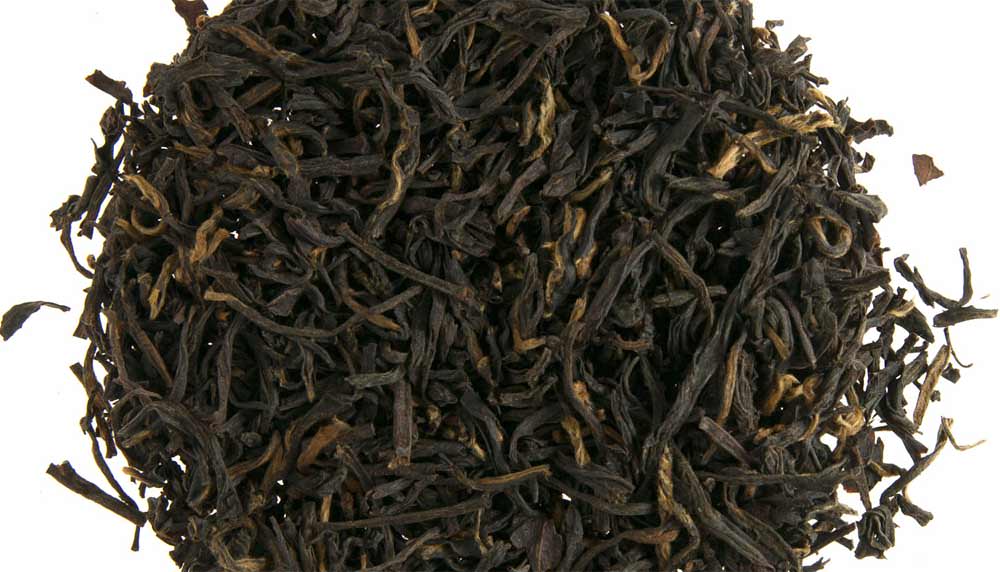
Black tea is a delicious beverage full of health benefits, but for some people, feeling dizzy after drinking it is not uncommon. By adjusting your tea-drinking habits—such as choosing fully fermented black tea, avoiding drinking it on an empty stomach, pairing it with food, or opting for decaffeinated tea—you can effectively reduce this discomfort. If the issue persists, we recommend consulting a doctor to see if other underlying health factors are involved. We hope these tips help you continue enjoying the wonderful taste of black tea!