
Customer Inquiry: What is the difference between high mountain tea and lowland oolong tea? They look quite similar in appearance and are made using comparable methods. Why does high mountain tea cost several thousand NT dollars per 600 g, while low-altitude tea only costs around one thousand NT dollars? Aside from the elevation of the growing location, what really sets high mountain tea apart from lowland tea?
Chang-Hsing Tea: High mountain tea and lowland tea are generally separated by an altitude of 1,000 meters. Aside from the difference in elevation, the tea-making process is actually quite similar, with the main differences lying in the level of fermentation and roasting. Standard lowland oolong tea can be lightly roasted, medium roasted, or even heavily roasted, resulting in a smoother, sweeter flavor with nutty notes. As for high mountain tea, it is usually lightly roasted or unroasted, with a lighter fermentation process. Other than that, the production methods for lowland and high mountain teas are largely the same.
The biggest difference between lowland and high mountain tea ultimately comes down to the quality of the tea leaves. High mountain tea trees generally grow at a slower pace in an environment with significant temperature swings between day and night. Coupled with a higher application of organic fertilizers, these leaves tend to be less bitter and astringent, richer in natural pectin, and thicker than lowland tea. This results in a high mountain oolong tea that is intensely aromatic, naturally sweet, and low in bitterness and astringency—giving high mountain tea an innate advantage over lowland tea.
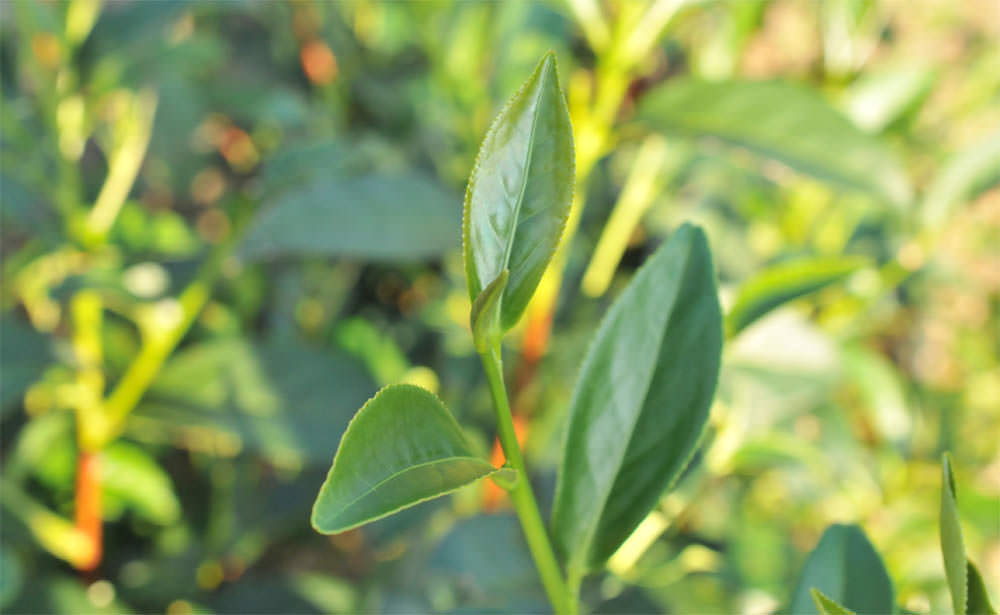
▲ Lowland tea leaves have less distinct edges.
You can tell lowland tea and high mountain tea apart by looking at leaf thickness, the serrations along the leaf edges, and the unique high mountain “yun” (mountain resonance). Because high mountain tea benefits from heavier organic fertilization and is richer in pectin, the leaves are thicker and harder to tear when rubbed between your fingers. Lowland tea leaves, on the other hand, are thinner. Furthermore, high mountain tea leaves feature sharper, more pronounced serrations along the edges. Additionally, tea grown at high altitudes naturally possesses a distinct mountain resonance, though the flavor profile varies from one mountain to the next and requires experience to distinguish.
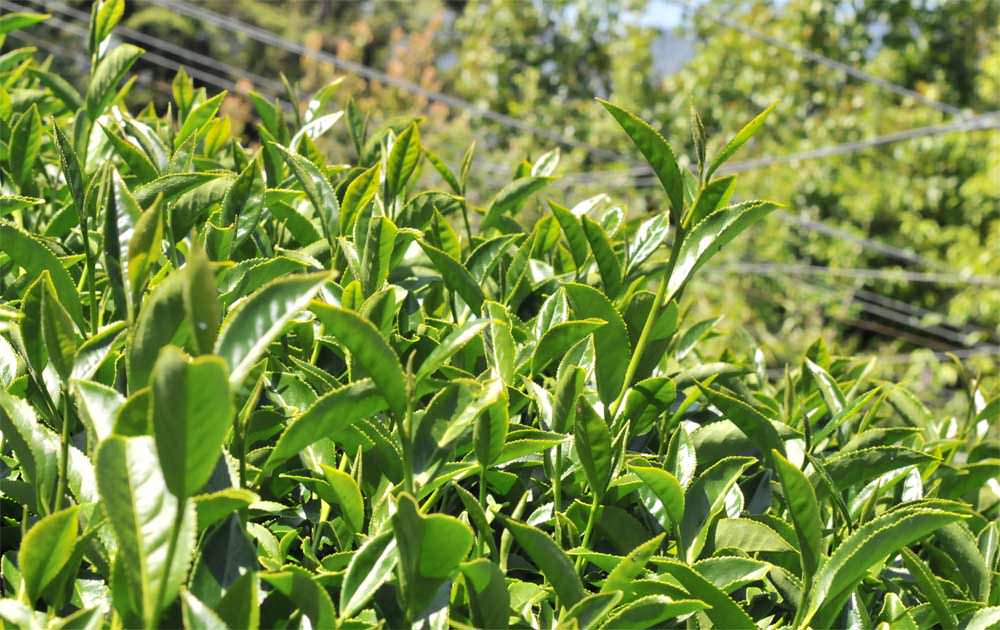
▲ High mountain tea leaves feature sharp edges. This is one of the key visual distinctions from lowland tea.