High Mountain Tea Production Process

The production process for High Mountain Tea is similar to that of plain-region tea, with generally lighter fermentation and roasting levels. The process includes tea leaf harvesting, sun withering, indoor withering, fixation (kill-green), rolling, de-lumping, initial drying, cloth-ball rolling, final drying, and refining.

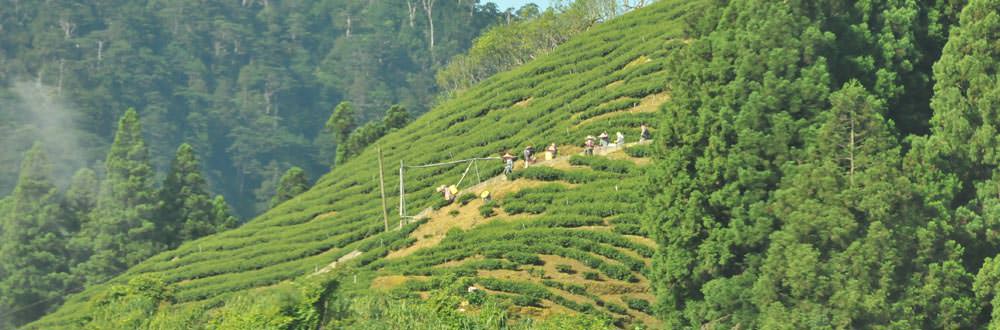
Harvesting: The quality of freshly harvested tea leaves determines over 80% of the final product’s quality. Well-tended tea leaves should be thick, clearly edged, plump, and vibrant green. For the best quality, leaves should be harvested on clear, sunny days at the one-bud-two-leaves stage. Once picked, they must be transported to the factory promptly to avoid bruising from compression.

High Mountain Tea making process

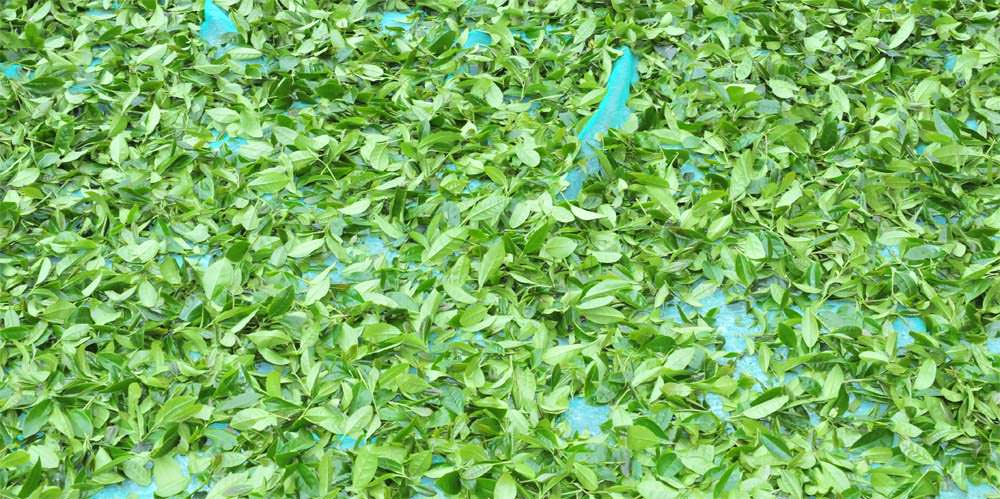
Sun Withering: High mountain tea undergoes either solar withering or hot-air withering. Because mountain afternoons are often misty, insufficient sunlight can occur and prevent the tea’s natural sweetness from developing. To prevent this, hot-air withering is used when sunlight is lacking.

High Mountain Tea making process

Indoor Withering: Leaves are moved indoors and periodically turned to ensure even fermentation. This is a crucial step in developing the tea’s aroma; improper stirring can easily lead to over- or under-fermentation. Stirring for too long causes excessive fermentation, resulting in off-flavors that mask the high mountain character, while insufficient stirring leaves a grassy taste.

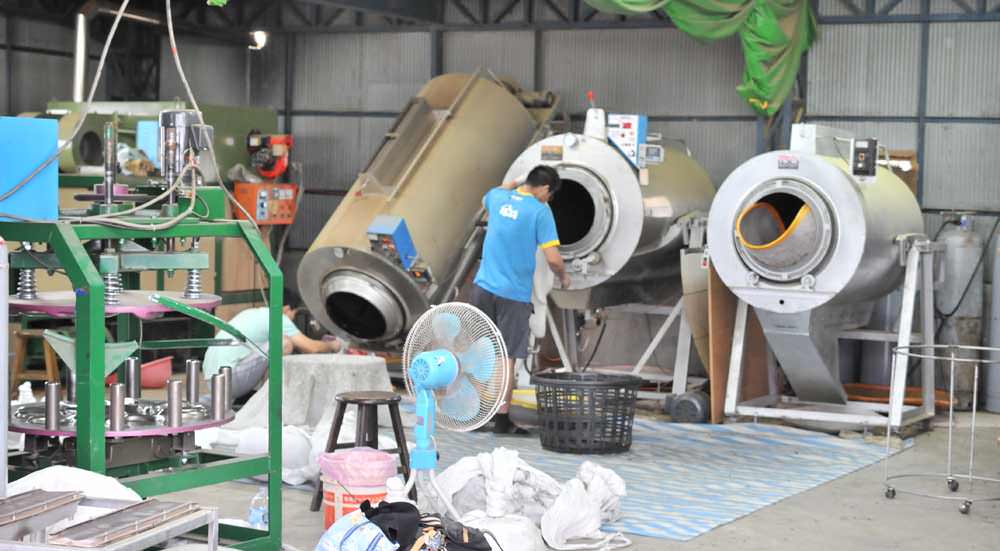
Fixation (Kill-Green): The leaves are placed in a fixation machine and tumbled at 200 to 250 degrees for about 90 seconds. The purpose is to remove excess moisture, soften the leaves, and halt the fermentation process.

High Mountain Tea making process

Rolling and Untangling: The purpose of rolling is to squeeze out the tea juices. The leaves tend to stick together after rolling, so they need to be untangled—a step known as untangling.

Initial Drying: A preliminary drying process used to shrink the tea leaves and allow the juices to coat their surface. This helps the flavors of high mountain tea infuse more easily into the water during brewing.

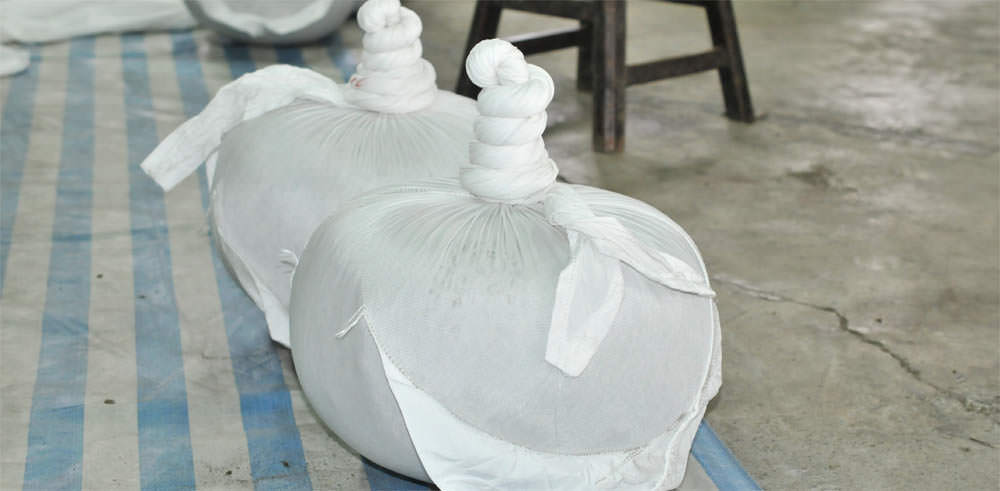
Cloth-Wrapped Rolling: This step shapes the tea leaves into tight semi-spheres. The tea is wrapped in cloth and tightly bound. After resting for a short while, it is placed into a fixing machine for heating, and the cloth-wrapped rolling process is repeated. These steps ensure the tea leaves become firm and tightly rolled.

High Mountain Tea making process

Drying: The tea is placed in a tea dryer to reduce the moisture content to around 6%, which helps with long-term storage.

Refining: This includes removing stems and light roasting. To highlight their characteristic high mountain flavor, high mountain teas are typically lightly roasted or unroasted, which is how raw (green-style) tea is made. Unroasted styles are especially common in higher-altitude tea regions.

Shopping Cart