Customer Question: Tea is typically categorized into green tea, oolong tea, black tea, and so on. May I ask, what kind of tea is high mountain tea? Some people say it’s a green tea, while others think it’s more like oolong tea. Also, how can we tell the difference between unroasted (shengcha) and roasted (shoucha) high mountain tea? Is Lishan high mountain tea unroasted or roasted?
What is High Mountain Tea? Is it Green Tea or Oolong Tea?
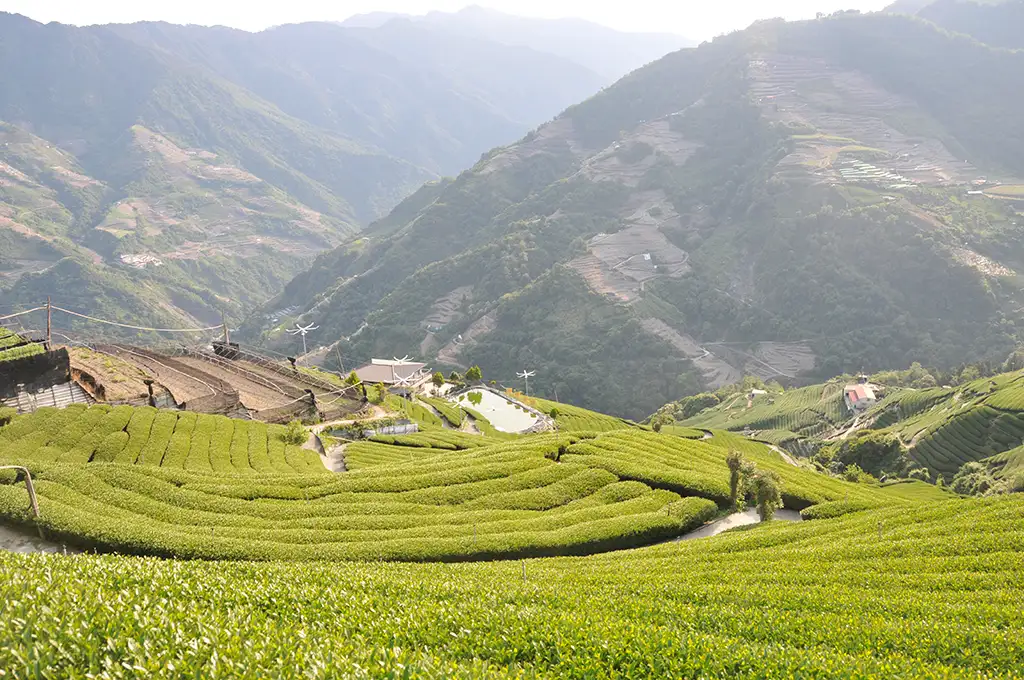
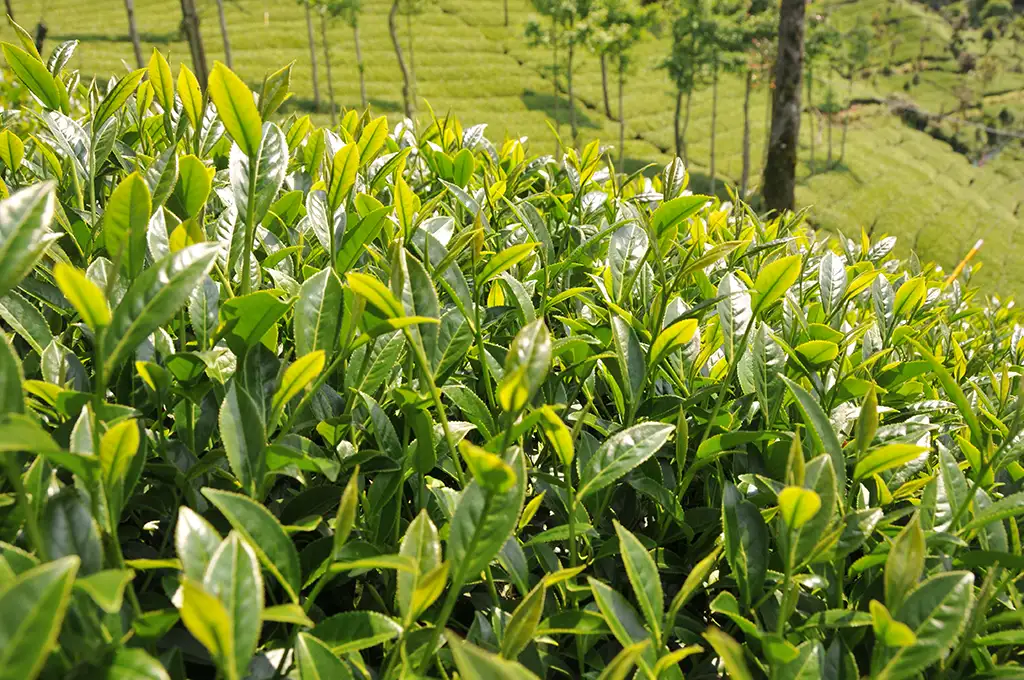
Liao Chang Xing: Teas are categorized based on their degree of fermentation: non-fermented teas are green teas, partially fermented teas are oolong teas, and fully fermented teas are black teas. Traditional high mountain tea is lightly fermented, with a fermentation level between 15% and 25%, so most high mountain tea belongs to oolong tea. Because the leaves look very vibrant green and the brewed tea liquor differs from Dongding tea, it is often mistaken for green tea. In fact, the vast majority of high mountain tea belongs to the oolong tea category.
Are there any non-oolong high mountain teas? Yes. There are also small quantities of high mountain black tea, white tea, green tea, and even Pu-erh tea. Therefore, we cannot say that high mountain tea is exclusively oolong tea, as other minor non-oolong varieties do exist.
Is High Mountain Tea Unroasted or Roasted?
To determine whether high mountain tea is unroasted (shengcha) or roasted (shoucha), we first need to look at the distinction between the two. After tea leaves are processed into loose leaf tea, a refinement step called “firing” or roasting is sometimes applied. Roasting serves two main functions: first, it reduces the moisture content in the tea leaves, making them easier to transport and store. Second, it alters the flavor profile, giving the tea a richer and more layered taste. Heavily roasted teas are referred to as roasted teas (shoucha), while lightly roasted or unroasted teas are called unroasted teas (shengcha).

To preserve the authentic mountain character, high mountain tea is typically produced with light roasting, and tea from higher elevation regions is often left completely unroasted. Teas like Lishan, Dayuling, and ShanLinXi are generally unroasted to avoid masking their distinct regional mountain aroma with excessive roasting flavors. As for regular high mountain tea, most are now crafted with a light roast, and heavily roasted high mountain teas are quite rare. Therefore, is high mountain tea unroasted or roasted? The answer is: the vast majority of high mountain tea is unroasted.