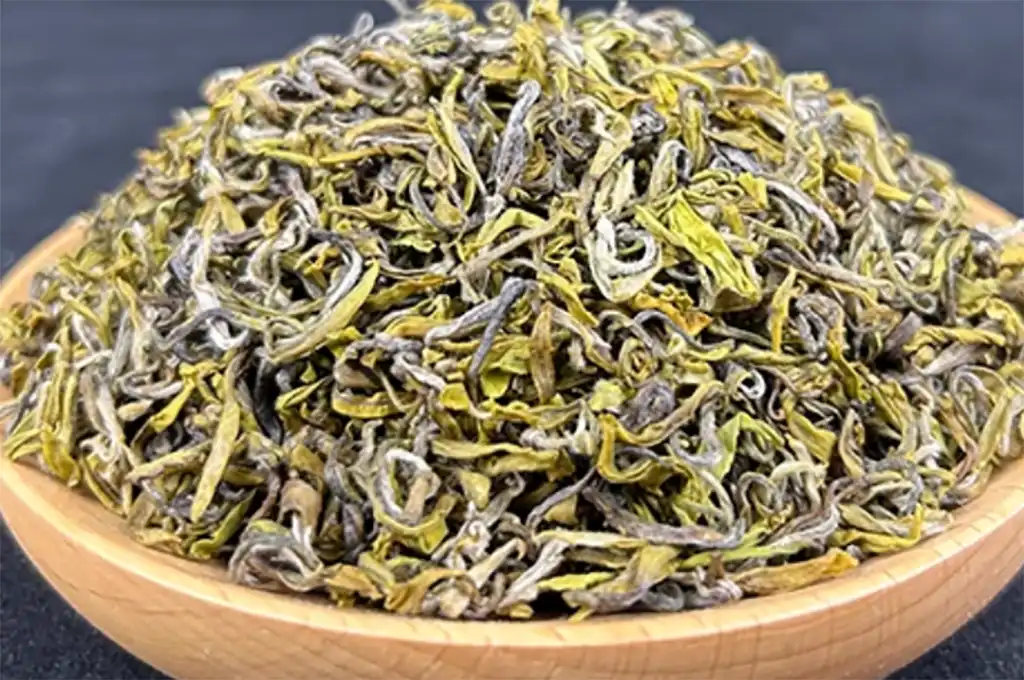
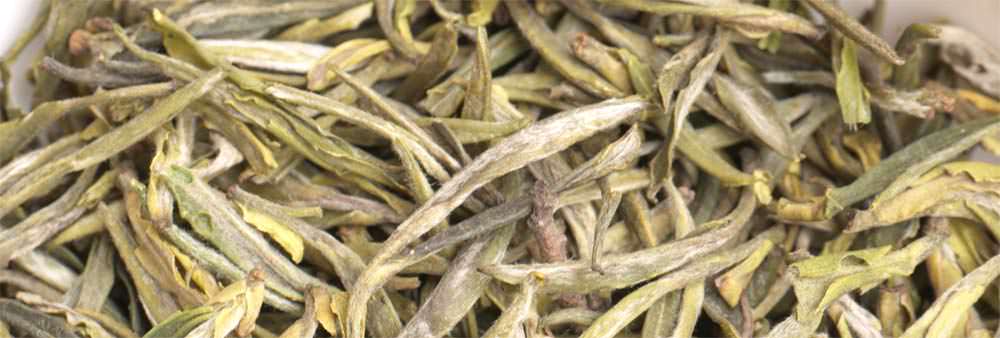
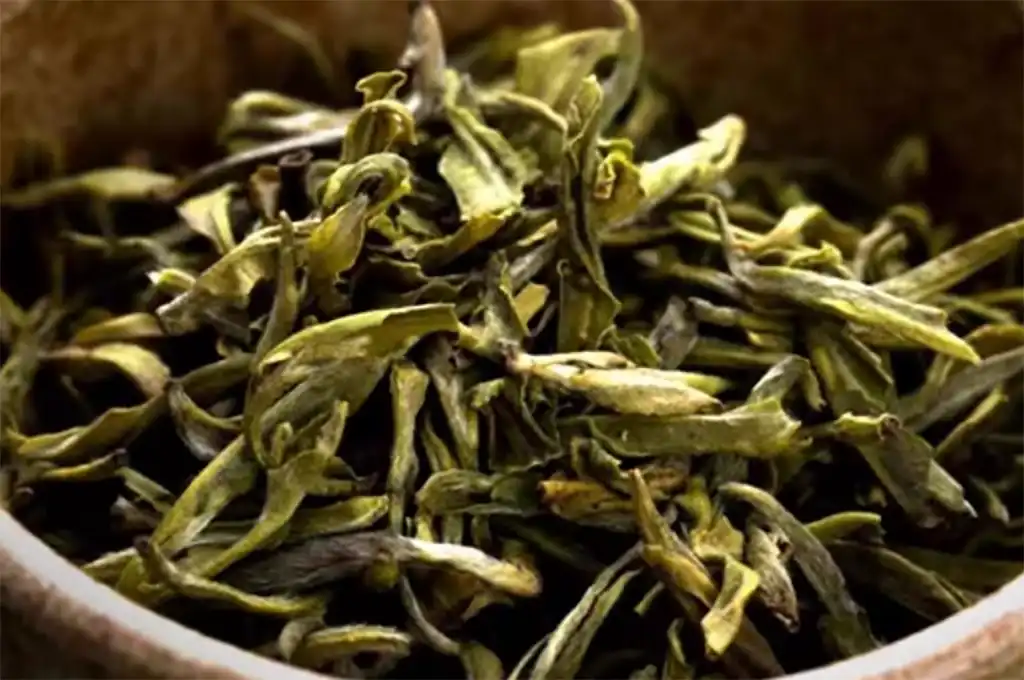
Pingyang Huangtang, also known as Wenzhou Huangtang, is produced in regions such as Pingyang, Taishun, and Rui’an in Zhejiang. Belonging to the yellow tea category, it can be further classified into small-leaf yellow tea and yellow bud tea. It is characterized by yellow leaves and a bright yellow liquor, offering a rich yet non-astringent taste that is full-bodied and sweetly mellow. With exceptional quality, it is a renowned historical Chinese tea and one of the most famous yellow teas in China.
Origins of Pingyang Huangtang Tea
Pingyang Huangtang is a historical tea dating back to the Qing Dynasty, when it was once listed as a tribute tea. Although production was temporarily lost, it was successfully revived in the 1980s. It is widely loved for its tightly rolled, slender strips, yellowish-green appearance with abundant downy hairs, rich yet non-astringent flavor, and full-bodied, sweet mellowness. Alongside Mengding Huangya and Huoshan Huangya, it stands out as one of China’s most celebrated yellow teas.

Production Process
It is primarily harvested around Qingming, using tender shoots featuring one bud with one or two leaves. The production steps include fixing (kill-green), rolling, pile-fermenting (men dui), and drying. The fixing temperature is maintained at around 150°C, with rolling performed alongside pan-firing until the moisture content reaches about 55%. Once removed from the wok, the leaves are tightly wrapped and covered with cloth, then left for 2 to 3 days for pile-fermentation—also known as yellowing—until the leaves turn yellow. After the yellowing process, the tea is dried to about 90% dryness to complete production.
How to Brew Pingyang Huangtang
Any type of teaware can be used. River water or mountain spring water is ideal; if using tap water, let it sit for 24 hours beforehand. Water temperature should be 80°C, with a tea-to-water ratio of 1:50 (e.g., use 2 grams of Pingyang Huangtang for a 100ml teapot). Steep the first infusion for 3 minutes, adding 40 seconds to each subsequent infusion.