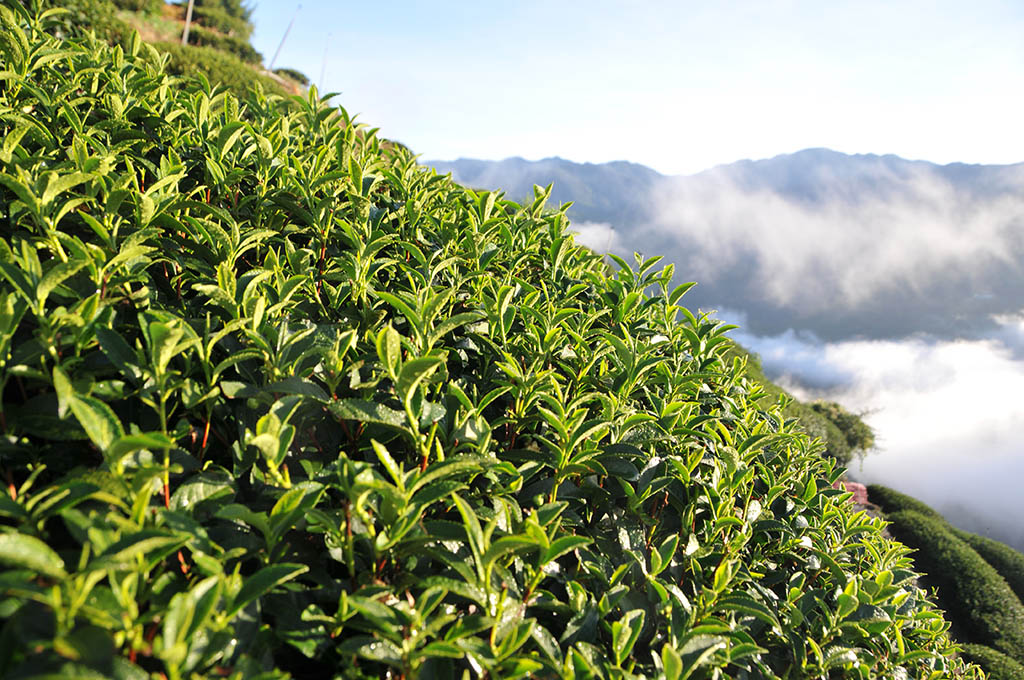
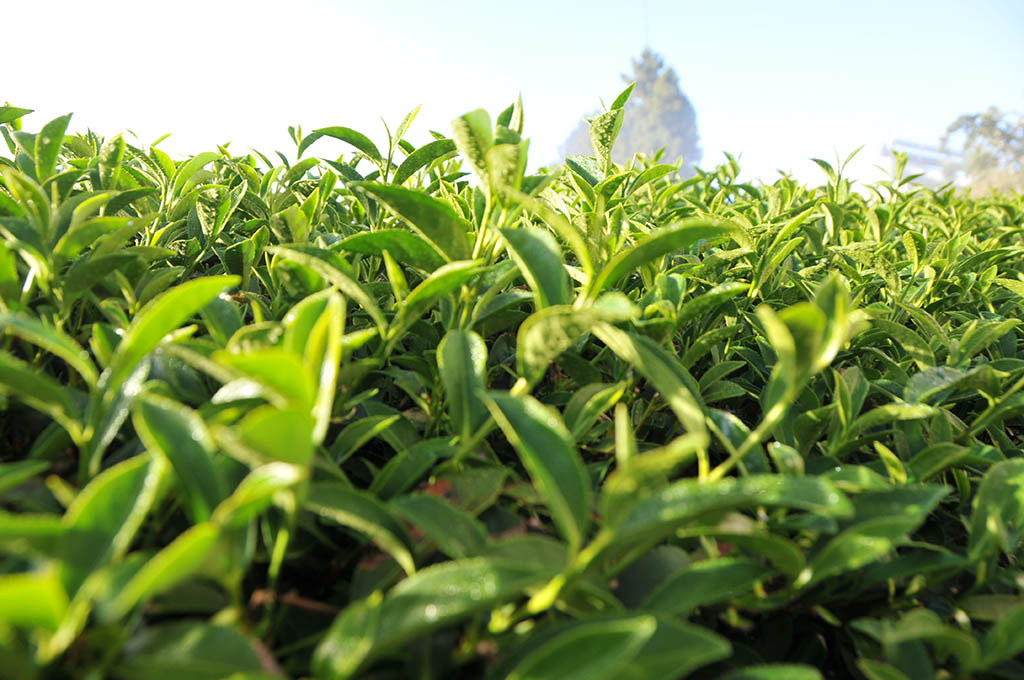
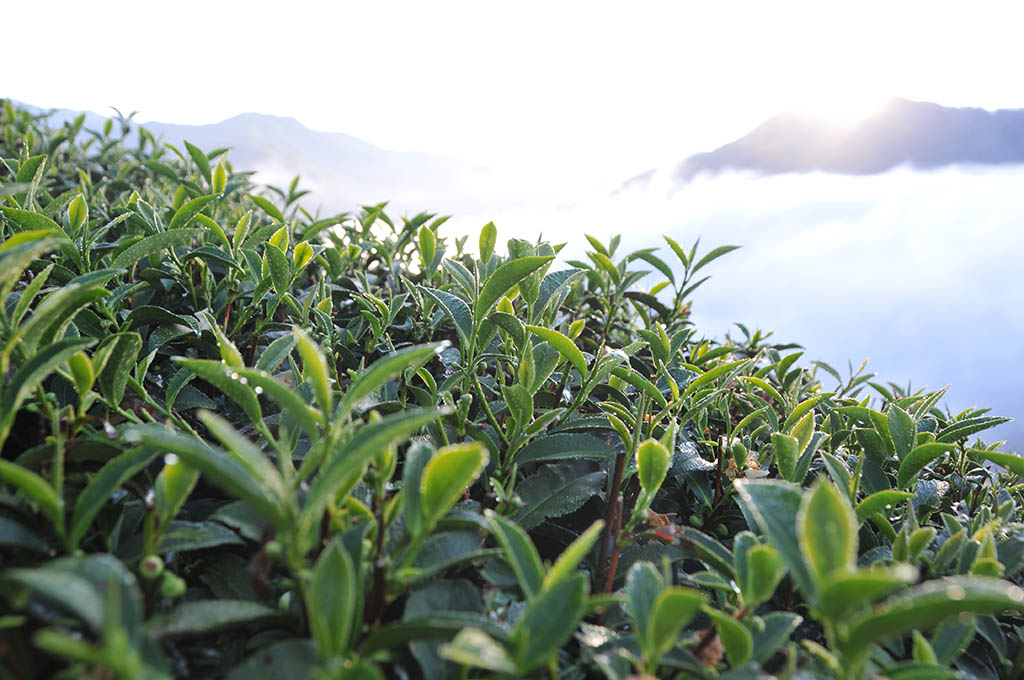
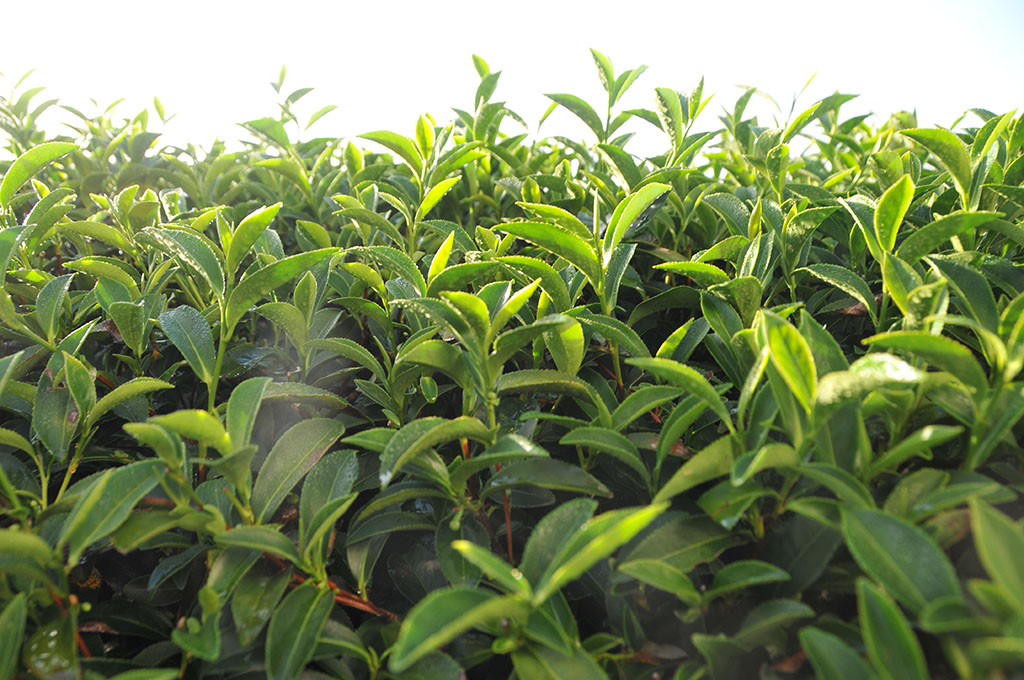
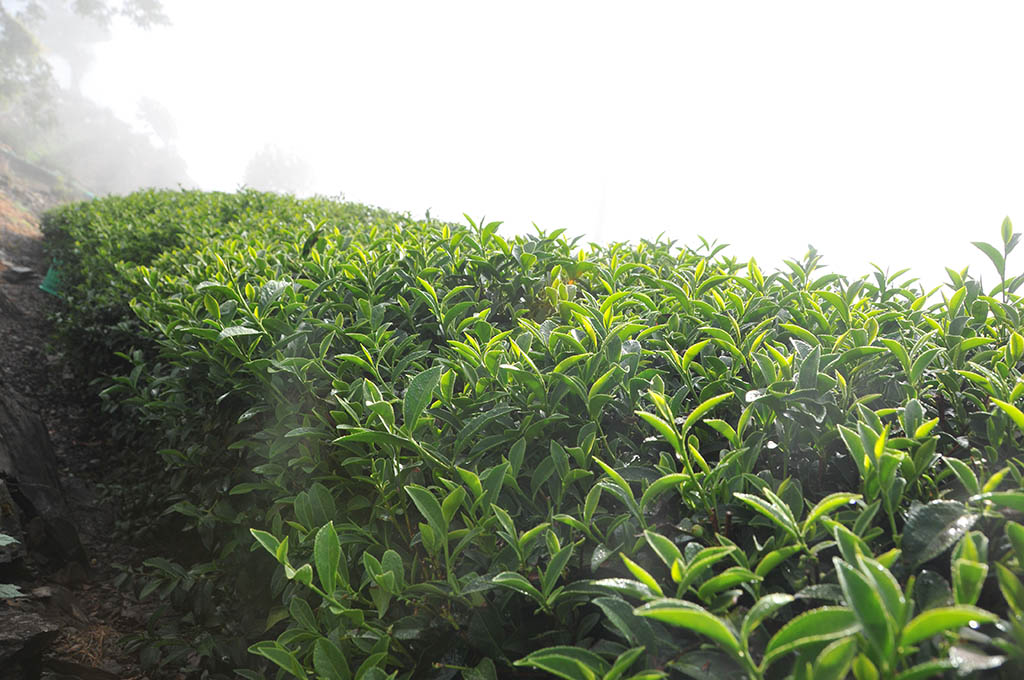
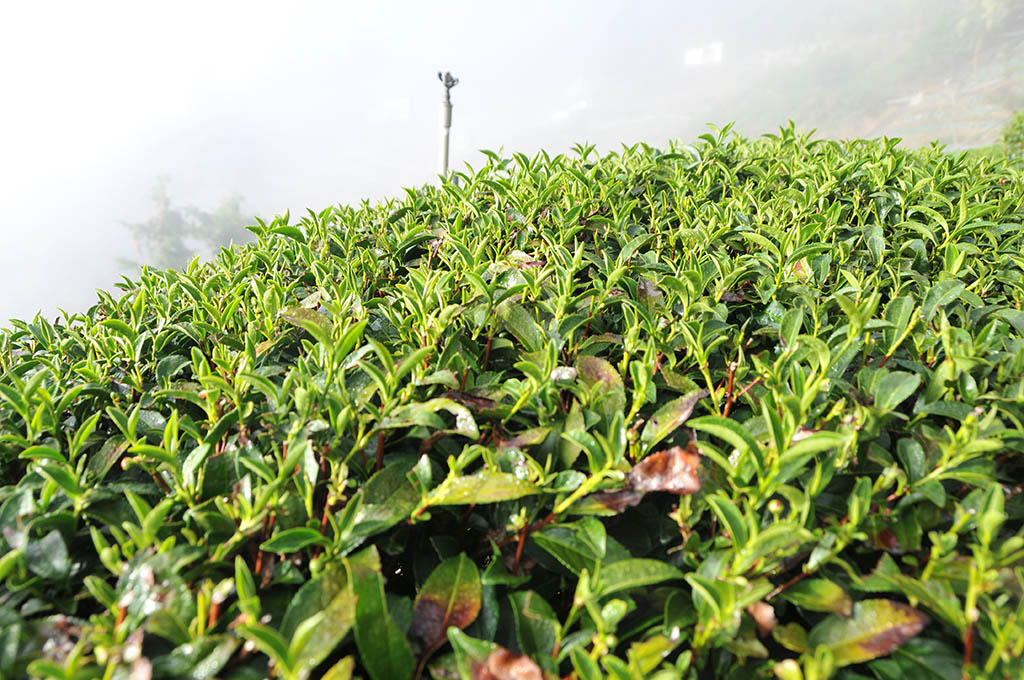
A few days ago, I mentioned that Lishan winter tea had a chance of being ‘low in volume but high in quality.’ Well, I have to take that back—this year’s Lishan winter tea is shaping up to be a year of ‘few good teas’ and ‘low overall yield.’
I went to check on the tea gardens a little over ten days ago. At the time, the tea buds weren’t numerous, but they looked plump and tender. Growing under normal conditions, the quality definitely would have been fantastic. When I went back to check 10 days later, some tea buds had barely grown, while others hadn’t changed at all. I was completely stunned. The main reason for this is that the northeast monsoon arrived early; the cold weather stunted the tea’s growth. Conservatively speaking, this year’s Lishan winter tea yield will drop by 20%. Furthermore, tea made from these undersized leaves won’t turn out well, which means the quantity of good tea will be extremely limited.
To make matters worse, the roads to Lishan were blocked, so tea farmers had to transport the freshly picked tea leaves via waterways. The ideal scenario is getting them to the tea factory within an hour, but reality wasn’t that cooperative. From working in the field, loading trucks to the water’s edge, boarding bamboo rafts, water transport, unloading from rafts, to trucking them to the factory—many shipments ended up delayed. Leaving freshly picked tea leaves sitting around too long causes bruising, heat damage, and premature fermentation, leading to a sharp drop in quality.

Based on our visits and tastings of Lishan tea over the past few days, the verdict is ‘low yield’ and ‘scarce good tea.’ We’ve tasted 30 finished batches so far, scoring roughly between 40 and 75, with failing grades making up the majority. Dealing with this kind of tea harvest is honestly frustrating, but my job as a tea merchant is to hunt down good tea. When times are tough, looking at the bright side is also a chance to prove our true value.