
Shoumei tea is exceptionally delicious, but like other teas, drinking it in excess comes with potential downsides and points to watch out for. One common issue is excessive caffeine intake. Here are the potential downsides of drinking too much Shoumei tea and what you need to keep in mind:

Does Shoumei tea contain caffeine?
Yes, Shoumei tea contains caffeine. Although the caffeine content in Shoumei tea is generally lower than that of green tea and black tea, it is still a caffeinated beverage (containing 10–35 mg per 100 ml). For individuals sensitive to caffeine, this can still cause some side effects.
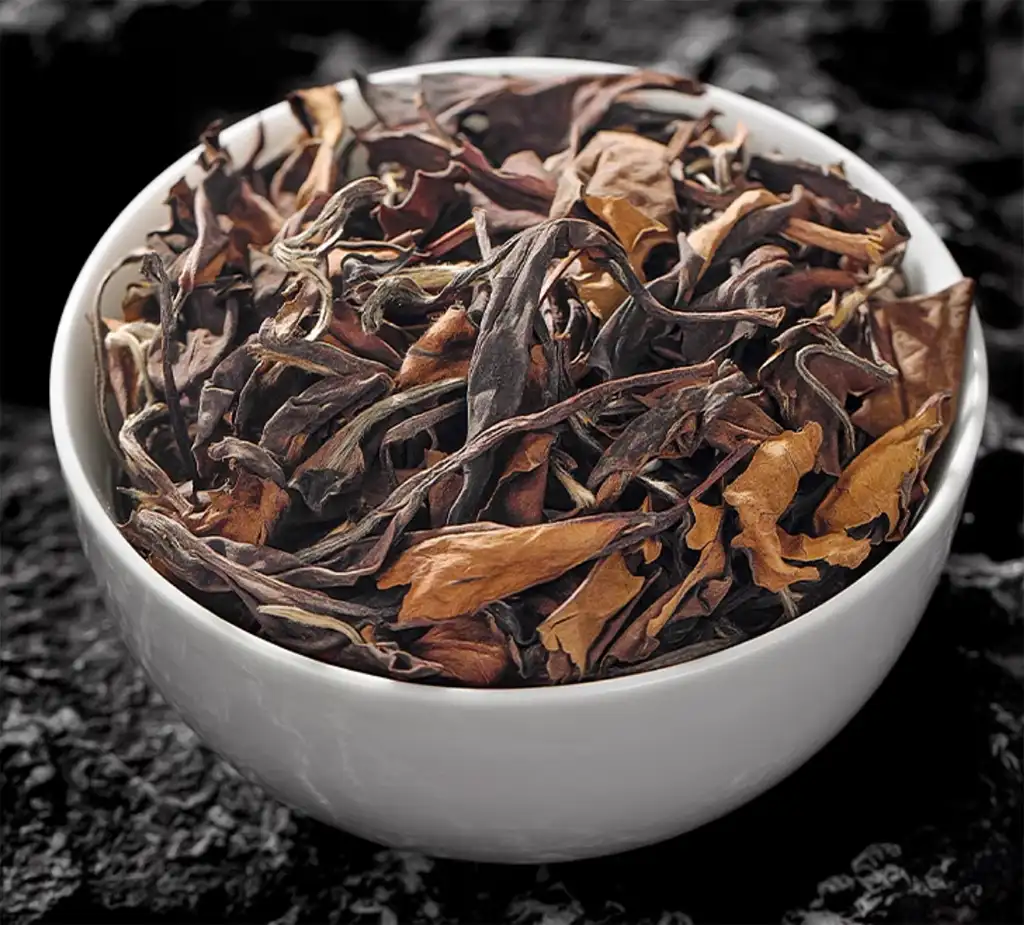
Potential Downsides of Caffeine in Shoumei Tea
- Affects sleep: Caffeine is a stimulant that can clear your mind and help improve focus. However, excessive caffeine intake can lead to insomnia or poor sleep quality. For those sensitive to caffeine, drinking Shoumei tea in the evening may disrupt sleep.
- Triggers heart palpitations and anxiety: Some individuals sensitive to caffeine may experience palpitations, a racing heart, and anxiety after drinking caffeinated tea. If you are prone to these issues, we recommend drinking Shoumei tea in moderation and monitoring how your body responds.
- Impacts bone health: Excessive caffeine intake may interfere with calcium absorption, which in turn can affect bone health. While the caffeine content in Shoumei tea is relatively low, long-term heavy consumption still warrants caution.
- Gastrointestinal irritation: Caffeine and other components in tea can stimulate the gastrointestinal tract, leading to stomach discomfort or indigestion. For those with sensitive stomachs, it is recommended to drink Shoumei tea in moderation after meals to minimize irritation.
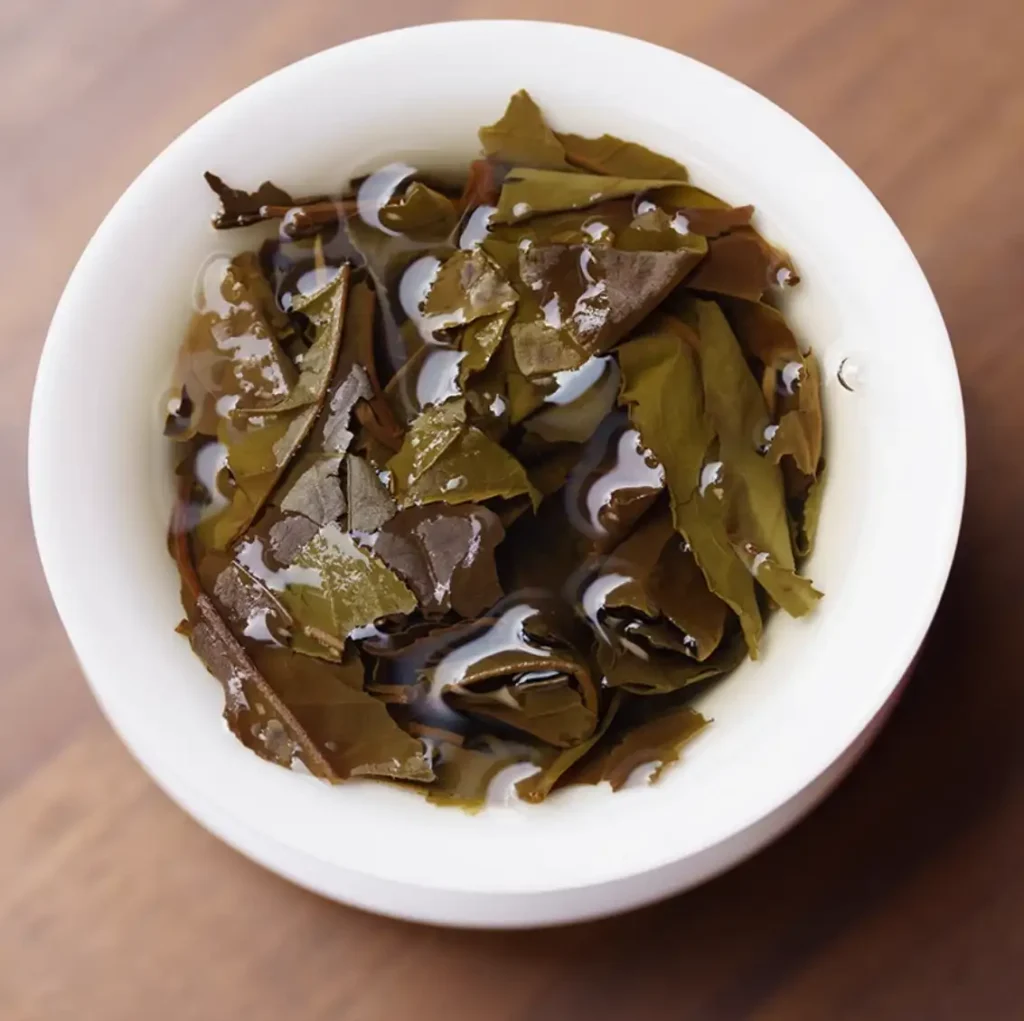
Tips to Mitigate the Effects of Caffeine
- Control your intake: Enjoy Shoumei tea in moderation to avoid excessive caffeine intake. It is generally recommended to stick to no more than two to three cups per day, adjusting based on your personal tolerance.
- Avoid drinking at night: Refrain from drinking Shoumei tea in the evening or close to bedtime to avoid disrupting your sleep quality. If you are sensitive to caffeine, it is best to drink it in the morning or afternoon, giving the caffeine enough time to clear your system before sleep.
- Pair with food: Drinking Shoumei tea alongside meals can reduce the stimulation of caffeine on the gastrointestinal tract and lower the likelihood of stomach discomfort.
- Increase water intake: Drinking plenty of water helps dilute caffeine, promotes its excretion, and minimizes its impact on the body. Staying well-hydrated helps maintain your body’s balance.
If caffeine truly affects your well-being and the methods above do not relieve your symptoms, it is best to avoid drinking Shoumei tea altogether. You can opt for caffeine-free herbal teas or other alternatives instead—after all, your health comes first.
Conclusion: Cons of Shoumei Tea
Although Shoumei tea contains relatively little caffeine and offers numerous health benefits, you should still be mindful of the potential effects of its caffeine content. Drink in moderation and listen to your body to fully enjoy the flavor and health benefits of Shoumei tea.
Read more:
- Shoumei Tea: The Most Abundant and Most Affordable White Tea Grade
- Benefits of Shoumei Tea: What Are the Advantages of Drinking It?
- Is Shoumei Green Tea? Why Does It Taste So Similar to Green Tea?
- What Kind of Tea Is Shoumei? How Is It Different from Bai Mudan?
- Cons of Shoumei Tea: Does Shoumei Contain Caffeine?