High-Altitude Tea: Does Higher Elevation Always Mean Better Tea?

A fellow tea lover asked: Tea merchants always emphasize altitude when selling tea, and high-altitude tea is usually more expensive. Does growing tea at a higher elevation really make it taste better?

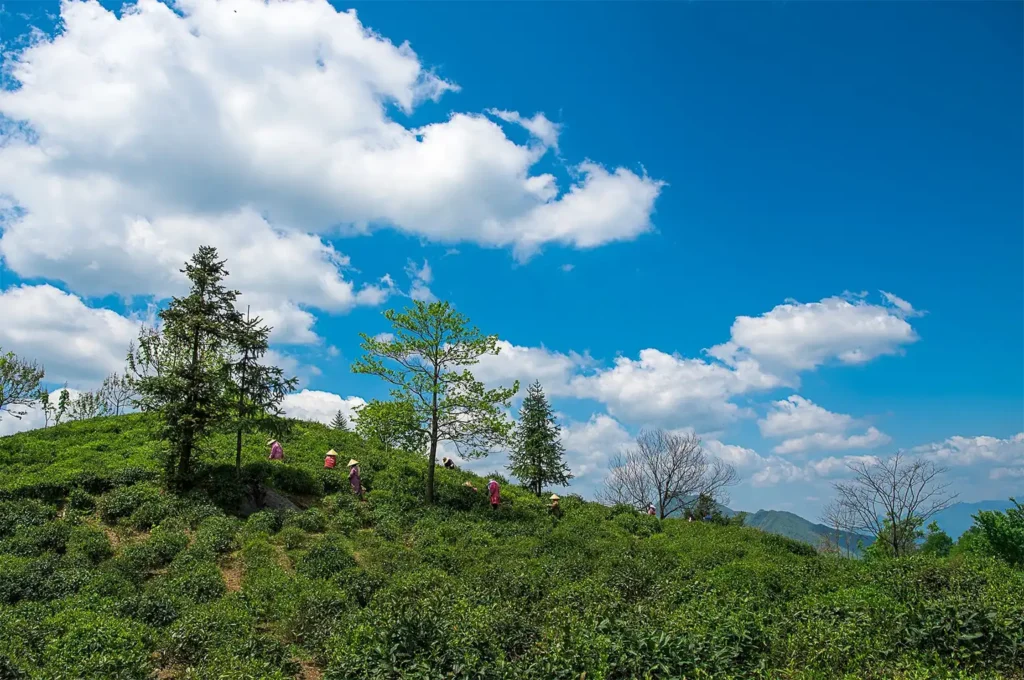
High-altitude tea

High-Altitude Tea: Does Higher Elevation Always Mean Better Tea?

Not necessarily. Many factors affect tea quality, including the season, fertilizer amount and type, irrigation water, temperature during the growing period, weather during harvest, picking standards, tea-making equipment, processing techniques, and more.

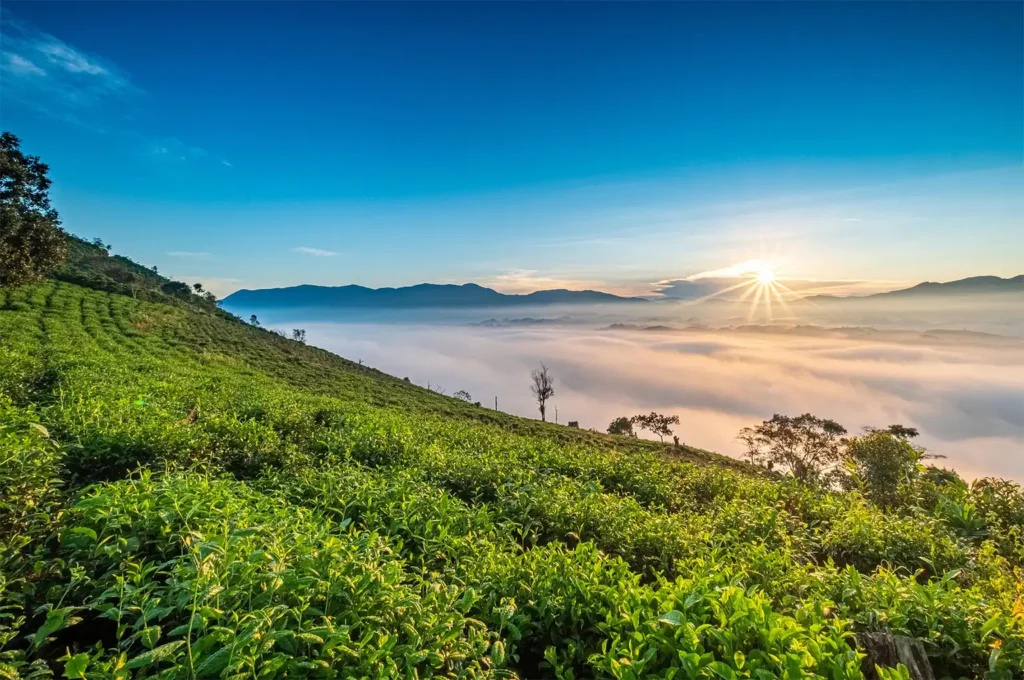
Altitude certainly influences tea quality. High-altitude regions experience greater temperature swings between day and night, which can enhance the tea’s sweetness and give it a richer high-mountain character. However, altitude is just one factor among many. If only the altitude is high while other aspects fall short, the resulting tea still won’t be very good.

Can High-Altitude Tea Lose to Mid-to-Low Altitude Tea?

It happens more often than you might think. Around 2010, there was a season where it rained for an entire month in the Lishan region. Over half of that harvest consisted of rain-plucked leaves or overly mature leaves, resulting in disastrous quality. That was a clear example of mid-to-low altitude teas easily outperforming high-altitude teas.

Compared to a high-altitude Lishan tea that suffered from poor fertilizer, terrible orchard management, and careless processing (and trust us, poorly made Lishan tea definitely exists), which one do you think will taste better?

High-altitude tea

Conclusion: High-altitude tea simply offers a higher “ceiling” for quality—it doesn’t guarantee that the final product will be great. Don’t focus solely on altitude; orchard management and weather during harvest are far more decisive factors for tea quality.

Shopping Cart