
In the quest for a healthier lifestyle, the benefits of drinking tea have long been praised. Whether it’s a morning cup to awaken your mind or a High Mountain Oolong after lunch to cut through grease, tea is far more than a refreshing beverage—it is one of the finest daily wellness habits you can adopt.
This is largely thanks to the rich catechins and antioxidants in tea, earning it a key place in modern healthy living. However, drinking tea properly makes all the difference. This article explores 4 key benefits of drinking tea, along with important precautions, so you can enjoy every cup healthily and elegantly!

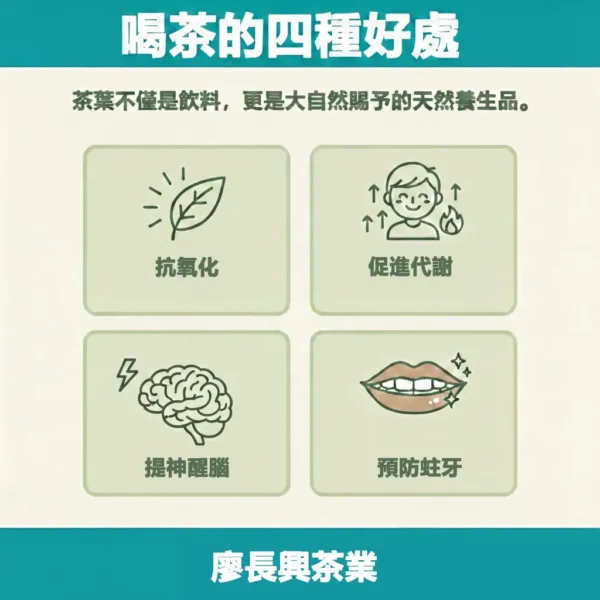
4 Key Health Benefits of Drinking Tea
Tea is more than just a delicious beverage. The tea polyphenols, catechins, caffeine, and fluorides inside provide wonderful support for your body:
Antioxidant Protection and Anti-Aging: Tea leaves are rich in epigallocatechin gallate (EGCG), a potent antioxidant that neutralizes free radicals, reduces cellular damage and inflammation, and helps skin maintain a natural radiance, slowing aging from the inside out.
Boosts Metabolism and Aids Weight Management: This is perhaps one of the most popular benefits of tea in recent years. Research shows that tea polyphenols can promote fat oxidation and elevate your basal metabolic rate. Green tea and lightly fermented oolongs (such as High Mountain tea or Baozhong) are especially effective at cutting richness and enhancing metabolism, making them ideal companions for weight management.
Sharpens Focus and Relieves Stress: L-theanine calms the nerves and relaxes the mind, while caffeine boosts mental alertness, providing smooth, sustained focus. Unlike coffee, tea delivers a gentler, more stable energy boost without jittery heart palpitations or sudden fatigue crashes.
Prevents Tooth Decay and Freshens Breath: Tea naturally contains fluoride, which strengthens enamel and boosts resistance against acid erosion. In addition, tea polyphenols inhibit the growth of odor-causing oral bacteria. Sipping tea regularly helps prevent cavities and keeps your breath fresh, boosting your confidence in work and social settings.
3 Essential Precautions: When to Avoid Drinking Tea
While drinking tea offers numerous health benefits, doing so under the wrong circumstances can put unnecessary strain on your stomach and body:
Avoid Drinking Tea on an Empty Stomach: Drinking tea on an empty stomach dilutes gastric juices and suppresses stomach acid secretion, often triggering “tea drunkenness”—symptoms like heart palpitations, dizziness, or weakness in limbs. Overconsuming tea or drinking overly concentrated brews can also trigger this effect even if you’re not fasting.
Avoid Drinking Large Amounts Right After Meals: Although tea helps digest rich foods, tannins in tea bind to iron from food. If your meal is iron-rich (such as red meat or spinach) or if you have iron deficiency, it’s best to wait at least 1 hour after eating before drinking tea.
Avoid Excessive Consumption Before Bedtime: Caffeine boosts alertness but can cause insomnia. If you are sensitive to caffeine, consider switching to heavily fermented teas (like black tea) or caffeine-free herbal infusions after 4:00 PM (or 6 hours before bedtime).
Precautions for Drinking Tea: A Pro-Level Guide
To ensure that every sip of tea contributes positively to your health, here are a few practical tips and guidelines to keep in mind:
Tea Temperature: Keep it below 65°C. Scalding hot tea can damage your esophageal lining. It’s best to let it cool slightly and sip it warm—this brings out the fullest aroma while offering the greatest health benefits.
Daily Intake: Cap caffeine at 300 mg per day—roughly equivalent to 2 to 3 cups of standard boba tea. Moderate consumption boosts energy and supports wellness; going overboard offers no extra benefits and can harm your health.
Drug Interactions: Never take medication with tea. Compounds in tea leaves may interfere with your medication’s effectiveness or trigger side effects. Always take medicine with plain water.
Tea Drinking Tips: A Professional Guide to Enjoying Tea
Hello fellow tea lovers! Drinking tea offers many benefits—it boosts alertness and helps cut through greasy food. Having a cup of High Mountain Oolong after a heavy meal is absolute perfection. However, keep in mind: never drink in excess. As a tea merchant, I taste a lot of tea every day. Even though I drink tea daily, I can still get “tea drunk” if I’m not careful, with headaches and weakness being the most common symptoms. So remember, no matter how delicious the tea is, moderation is key.
Beginners often ask which tea suits them best. If you have a sensitive stomach, I recommend starting with black tea. If you are managing your weight, try green tea, Baochung, white tea, or High Mountain Oolong. Also, try to avoid sugary takeout teas—most use low-quality tea leaves and easily cost NT$30–50 a cup. Brewing tea at home is much better: a 600 g pack of premium Lishan tea at NT$3,000 can brew hundreds of cups, averaging under NT$10 a cup. It’s healthy, economical, and delicious.