
Green tea is a type of non-fermented tea and stands as one of the most widely produced and popular teas in the world. Its production process involves plucking, fixing (kill-green), rolling, and drying. This results in tea leaves that are noticeably greener than other varieties, while retaining the original components and flavors of the tea. With its fresh and crisp taste, green tea is not only delicious to drink, but also widely regarded as a health-boosting beverage.
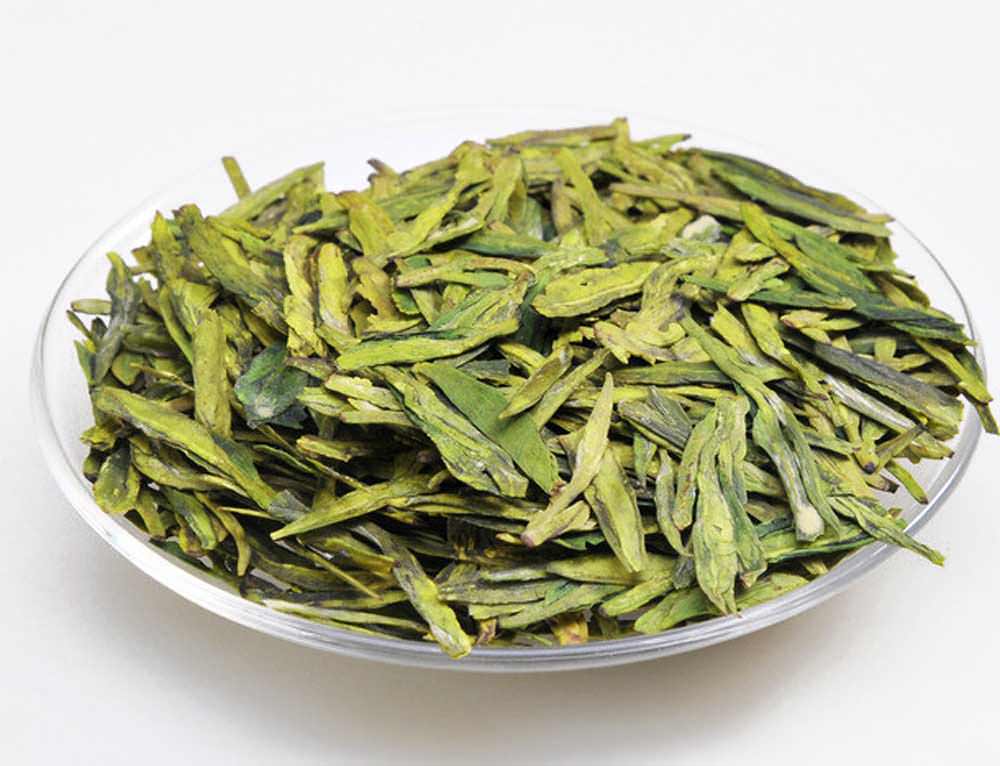
The biggest difference between green tea, black tea, and oolong tea is that green tea undergoes no fermentation during production, making it a non-fermented tea. The hallmark of non-fermented tea is its ability to preserve the authentic flavor of the tea leaves. As a result, it is rich in amino acids, yields a vibrant, clear green brew with a fresh and crisp taste, and offers a natural drinking experience. Since ancient times, Chinese people have believed that green tea offers health benefits, and recent studies have confirmed that drinking green tea truly helps the body. Its wellness benefits include boosting alertness, supporting weight management, antibacterial effects, enhancing immunity, and lowering the risk of cardiovascular disease.
Origins and Development of Green Tea
As one of the world’s most popular teas, green tea originated in the Zhejiang region of China. Steamed green tea production methods date back to the 8th century, followed by the invention of pan-fired green tea in the 12th century—a method still in use today. In modern China, Zhejiang, Anhui, Jiangxi, and Hubei are the largest green tea production areas, making the country the world’s top green tea producer. In addition to China, countries like India and Japan also produce exceptional quality green teas.
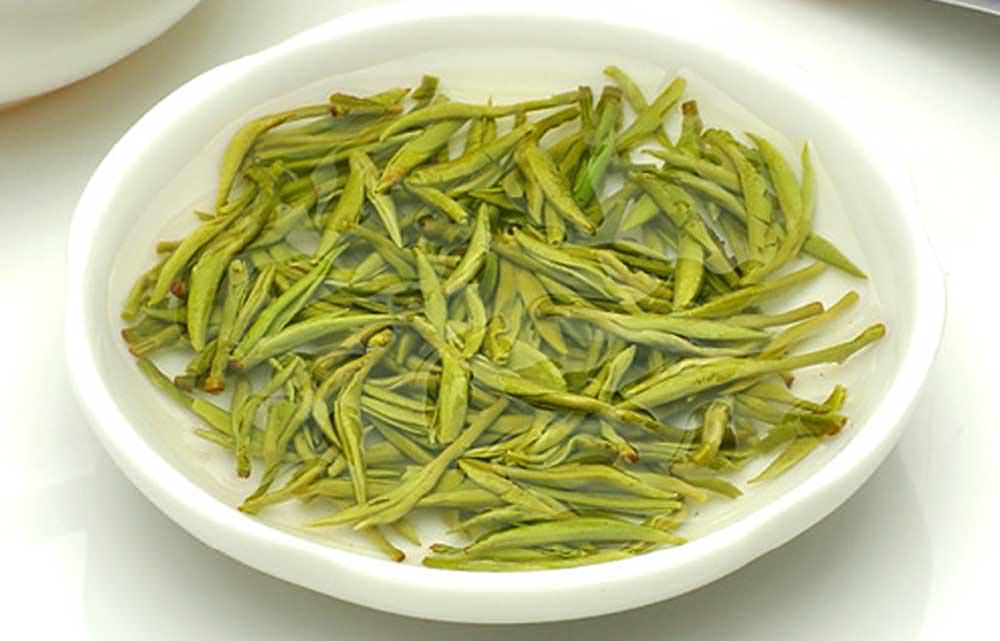
Some of the most famous Chinese green teas include Xihu Longjing, Dongting Biluochun, Huangshan Maofeng, Xinyang Maojian, and Taiping Houkou. Other popular varieties include Mengding Ganlu, Anji Bai Cha, Rizhao Green Tea, Jintan Queshe, and Zhuyeqing. Japanese green tea is distinguished by its “steamed” production method and boasts outstanding quality.
Green tea is also produced in Taiwan, primarily in the Sanxia District of New Taipei City, where varieties like Biluochun and Longjing are crafted. Mainly following traditional Chinese tea-making methods and utilizing local tea cultivars, Taiwanese green tea delivers a remarkably fine flavor profile.