
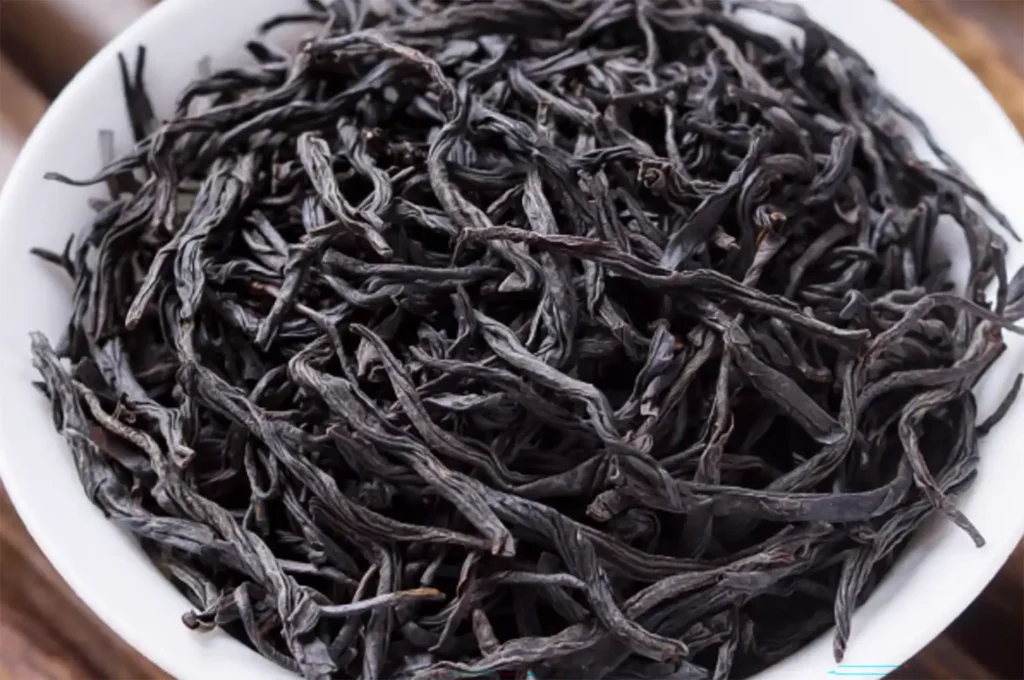
Lapsang Souchong, also known as Zhengshan Souchong, is produced in the Tongmu Guan area of Wuyishan City in Fujian Province. It belongs to the black tea category and is hailed as the ancestor of all black teas. Originating in the late Ming and early Qing dynasties, legend has it that local tea farmers rushed to process their harvest amidst wartime chaos by drying the leaves over pine wood fires, accidentally creating a unique flavor profile with distinctive pine smoke notes. By the 17th century, Lapsang Souchong was already being exported to Europe, where it won the favor of the aristocracy and even helped shape British afternoon tea culture.
How Lapsang Souchong is Made
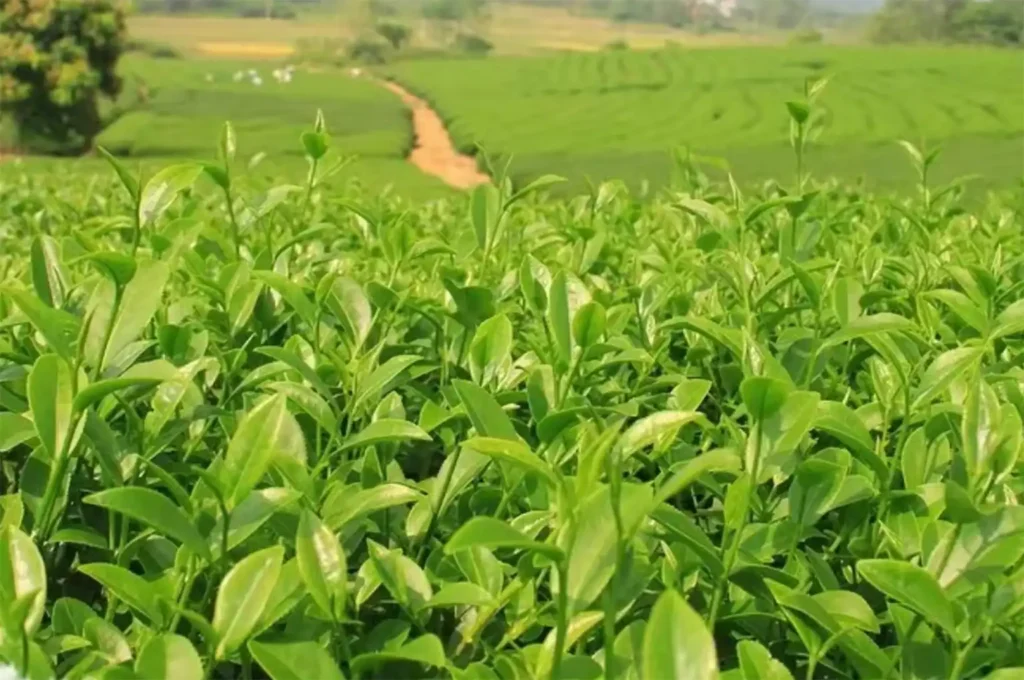
Lapsang Souchong has a unique production process. Harvesting typically takes place in April and May, selecting tender leaves with one bud and two leaves or one bud and three leaves. The production process mainly involves the following steps:
| Withering | Spreading out the fresh tea leaves to gradually lose moisture and begin initial fermentation. |
| Rolling | Breaking down the cellular structure to release the tea juices and shape the leaves into tight strips. |
| Fermentation | Fermenting under optimal temperature and humidity conditions to give the leaves a reddish-brown hue and enhance their aroma. |
| Drying and Smoking | Finally, drying and smoking over pine wood to infuse the tea with a rich pine smoke aroma. |
Characteristics and Flavor of Lapsang Souchong
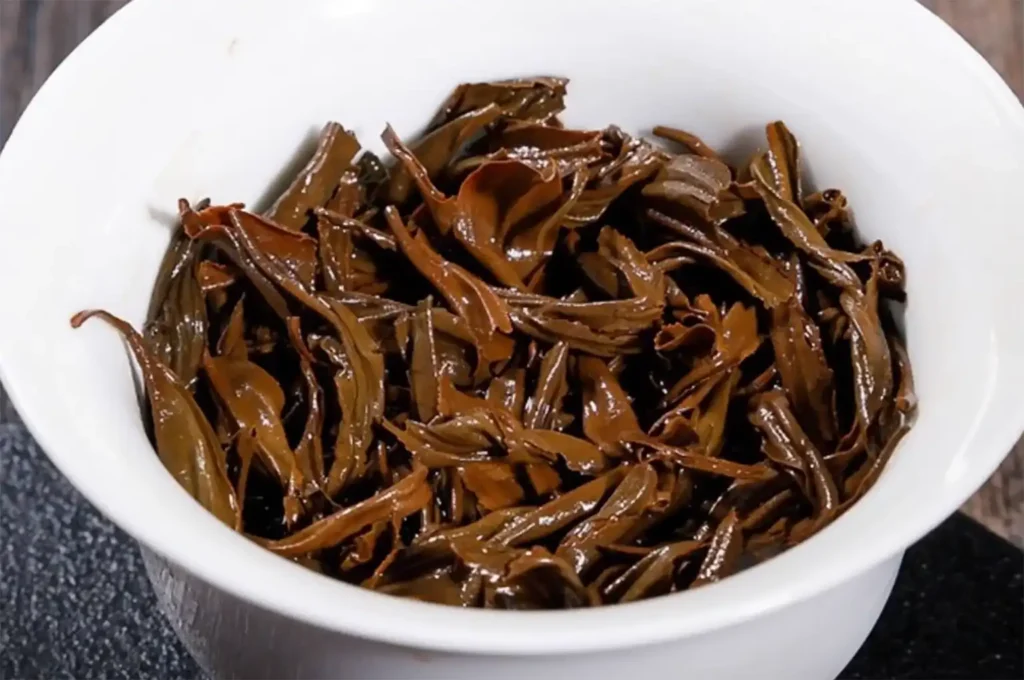
Lapsang Souchong leaves are dark, oily, and tightly twisted, yielding a bright, translucent reddish liquor. The aroma carries a rich pine smoke scent, while the palate delivers the sweet, mellow taste of longan fruit soup. This exceptional flavor sets it apart from other Chinese black teas.
How to Brew Lapsang Souchong
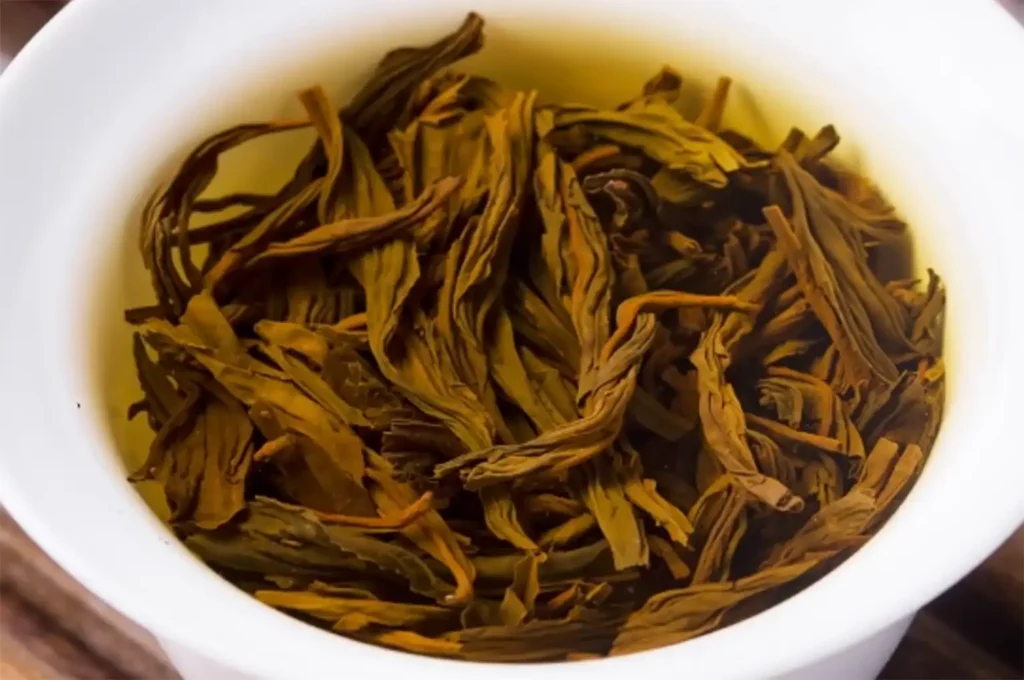
To get the most out of Lapsang Souchong’s unique flavor, choosing the right teaware and water quality makes all the difference:
| Teaware | Porcelain pots, cups, and bowls are ideal. Pre-warming your teaware is recommended to enhance the mouthfeel. |
| Water Quality | Spring water is best, followed by well water or bottled mineral water. |
| Water Temperature | Boiling water at 100°C is recommended to fully release the tea’s aromas and flavors. |
| Tea Quantity | A tea-to-water ratio of 1:50 works well—for example, using 2 grams of tea for a 100ml teapot. |
| Steeping Time | About 3 minutes for the first steep, adding 1 minute for each subsequent steep, good for about 4 infusions. |
Health Benefits of Lapsang Souchong
| Boosts Energy | Caffeine helps improve focus and alertness. |
| Aids Digestion | Black tea is rich in tea polyphenols and enzymes, which support healthy digestion. |
| Antioxidant Properties | Contains abundant polyphenol compounds that help combat free radicals and slow down aging. |
| Warms the Stomach and Nourishes Health | Lapsang Souchong has a gentle, warming nature, making it ideal for colder seasons. |
Lapsang Souchong Q&A
Q. What is the difference between Lapsang Souchong and Da Hong Pao?
Lapsang Souchong is a black tea, while Wuyi Dahongpao is an oolong tea. Both are produced in the Wuyi Mountains, but their processing methods and flavor profiles are entirely different. Lapsang Souchong is fully fermented, resulting in a bright red liquor with a signature pine-smoked aroma. Dahongpao, on the other hand, is a partially fermented tea characterized by its distinct “rock charm” (yanyun) and floral-fruity notes.
Q. What is the relationship between Lapsang Souchong and Jin Jun Mei?
Jin Jun Mei is a premium variety developed from Lapsang Souchong. Its selling point is that it is made using only the tender leaf buds, requiring much finer tea material. The resulting brew is delicate and sweet, with a more subtle pine-smoked aroma.
Q. What does the "Zhengshan" (正山) in Lapsang Souchong mean?
“Zhengshan” refers to the authentic place of origin, specifically the Tongmuguan area in Wuyishan City, Fujian Province. In contrast, “Waishan” (outer-mountain) souchongs refer to black teas imitated and produced in other regions.
Q. Where can you buy Lapsang Souchong in Taiwan?
Due to Taiwan’s import regulations, the import of Lapsang Souchong black tea is restricted. However, you can still find it in Taiwan, primarily brought back by travelers or transshipped through third regions. If you want to experience the most authentic Lapsang Souchong, it is recommended to purchase it when traveling to China or Hong Kong.