
In the world of Taiwanese tea, the terms “oolong tea (qingcha)” and “green tea” are often mixed up, and many tea beginners assume they are the exact same thing. However, these two types of tea are actually quite different. Not only do they have distinct names, but their production methods, flavor profiles, and characteristics are entirely unique. Let’s explore what oolong tea is and how it differs from green tea to help you gain a deeper understanding of both.
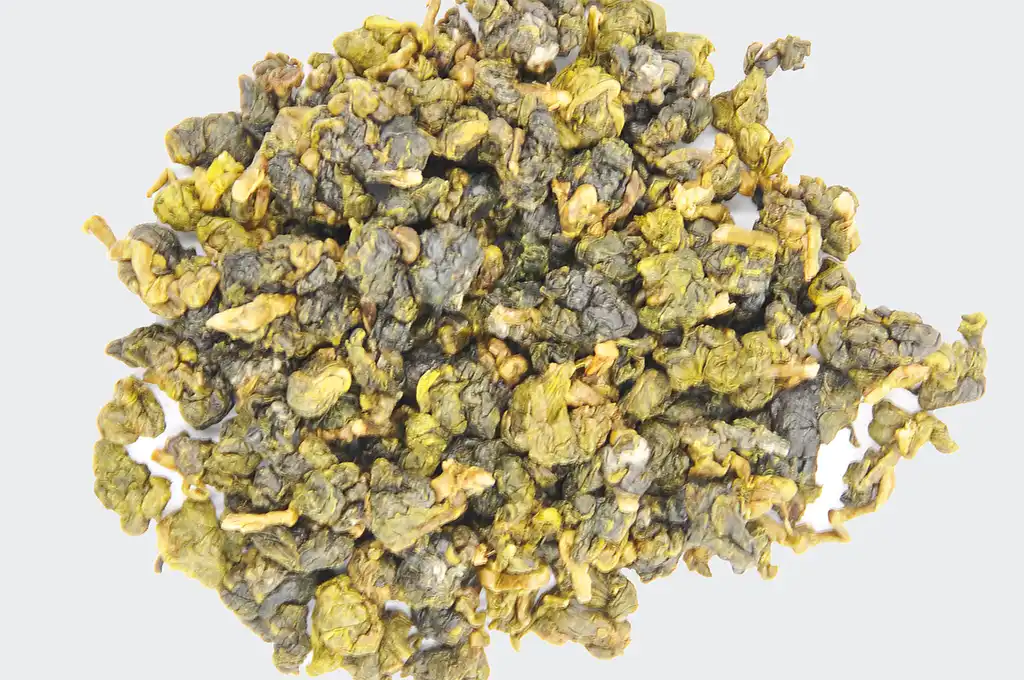
Pictured above is Taiwanese Sijichun oolong tea.
What is oolong tea? What are its characteristics?
Oolong tea—frequently referred to as qingcha—is one of the six traditional categories of Chinese tea. Chinese teas are classified into six major categories based on their finished state and liquor color: green tea, white tea, yellow tea, oolong tea (qingcha), black tea, and dark tea. What makes oolong tea special is that it is a semi-fermented tea, setting it apart from unfermented green tea and fully fermented black tea. Because it undergoes partial fermentation, oolong tea retains both the refreshing qualities of green tea and the mellow sweetness of black tea. The production of oolong tea is intricate, involving steps such as withering, fixation (kill-green), rolling, and drying. This complex process gives the tea a rich, layered texture and a diverse aroma with notes of both flowers and fruit, making it a favorite among many tea enthusiasts.
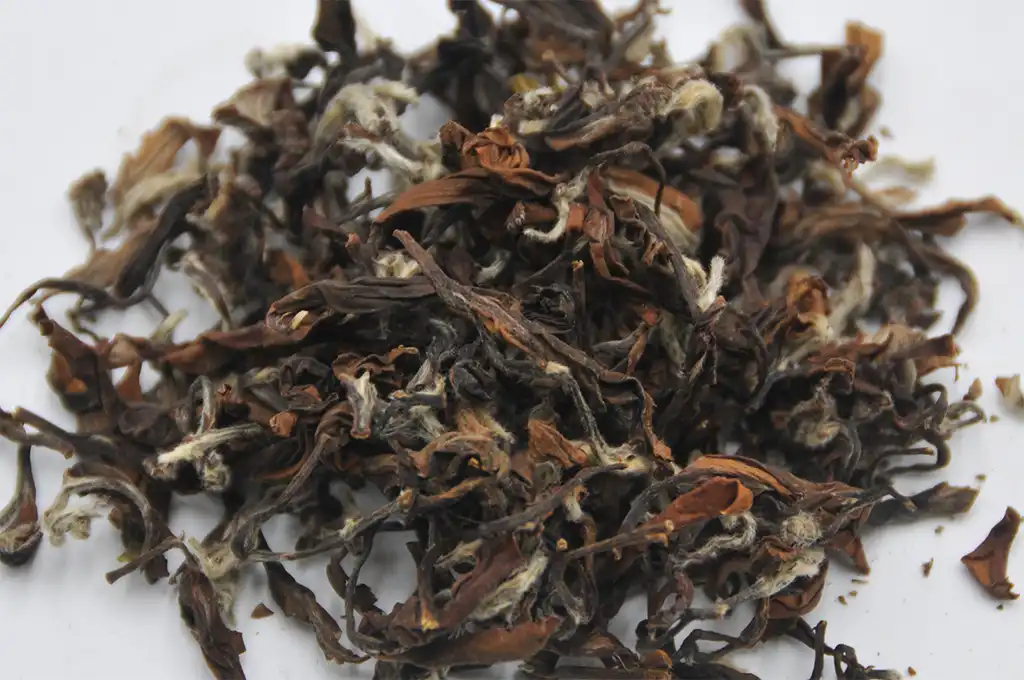
What is the difference between oolong tea and green tea?
Because the Chinese characters for qingcha (“blue-green”) and lücha (“green”) sound similar in color concept, many people mistakenly think oolong tea is just green tea—which is incorrect. The biggest difference between oolong tea and green tea comes down to their fermentation process. Oolong tea is partially fermented, whereas green tea is completely unfermented. The fermentation process alters the internal chemical structure of the leaves, giving oolong tea a smoother, mellower taste, while green tea preserves more of its natural character with a fresh, crisp, herbaceous aroma. Here are the key differences between the two:
- Production Method: Oolong tea is semi-fermented, while green tea is unfermented. This is the primary distinction between them. The making of green tea preserves the leaf’s natural qualities by bypassing fermentation, applying a kill-green step immediately after harvesting. This keeps the herbaceous aroma and vibrant green hue intact. In contrast, harvested oolong leaves go through withering, which shifts the aroma profile and turns the leaf color toward darker or deep green shades.
- Flavor Profile: Green tea leans toward a light, brisk taste, often carrying subtle grassy or floral notes. Oolong tea features a much richer flavor profile that can include floral, fruity, and even roasted undertones. With its versatile, multi-layered mouthfeel—ranging from delicate and subtle to bold and aromatic—oolong tea is ideal for anyone who appreciates complex flavors.
- Appearance and Color: Green tea generally maintains a natural green shade with slender leaves and a bright, clear appearance. Oolong tea, depending on its level of fermentation and roasting, ranges in tone from deep green to brownish. The liquor of green tea is typically light green or yellowish-green, whereas oolong tea liquor can present as golden, amber, or even orange.
- Storage: Because green tea is unfermented, it is more susceptible to oxidation and should be stored at lower temperatures whenever possible to preserve its freshness. Because oolong tea undergoes partial fermentation and roasting, it boasts better storage stability and can maintain its flavor longer when kept at room temperature.
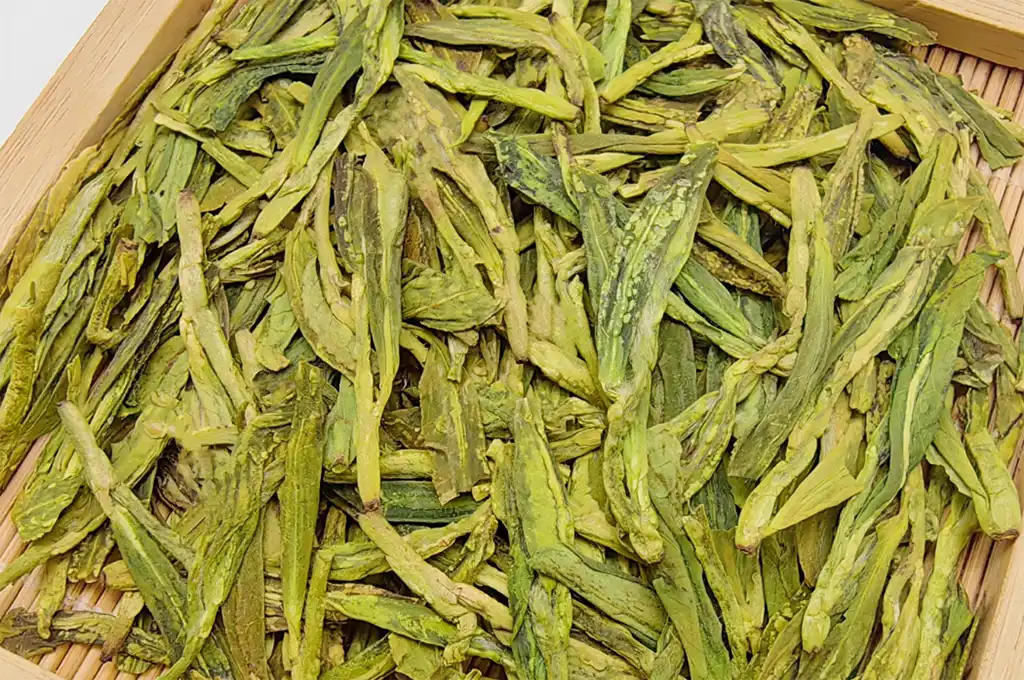
Pictured above is Chinese Longjing tea.
The main differences between oolong tea (qingcha) and green tea lie in their fermentation levels and production processes, which directly shape their flavor and mouthfeel. Oolong tea offers a richer, more complex flavor profile, whereas green tea is known for its fresh and crisp taste. If you enjoy teas with complex layers of flavor, give oolong a try; if you prefer a clean and simple profile, green tea makes an exceptional choice.