
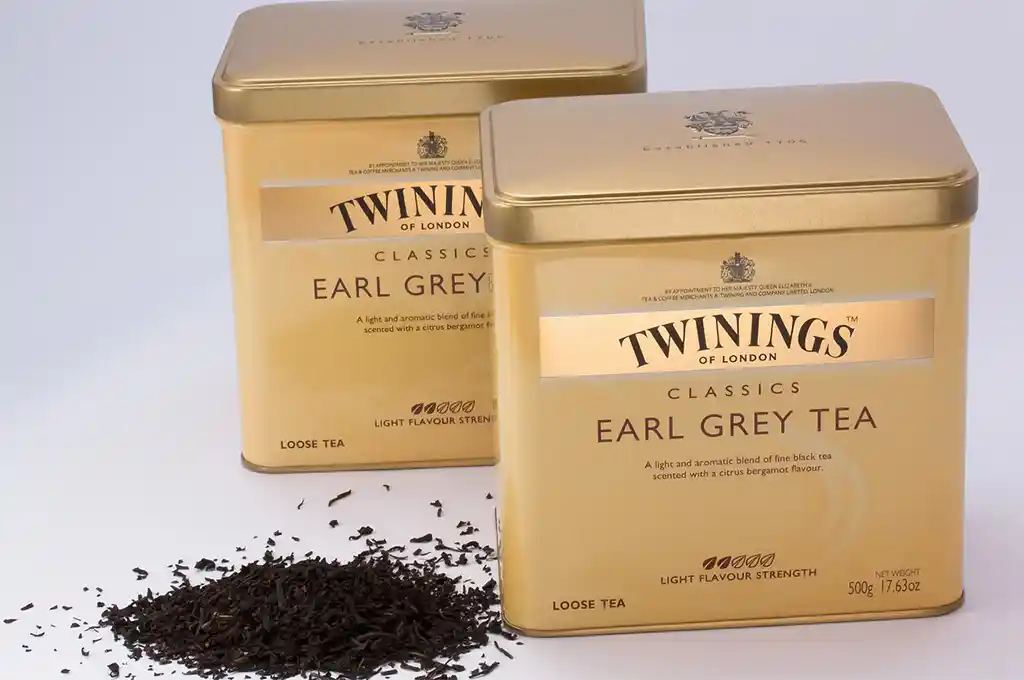
Earl Grey tea is a flavored tea made with a black tea base infused with oil of bergamot. It is sometimes flavored with essential oils, botanical aromatics, or citrus peels. It is a world-renowned flavored black tea loved around the globe.
What Is Earl Grey Tea? Origin and History
The history of Earl Grey tea dates back to 19th-century Britain. It was created and produced in 1831 by Twinings and named after Charles Grey, the 2nd Earl Grey and British Prime Minister in the early 19th century. Legend has it that the tea was a gift from a Qing dynasty Chinese mandarin to the Earl, who loved the flavored tea so much that he asked Twinings to recreate it. However, many dispute this story, as bergamot was not grown in China at that time.
Another theory suggests that during a sea voyage between China and Britain, a severe storm caused bergamot oil in the cargo hold to spill over barrels of Chinese Lapsang Souchong black tea. Upon sampling the brew, Lord Grey discovered that the citrus oil enhanced the tea’s flavor. After returning to England, he began producing and selling this flavored tea.
Over time, Earl Grey tea gained widespread popularity around the world. Today, variations using green tea or oolong tea as a base have also emerged, though black tea remains the classic standard.
How to Brew Earl Grey Tea
Brewing Earl Grey tea is straightforward. Here are a few recommended brewing guidelines:
| Tea Quantity | Use about 3–5 g of tea leaves per 250 ml of water. |
| Water Temperature | Like standard black tea, use water temperatures between 90–95°C (194–203°F). If using a green tea Earl Grey base, 80°C (176°F) is recommended. |
| Steeping Time | Steep for 3–5 minutes, adjusting according to your personal taste preference. |
| Adding Milk | It can be enjoyed straight, or with a splash of milk or sweetener if you prefer a milk tea style. |
5 Health Benefits of Drinking Earl Grey Tea
| Promotes Heart Health | Flavonoids in black tea help lower bad cholesterol and increase good cholesterol, making it a great supporter for your cardiovascular system. |
| Boosts Energy and Focus | Black tea contains caffeine, offering a gentler, more sustained energy boost compared to coffee. |
| Supports Metabolism & Weight Loss | The caffeine and polyphenols in Earl Grey tea help boost metabolism and encourage fat burning, supporting weight management when paired with a healthy diet and exercise. |
| Stress Relief & Relaxation | Rich in L-theanine, a natural amino acid that helps relax the mind and reduce stress. |
| Oral Health | Tannins in black tea possess antibacterial properties that suppress bacterial growth in the mouth, while bergamot essential oil and natural tea fragrance help freshen your breath. |
Earl Grey Tea: Side Effects & Precautions
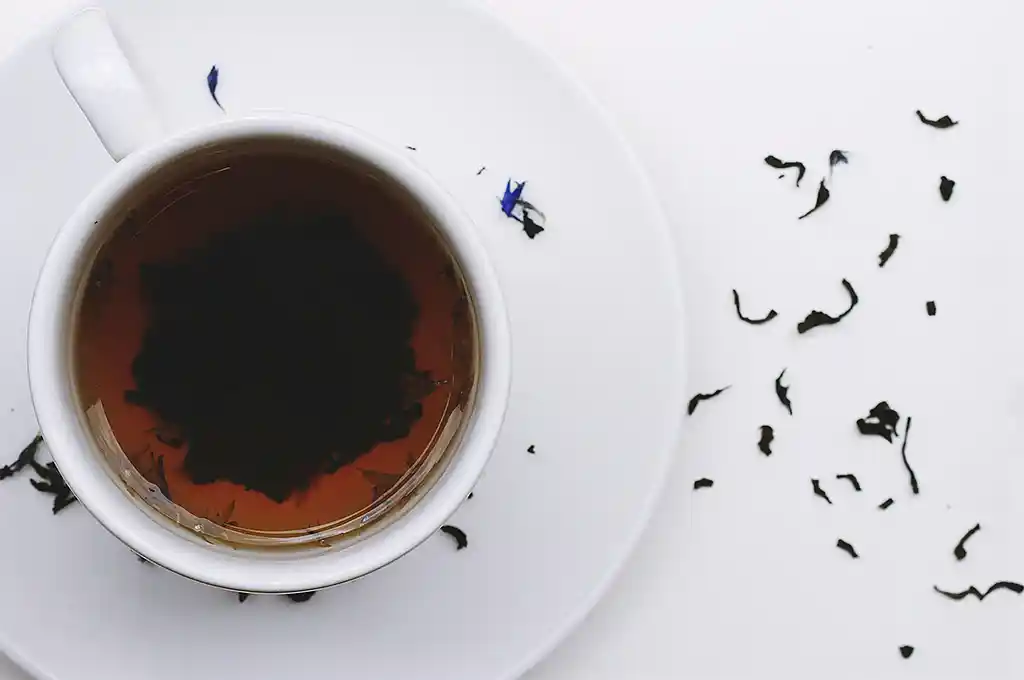
| Excess Caffeine | Because Earl Grey uses a black tea base, it naturally contains caffeine. Excessive consumption can cause insomnia, anxiety, or a rapid heartbeat. |
| Interference with Iron Absorption | Tannins in black tea can hinder iron absorption. Anyone with anemia or low iron levels should avoid drinking excessive amounts. |
| Pregnancy & Breastfeeding | Pregnant or nursing women should monitor their intake, as caffeine can pass to the fetus or infant, potentially causing restlessness or low birth weight. |
Who Should Drink Earl Grey Tea in Moderation?
Caffeine-Sensitive Individuals: If you are prone to anxiety or sleep issues, keep your Earl Grey consumption in check and avoid drinking it close to bedtime. If you are particularly sensitive, it’s best to stop drinking caffeinated tea after noon to give your body time to metabolize caffeine.
Pregnant or Breastfeeding Women: Due to the caffeine content, pregnant or nursing mothers should drink Earl Grey tea in moderation and consult a healthcare professional first.
Earl Grey tea is not only a unique and flavorful beverage, but it also offers a wealth of health benefits. Just remember to enjoy it in moderation alongside balanced meals and regular exercise to maximize its positive effects.