
A tea enthusiast wrote to us asking: Is selling tea profitable? I love drinking tea, and since my current job isn’t going well, I’m thinking about switching careers to sell Taiwanese tea. What are the profit margins, and how much startup capital do I need?
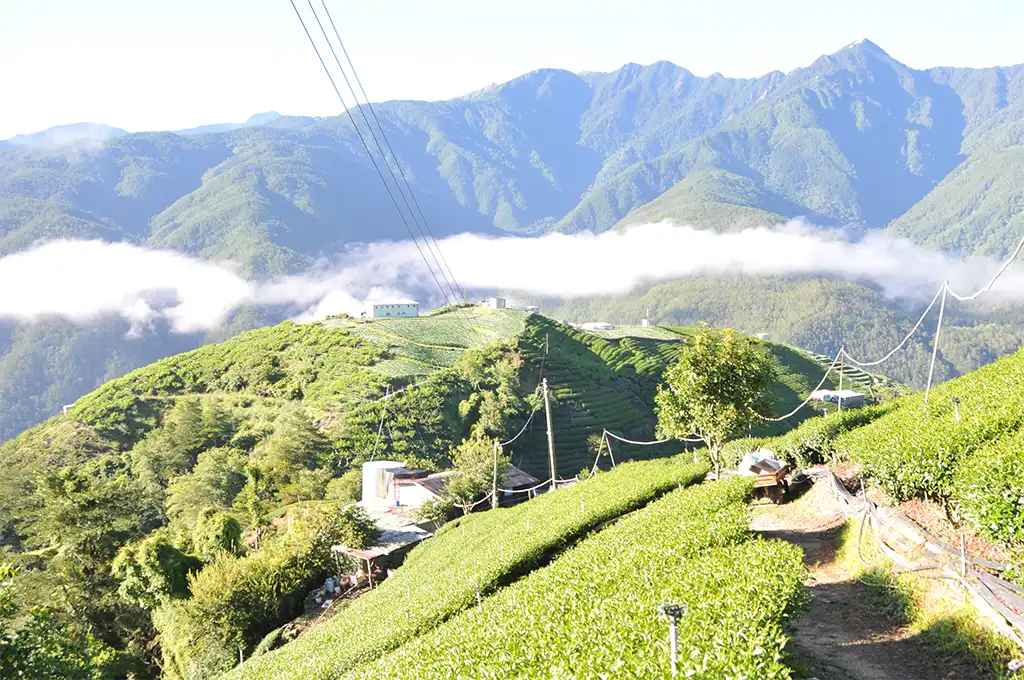
Is selling tea profitable?
If you lack strong tea-tasting skills, high-quality sources, and stable sales channels, then honestly, selling tea is quite tough. The tea market is fiercely competitive, and imported tea being passed off as authentic Taiwanese tea is a major issue.
Currently, the biggest challenge in selling tea is that foreign teas are frequently passed off as authentic Taiwanese tea. Imported tea can cost as little as NT$100 per 600 g, yet it’s used to impersonate Lishan tea and Dayuling tea. Average consumers struggle to tell the difference between genuine and fake, which severely harms authentic Taiwanese tea.
What Are the Profit Margins for Selling Tea?
There is no fixed answer—it all depends on your clientele, tea origin, and marketing approach. High-end teas offer more room for profit, typically ranging from 30% to 100%. With great branding and packaging, you can even sell them at two to five times the cost. For example, trendy influencer shops sell SunMoon Lake Black Tea for over NT$400 per 20 g, which translates to tens of thousands of NT dollars per 600 g—yielding profits several times the initial cost.
Budget teas are much harder to sell at high prices because they directly face competition from imported teas. Taking mid-to-low altitude machine-harvested tea as an example, selling it at NT$300 per 600 g might only yield a 5% to 25% profit margin.
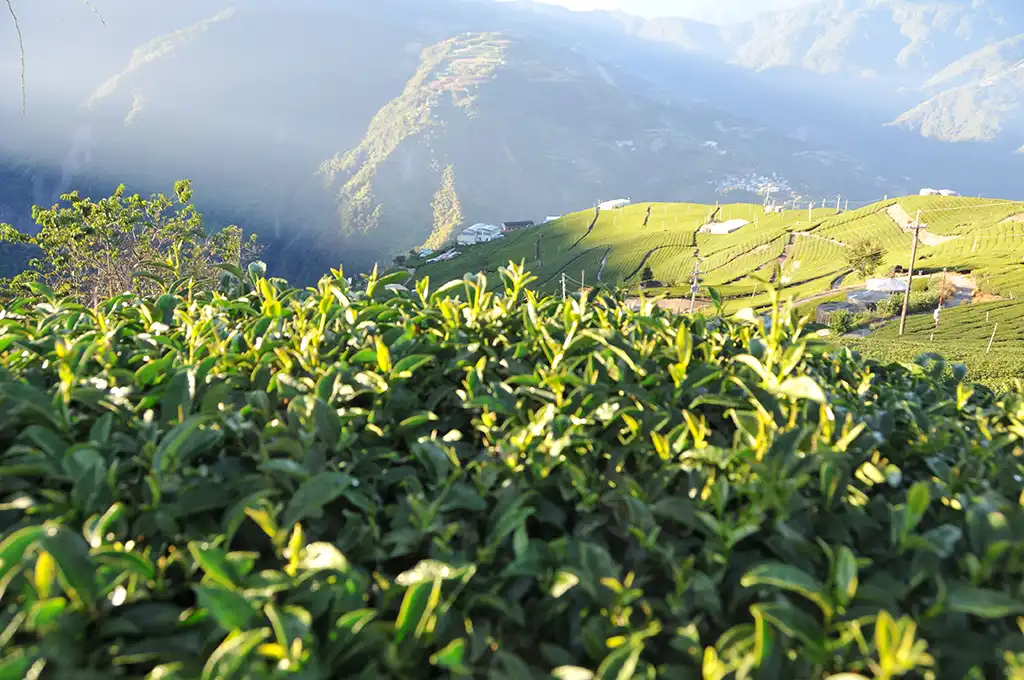
How Much Capital Do You Need to Start Selling Tea?
You don’t need a physical storefront. Using online shops and Facebook communities—operating independently without tying yourself to a traditional tea merchant and using an outright purchase model—let’s assume you keep your profit margin at around 50%. You’d need about NT$300,000 for spring tea procurement, NT$100,000 for autumn tea, NT$300,000 for winter tea, and NT$100,000 for other items like black tea and low-altitude tea. This will cover the basic mountain origins. We recommend avoiding ultra-high-altitude teas like Dayuling, HuaGung, Biluxi, and Fushou Lishan at the start, because wholesale costs run between NT$3,000 to NT$7,000 per 600 g. Without a steady customer base, the financial pressure will be immense. Fanzitian, Meishan, Sanshengping, and DongYanShan make great entry-level mountain origins. While these origins aren’t as famous as Lishan, they yield large volumes, and with careful searching, you can still find exceptional, high-quality teas.
If your startup capital is limited, you can also partner with an established tea merchant under a consignment-like arrangement, purchasing small quantities only when you have actual orders. This offers much higher financial flexibility compared to buying out at least 18 kg (30 catties) directly from a tea factory upfront.