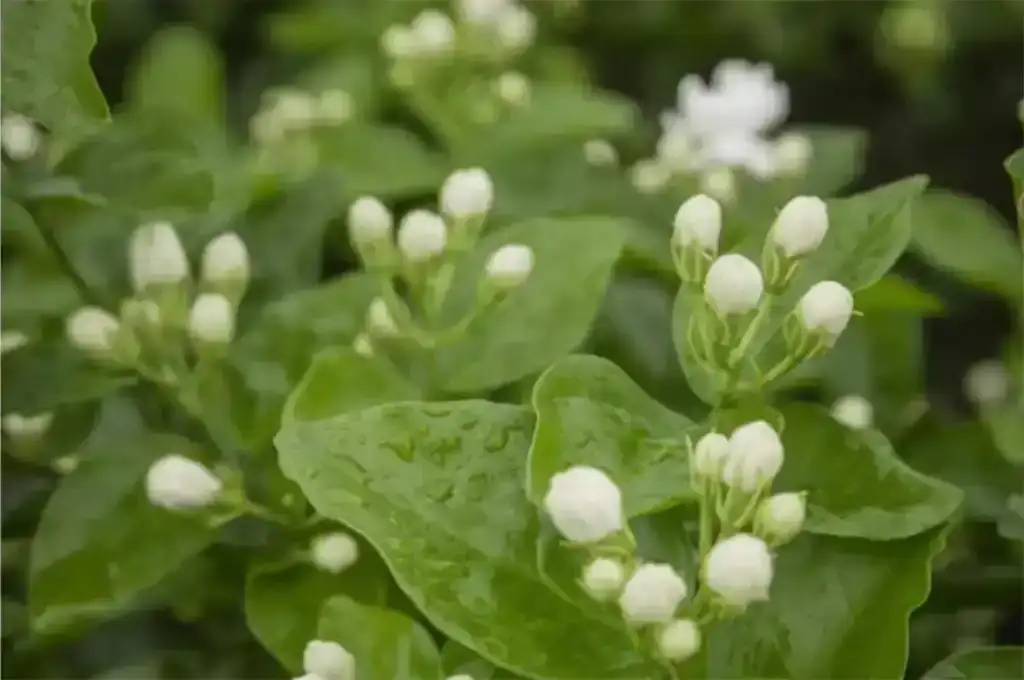
What is Jasmine Tea? Is Jasmine Green Tea (Xiangpian) Just Jasmine Tea?

Jasmine tea is a type of scented tea, also known as jasmine “xiangpian” or simply xiangpian, originating from Fuzhou, Fujian, China. By blending jasmine flowers with tea leaves and taking advantage of the tea leaves’ natural ability to absorb aromas, it creates a harmonious infusion that combines both rich tea notes and floral fragrance.

What is jasmine tea

What is Jasmine Tea? Is Jasmine Tea the Same as Xiangpian?

Jasmine tea is a scented tea (known in Chinese as “xun” or scenting). Scenting involves layering fresh blossoms with loose tea leaves to infuse them with fragrance. The earliest jasmine tea originated in Fuzhou, China, traditionally made using green tea as a base. Over time, oolong, white, and black teas have also been adopted as base teas. In addition, other floral variations have emerged, such as osmanthus tea and rose tea.

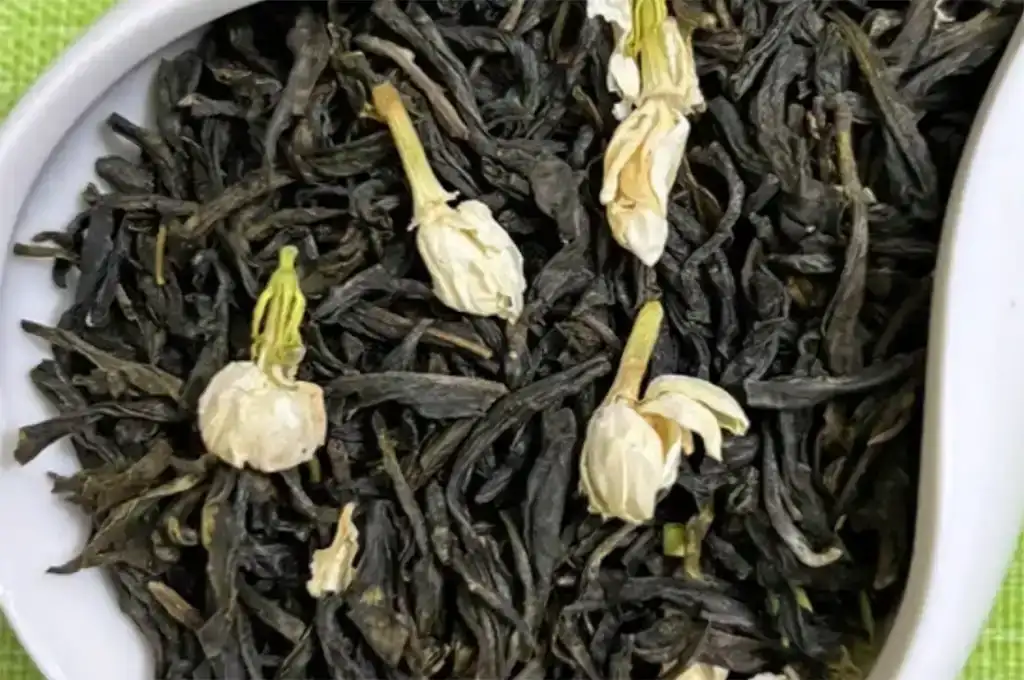
From the above, we can see that xiangpian is a general term for scented teas. While early jasmine tea did refer specifically to xiangpian, its modern usage has evolved beyond just jasmine tea.

How Jasmine Tea is Made

Fresh jasmine blossoms are harvested and layered with tea leaves, alternating between tea and fresh flowers under controlled temperature and humidity to allow the leaves to absorb the floral fragrance. Once the flowers lose their scent, they are replaced with fresh ones. This process is repeated multiple times until the tea perfectly absorbs the rich blend of tea and floral aromas.

What is Jasmine Green Tea

Xiangpian Jasmine Tea vs. Standard Herbal Jasmine Tea

It is important to distinguish that xiangpian jasmine tea is a processed tea (blended scented tea) that contains actual tea leaves. Another variety, herbal jasmine tea, contains no tea leaves at all. The jasmine tea discussed here refers specifically to xiangpian jasmine tea.

Shopping Cart