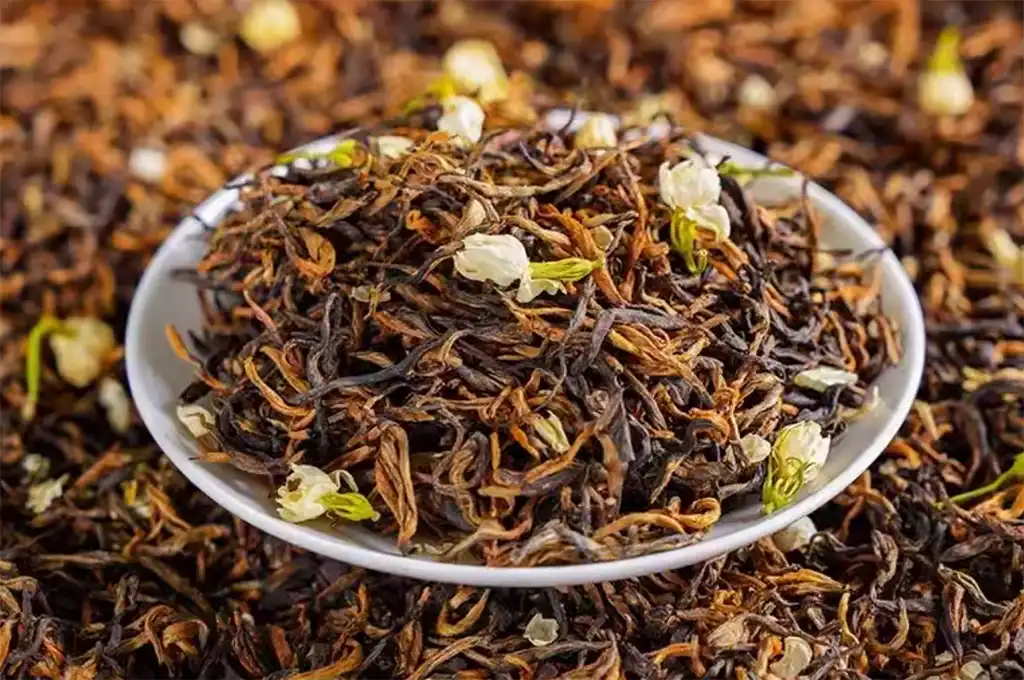
Does Jasmine Green Tea Have Caffeine? How Much Caffeine Is In It?

Jasmine tea is one of the most popular floral teas, crafted with a tea leaf base and infused with the delightful aroma of jasmine flowers to create a fresh and pleasant flavor. However, jasmine tea does contain caffeine, so some people may need to watch their intake.

Does jasmine green tea have caffeine

Does Jasmine Green Tea Have Caffeine? How Much Caffeine Is In It?

The short answer is yes. The caffeine in jasmine tea comes from its base tea leaves; as long as it’s a tea-leaf product, it contains caffeine. As for how much caffeine is in jasmine tea, it depends on the type of base tea used.

Caffeine Content in Jasmine Tea

Common base teas include green tea, oolong tea, and black tea. Per 100 ml, green tea contains about 8–30 mg of caffeine; oolong tea contains about 25–55 mg; and black tea contains about 20–80 mg.

For jasmine tea, which most commonly uses green tea or lightly oxidized oolong as a base, the caffeine content per 100 ml ranges from about 8 to 30 mg—relatively low compared to coffee. For most healthy adults, a daily intake under 300 mg will not adversely affect health.

Who Should Avoid Drinking Jasmine Tea?

While jasmine tea contains caffeine, its levels are generally low, making it suitable for most people. It’s a great choice if you need a gentle pick-me-up without overloading on caffeine. However, the following individuals should exercise caution: pregnant and nursing women, those who are especially sensitive to caffeine, and individuals with stomach or digestive sensitivities.

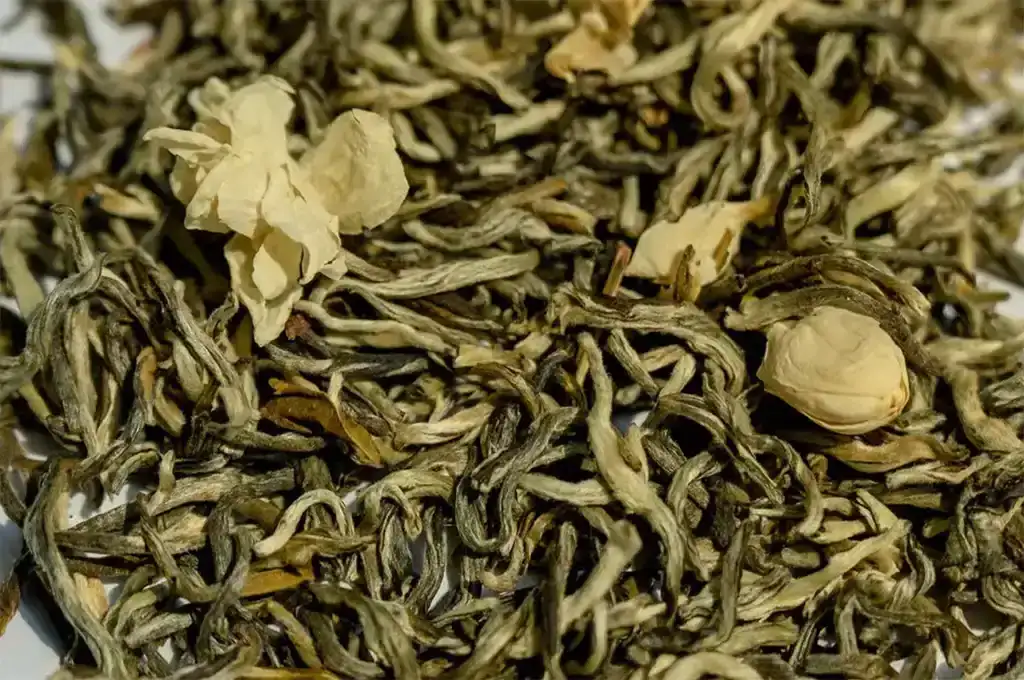
Does jasmine green tea have caffeine

How to Reduce Caffeine Intake from Jasmine Tea

1. Choose jasmine tea with a green tea base, as it tends to have lower caffeine levels. 2. Shorten the steeping time to release less caffeine into your cup. 3. Avoid drinking it within 6 hours of bedtime to help prevent sleeplessness.

Shopping Cart