
What are the types of partially fermented tea in Taiwan? Partially fermented tea generally refers to oolong tea, with a fermentation level falling between green tea (unfermented) and black tea (fully fermented). Taiwan is one of the world’s finest origins for partially fermented tea, renowned for exceptional quality and a wide variety of styles.
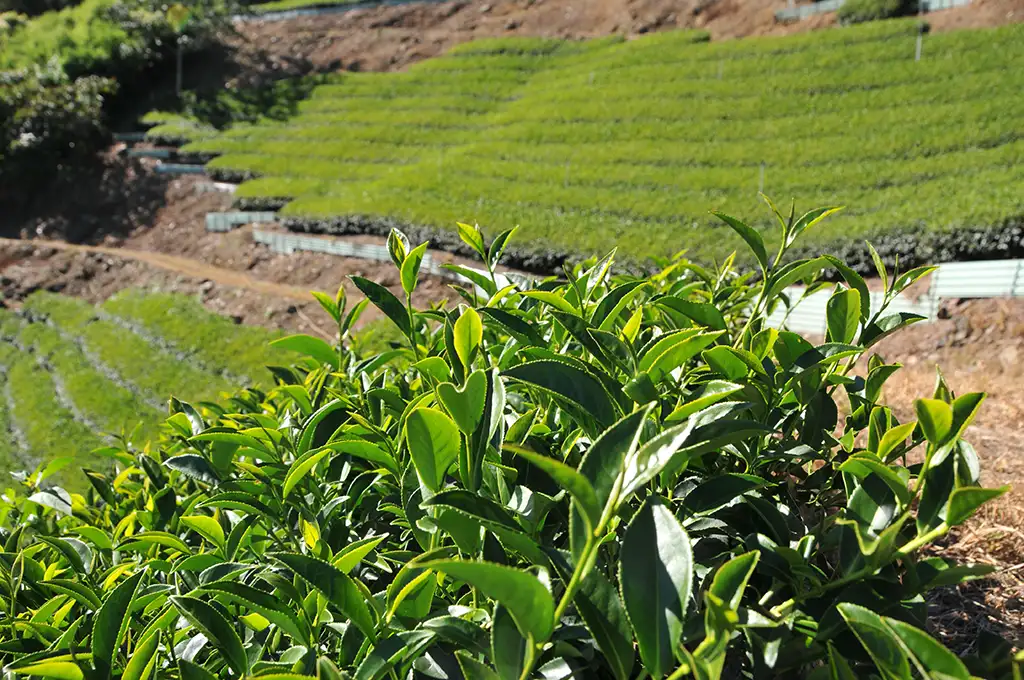
What are the famous partially fermented teas of Taiwan?
Partially fermented tea encompasses a wide range of oolongs, and Taiwan is the premier origin for oolong tea globally. Depending on the degree of fermentation, production spans light, medium, and heavy fermentation. Here are Taiwan’s most famous partially fermented teas:
Pouchong Tea: A strip-style partially fermented tea primarily produced in Pinglin District, New Taipei City. This is the lightest of the partially fermented teas, with a fermentation level of only 10% to 20%. It is celebrated for its fresh, delicate, and floral aroma.
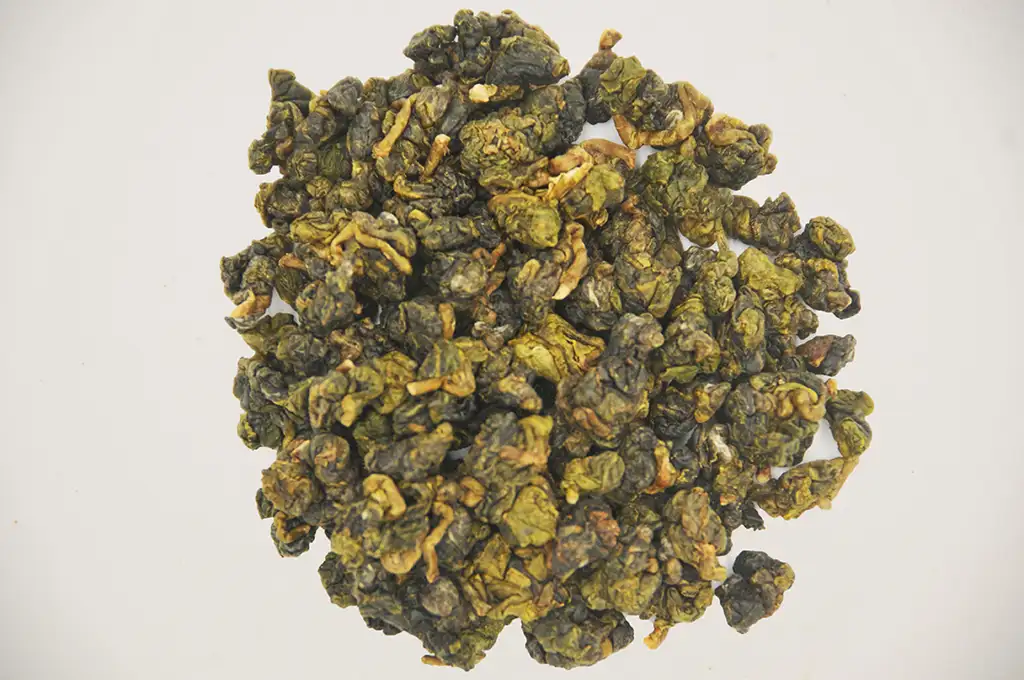
Dong Ding Oolong: A spherical partially fermented tea originating from Lugu Township, Nantou County. It undergoes medium fermentation paired with traditional charcoal or electric roasting techniques, yielding rich fruity and roasted aromas.
Oriental Beauty Tea: A heavily fermented strip-style tea primarily produced in New Taipei City, Hsinchu, and Miaoli. A defining characteristic is that the leaves must be bitten by small green leafhoppers, giving the tea a naturally sweet, ripe-fruit aroma. This is Taiwan’s most heavily fermented partially fermented tea, reaching up to 80% fermentation.
Red Oolong Tea: A spherical partially fermented tea originating from Taitung, classified as a heavily oxidized oolong. It is characterized by an amber-red liquor that combines the aroma of oolong tea with the body and mouthfeel of black tea.
High Mountain Oolong: A spherical partially fermented tea grown in high-altitude regions above 1,000 meters in Taichung, Nantou, and Chiayi counties. It features a light fermentation of 15% to 25% and is celebrated for the signature crisp, refreshing “mountain qi” unique to high-mountain teas.
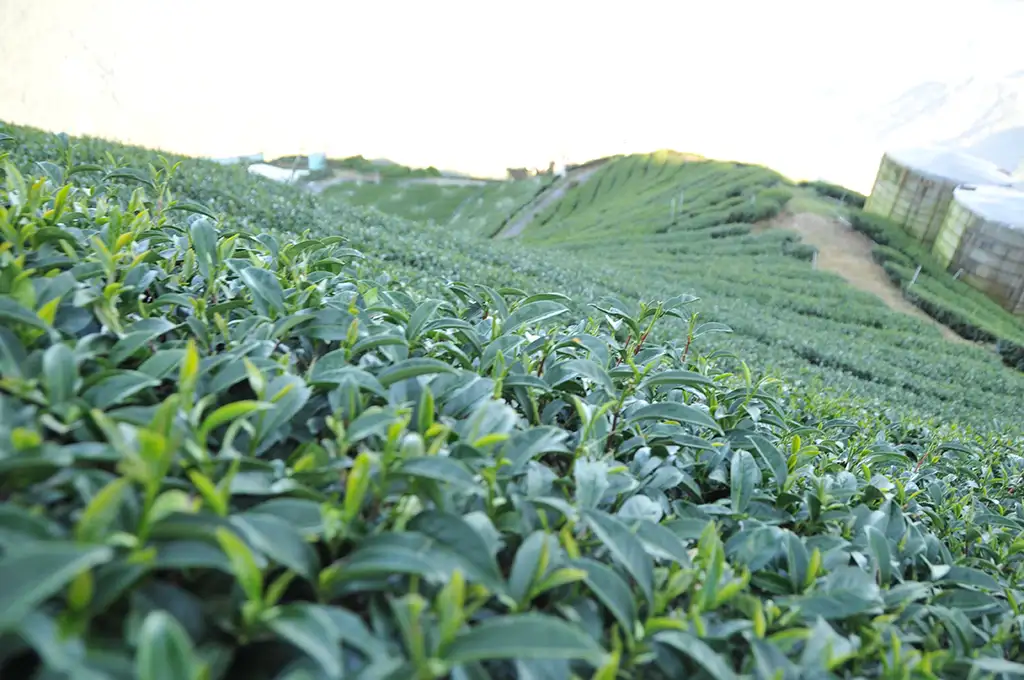
Partially Fermented Tea Production Process
The general production process for partially fermented tea involves: Harvesting → Withering → Fixation (Kill-green) → Rolling → Drying. The critical step is withering, where tea masters use specific timing and techniques during withering to create oolong teas with varying levels of fermentation. Here is a breakdown of the tea-making steps:
Withering: Through solar or indoor withering, the tea leaves lose some of their moisture, and oxidation begins within the leaves. The tea master then uses tossing (langqing), resting, and temperature control to achieve the optimal level of fermentation.
Fixation (Kill-green): Fixation uses heat to halt the activity of enzymes in the tea leaves, effectively stopping the oxidation process in partially fermented tea and bringing fermentation to an end.
Rolling: The leaves are rolled to break down the leaf structure and stems, allowing the juices to coat the surface while shaping the leaves. Some Taiwanese partially fermented teas are shaped into strips (like Pouchong tea), while others are rolled into tightly wound spheres (Dong Ding and High Mountain teas).
Drying: The final step is drying the tea leaves, reducing their moisture content to below 5%. This extends shelf life and stabilizes the flavor profile.
This outlines the production process for Taiwan’s partially fermented teas. While specific steps may vary slightly depending on the tea variety or craftsmanship, the core process remains the same. Mastering the withering process and the duration of fixation are key to making exceptional partially fermented tea.