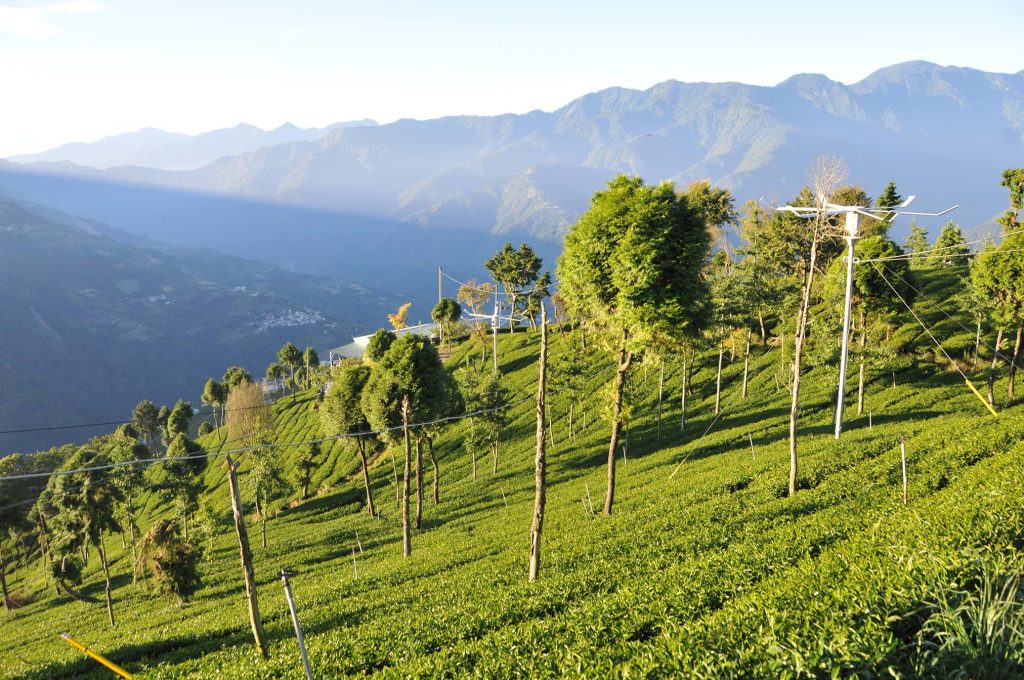
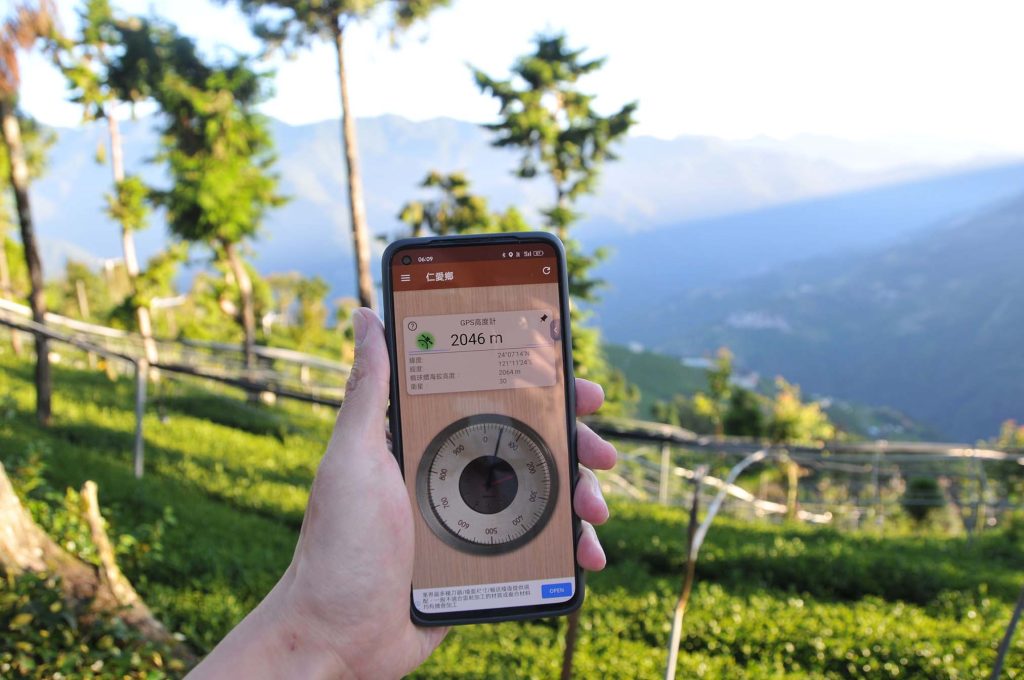
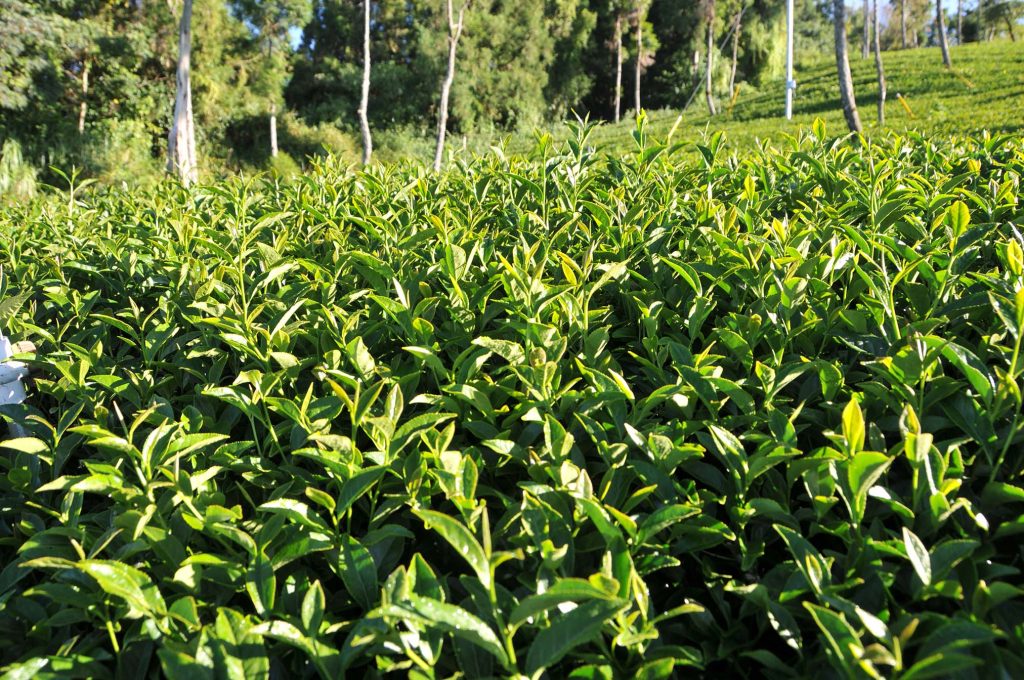
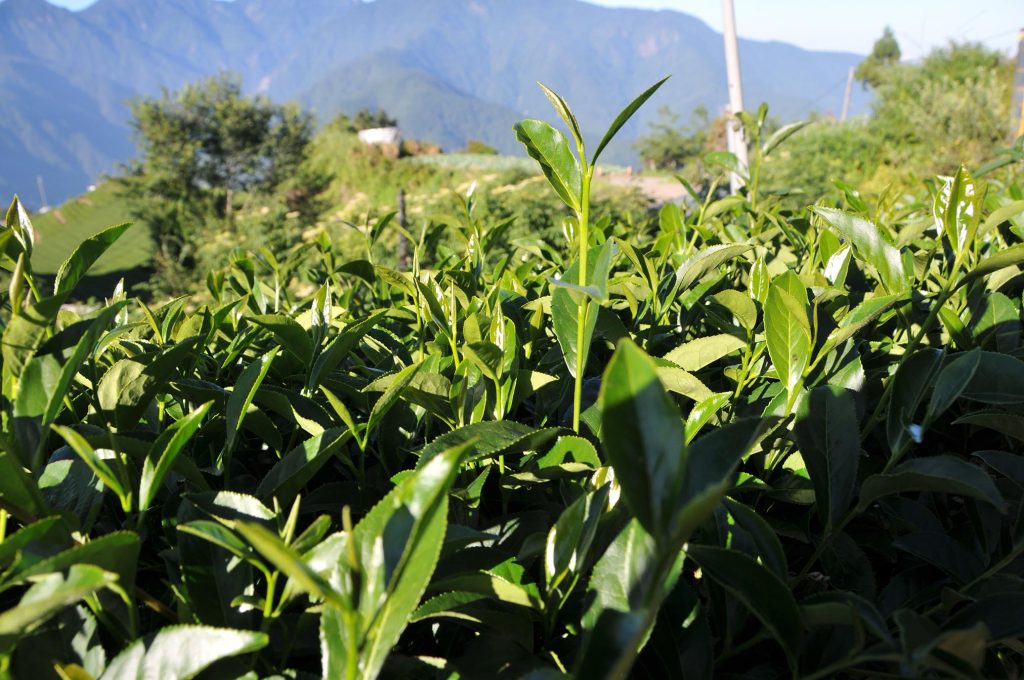
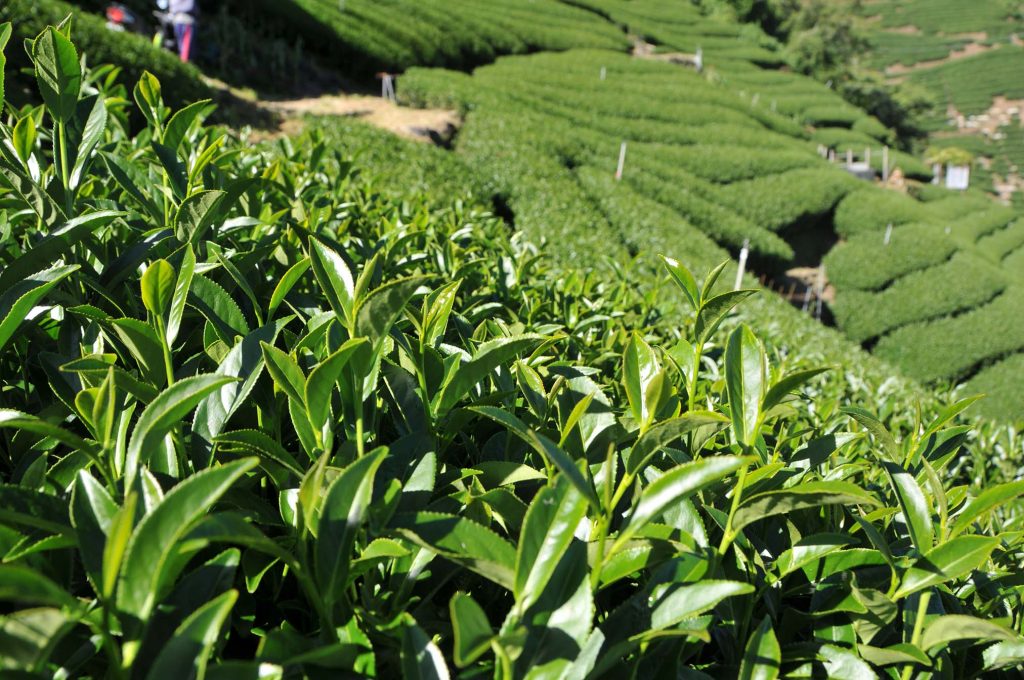
With power consumption hitting record highs lately, our store manager decided to do their part for energy conservation by heading up to the high mountains for some complimentary AC. Once at the peak, we realized mother nature’s air conditioning is seriously powerful—it drops to a chilly 12°C in the middle of the night! But that’s not even the main point today; the real news is that our high-mountain autumn tea harvest is just around the corner!
First off, the manager would like to clear up a common misconception. Many tea lovers have heard tea sellers claim that their tea is exceptionally precious because they only harvest in the spring and winter, arguing that “autumn tea quality is poor, so we don’t harvest it.” Let me tell you: high-mountain autumn tea is actually great. As long as the tea garden is well managed, high-mountain autumn tea can sometimes easily rival spring and winter teas!
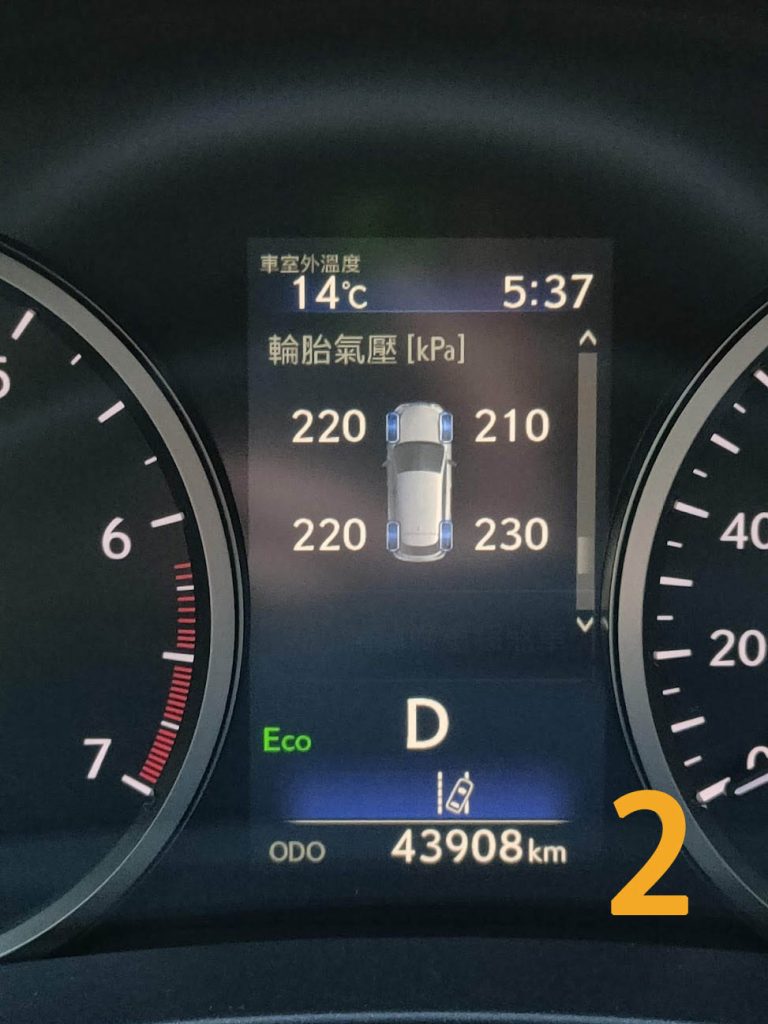
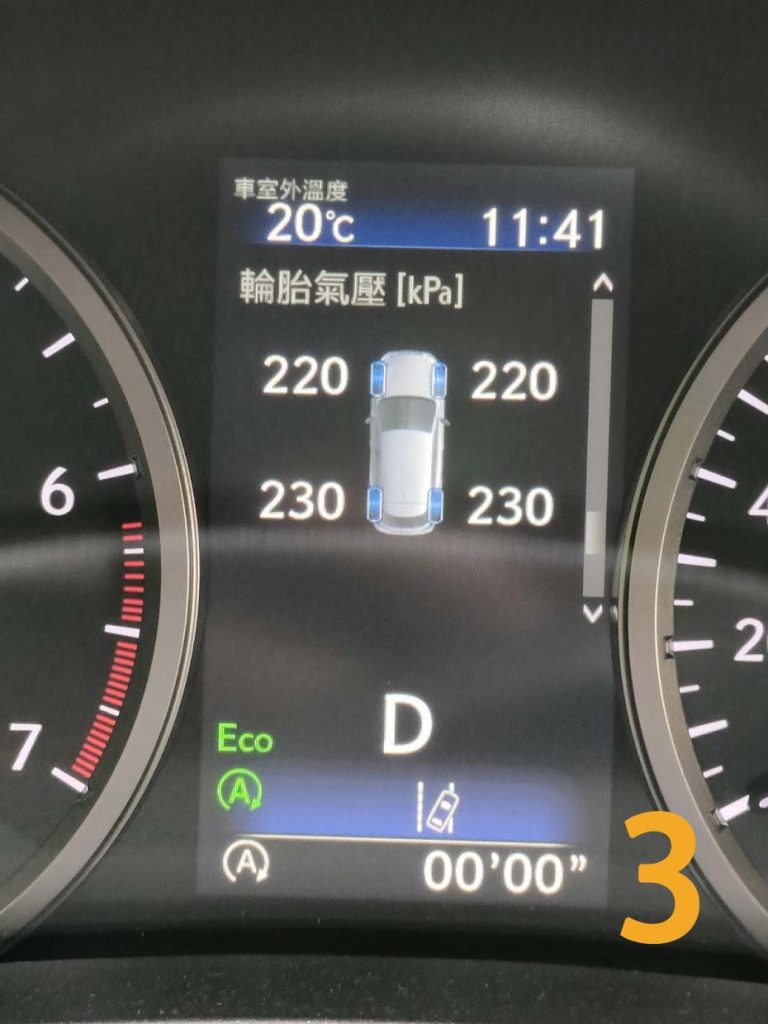
A major reason for this is that high-mountain environments are nothing like the lowlands. While lowland daytime temperatures approach 40°C in July, nighttime temperatures in the high mountains drop to a cool 12°C to 14°C (as shown on the car’s exterior temperature gauge in the second photo), with daytime highs reaching only 20°C to 22°C (third photo). This is the absolute ideal environment for tea plants, so how could tea grown here possibly be anything less than fantastic? Time to stop buying into the myth that high-mountain autumn tea is no good.
At the end of July, our store manager was sourcing tea around Cuifeng, Qilai, and Cingjing, and found that the 2022 autumn harvest was “exceptional in both quality and quantity,” presenting a great opportunity to stock up. We anticipate the autumn teas to peak in early August and hit the market progressively by mid-August.
As in previous years, the store manager’s primary targets for high-mountain autumn teas are well-managed tea gardens located at altitudes above 1,700 meters. As long as the weather cooperates, we’ll be ready to stock up.