Early-Harvested Tea: The Secret Key to Crafting Monster-Grade Exceptional Tea 3

When it comes to high-mountain oolong, early harvesting has its pros and cons. The advantages are a rich, full-bodied flavor, layered aromas, and a wonderful young tea character (known in the tea industry as “tender redness” or “young redness”). The disadvantages are that it is relatively difficult to process, yields less, and can easily turn out bitter and astringent if not done right.

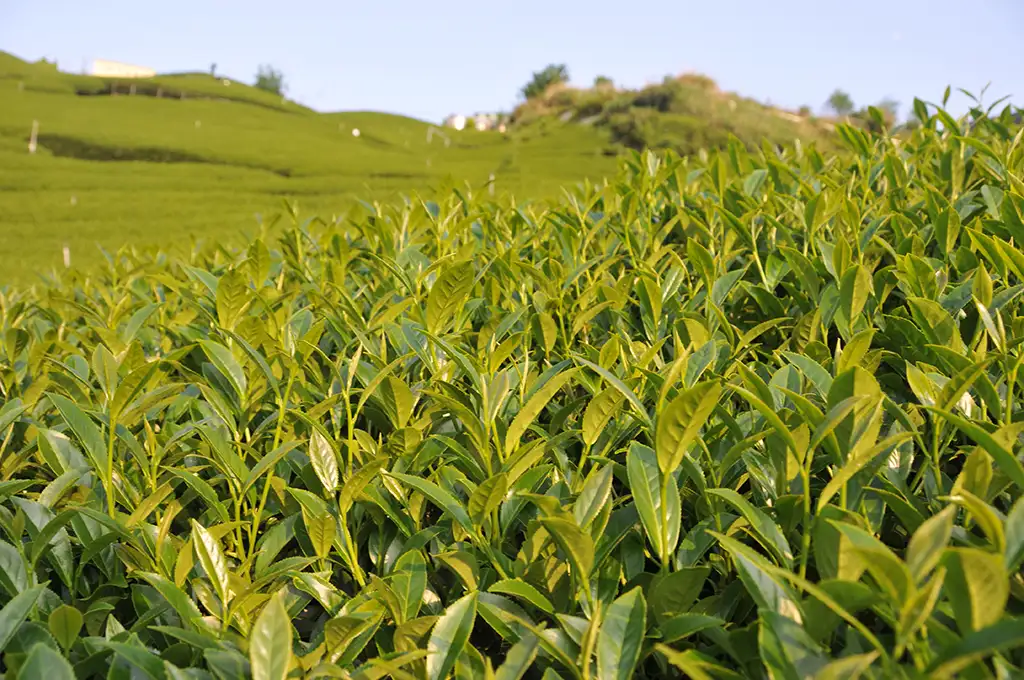
Tender tea leaves plucking

Disadvantages of Early-Harvested Tea

The biggest drawback is the significant drop in yield. If a harvest during the optimal period yields 60 kg, picking 5 days early might only yield 48 kg, making the cost per 600 g much higher. In addition, early-harvested tea is difficult to make. Withering and moisture dissipation require a lot of effort and care. If it isn’t handled properly, the tea leaves easily become bitter and astringent, and the overall quality actually suffers.

Advantages of Early-Harvested Tea

The flavor is rich and layered, carrying that wonderful tender redness, with a richer pectin content that gives it a viscous mouthfeel. The robust tea flavor lingers long in the throat. However, this assumes the withering process goes smoothly; if it fails, that rich and sweet tea liquor will instead turn bitter and harsh to swallow.

Tender tea leaf harvesting

Since Early-Harvested Tea is So Good, Why Are Many People Reluctant to Do It?

As mentioned earlier, if early-harvested tea processing fails, the quality will be exceptionally poor. Another reason is the much smaller yield. What would normally be a 60 kg harvest—or even 72 kg if picked a bit later—drops to just 48 kg with early harvesting. Back and forth, that’s a 40% reduction in output, leading to lower overall returns, which makes tea farmers less willing to harvest early.

There are a few scenarios where tender harvesting occurs. One is to manage production schedules and labor; some tea plantations harvest early to avoid bottlenecks during peak season. Another reason is impending rain, as tea farmers harvest early to avoid the precipitation. Besides these, there is another instance where tender harvesting is done intentionally: tea prepared for tea competitions. The reason is obviously to increase the chances of winning an award. This shows that tender harvesting really does wonders for tea quality.

For tea merchants, tenderly harvested tea is rare and hard to come by. Putting aside whether the tea-making quality is good or bad, whenever you have the chance to encounter it, you must taste it. Monster-level exceptional teas often emerge from tenderly harvested leaves.

Shopping Cart