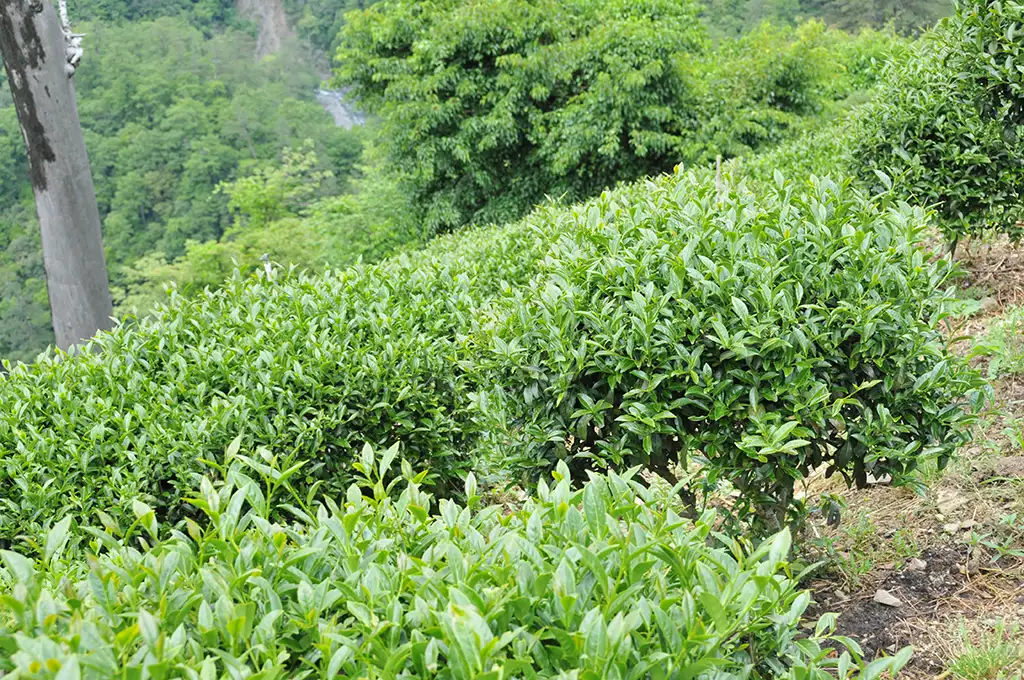
Biluxi Tea Region: A Premium High-Altitude Tea Origin at 2,200 Meters

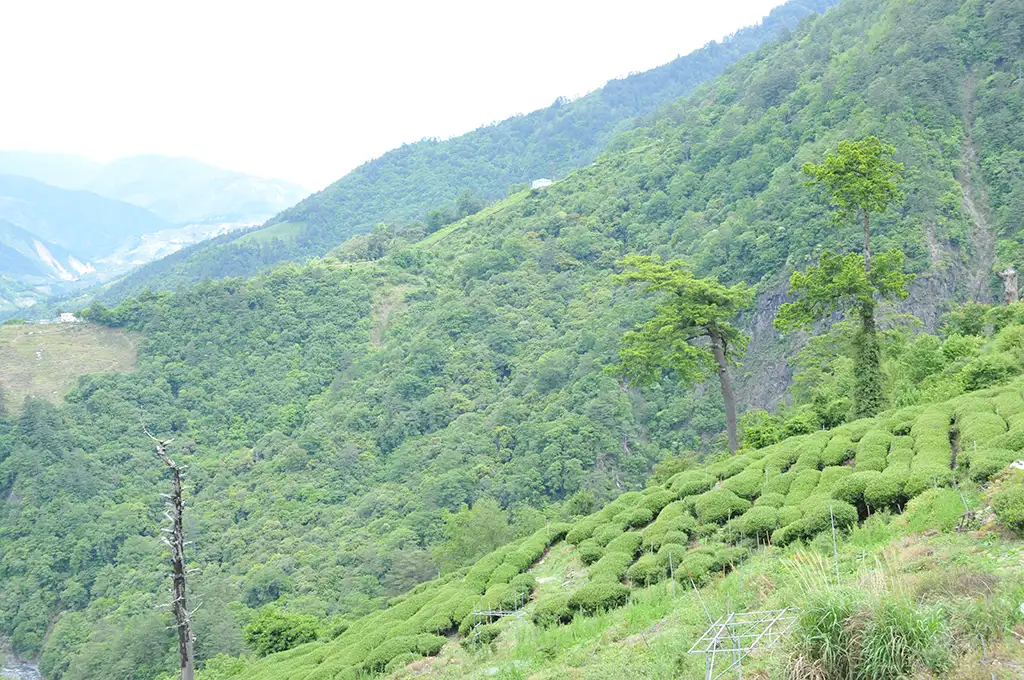
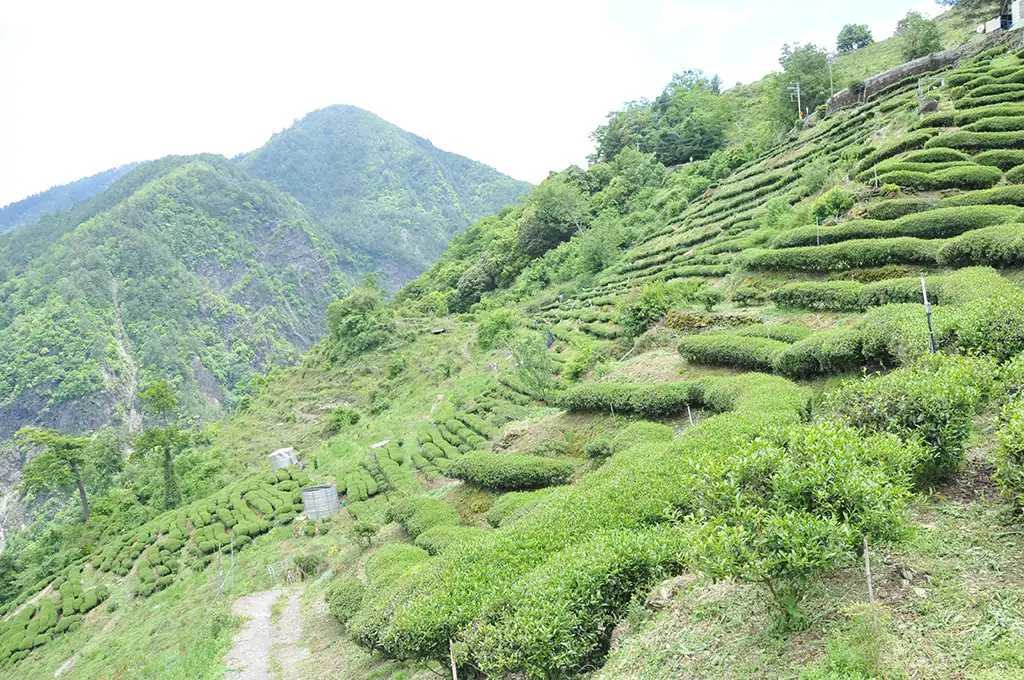
The Biluxi tea region is situated in Ren’ai Township, Nantou County, at an elevation of 2,000 to 2,200 meters. Because Biluxi borders the Lishan and Dayuling tea regions, the boundaries can be somewhat fluid. Generally, it refers to the tea plantations along the Central Cross-Island Highway between the 95K and 99K markers, and the tea produced here is known as “Biluxi tea”.

Table of Contents

Biluxi Elevation: 2,000 to 2,200 Meters

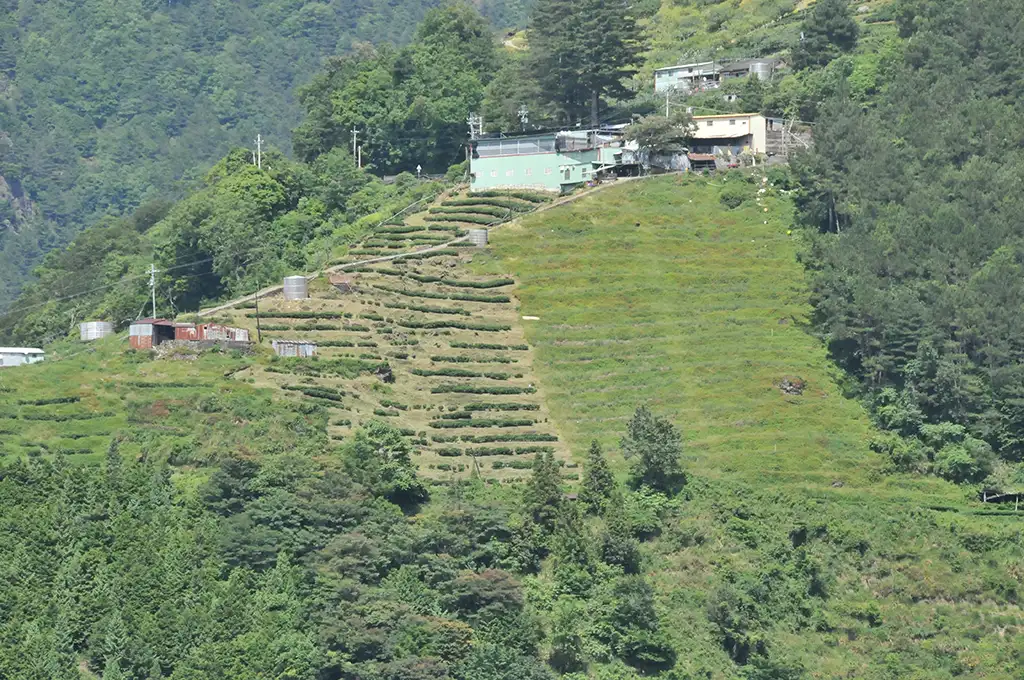
Historically, the tea community defined the Biluxi tea region as the section between the 95K and 99K markers of the Central Cross-Island Highway, which actually contained only three tea plantations sitting at 2,000 to 2,200 meters. However, after the government reclaimed the plantation land in 2015, the tea-growing area shrank significantly, and the elevation of active plots dropped to 2,000–2,100 meters. In its peak years, those three plantations yielded over 6,000 kg per season; today, with only two plantations remaining, production has fallen to roughly 600 kg, making it even scarcer than Dayuling tea.

In recent years, the local tea community has expanded the definition of the Biluxi tea region to include the 87K to 90K section of the Central Cross-Island Highway (there are no longer any tea plantations between 91K and 94K), covering elevations from 1,900 to 2,200 meters. This area yields a much larger harvest, producing over 6,000 kg per season.

Biluxi Tea Region

Characteristics of Biluxi Tea

Exceptional elevation, a mountain aspect similar to Dayuling, and limited production are the defining traits of Biluxi tea.

Elevation: An altitude of 2,000–2,200 meters has few rivals in Taiwan’s high mountain tea world. With sufficient elevation, the wide temperature fluctuations during the spring and winter growing seasons result in tea leaves with minimal bitterness, rich pectin content, and an ethereal aroma.

Limited Production: Annual production for the 95K–99K section currently sits at around 1,200 kg, making it even scarcer than Dayuling. Including the 87K–90K section brings the total to roughly 12,000 kg. Overall, supply falls well short of demand.

High Price: Wholesale prices for the 95K–99K section surpassed NT$3,500 per 600 g several years ago. Wholesale prices for the 87K–90K section start above NT$2,800 per 600 g, with top-tier grades commanding upwards of NT$4,000 per 600 g—roughly one-third to one-half more expensive than standard Lishan tea.

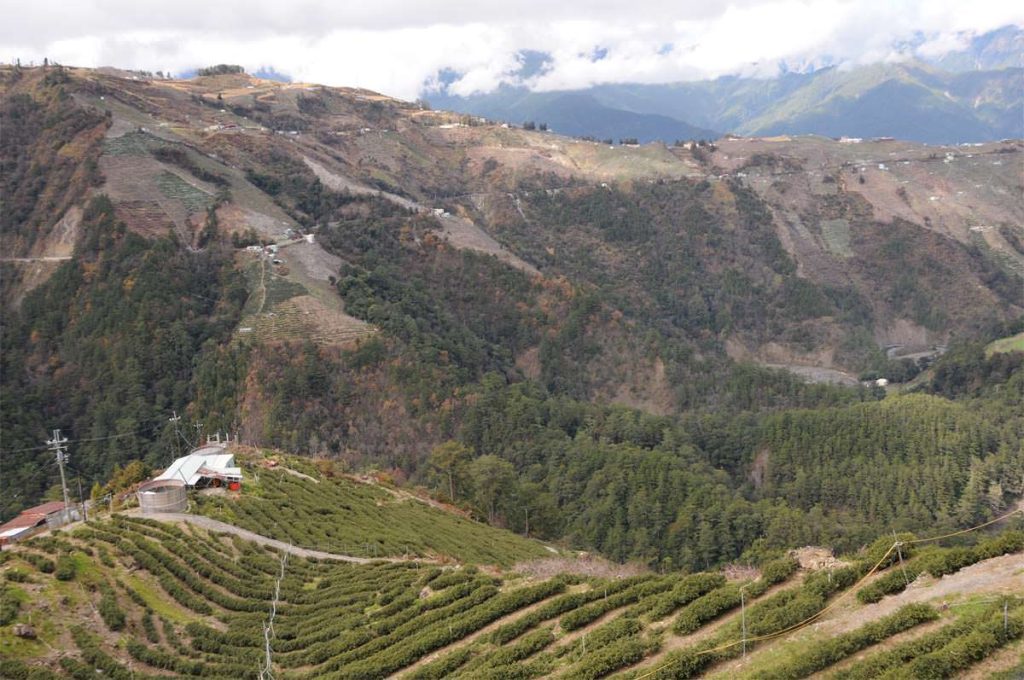
Biluxi tea region

Biluxi Tea Price

The prices mentioned above are the wholesale prices from tea farmers to tea merchants. As for retail prices, you can probably guess they aren’t exactly cheap. For authentic Biluxi tea (locally grown and processed), the retail price for the 95K–99K spring and winter teas is around NT$4,000–6,000 per 600 g. The 87K–90K area runs about NT$3,600–5,000 per 600 g. If the price is lower than NT$2,000 per 600 g, it’s virtually impossible unless it’s autumn tea or a botched batch.

Biluxi tea region
Biluxi tea region
Biluxi tea region

Biluxi Tea Region FAQ

Tea Varieties and Harvest Seasons

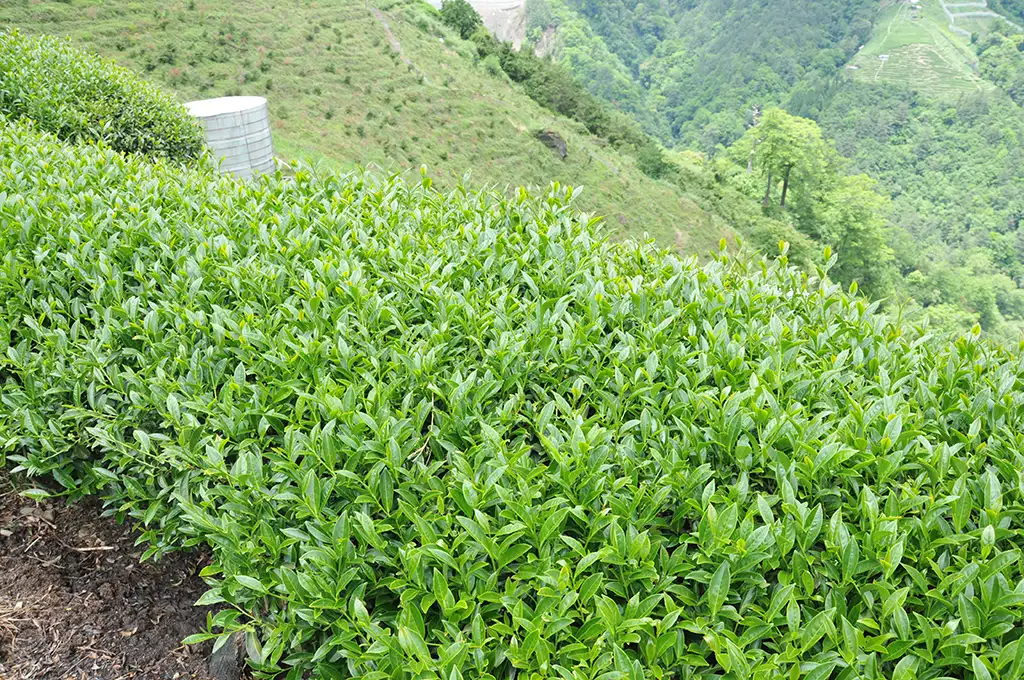
The tea variety is Qingxin Oolong. Spring tea is harvested in May, autumn tea in late July to early August, and winter tea in October. Winter Sprout Oolong is rarely produced here.

What is the altitude of Biluxi?

As for the tea region, at its peak it exceeded 2,200 meters. Currently, visual estimates put it just under 2,200 meters. The lowest point is along the Central Cross-Island Highway around the 87K–90K marker, at roughly 1,900 meters.

Where is Biluxi located?

It is located in Ren’ai Township, Nantou County. Google Maps Location

Does Biluxi tea taste good?

There is a high chance of getting exceptional tea, but quality still varies. A good batch offers a sweet, mellow taste, rich pectin, and an ethereal aroma. However, if it suffers from rain, pest damage, or poor management, you can still end up with remarkably subpar tea.

Shopping Cart