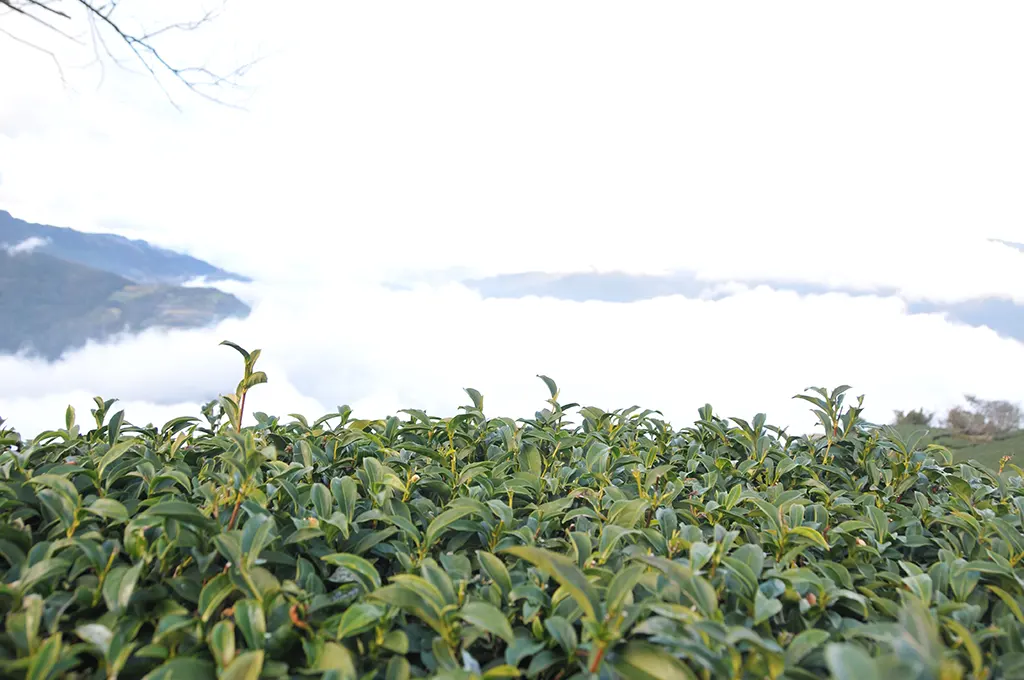
Winter Tea Tree Fertilization in Progress

In January, there is no tea to harvest in the high mountain tea regions, but tea farmers are still busier than ever. This recent period is dedicated to winter tea tree fertilization, a crucial task that directly impacts the quality of next year’s tea.

Winter tea tree fertilization during dormancy

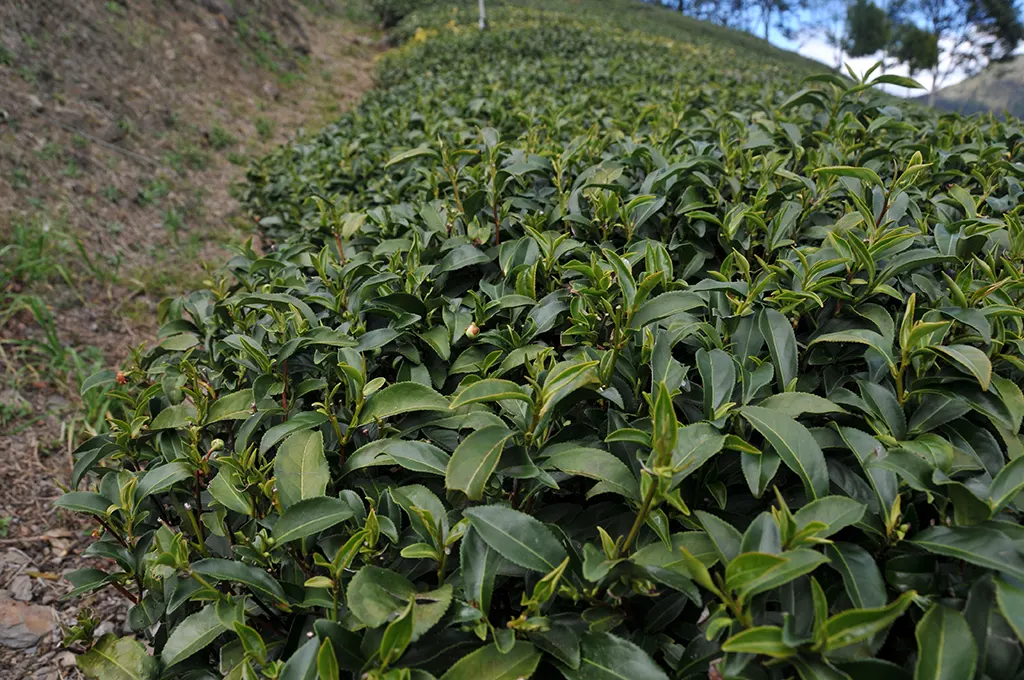
As our shop manager often says, quality-focused tea garden managers “never skimp on fertilizer.” On the contrary, they want the tea trees to absorb as much nourishment as possible. High mountain tea fields typically apply base fertilizer twice a year. Winter is when the most fertilizer is applied, and the manager considers it the most important base fertilization of the year. It not only helps the tea trees survive the winter, but when done right, it also elevates the quality of the tea in the coming year.

Winter tea tree fertilization during dormancy

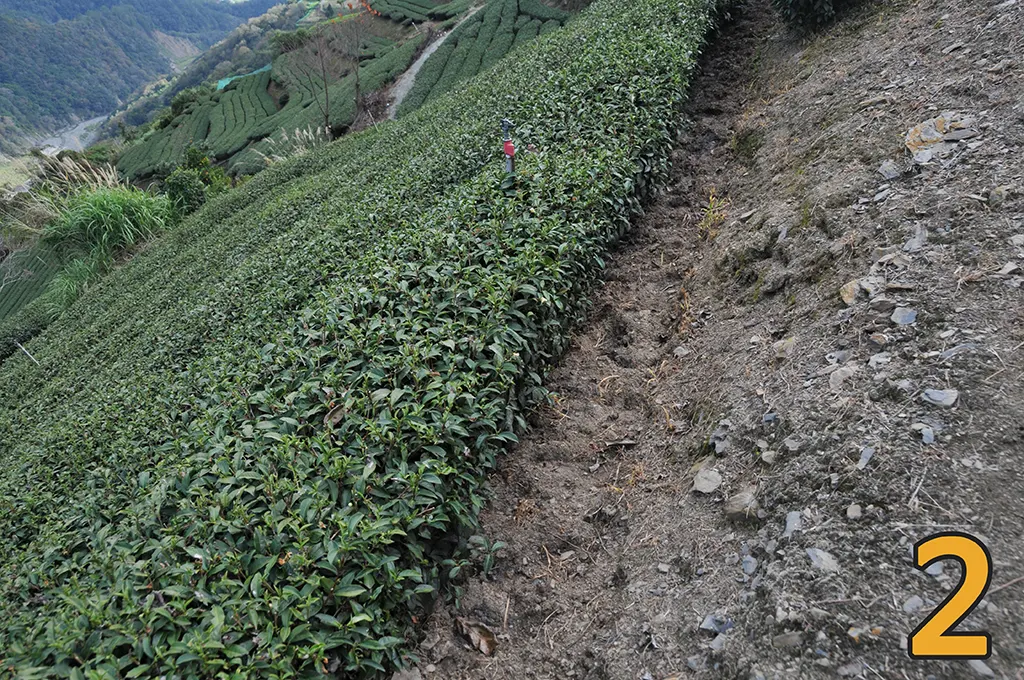
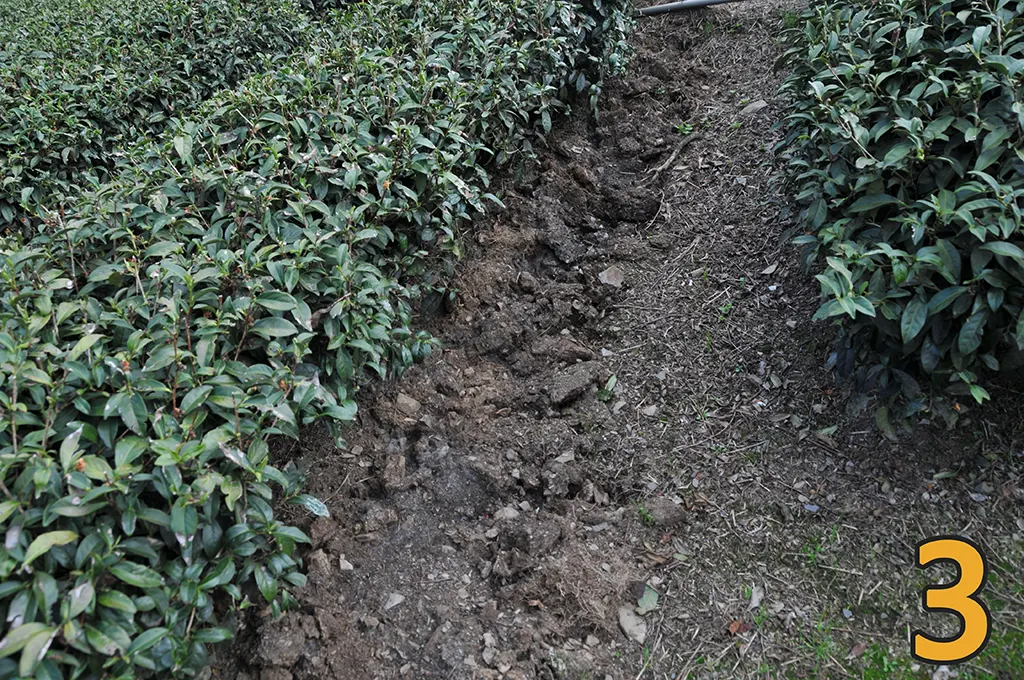
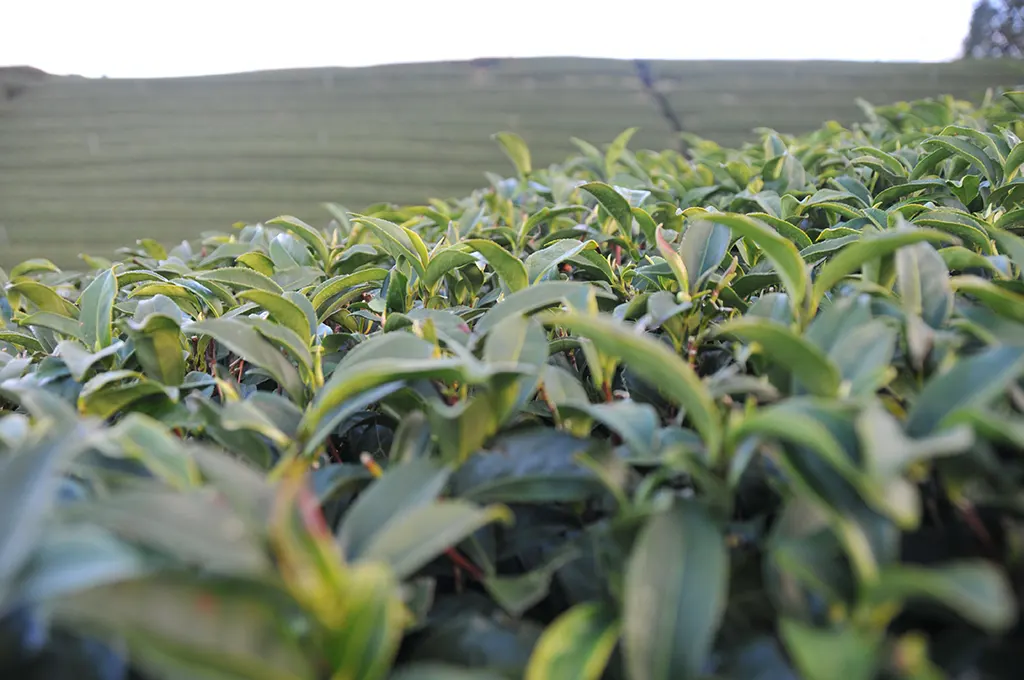
Quality-focused managers practice “trenching and burying fertilizer” during winter fertilization. This involves digging a trench between the tea rows, burying the fertilizer inside, and covering it back up with soil. This method offers two major benefits: first, it prunes some roots to stimulate the growth of new ones, which have a much stronger nutrient absorption capacity; second, burying the fertilizer deep in the soil makes it easier for the trees to absorb. Based on the manager’s years of comparison, the quality of tea leaves from plants with and without root-pruning trenching is on “completely different levels.” In fact, some tea factories state that for tea competitions, they “only use tea leaves from trenched and buried fertilizer plots” because “the chances of winning are much higher,” which shows just how significant the benefits are.

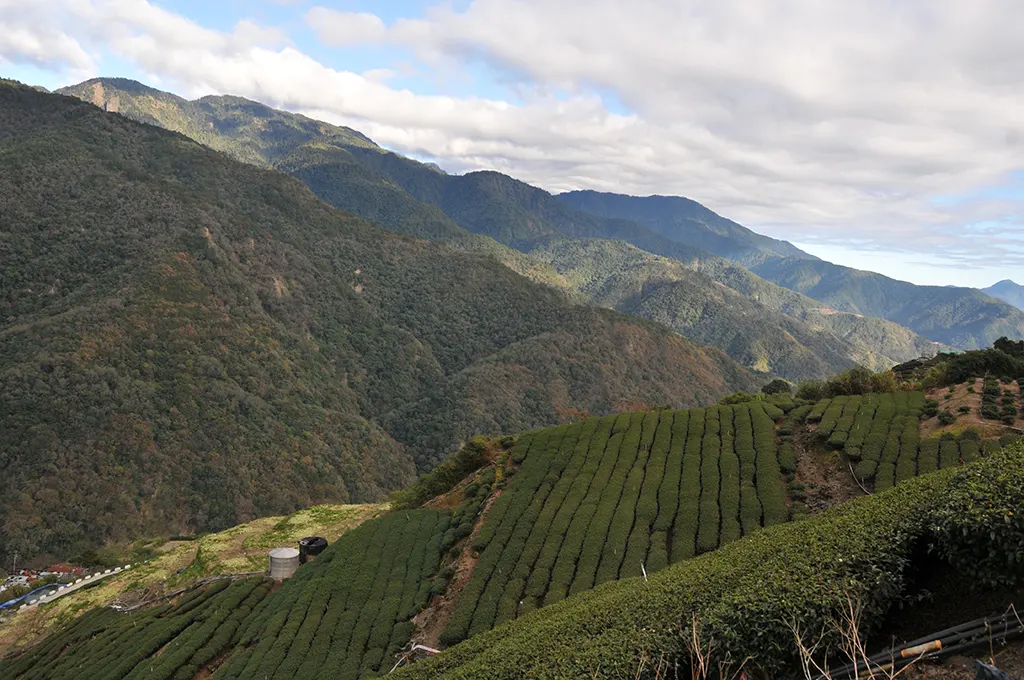
Winter tea tree fertilization during dormancy

Root-pruning trenching can only be done during the winter, which is why the manager considers winter fertilization to be the most vital application. After seeing a few tea gardens turning the soil with trenches these past few days, we immediately added them to our priority procurement list. Photos 2 and 3 show tea trees with pruned roots—can you spot the difference?

Winter tea tree fertilization during dormancy

That being said, there is a surprisingly wide gap in how tea farmers manage their gardens, even in a high-caliber region like Lishan. While some spare no expense to dig trenches and apply thick layers of soybean meal fertilizer, others use conventional methods, scattering chicken manure fertilizer instead. As far as the manager knows, chicken manure isn’t suitable for tea trees. We wonder if those managers have other plans in mind, or if they are just novices who haven’t quite figured things out yet.

Winter tea tree fertilization during dormancy

Leave a Comment

Your email address will not be published. Required fields are marked *

This site is protected by reCAPTCHA and the Google Privacy Policy and Terms of Service apply.

The reCAPTCHA verification period has expired. Please reload the page.

Shopping Cart