
The main production area for Sichuan Zang Cha (Tibetan dark tea) is located in Ya’an City, Sichuan Province. It is a post-fermented dark tea (heicha) named for its long history of being supplied for the daily consumption of the Tibetan people. Because its primary production hub is in Ya’an, Sichuan, it is also known as Ya’an Zang Cha. Zang Cha is renowned for its signature bright red liquor, mellow flavor, and aged aroma. It also shares the characteristic of improving with age, bearing similarities to Pu-erh tea while possessing its own unique charm.
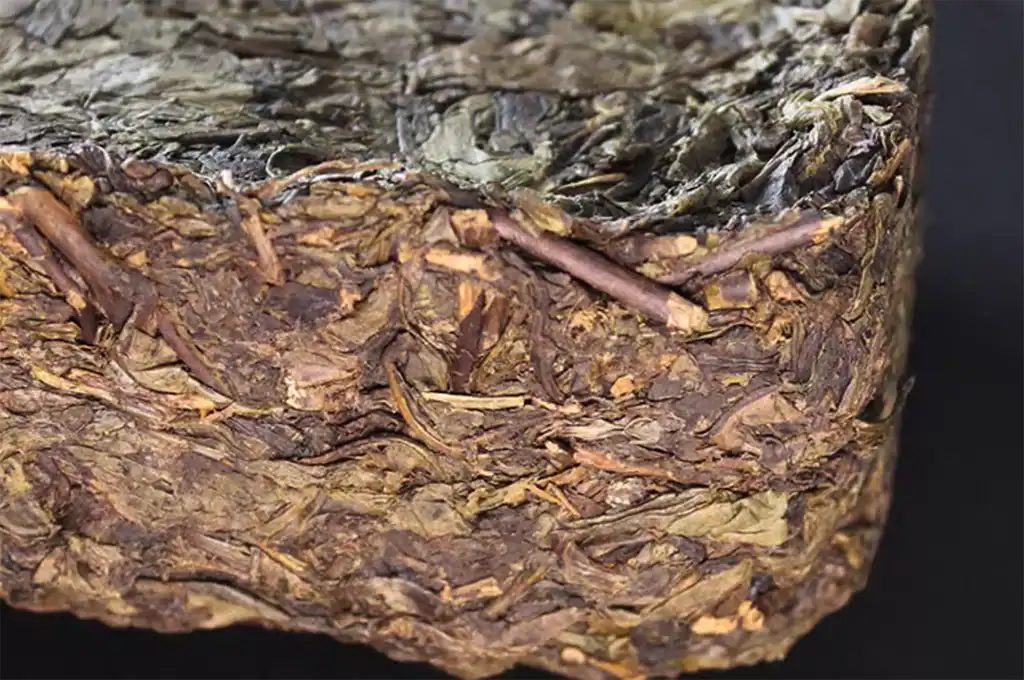
The Origin in Ya'an and the History of Zang Cha
Ya’an has been an important tea-producing region in China since ancient times, and Zang Cha is one of its most representative teas. The history of Ya’an Zang Cha dates back to the Tang Dynasty, when tea was transported to Tibet via the Ancient Tea-Horse Road, becoming a vital daily necessity for the Tibetan people. Due to a scarcity of vegetables in the region, Tibetans relied on Zang Cha to supplement essential nutrients, often using it to make butter tea or milk tea. Over time, Zang Cha gradually gained acceptance among the Han and other ethnic groups, eventually expanding into wider markets and becoming a widely beloved tea.
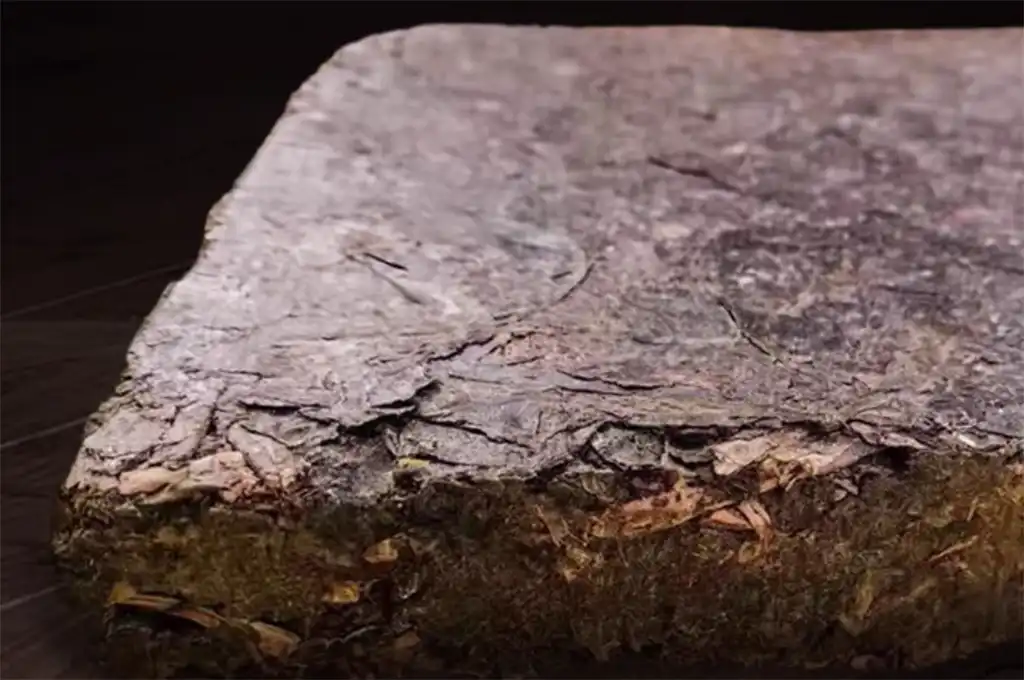
Production Craftsmanship
The production process includes harvesting, rolling, fermentation, and compression shaping. First, the tea leaves are mostly harvested from high-altitude regions in Sichuan. After rolling, they undergo a long fermentation process, giving the leaves their unique dark brown color. Once fermentation is complete, the tea leaves are pressed into brick or pillar shapes. This not only facilitates transportation and storage but also helps the tea gradually enhance its flavor profile during the aging process.
Differences Between Sichuan Zang Cha and Pu-erh Tea
Although both Sichuan Zang Cha and Pu-erh tea belong to the dark tea (heicha) category, they differ significantly in origin, production techniques, and flavor. Pu-erh tea is mainly produced in Yunnan, whereas Sichuan Zang Cha originates from Ya’an, Sichuan. While Pu-erh tea typically comes in brick or cake form, Zang Cha is mostly produced as brick or pillar tea.
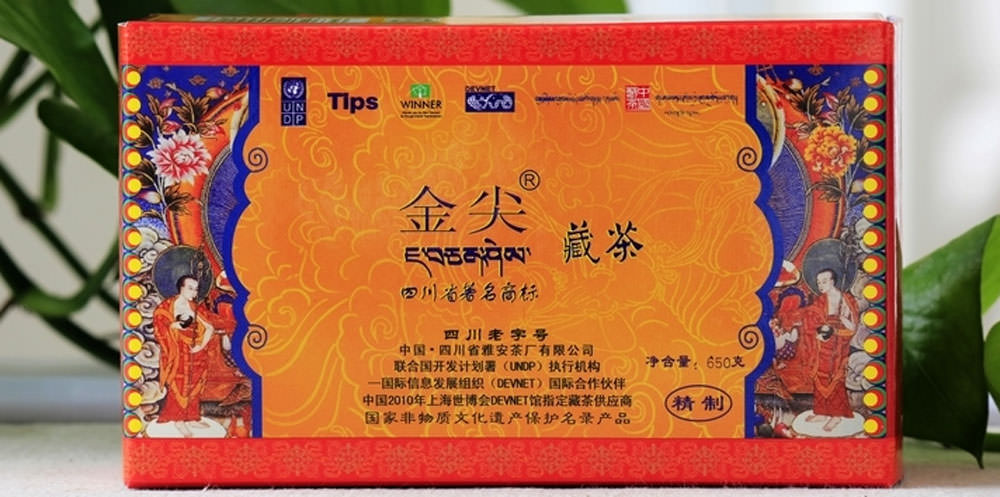
For centuries, Sichuan Zang Cha was an indispensable daily essential for the Tibetan people. However, due to its rich, mellow, and aged aroma, it has gained popularity among other ethnic groups since 2010 and enjoys a strong following in international markets as well. Much like Pu-erh tea, its characteristic of improving with age has also made aged Zang Cha highly valued in the tea-collecting community.