
As a famous Chinese tea, Anhua dark tea is renowned for its unique flavor and craftsmanship. Brewing a great cup of Anhua dark tea requires not only premium leaves but also a rigorous and intricate production process. Below, we introduce the Anhua dark tea production method to help you quickly understand the craftsmanship behind this exquisite tea.
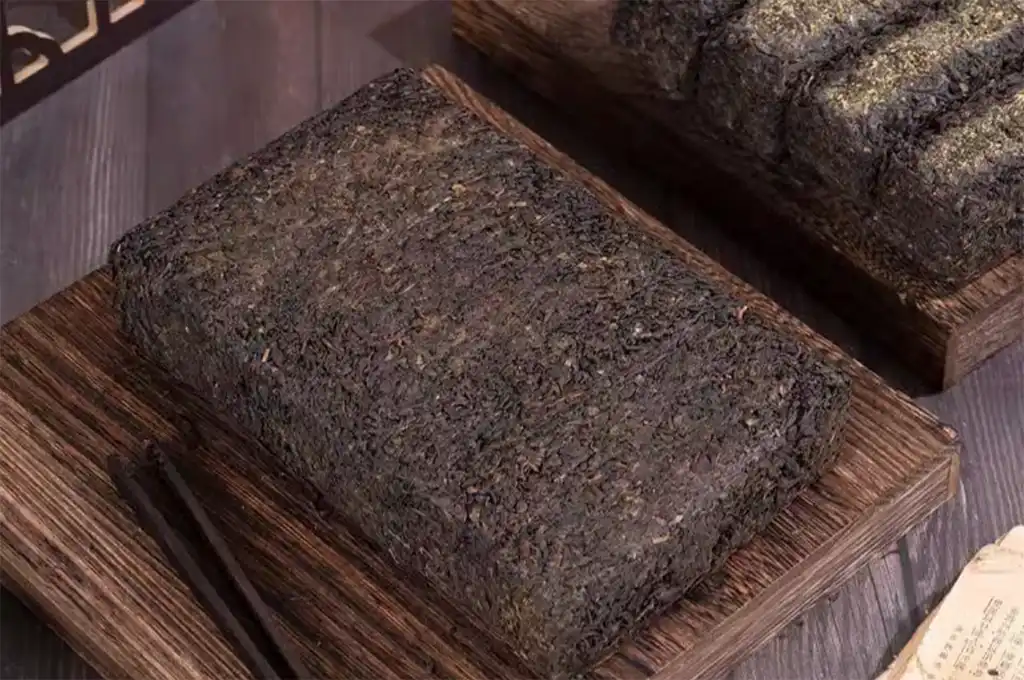
Anhua dark tea production method
1. Picking and Sorting
The making of Anhua dark tea begins with picking the leaves. Tea can be harvested in all four seasons, but spring leaves yield the highest quality. The harvesting standard ranges from one bud with one leaf to one bud with five leaves, as tender leaves deliver a fresher taste. Afterward, the leaves are sorted to remove unqualified foliage, ensuring only top-quality material is used.
2. Fixing (Shaqing)
The sorted leaves then undergo the fixing process. This step uses high heat to deactivate enzymes in the leaves, halting fermentation and preserving the fresh green color and aroma. Traditionally, the fixing of Anhua dark tea is done in iron woks, where the leaves are rapidly stir-fried at temperatures between 180°C and 200°C to achieve the best results.
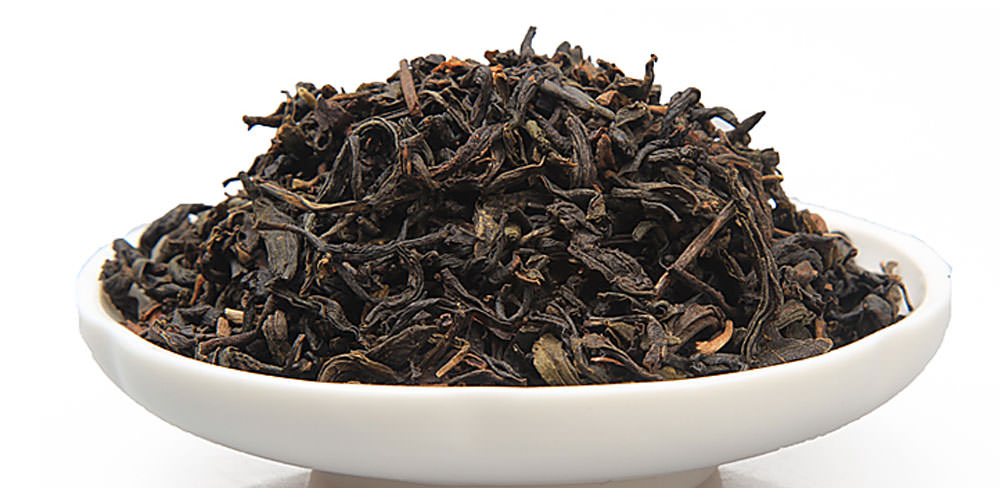
3. Rolling
Following fixing, the leaves move on to the rolling stage. This process breaks down the cell walls of the tea leaves, releasing their juices and laying the groundwork for the subsequent fermentation. Rolling is typically carried out in specialized machines where the leaves are repeatedly pressed under high pressure until they twist into strips.
4. Pile Fermentation (Wo Dui)
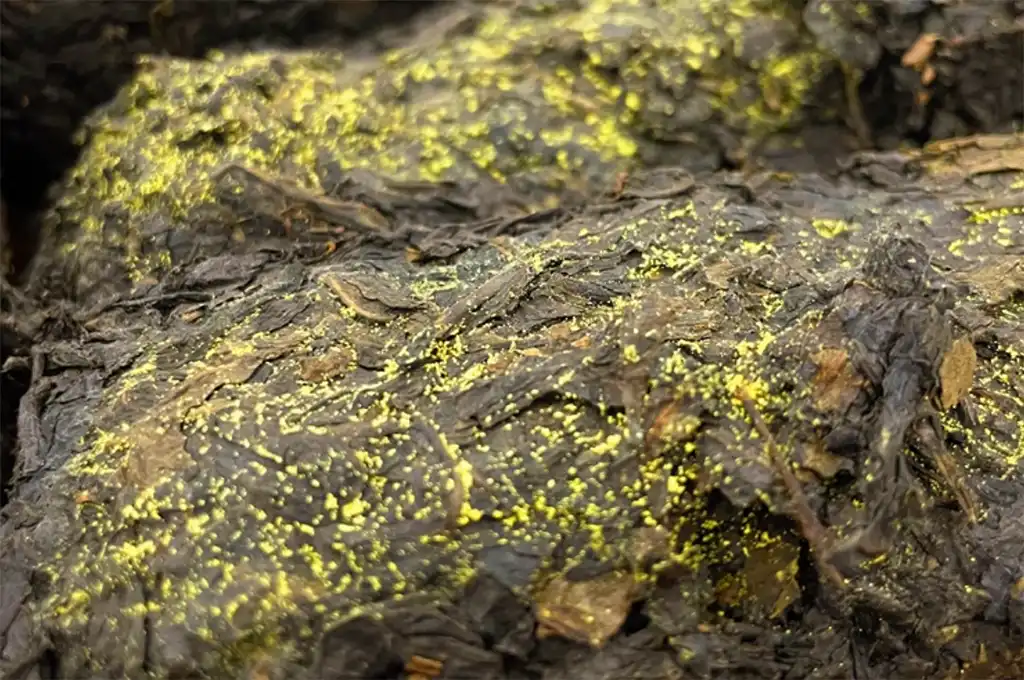
Pile fermentation is the most crucial step in making Anhua dark tea. The rolled leaves are placed in a specific environment for natural fermentation. This process generates a rich microbial community, which not only imparts Anhua dark tea with its signature aged aroma but also transforms tea polyphenols into beneficial compounds. Fermentation typically lasts from a few days to several months, depending on the tea variety and craftsmanship requirements, putting the tea master’s expertise to the test.
5. Drying
After fermentation, the tea leaves need to be dried for preservation. Drying is typically divided into two stages: initial drying and re-drying. Initial drying is carried out at a relatively low temperature to remove excess moisture. Re-drying is done at a higher temperature to further reduce the moisture content, ensuring the tea does not spoil during storage.
6. Pressing and Aging
Making Huajuan (such as Thousand-Liang tea) and the four brick tea varieties of Anhua dark tea requires an additional pressing step. After drying, the leaves are pressed into various shapes of tea bricks or cakes, which not only facilitates storage and transportation but also extends the shelf life. Once pressed, Anhua dark tea needs to be aged in a dry, well-ventilated environment for a period of time. This allows the tea to further mature, resulting in a richer and more mellow flavor profile.
This is a general overview of the production process for Anhua dark tea, though fine details vary among Jiancha, brick teas, and Huajuan teas. Some varieties also incorporate the “fanhua” (golden flower) microbial fermentation process, resulting in the diverse characteristics and flavors of Anhua dark tea.
Read More:
- Anhua Hundred Tael Tea: A compact version of Thousand Tael Tea
- Anhua Dark Brick Tea: Tightly compressed dark tea
- Anhua Flower Brick Tea: Dark tea featuring decorative patterns on the brick
- Anhua Sheng Jian Tea: An accessible and affordable dark tea grade
- Hunan Dark Tea: Top-tier Chinese dark tea renowned alongside Pu-erh
- Anhua Gong Jian Tea: An accessible and affordable dark tea category