
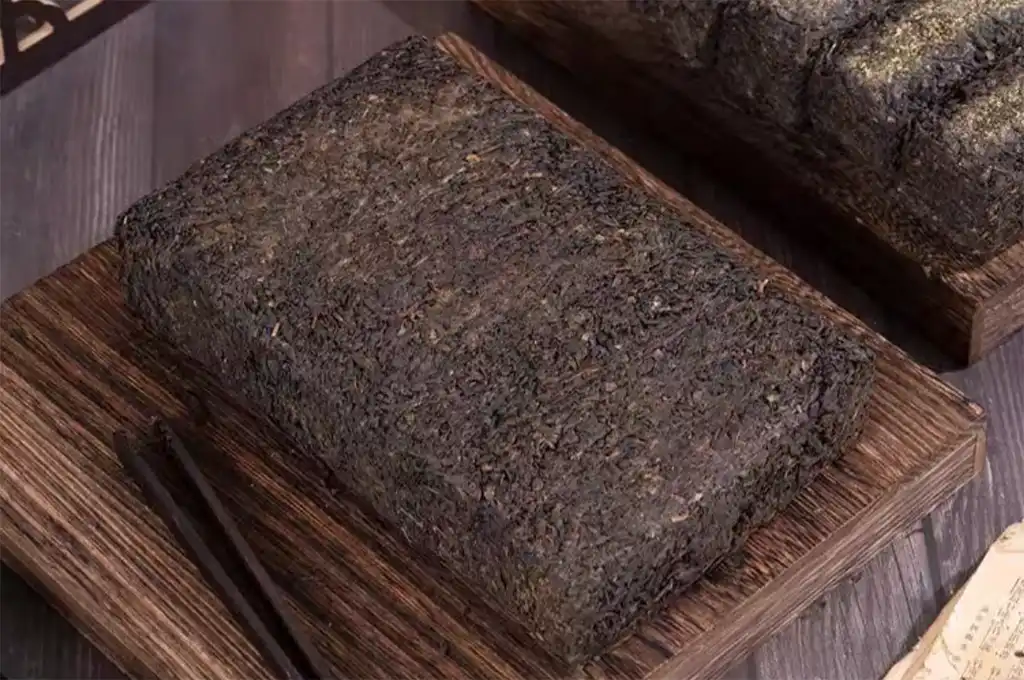
Anhua dark tea is primarily produced in Anhua County, Hunan Province. It is one of China’s most famous post-fermented dark teas, ranking alongside Yunnan Pu-erh tea as one of the country’s best-known and most popular dark tea varieties. Depending on production methods and forms, Anhua dark tea can be subdivided into Three Tips (San Jian), Huajuan (flower roll), Huazhuan (flower brick), Heizhuan (dark brick), and Fuzhuan (fu brick).
History of Anhua Dark Tea
Anhua has been a renowned tea-producing region since ancient times, creating a variety of fine and famous teas. By the late 15th century at the latest, Anhua dark tea had already appeared and was quickly distributed to various regions in the north. Due to its excellent quality and rich, mellow flavor, Anhua dark tea was recorded as being supplied to the imperial court during both the Ming and Qing dynasties. Anhua dark tea flourished during this period, with merchants from all over China flocking to purchase it. These merchants traded wool, fur coats, and other goods for Anhua dark tea and transported it everywhere for sale, demonstrating its immense popularity.
Types of Anhua Dark Tea
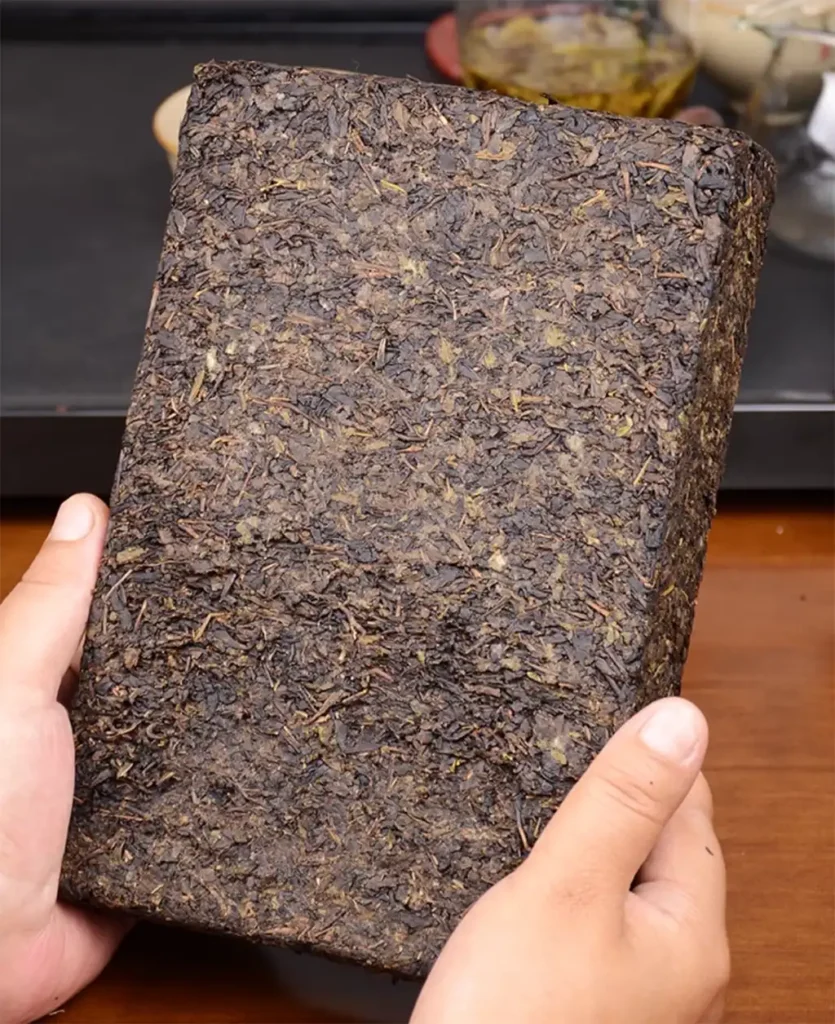
Anhua dark tea comes in a wide variety of types, primarily categorized into Three Tips (San Jian), Huajuan (flower roll), and Four Brick Teas based on their production methods and grades.
Three Tip Teas (San Jian): Also known as Xiangjian, these are made from more tender black rough tea and are divided into Tianjian (heaven tip), Gongjian (tribute tip), and Shengjian (raw tip). Tianjian tea is made using the most tender leaves and is the highest grade among the three tip teas; Gongjian ranks second, while Shengjian is mostly made from coarser, older leaves and tea stems.
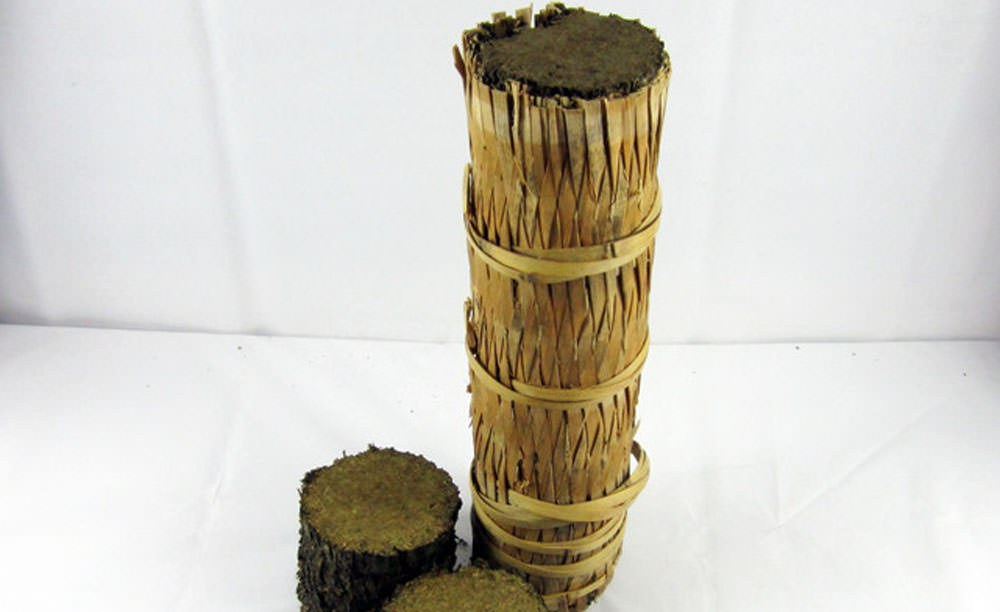
Huajuan Tea (Flower Roll): Teas traditionally crafted into cylindrical shapes, categorized into different specifications by weight. The earliest Huajuan tea was called “Hundred-Liang Tea” (weighing about 6 kg), and later the “Thousand-Liang Tea” with a net weight of 1,000 liang (approx. 37.27 kg) was developed. These small cylindrical teas are still produced today and are known as Huajuan tea, with the highest quality version called the “Roll King” (Juan Wang)—its limited production makes it highly sought after and scarce on the market. (Pictured above is Huajuan tea)
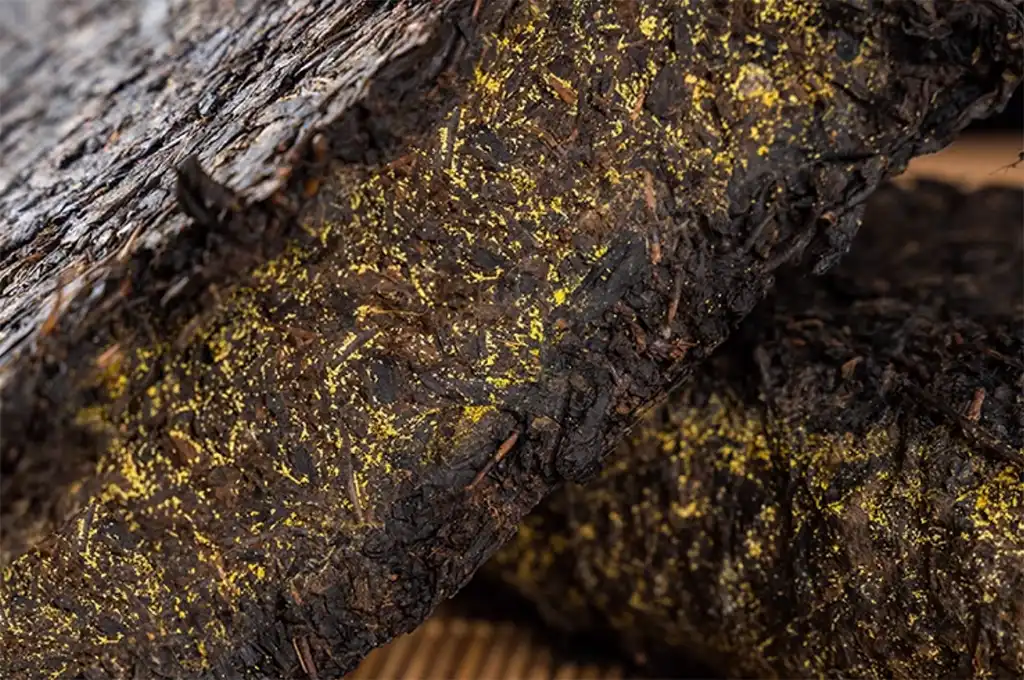
Four Brick Teas: These teas are compressed into brick shapes, mainly including Huazhuan (flower brick), Heizhuan (dark brick), Fuzhuan (fu brick), and Qingzhuan (green brick). Huazhuan evolved from Huajuan tea, featuring decorative patterns on the brick surface that add an artistic touch. Fuzhuan tea gets its name because it is processed during the hottest days of summer (the “dog days” or *fu* days), and is also known as “Fu tea” or “Good Fortune tea.” Qingzhuan tea is made using old green tea as raw material and is compressed into inner and outer layers, with the outer layer further subdivided into surface tea and base tea. (Pictured above is Jinhua Fuzhuan tea)
Read more:
- Anhua Hundred-Liang Tea: A smaller version of Thousand-Liang Tea
- Anhua Dark Brick Tea: A tightly compressed dark tea category
- Anhua Flower Brick Tea: Dark tea featuring patterned surfaces
- Anhua Shengjian Tea: A relatively affordable grade of dark tea
- Hunan Dark Tea: Top-tier Chinese dark tea on par with Pu-erh
- Anhua Gongjian Tea: A relatively affordable dark tea category