
Customer Question: How can you tell if tea leaves are good quality? There are so many options when buying from a tea shop, and I shouldn’t just rely on the owner’s recommendation. Could you share some tips on how to evaluate tea quality?
Chang-Hsing Tea: Good tea can be evaluated by its appearance, tea liquor, and aroma. Taking tightly rolled oolong tea as an example, the leaves should ideally be plump, full, and intact. Generally, high mountain teas grow slower and receive more organic fertilizer, resulting in fuller granules. Lowland teas tend to be smaller. Looking at the appearance, good tea should be round, tightly rolled, and plump. If the stems have been meticulously picked out, the quality is even better.
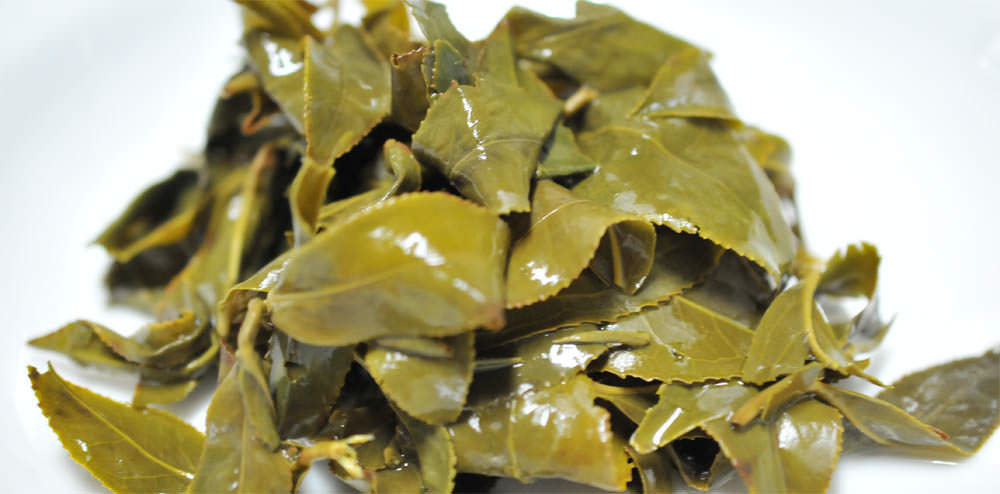
Next, you need to brew a sample. If the brewed leaves remain intact, it indicates hand-picked tea. Machine-harvested teas usually have more broken leaves. I should clarify that machine-harvested tea isn’t necessarily inferior to hand-picked tea. Machine-harvested tea picked under the blazing midday sun can easily rival hand-picked tea harvested on a rainy, overcast day. It’s just that hand-pocked tea simply has a higher probability of being top-tier quality.
After brewing, smell the aroma; a fresh, lingering cool fragrance is ideal. It’s best to wait until the third brew before making a final judgment, because some teas flavored with additives smell very fragrant in the first brew but fade completely by the third, which is a dead giveaway for adulterated tea. You can also let the tea cool down. Hot tea tends to magnify a tea’s strengths, while cold tea magnifies its weaknesses. If the bitterness and astringency spike quickly as it cools, the quality is subpar. If the bitterness remains low even after sitting for a while, it indicates decent quality. Cold tea from the third brew is the ultimate tool for distinguishing tea quality.
Finally, you can examine the spent tea leaves (the tea base) to assess quality. If the tea base is fully unfurled with clear leaf margins, the raw tea material (cha-ching) is of good quality. A good tea base will still retain a fresh fragrance even after multiple steeping sessions, especially when it comes to high mountain teas.
Lastly, always ask for detailed information regarding the tea’s source, origin, and processing methods. If the details are vague or the price seems suspiciously low, be cautious about the quality. Generally speaking, a reasonable price for hand-picked tea is at least NT$1,000 per 600 g; anything lower might not be authentic Taiwanese tea. Take Lishan tea as an example: a reasonable price ranges from NT$2,600 to NT$10,000 per 600 g. If it’s priced below NT$800, it doesn’t even cover production costs, so tea enthusiasts should pay special attention when purchasing.